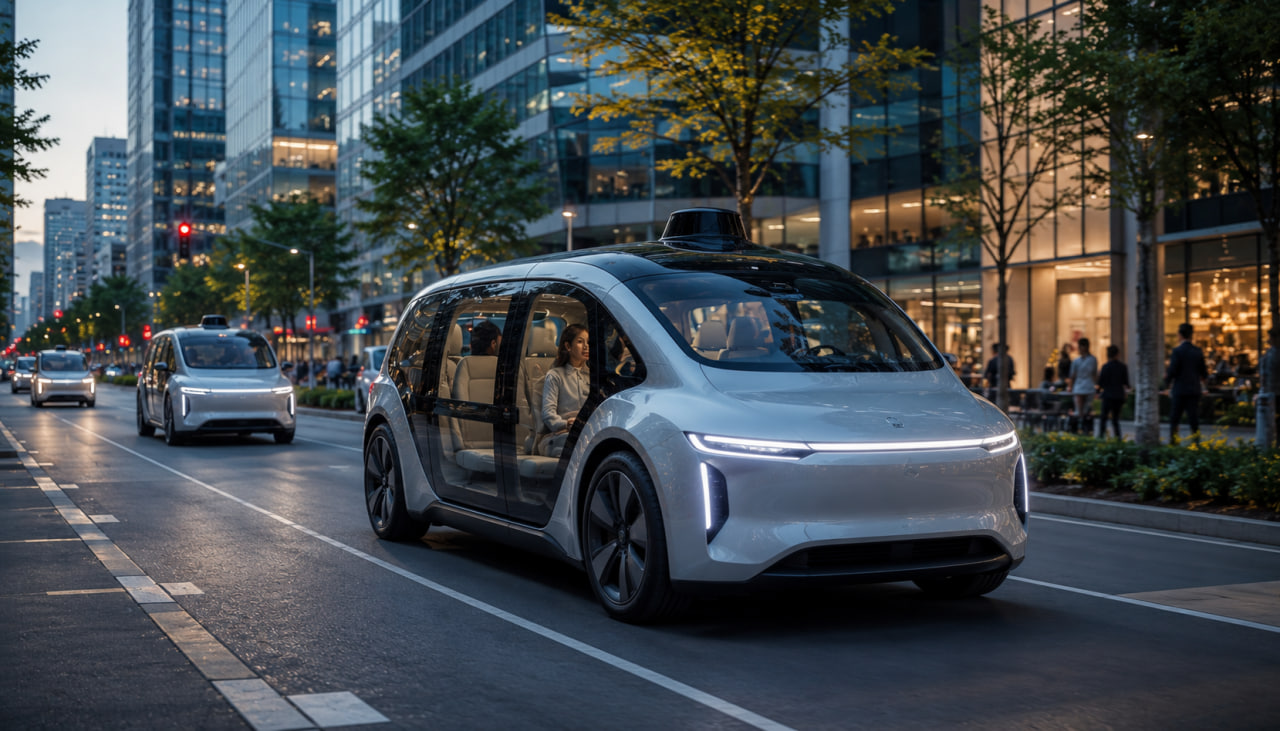
The idea of a car that can both drive on roads and fly through the air has fascinated engineers, futurists, and the public for decades. Today, this concept feels closer…
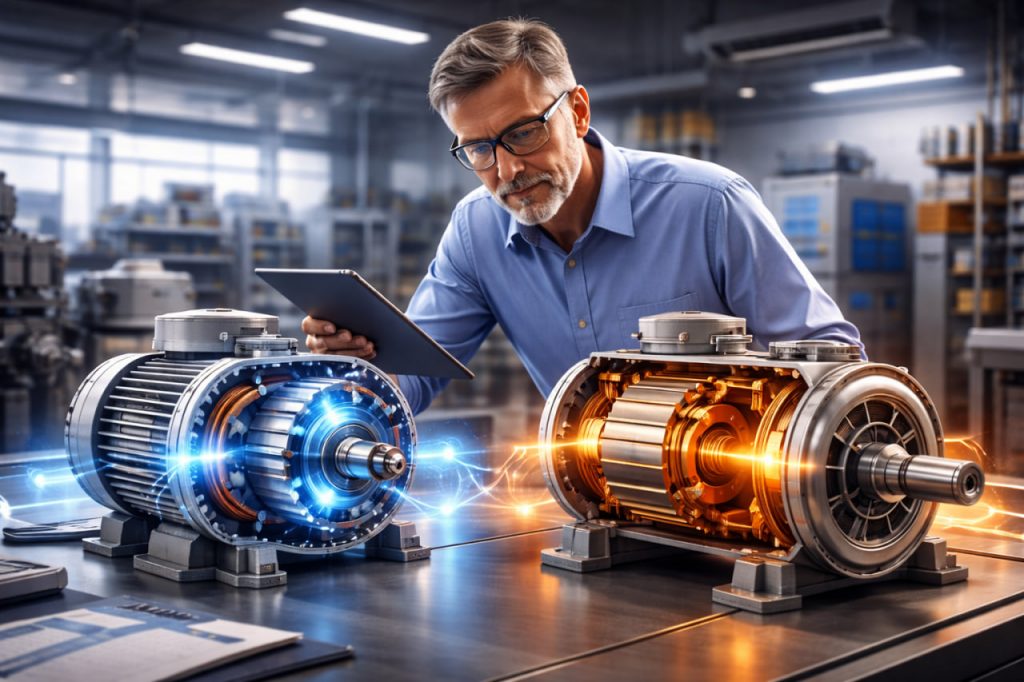
Electric motors are at the heart of modern industry, electric vehicles, household appliances, and energy systems. Among the many motor types, synchronous motors and asynchronous motors (also known as induction…
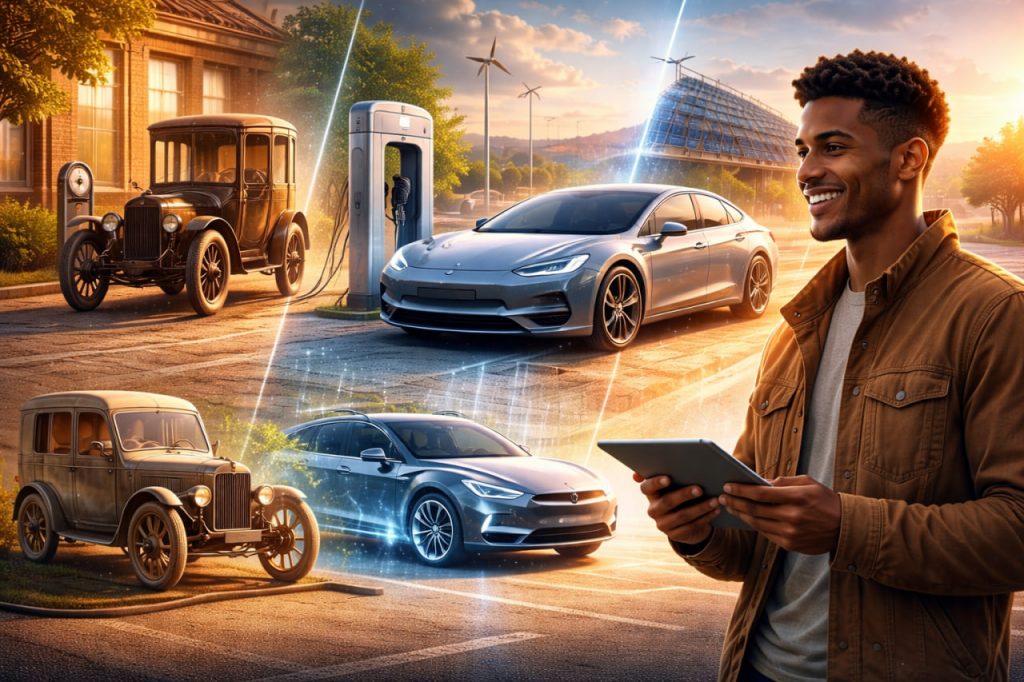
The history of electric cars is far longer and more complex than many people realize. Contrary to popular belief, electric vehicles are not a modern invention but one of the…
As electric vehicles, renewable energy systems, and high-performance electronics evolve, the limits of traditional batteries become increasingly visible. Charging speed, power delivery, lifespan, and thermal stress remain persistent challenges, especially…
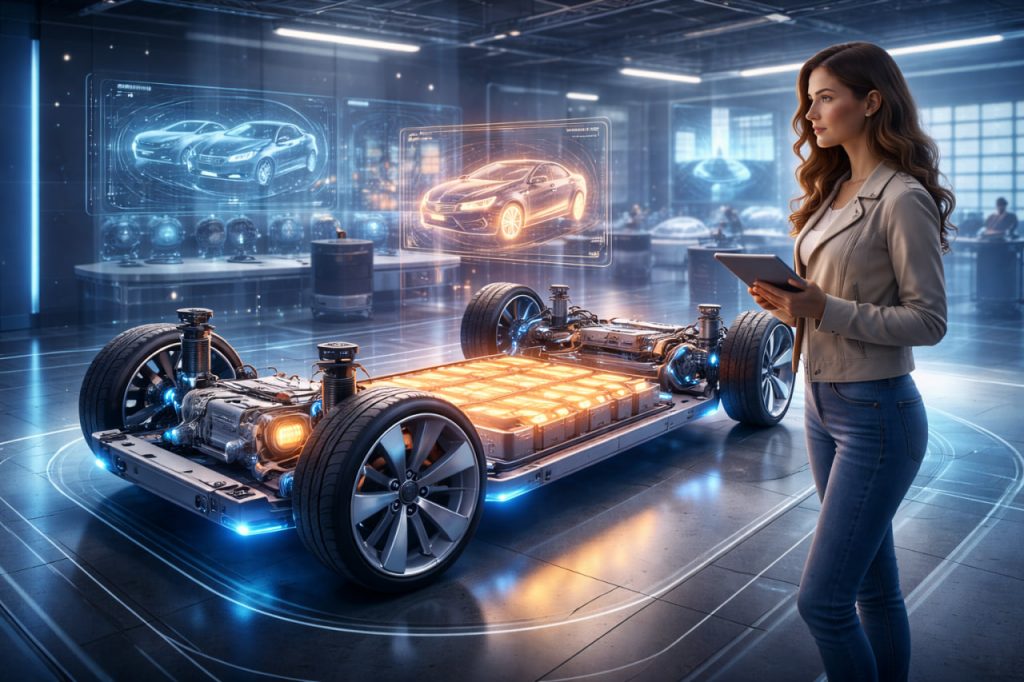
The transition from internal combustion vehicles to electric mobility did not just change how cars are powered—it fundamentally reshaped how cars are designed and engineered. One of the most important…
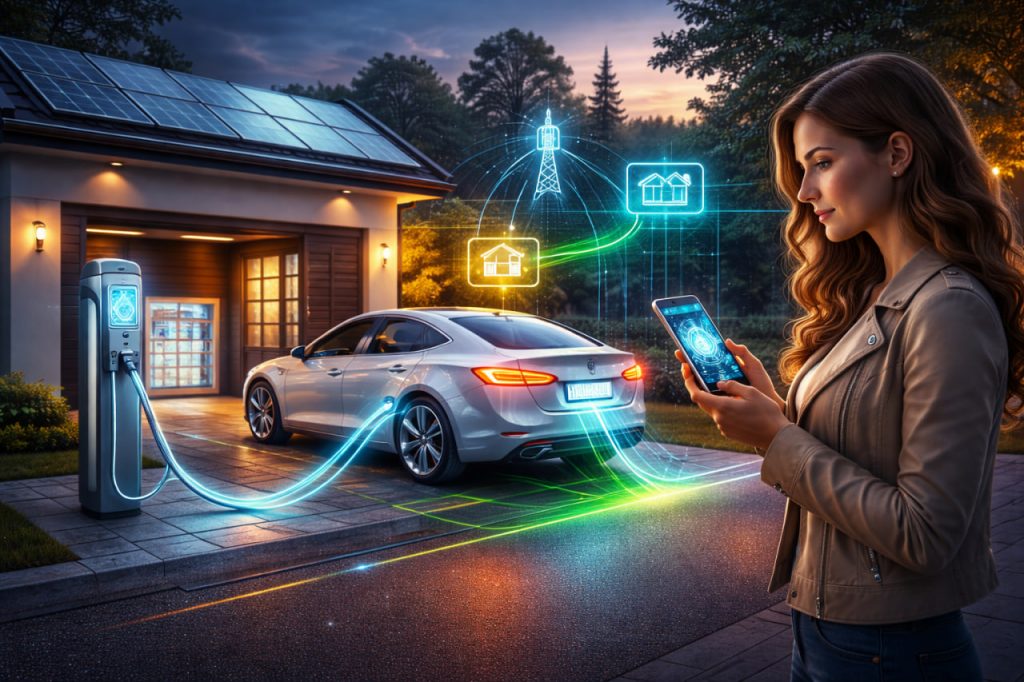
Electric vehicle charging is evolving from a simple “plug and wait” action into an intelligent, flexible energy process that connects cars, homes, and power grids. As EV adoption accelerates, traditional…
Regenerative braking is one of the most important technologies that distinguishes electric vehicles from traditional cars, yet it is often misunderstood or underestimated by drivers. At a basic level, it…
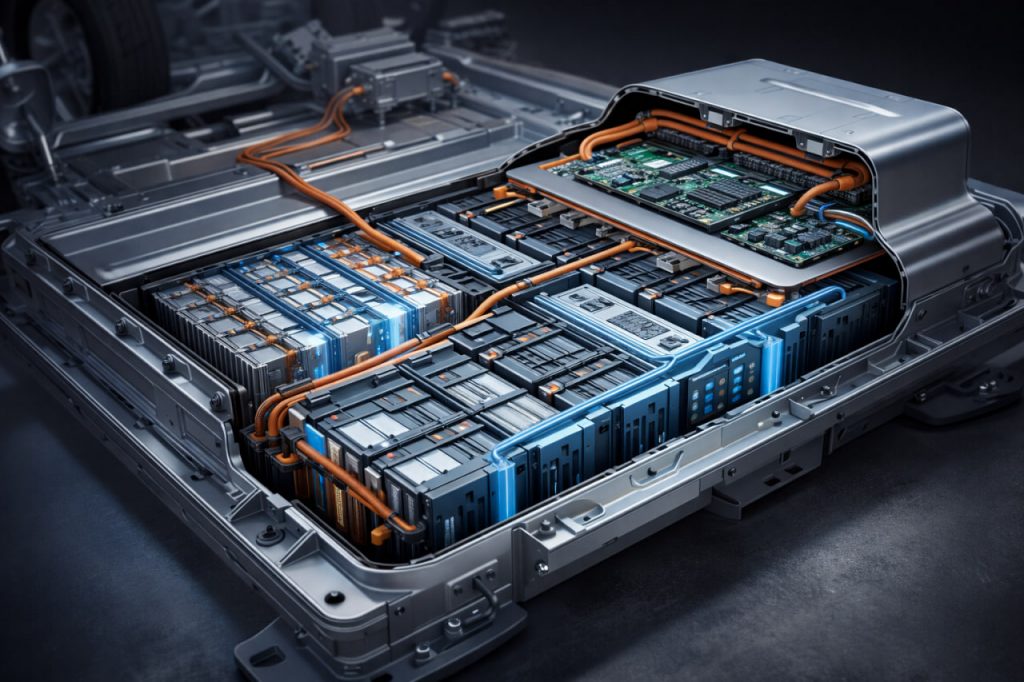
The battery is not just one component among many in an electric vehicle — it is the core system around which the entire car is engineered. Range, acceleration, charging speed,…
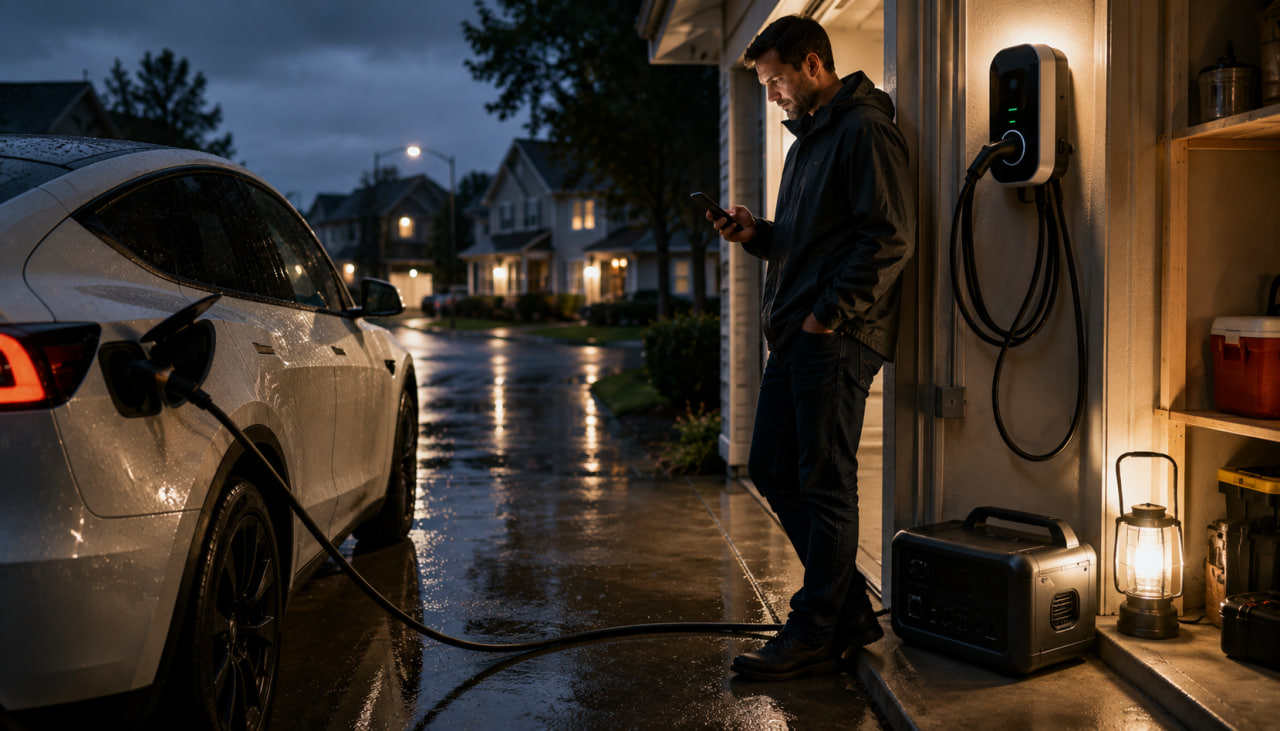
Electric vehicles are often associated with innovation, efficiency, and sustainability, but like any complex technology, they come with specific risks that drivers should clearly understand. These risks are not reasons…
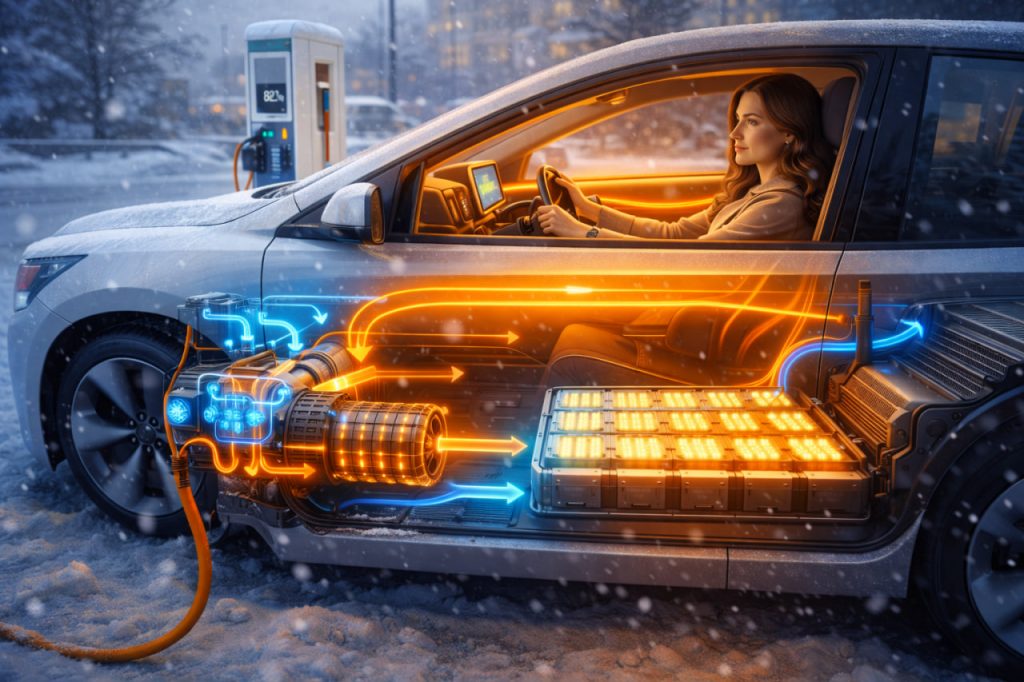
Thermal management is one of the least visible yet most important systems in a modern electric vehicle, and heat pumps have become a key innovation in making EVs more efficient…