The global transition to electric vehicles is not only reshaping transportation but also creating one of the most attractive investment opportunities of the decade. Electric mobility sits at the intersection of multiple high-growth sectors: automotive manufacturing, battery technology, renewable energy, and software. For investors, this ecosystem offers a wide range of entry points—from established automakers to emerging technology companies. However, understanding where value is being created is critical for making informed decisions.
The EV Ecosystem: More Than Just Cars
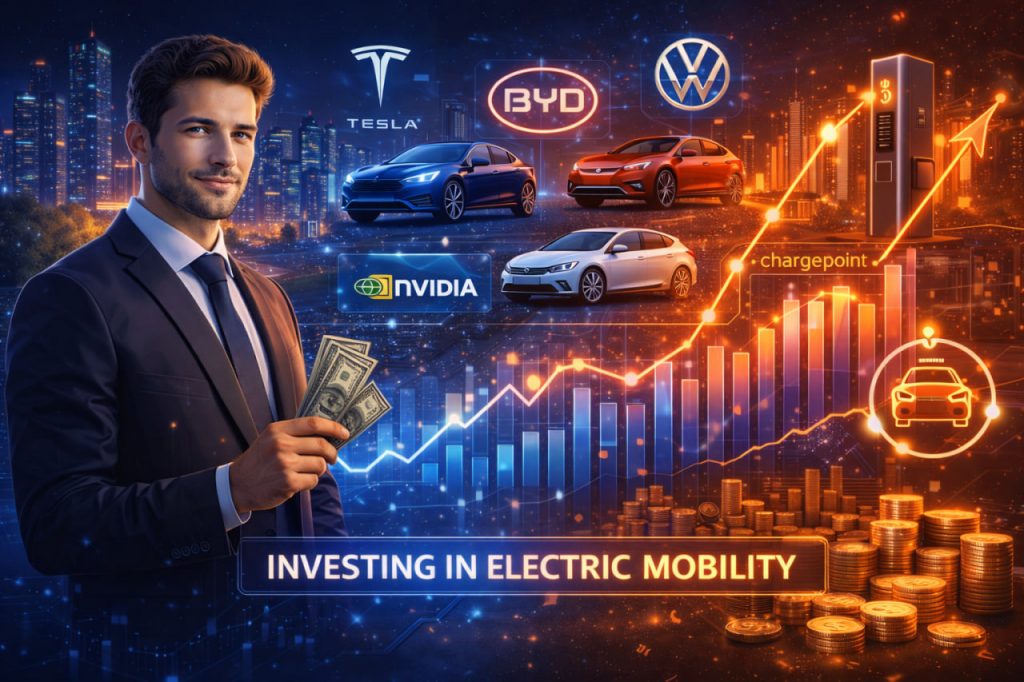
Investing in electric mobility goes beyond buying shares in car manufacturers. The EV ecosystem includes several key segments:
- Automakers — companies producing electric vehicles
- Battery manufacturers — suppliers of energy storage systems
- Charging infrastructure providers
- Semiconductor and software companies
- Raw material producers
Each segment plays a crucial role, and growth is often interconnected.
According to market analyst Dr. Kevin Liu:
“The biggest returns in the EV market may not come from car makers alone, but from the entire value chain.”
Leading Electric Vehicle Manufacturers
The most visible segment is EV manufacturers. Some companies have established strong positions through innovation, scale, and brand recognition.
- Tesla — a leader in EV technology, software integration, and charging infrastructure
- BYD — vertically integrated Chinese giant with strong battery capabilities
- NIO, XPeng, Li Auto — fast-growing Chinese EV startups
- Volkswagen Group — aggressively transitioning to electric mobility
- Hyundai-Kia — strong EV platforms and global reach
These companies compete on range, software, pricing, and production scale.
Battery Technology: The Core of the Industry
The battery sector is one of the most strategic areas in electric mobility. Companies in this space often benefit from long-term supply contracts and growing demand.
Key players include:
- CATL (Contemporary Amperex Technology)
- LG Energy Solution
- Panasonic
Battery innovation directly impacts cost, range, and performance, making this segment highly influential.
According to energy expert Dr. Laura Mendes:
“Battery technology is the backbone of the EV revolution and a key driver of industry profitability.”
Charging Infrastructure Companies
As EV adoption grows, demand for charging networks is increasing. Companies in this sector focus on building and operating charging stations.
Examples include:
- ChargePoint
- EVgo
- Ionity (joint venture in Europe)
This segment benefits from long-term infrastructure growth but may require patience due to high initial investment costs.
Semiconductor and Software Companies
Electric vehicles rely heavily on electronics and software, making semiconductor companies critical to the ecosystem.
Important players include:
- NVIDIA — AI and autonomous driving chips
- Qualcomm — automotive connectivity and processing
- Mobileye — driver assistance and autonomy
These companies often provide higher margins and scalability compared to traditional automakers.
Raw Materials and Supply Chain
The EV boom is driving demand for materials such as lithium, nickel, and cobalt. Companies involved in mining and refining these materials are essential to the supply chain.
Examples:
- lithium producers
- mining corporations
- recycling companies
However, this segment can be volatile due to commodity price fluctuations.
Risks and Considerations
Investing in electric mobility also involves risks:
- high competition among manufacturers
- rapid technological changes
- regulatory shifts
- supply chain disruptions
Additionally, valuations in the EV sector can be volatile, especially for newer companies.
According to financial strategist Michael Turner:
“Investors must balance growth potential with execution risk in a rapidly evolving market.”
Diversification Strategy
A balanced approach may include exposure to multiple segments:
- automakers for brand and market growth
- battery companies for core technology
- infrastructure providers for long-term expansion
- semiconductor firms for high-margin innovation
Diversification reduces risk while capturing broader industry growth.
Long-Term Outlook
The long-term outlook for electric mobility remains strong. Governments worldwide are supporting EV adoption through regulations and incentives. As battery costs decline and infrastructure expands, demand is expected to grow significantly.
Conclusion
Electric mobility represents a transformative shift with substantial investment potential. Opportunities exist across the entire value chain—from vehicle manufacturers to battery producers and technology providers. While risks remain, a strategic and diversified approach allows investors to benefit from one of the most important industrial transitions of our time. As the world moves toward electrification, the companies shaping this future are becoming key players in the global economy.