Electric Cars

Parking Carriers and Utility EV Robots: The Electric Machines Transforming Transportation
Innovations Smart Driving Future Of Transportation

Parking Carriers and Utility EV Robots: The Electric Machines Transforming Transportation

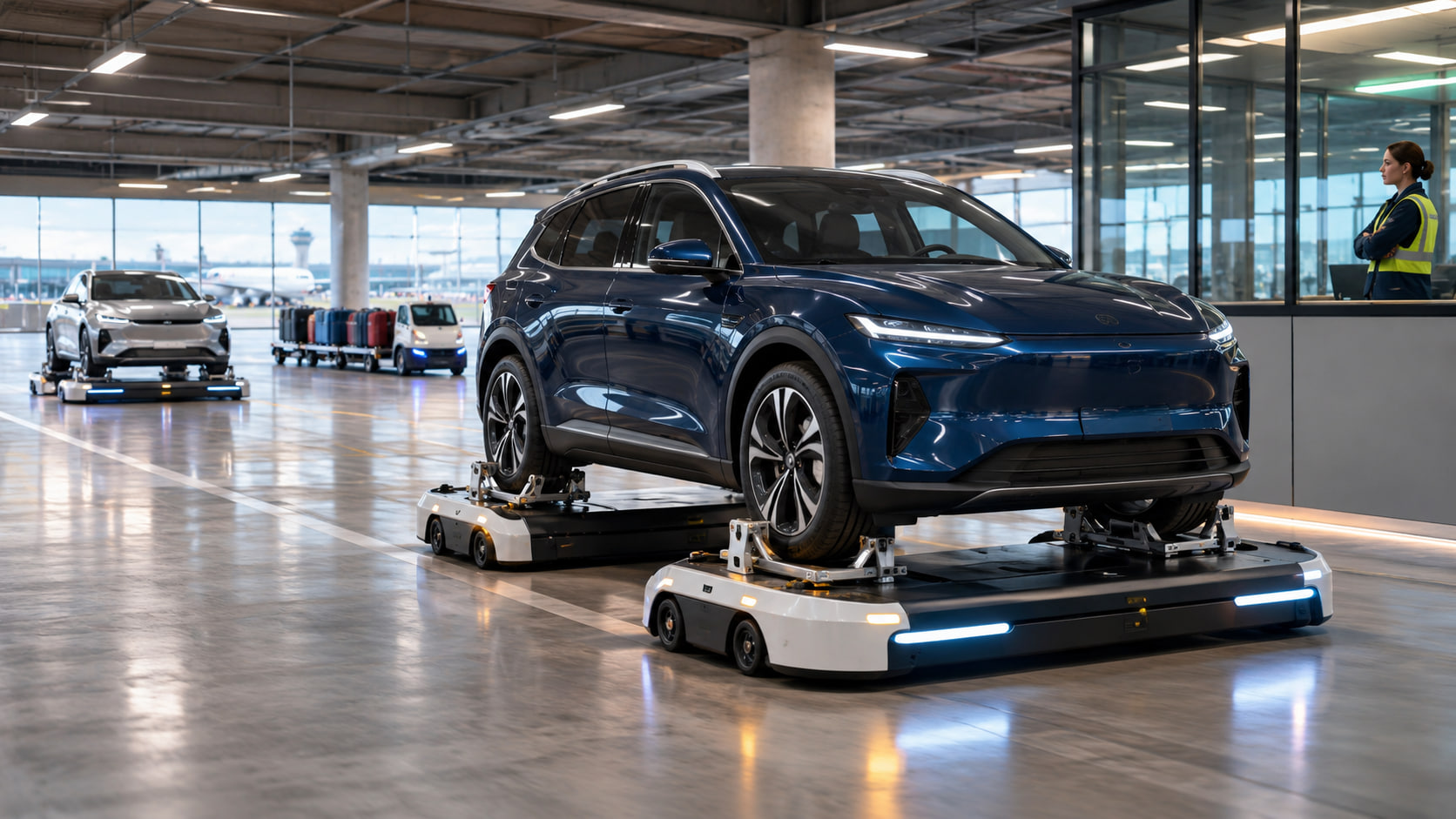
Electric vehicles are changing much more than personal transportation. Beyond electric cars, buses, and trucks, a growing category of specialized machines is beginning to automate tasks that previously required human drivers, conventional vehicles, or stationary industrial equipment. Autonomous parking carriers, robotic baggage transporters, electric yard tractors, and mobile delivery robots are bringing electric propulsion into increasingly specialized environments. Many of these machines are already operating in airports, logistics facilities, parking garages, and commercial buildings.
Space Electric Vehicles: How Mars Rovers and Lunar EVs Explore Other Worlds
Innovations Future Of Transportation EV Future

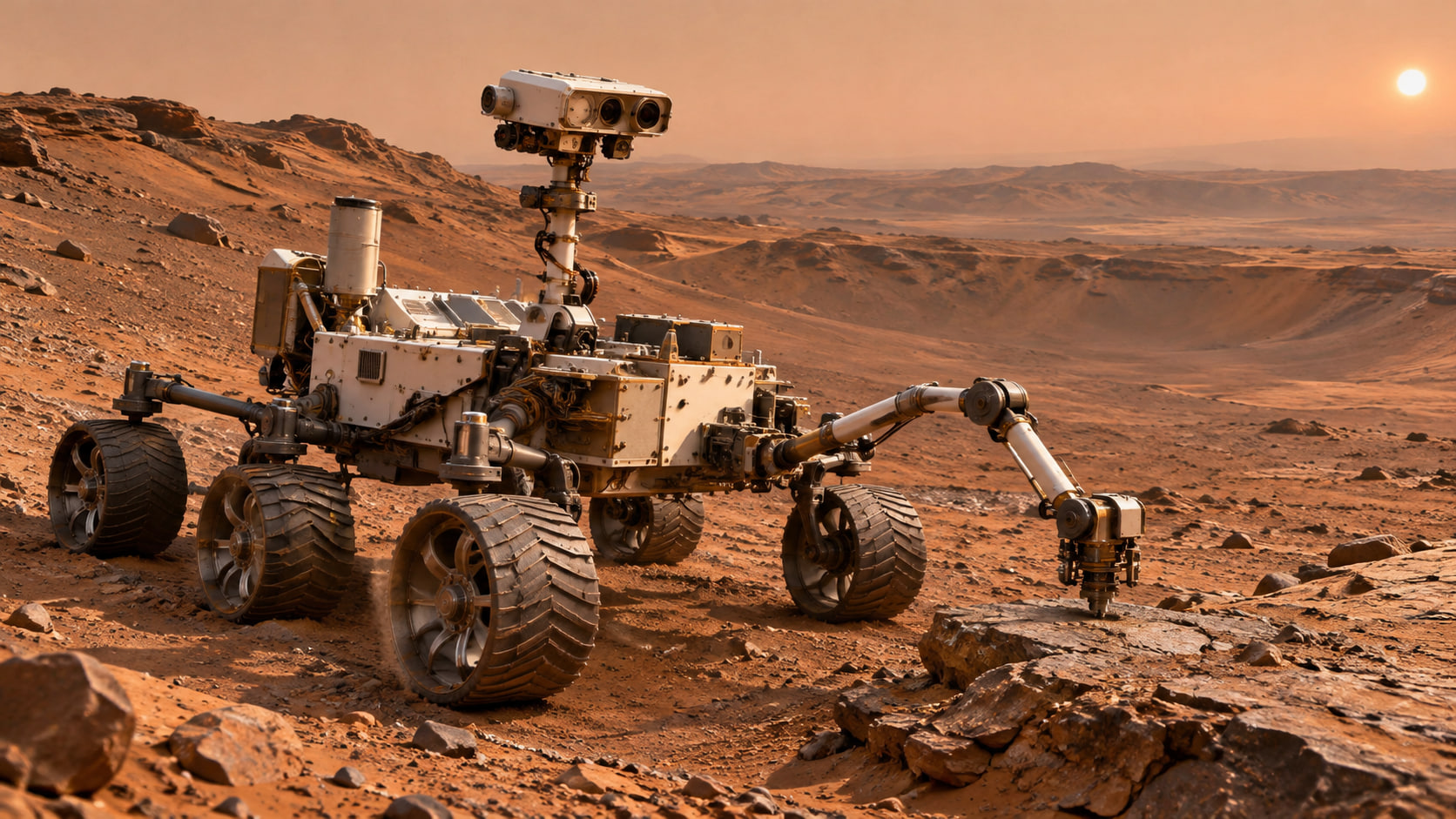
Space Electric Vehicles: How Mars Rovers and Lunar EVs Explore Other Worlds

Electric vehicles are not limited to highways, city streets, and modern automotive technology. Some of the most extraordinary electric machines ever built are currently exploring the surface of Mars, while others have traveled across the Moon or are being developed for future planetary missions. These robotic explorers use electric motors, advanced batteries, intelligent navigation systems, and highly specialized suspension designs to operate in environments where conventional vehicles would be useless. Although their maximum speeds are extremely low compared with road-going electric cars, their engineering capabilities are remarkable.

Hybrid vs Electric Cars in 2026: Pros, Cons, Costs, and Which Is Better?
Smart Driving Market Analysis Customer Engagement

Hybrid vs Electric Cars in 2026: Pros, Cons, Costs, and Which Is Better?

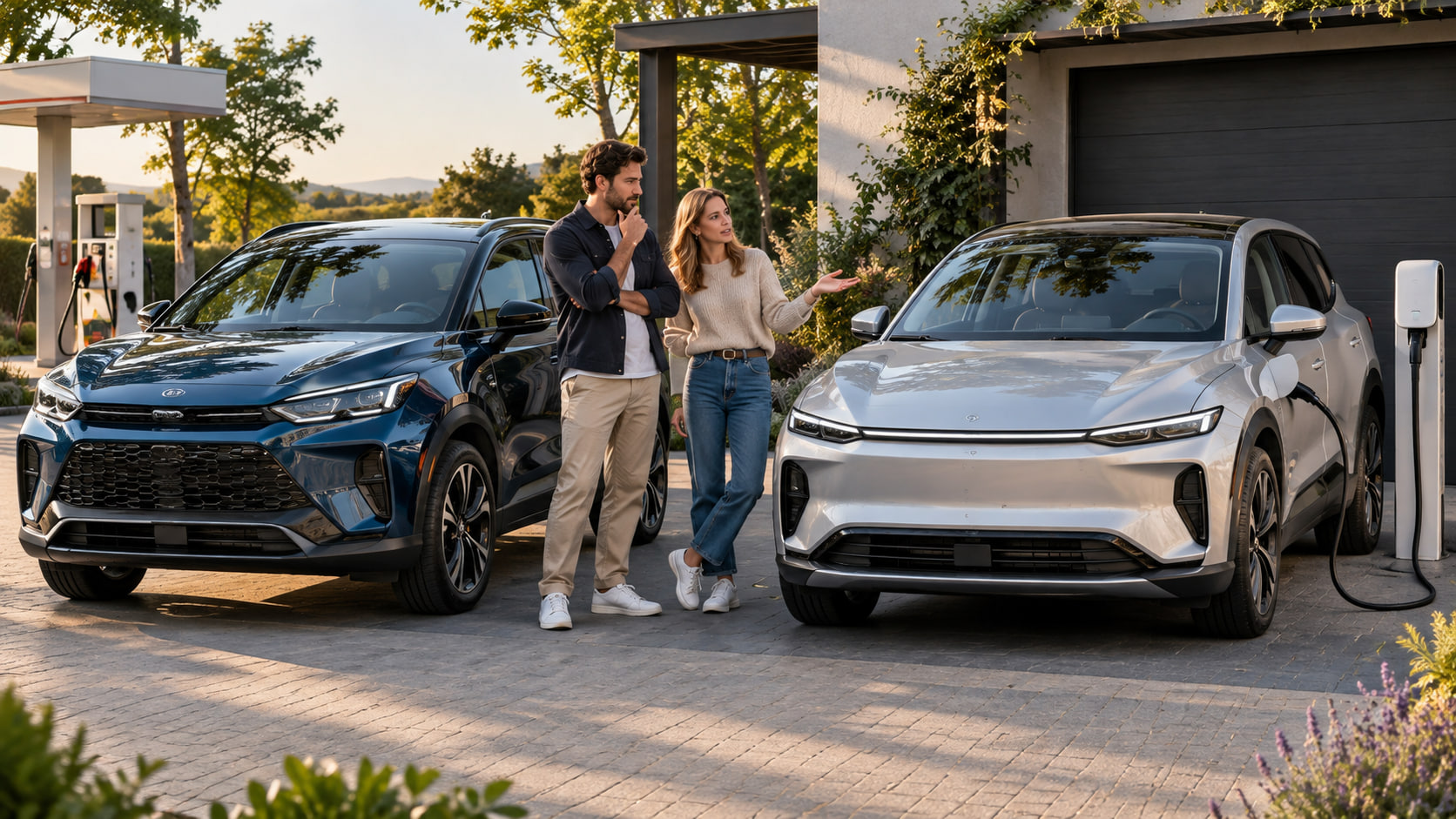
Choosing between a hybrid and an electric car has become one of the most important decisions for modern drivers. Both technologies can reduce energy consumption compared with traditional gasoline vehicles, but they deliver their advantages in different ways. Hybrids combine combustion engines with electric motors, while fully electric cars operate entirely on battery power. Their differences affect purchase prices, driving range, maintenance requirements, environmental impact, and everyday convenience.

Electric Cars in Russia: How Climate, Charging Infrastructure, and Enthusiasts Are Shaping the EV Market
Market Analysis EV in the world Sustainable EV Technologies

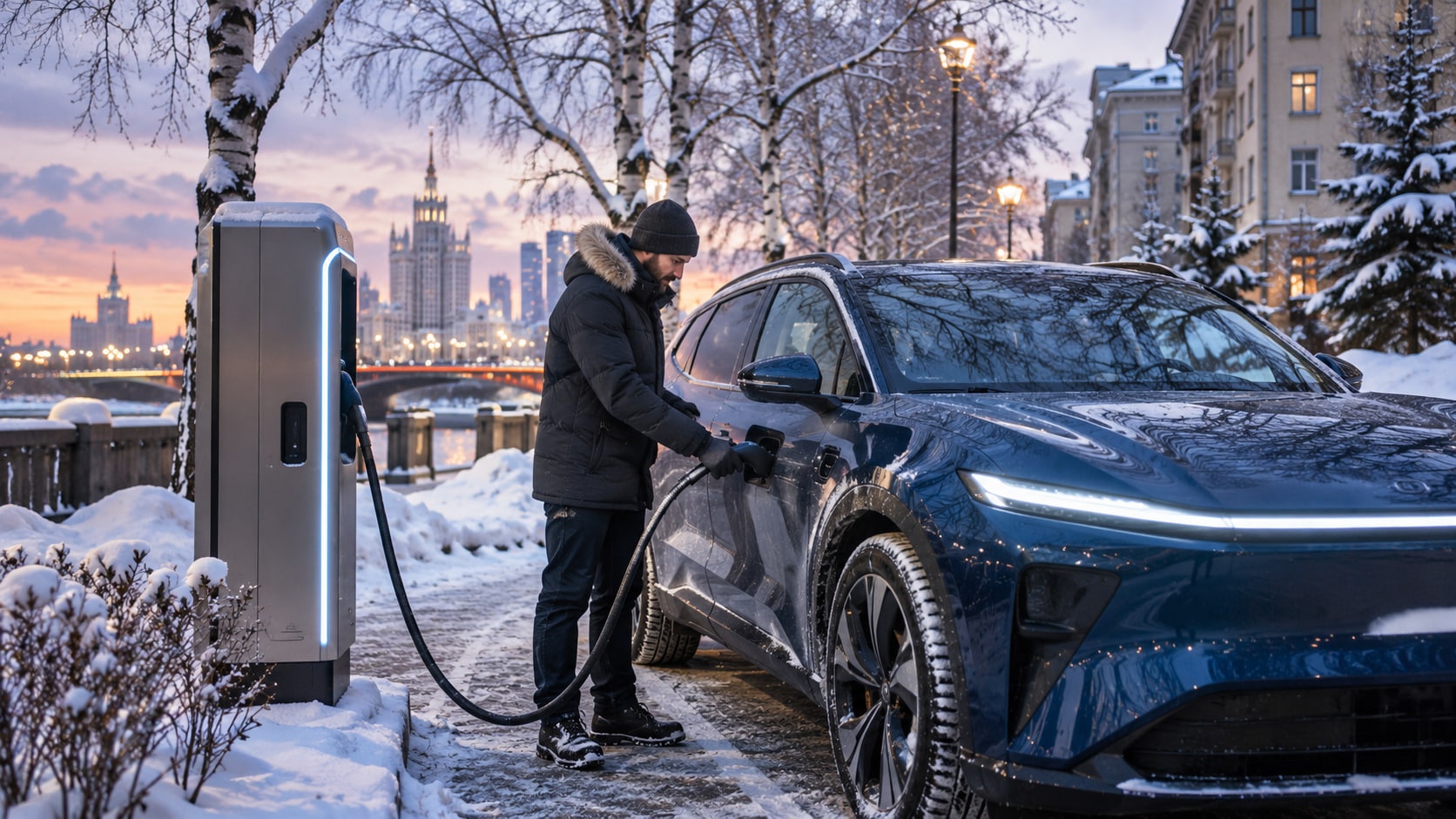
Electric Cars in Russia: How Climate, Charging Infrastructure, and Enthusiasts Are Shaping the EV Market

Electric cars in Russia face a combination of challenges that makes the country one of the most demanding markets for battery-powered transportation. Enormous geographical distances, exceptionally cold winters, uneven charging infrastructure, and relatively affordable conventional fuels influence how drivers evaluate electric vehicles. Nevertheless, interest in EV technology has continued to develop, supported by new models, expanding charging networks, local assembly projects, and experienced owner communities. What began largely as a niche market for imported vehicles is gradually becoming a more diverse part of the Russian automotive industry.

Electric Cars in the UAE and Saudi Arabia: Why Oil-Rich Nations Are Investing in EVs
Market Analysis EV Market Trends EV in the world

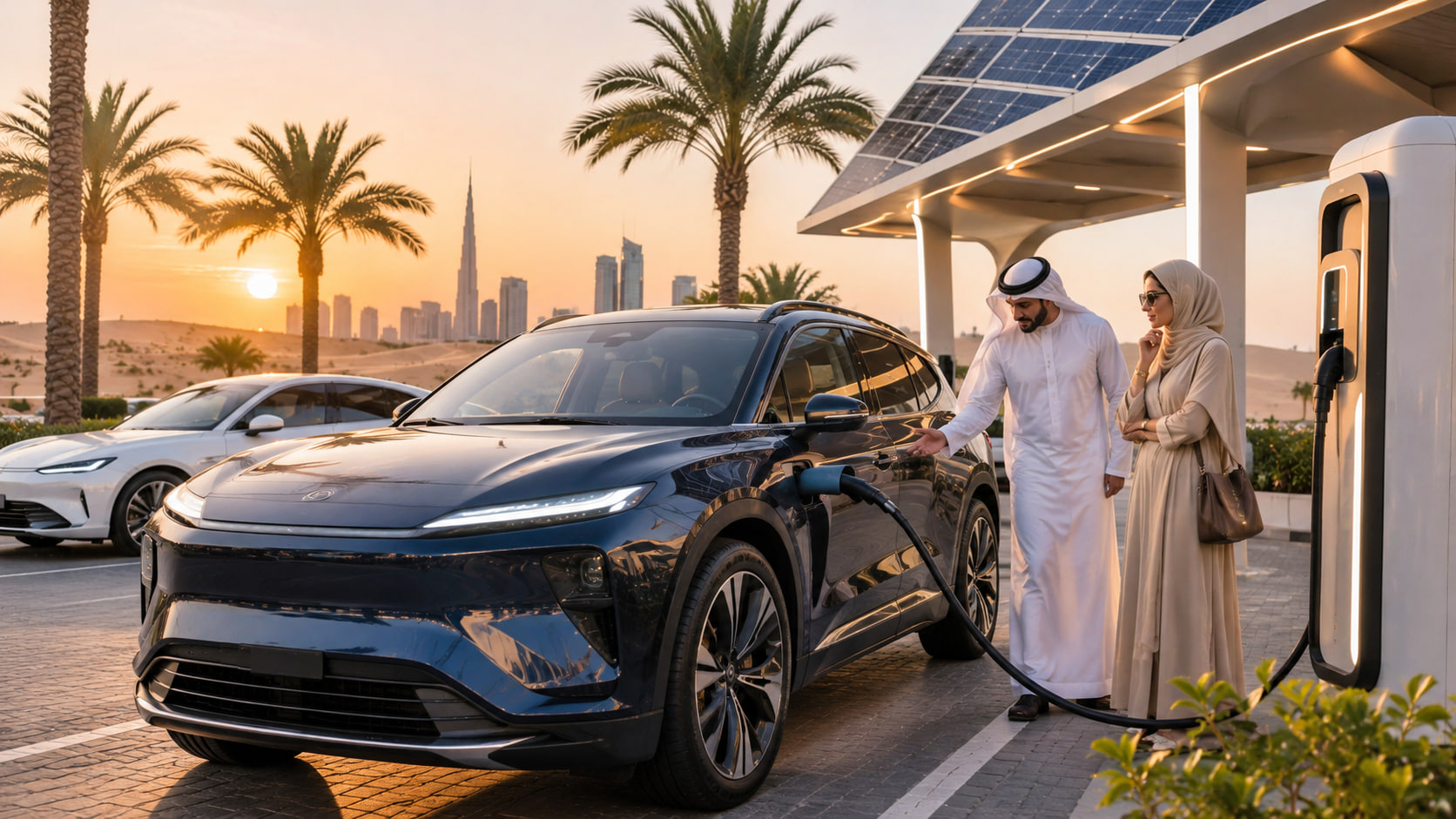
Electric Cars in the UAE and Saudi Arabia: Why Oil-Rich Nations Are Investing in EVs

The United Arab Emirates and Saudi Arabia are among the world's most influential oil-producing countries, yet both are investing in electric vehicles, charging infrastructure, and advanced automotive technology. At first glance, their growing interest in battery-powered transportation may seem contradictory because petroleum exports have contributed enormously to their economic development. However, electric mobility is becoming part of broader strategies involving industrial diversification, technological innovation, and the modernization of transportation. These ambitions demonstrate that even major oil exporters are preparing for changes in the global automotive industry.

Electric Cars for Kids: How to Choose the Best and Safest Ride-On EV
Market Analysis Market Trends Customer Engagement

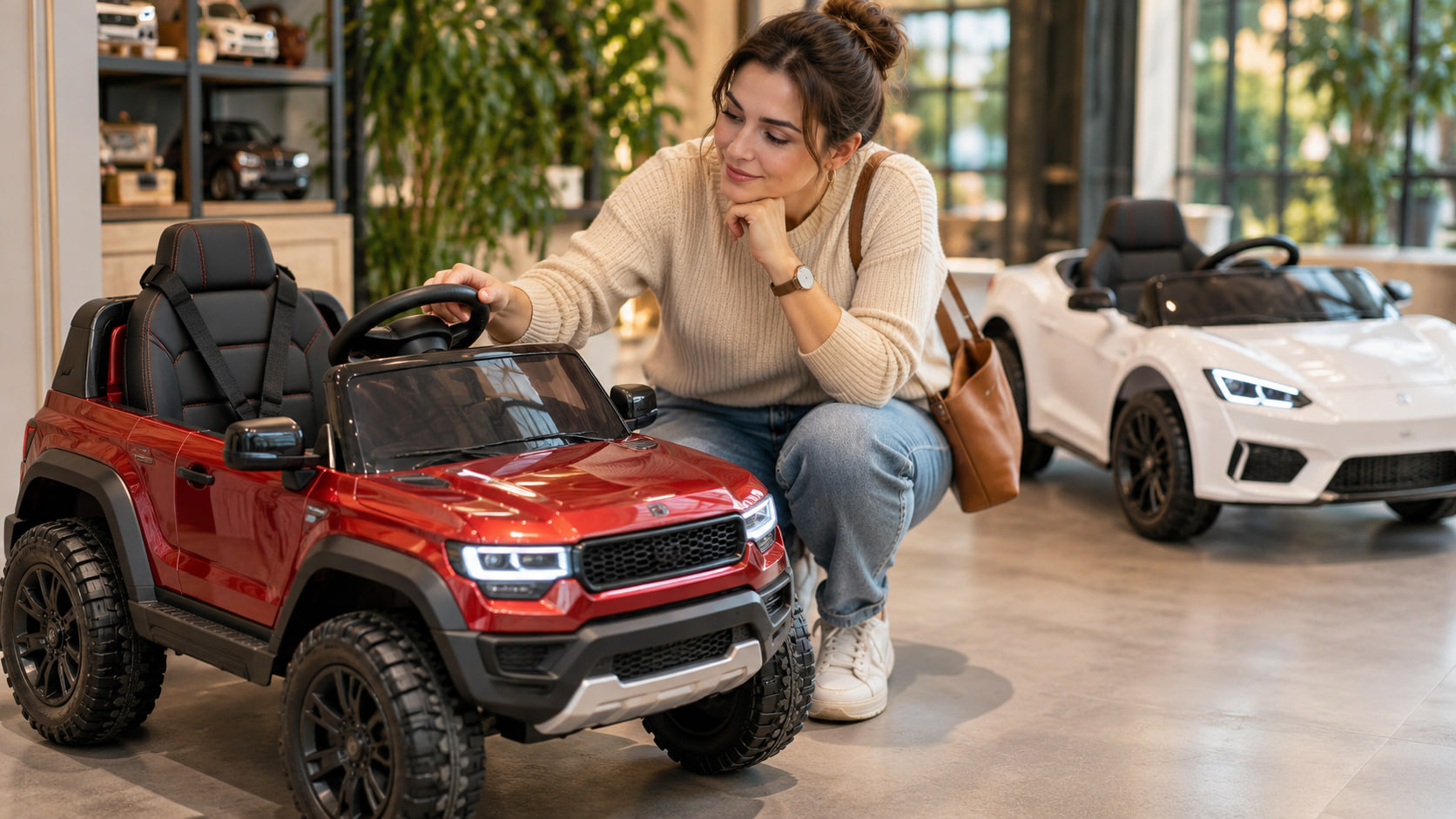
Electric Cars for Kids: How to Choose the Best and Safest Ride-On EV

Electric cars for kids have evolved from simple battery-powered toys into surprisingly sophisticated miniature vehicles. Modern ride-on electric cars can feature realistic steering wheels, working headlights, multiple driving speeds, suspension systems, parental remote controls, and rechargeable batteries. Some resemble luxury SUVs or sports cars, while others are designed as off-road vehicles, tractors, or compact city cars. However, choosing the right model requires understanding more than its appearance and entertainment features.

Electric Cars in Norway: How the Country Became the Global Leader in EV Adoption
Market Analysis EV Market Trends Sustainable EV Technologies

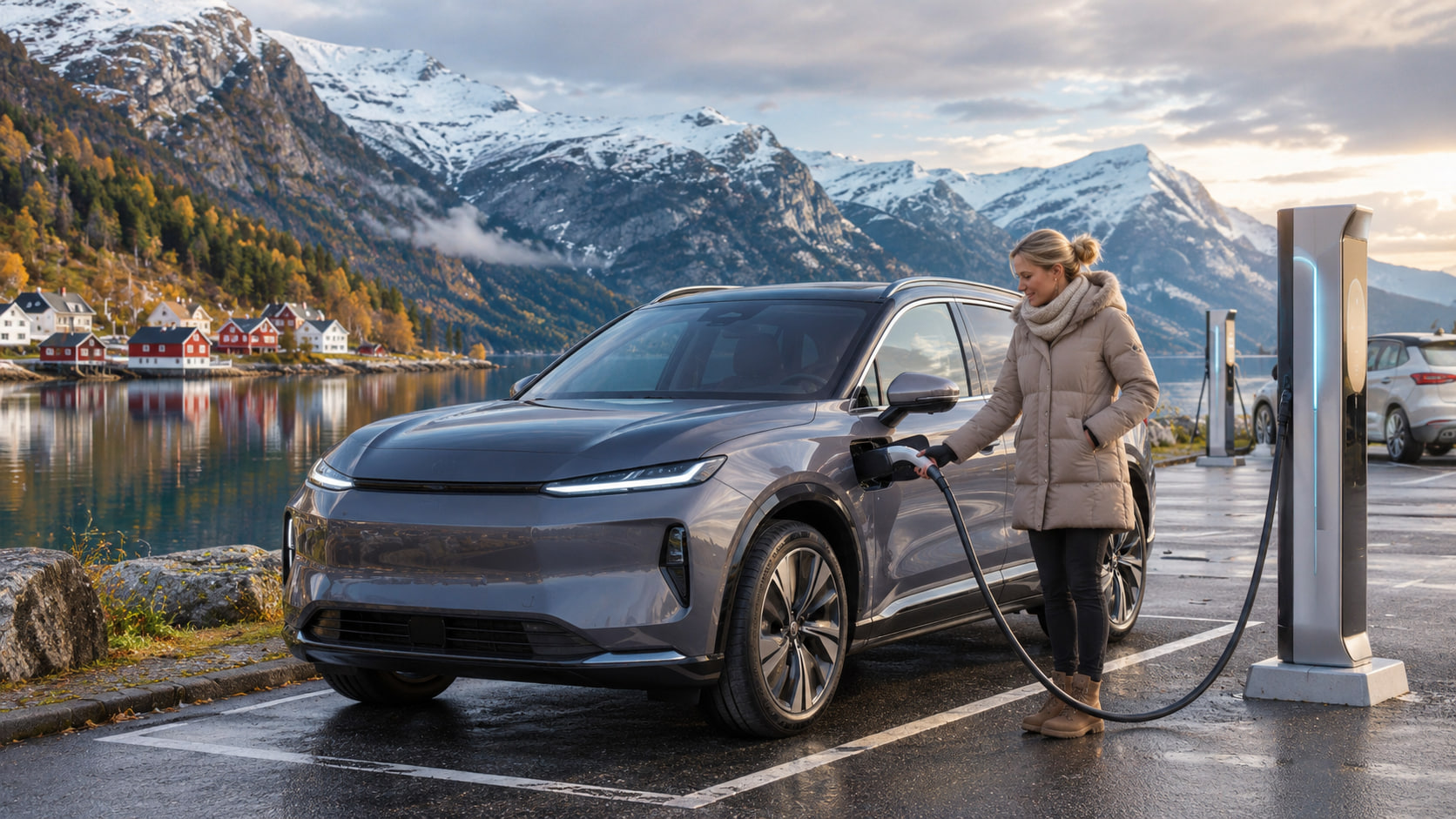
Electric Cars in Norway: How the Country Became the Global Leader in EV Adoption

Norway has achieved something that seemed almost impossible just two decades ago: turning electric vehicles from a niche alternative into the dominant choice for new-car buyers. While many countries continue debating the future of gasoline and diesel engines, Norway has already transformed its passenger car market. Electric cars are now an ordinary part of everyday life, from the streets of Oslo to remote communities surrounded by mountains and fjords.

Electric Cars in Japan: Why the Country Is Betting on Hybrids and Hydrogen
Market Analysis EV Market Trends Sustainable EV Technologies

Electric Cars in Japan: Why the Country Is Betting on Hybrids and Hydrogen

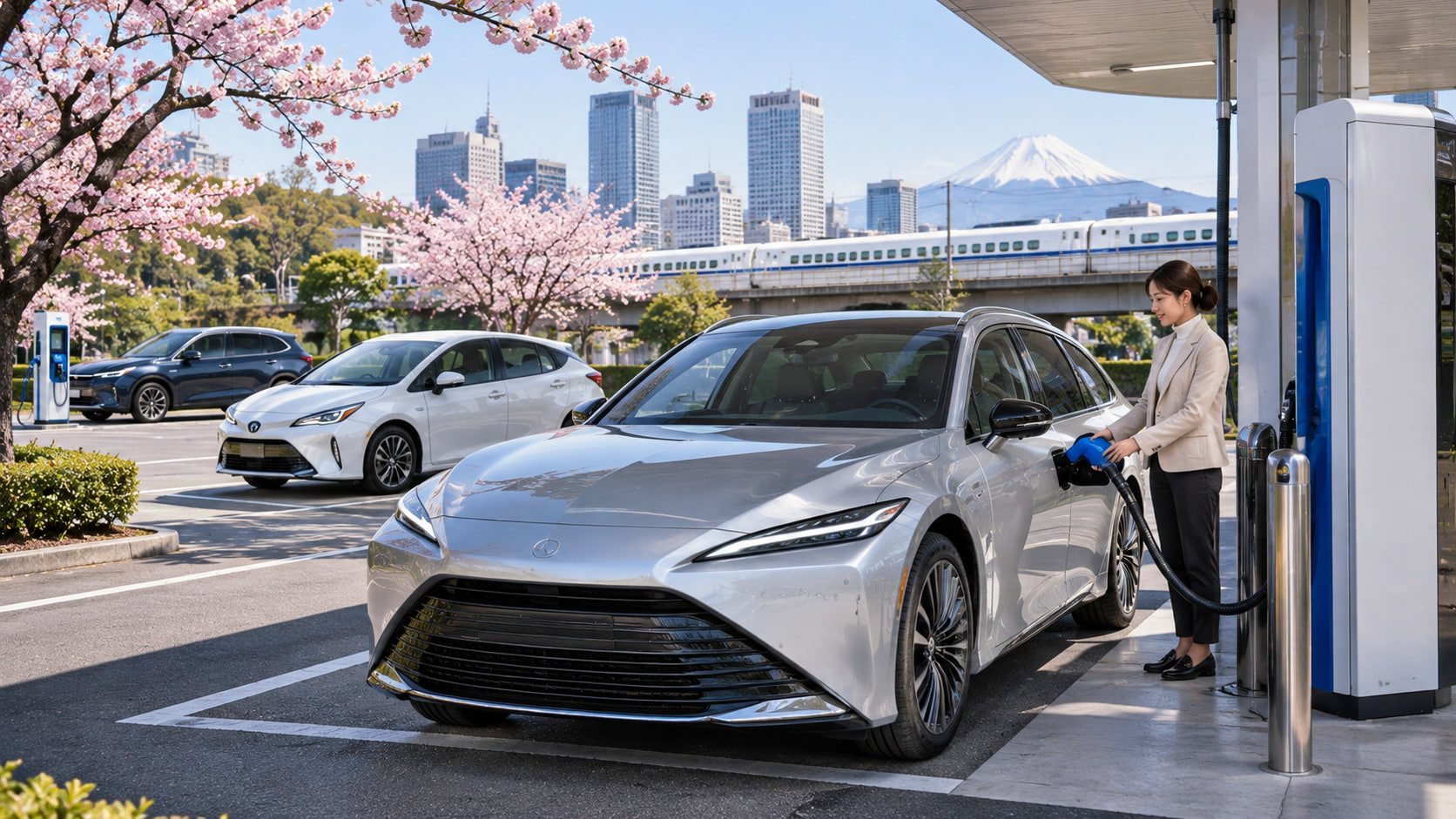
Japan is one of the world's most influential automotive nations, home to manufacturers such as Toyota, Honda, Nissan, Mazda, Subaru, and Mitsubishi. Its companies pioneered fuel-efficient engines, advanced hybrid systems, and hydrogen fuel-cell technology. Yet while China and several European markets have rapidly embraced battery-electric vehicles, Japan has followed a noticeably different path toward cleaner transportation.