Smart Driving

Parking Carriers and Utility EV Robots: The Electric Machines Transforming Transportation
Innovations Smart Driving Future Of Transportation

Parking Carriers and Utility EV Robots: The Electric Machines Transforming Transportation

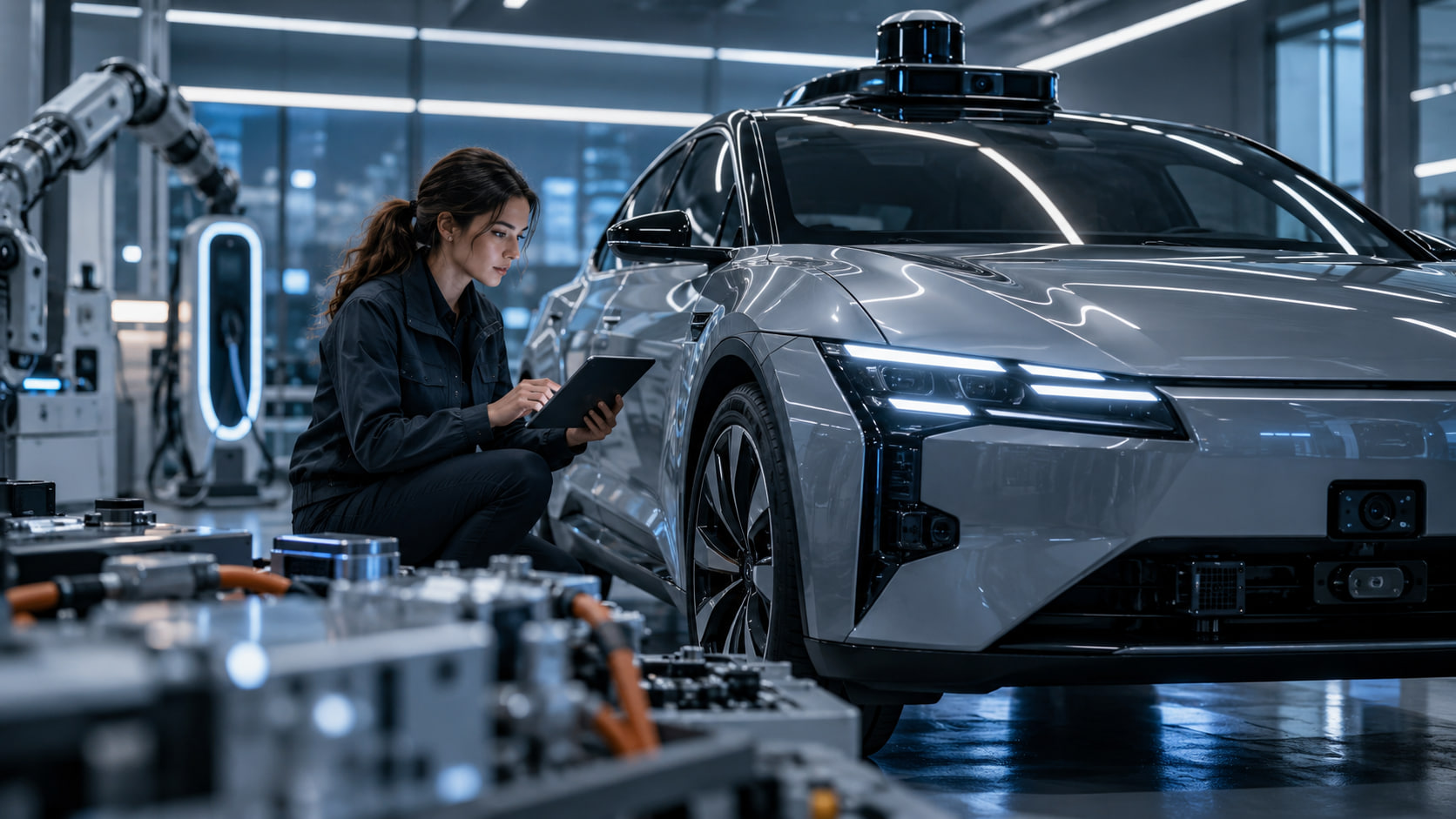
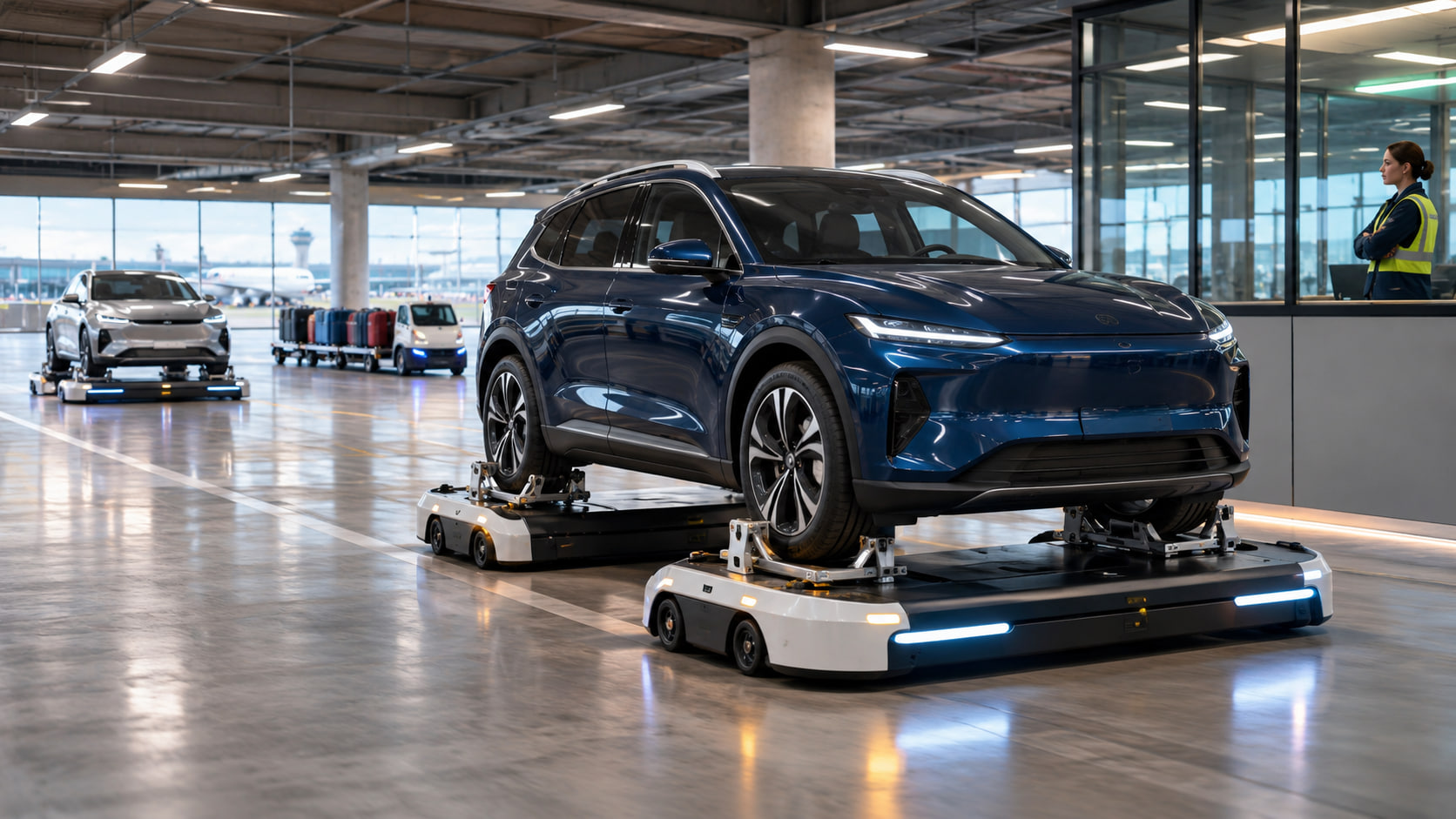
Electric vehicles are changing much more than personal transportation. Beyond electric cars, buses, and trucks, a growing category of specialized machines is beginning to automate tasks that previously required human drivers, conventional vehicles, or stationary industrial equipment. Autonomous parking carriers, robotic baggage transporters, electric yard tractors, and mobile delivery robots are bringing electric propulsion into increasingly specialized environments. Many of these machines are already operating in airports, logistics facilities, parking garages, and commercial buildings.
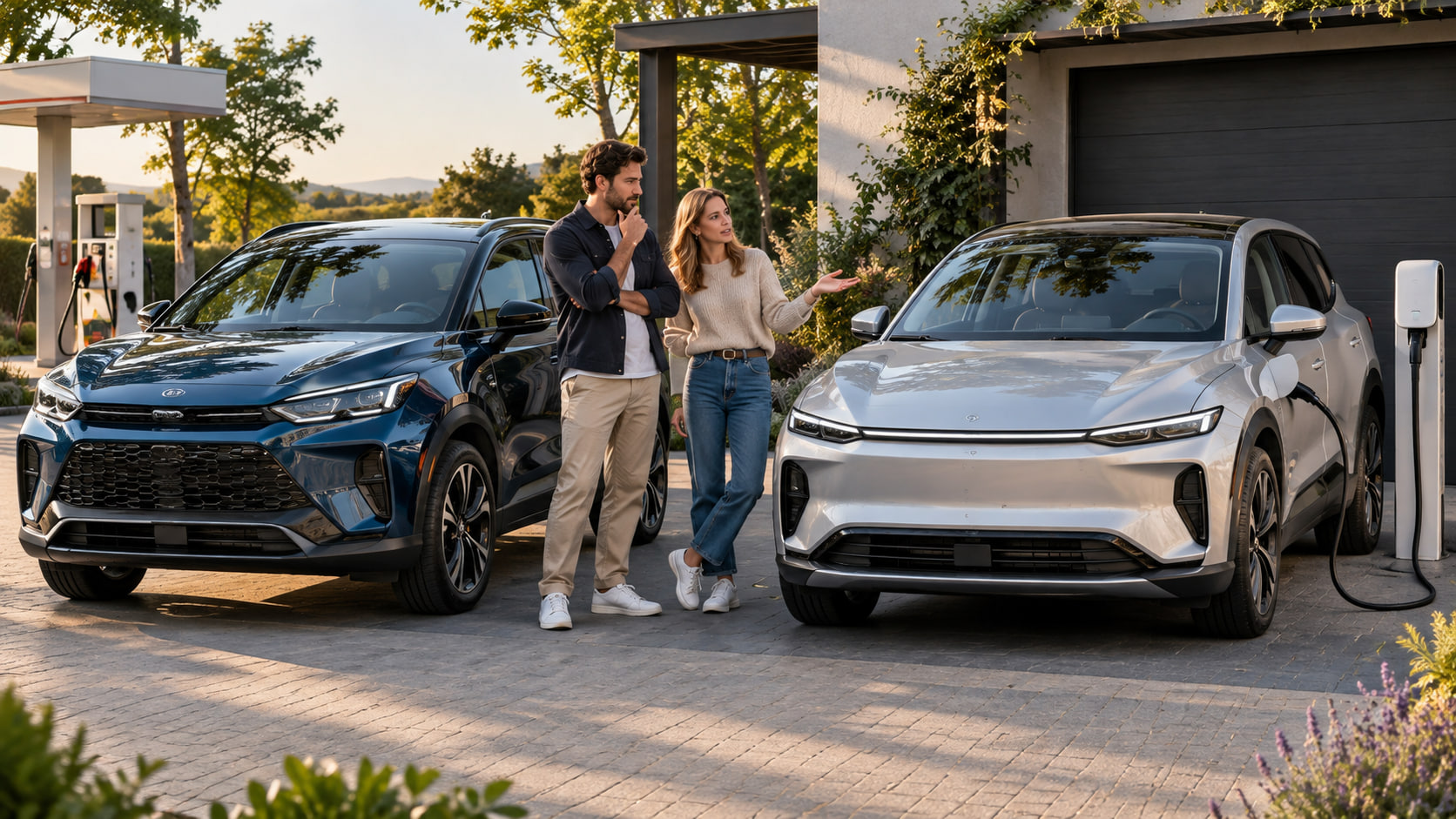
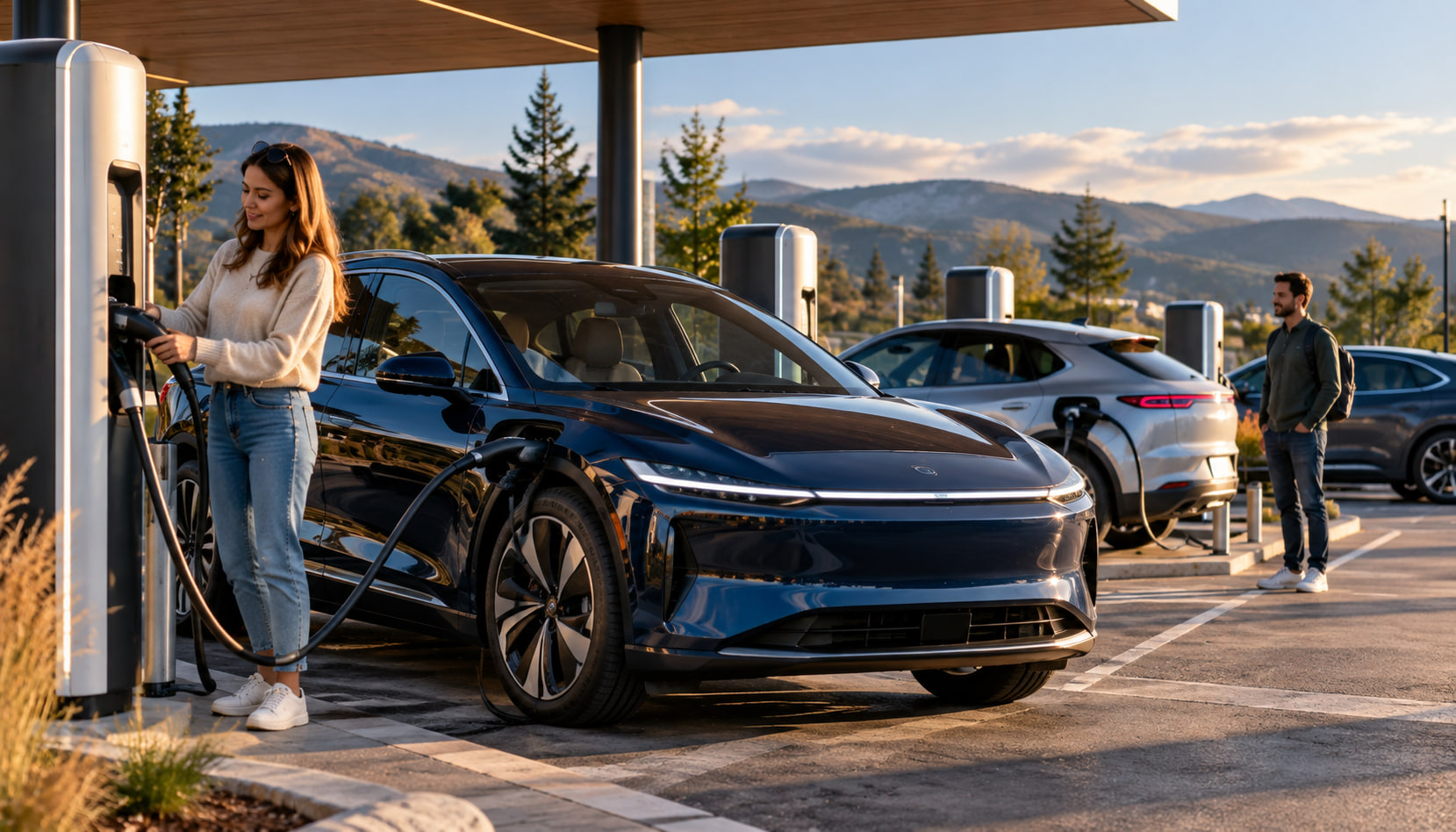
Hybrid vs Electric Cars in 2026: Pros, Cons, Costs, and Which Is Better?
Smart Driving Market Analysis Customer Engagement

Hybrid vs Electric Cars in 2026: Pros, Cons, Costs, and Which Is Better?

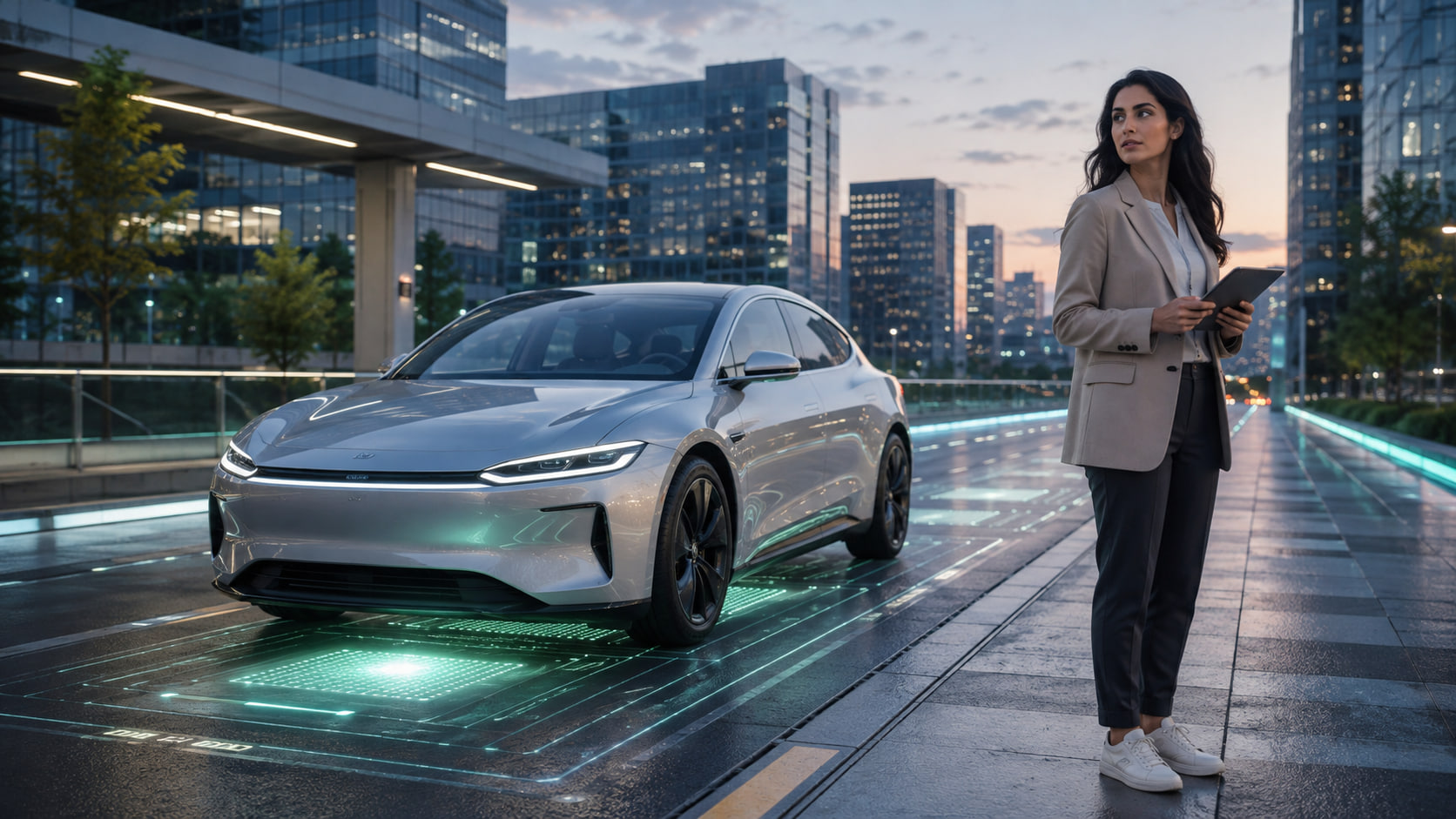
Choosing between a hybrid and an electric car has become one of the most important decisions for modern drivers. Both technologies can reduce energy consumption compared with traditional gasoline vehicles, but they deliver their advantages in different ways. Hybrids combine combustion engines with electric motors, while fully electric cars operate entirely on battery power. Their differences affect purchase prices, driving range, maintenance requirements, environmental impact, and everyday convenience.

Electric Vehicle Safety in a Crash: Batteries, Fires, High Voltage, and What Really Happens After an Accident
Smart Driving Market Analysis Customer Engagement

Electric Vehicle Safety in a Crash: Batteries, Fires, High Voltage, and What Really Happens After an Accident

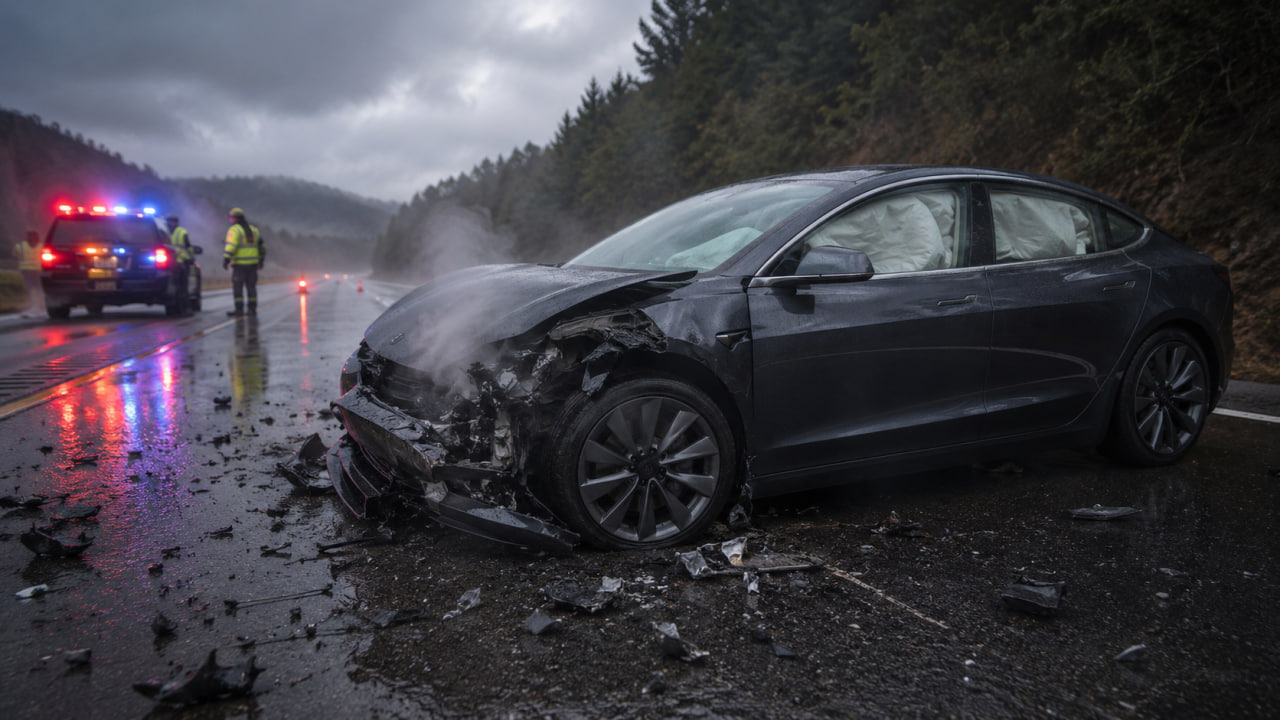
The concern is understandable. A modern electric car may carry a high-voltage battery containing tens or even more than 100 kilowatt-hours of stored energy. The battery sits beneath the passenger compartment in many designs, while orange high-voltage cables, electric motors, inverters, cooling systems, and sophisticated electronics are distributed around the vehicle.

Electric Vehicles for Extreme Conditions: How EVs Perform in Arctic Cold, Desert Heat, Floodwater, Snow, and Rough Terrain
Smart Driving Energy Efficiency Sustainable EV Technologies

Electric Vehicles for Extreme Conditions: How EVs Perform in Arctic Cold, Desert Heat, Floodwater, Snow, and Rough Terrain

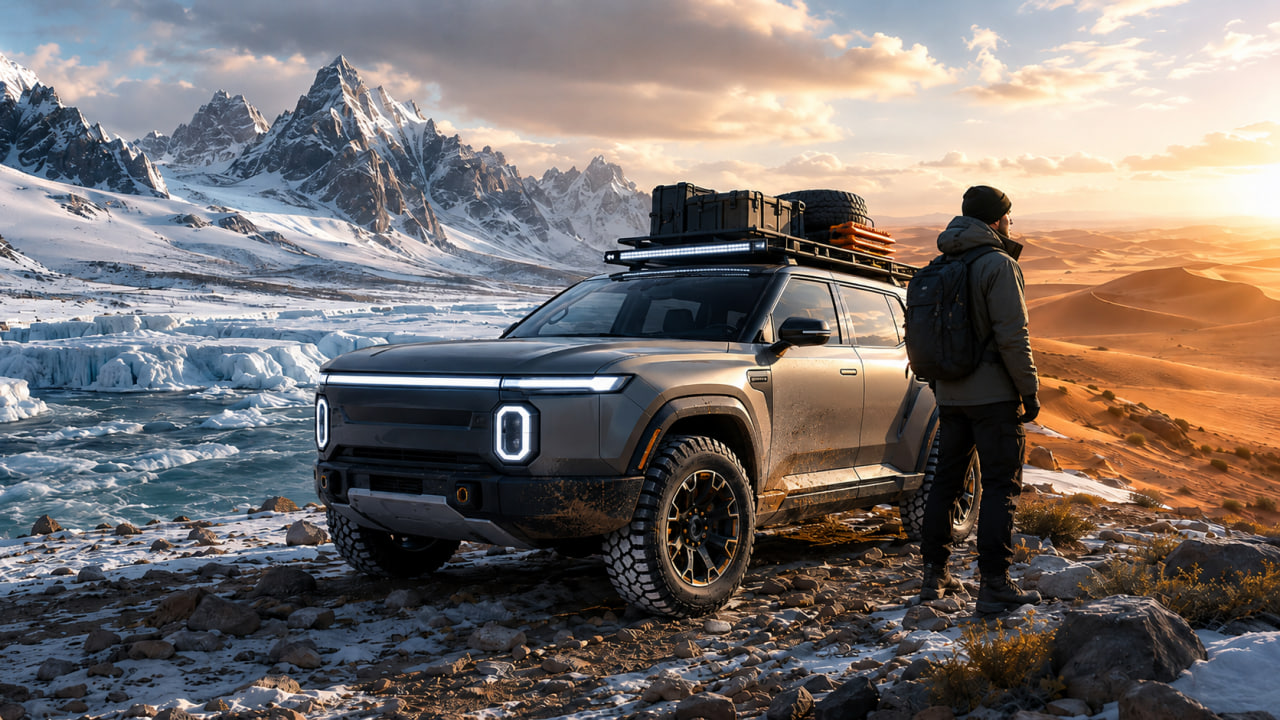
Electric vehicles are often judged by how they perform on highways, in cities, and during daily commuting. But some drivers need far more. They travel through deep snow, cross remote desert roads, climb rocky trails, work in severe heat, or operate hundreds of miles from reliable charging infrastructure.

Electric Car Camping With a Tent: How to Plan a Road Trip With Reliable EV Charging
Smart Driving Customer Engagement Smart Charging

Electric Car Camping With a Tent: How to Plan a Road Trip With Reliable EV Charging

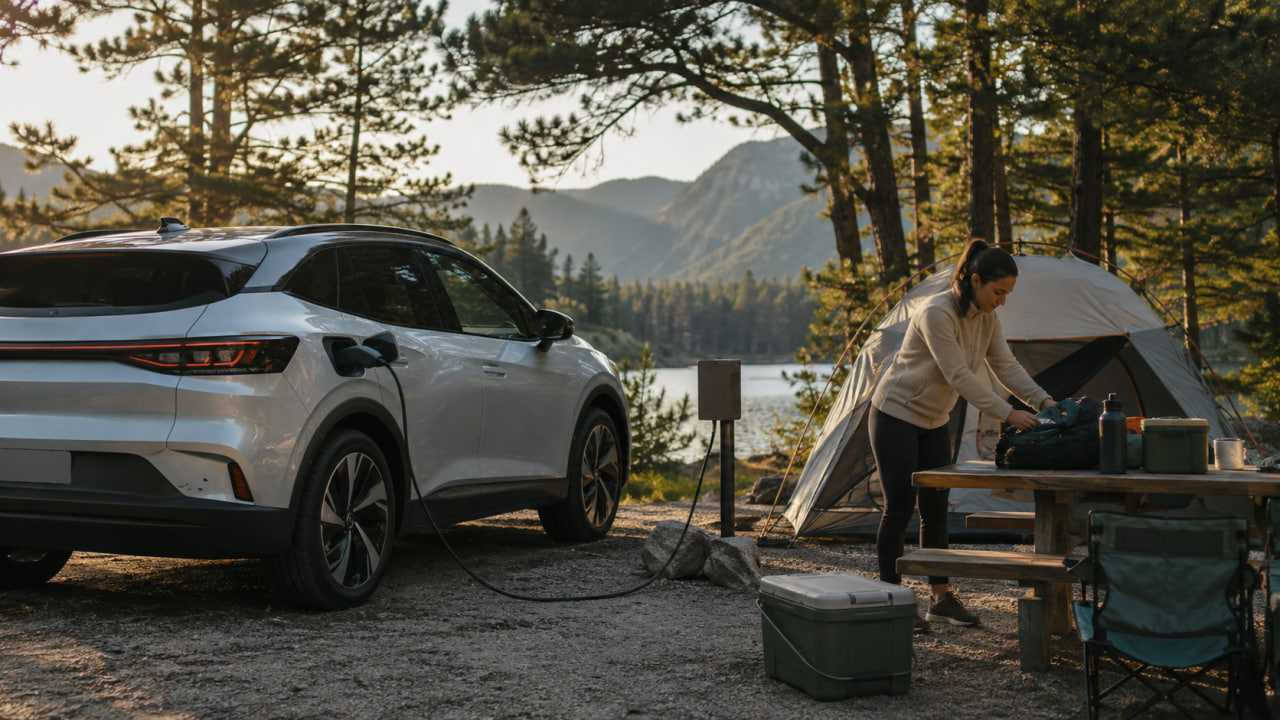
Traveling by electric car and sleeping in a tent combines two experiences that once seemed almost incompatible: modern electric mobility and traditional camping. In reality, they can work remarkably well together. An EV can carry camping equipment, provide quiet transportation through natural areas, recharge devices, and, in some models, supply power for accessories or maintain cabin climate while parked.