EV in the world

Electric Cars in Russia: How Climate, Charging Infrastructure, and Enthusiasts Are Shaping the EV Market
Market Analysis EV in the world Sustainable EV Technologies

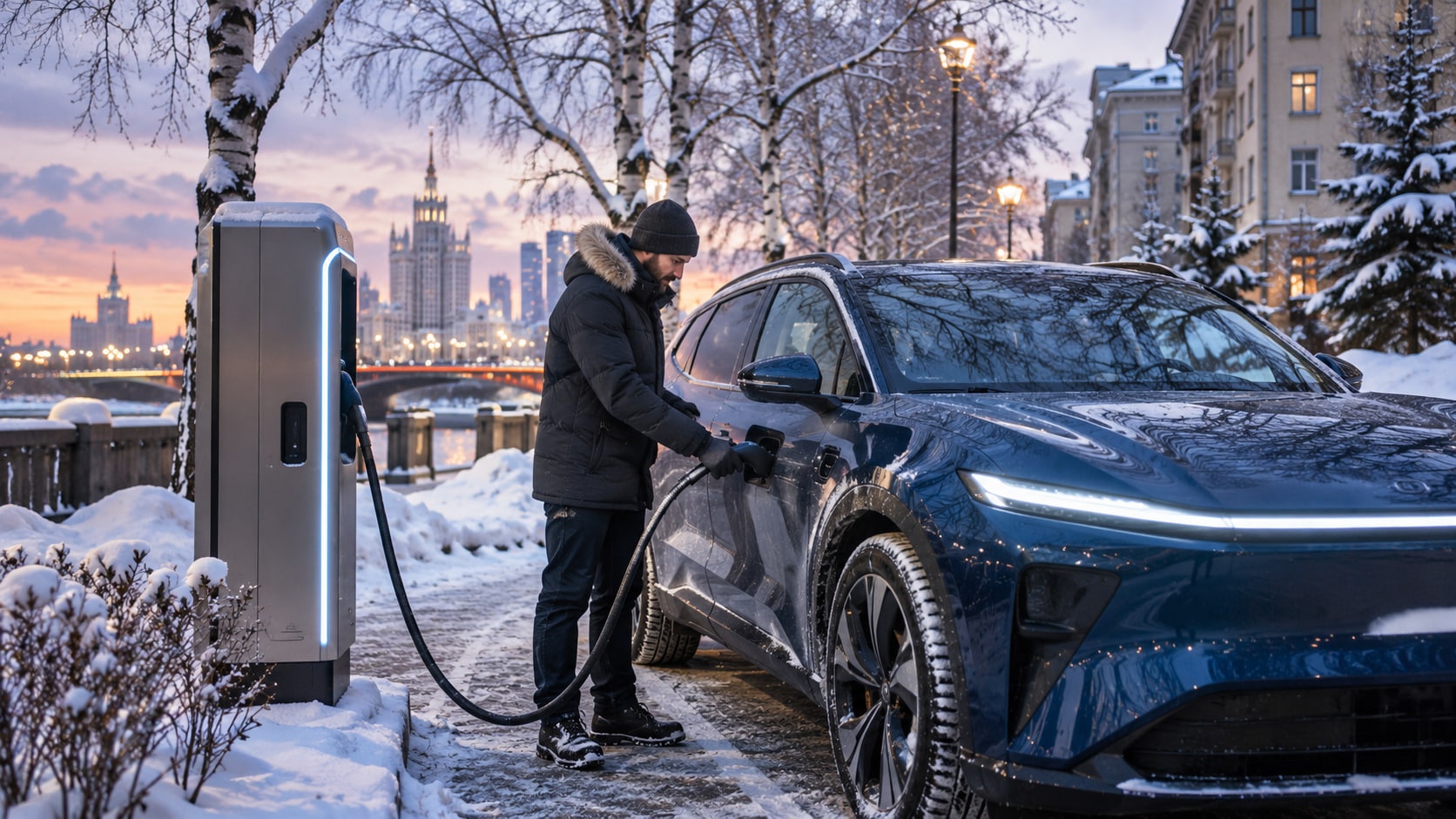
Electric Cars in Russia: How Climate, Charging Infrastructure, and Enthusiasts Are Shaping the EV Market

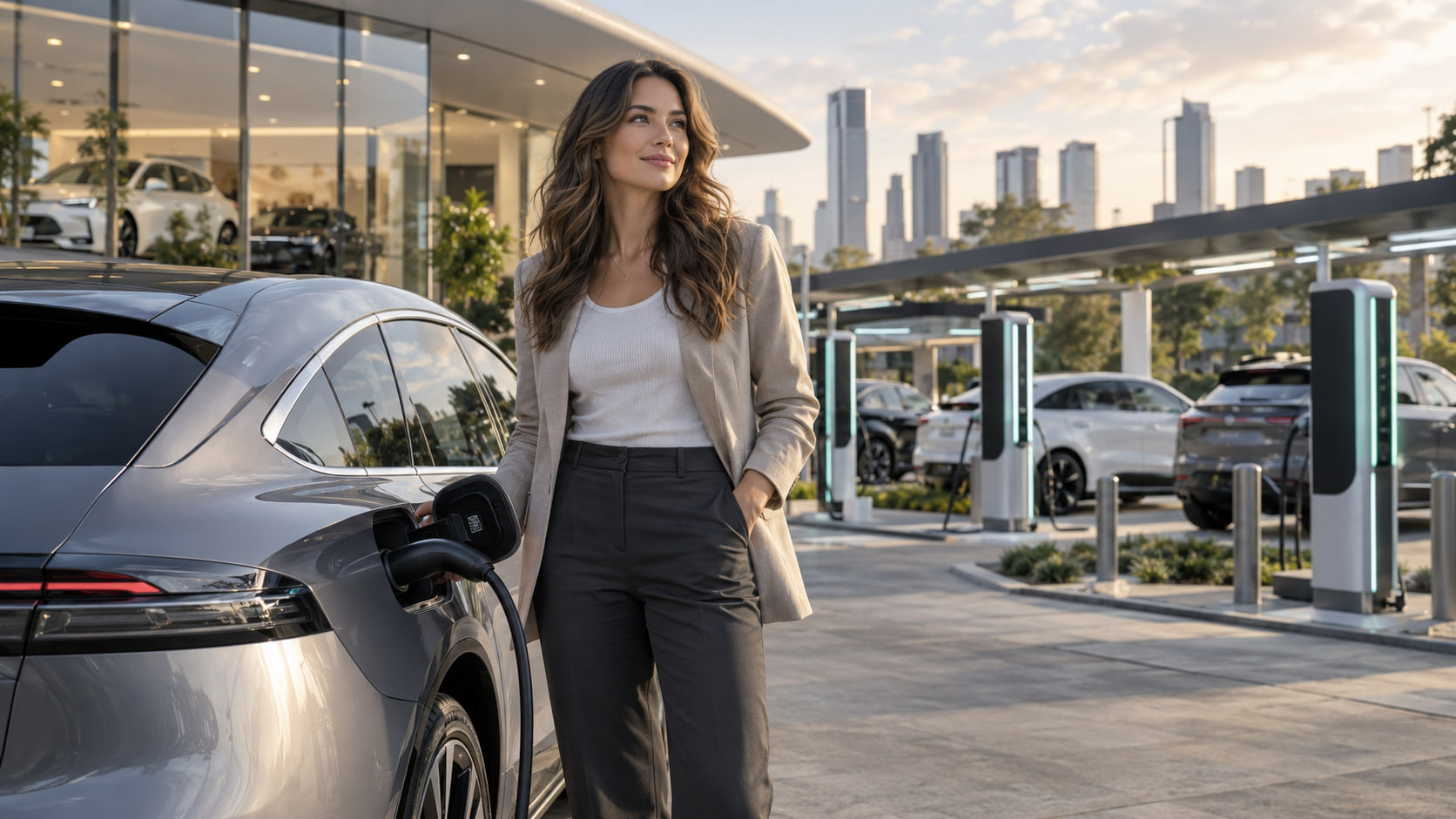
Electric cars in Russia face a combination of challenges that makes the country one of the most demanding markets for battery-powered transportation. Enormous geographical distances, exceptionally cold winters, uneven charging infrastructure, and relatively affordable conventional fuels influence how drivers evaluate electric vehicles. Nevertheless, interest in EV technology has continued to develop, supported by new models, expanding charging networks, local assembly projects, and experienced owner communities. What began largely as a niche market for imported vehicles is gradually becoming a more diverse part of the Russian automotive industry.
Electric Cars in the UAE and Saudi Arabia: Why Oil-Rich Nations Are Investing in EVs
Market Analysis EV Market Trends EV in the world

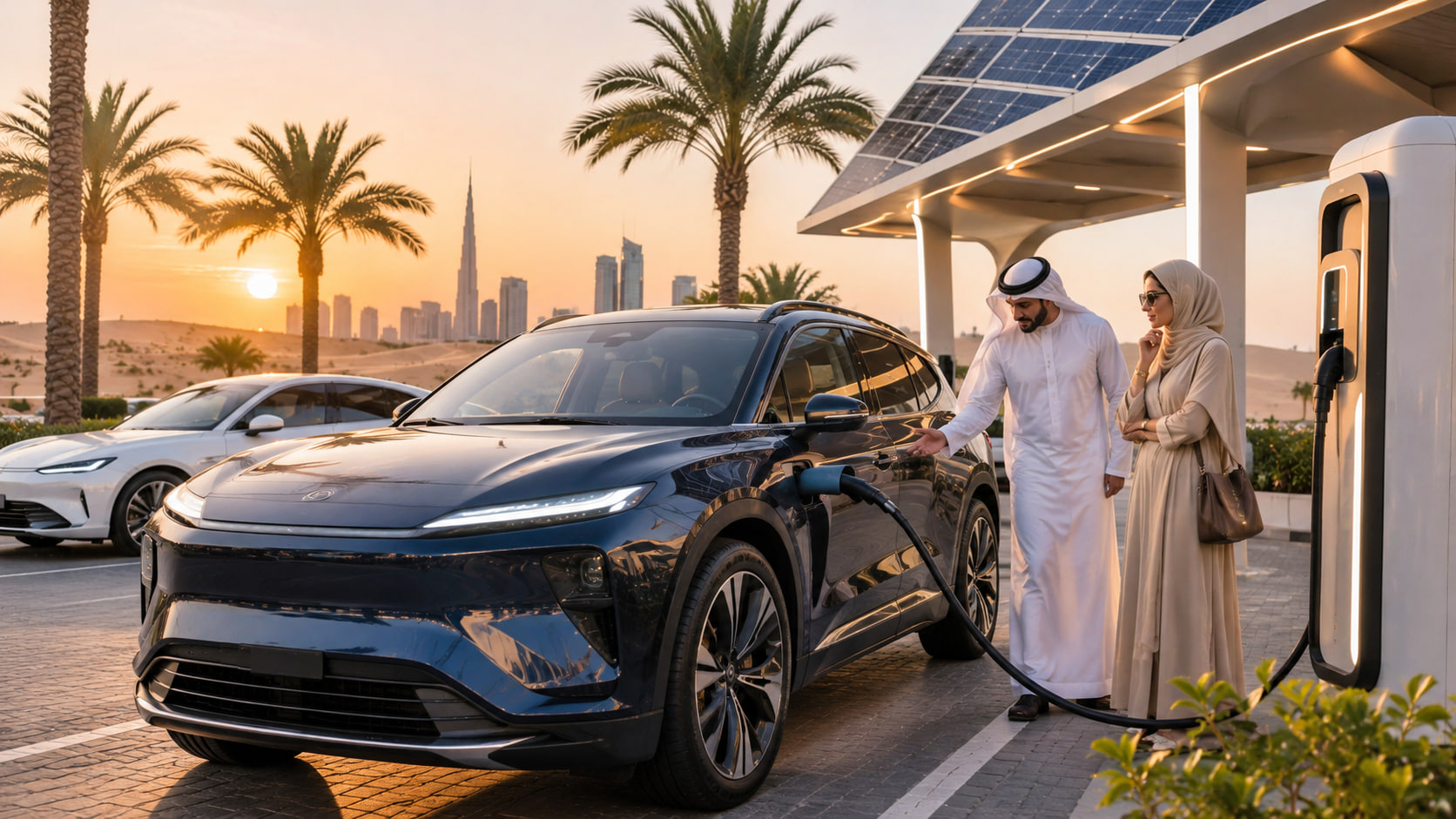
Electric Cars in the UAE and Saudi Arabia: Why Oil-Rich Nations Are Investing in EVs

The United Arab Emirates and Saudi Arabia are among the world's most influential oil-producing countries, yet both are investing in electric vehicles, charging infrastructure, and advanced automotive technology. At first glance, their growing interest in battery-powered transportation may seem contradictory because petroleum exports have contributed enormously to their economic development. However, electric mobility is becoming part of broader strategies involving industrial diversification, technological innovation, and the modernization of transportation. These ambitions demonstrate that even major oil exporters are preparing for changes in the global automotive industry.

Electric Vehicles: What Has Changed in the Industry Over the Past 10 Years?
Market Analysis EV in the world Sustainable EV Technologies

Electric Vehicles: What Has Changed in the Industry Over the Past 10 Years?

A decade ago, electric cars were still treated as an experiment by much of the automotive industry. In 2015, buyers had only a small selection of serious battery-electric vehicles, public charging remained limited, long-distance travel required careful planning, and most global manufacturers continued to build their strategies around gasoline and diesel engines.

Modular Electric Vehicles: A Car or a Constructor Set?
EV Interior and Aesthetics EV in the world Sustainable EV Technologies

Modular Electric Vehicles: A Car or a Constructor Set?

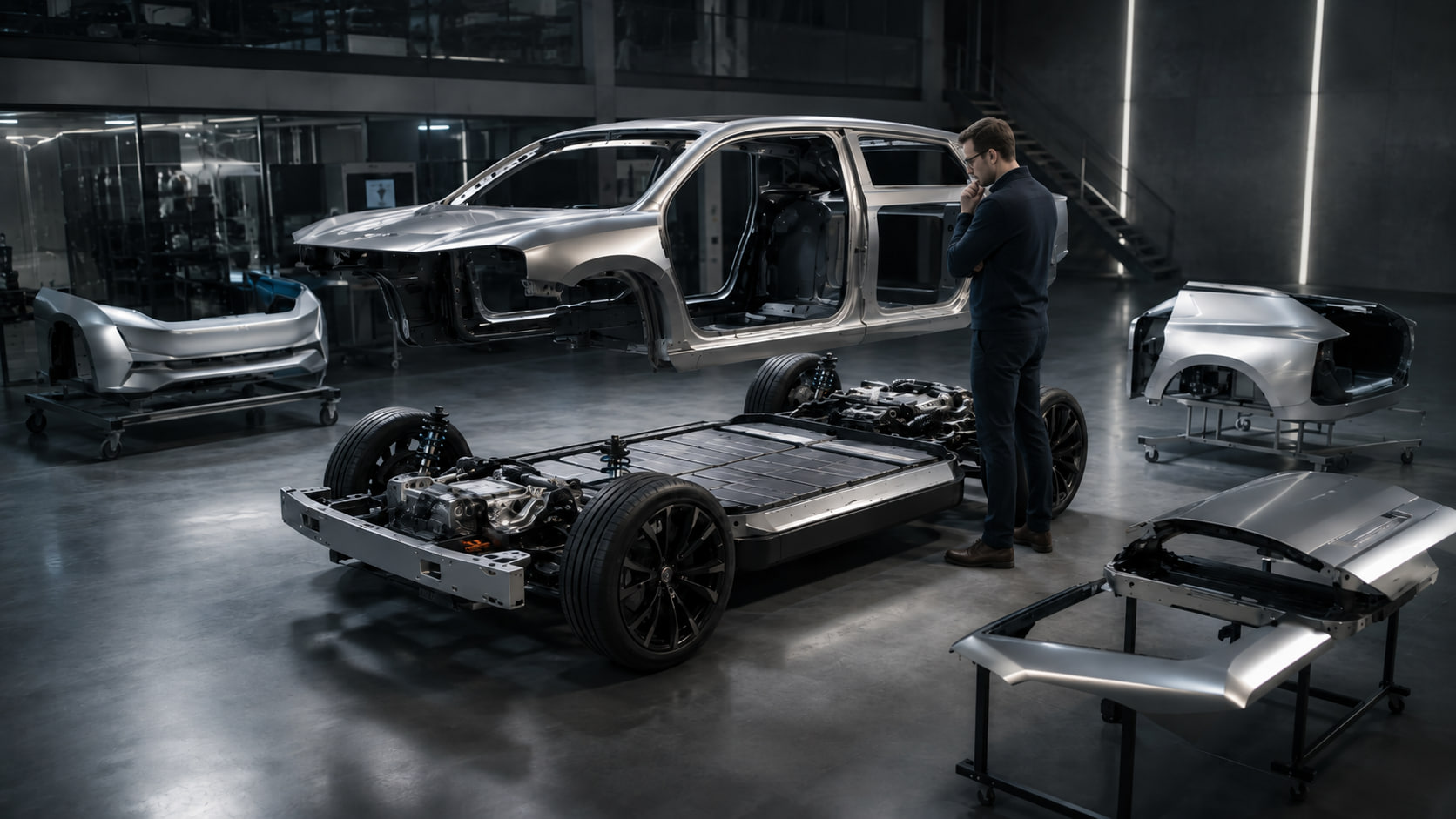
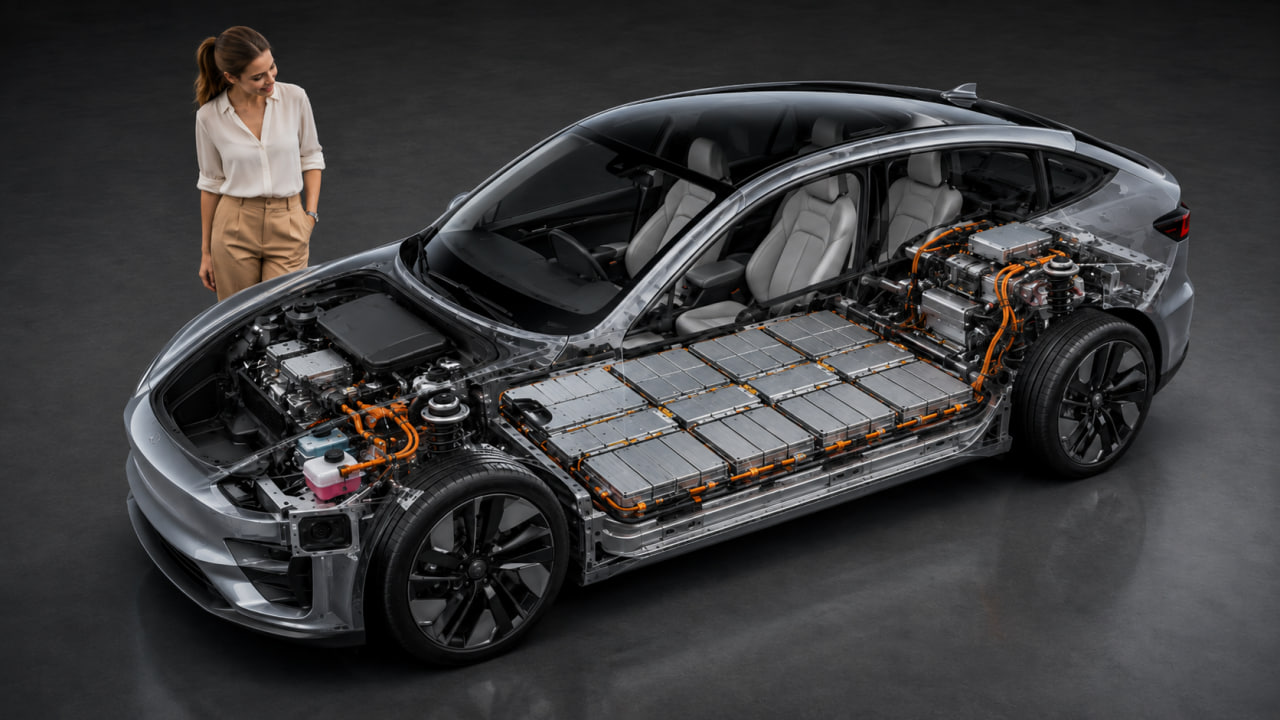
Electric vehicles are already changing the automobile at a mechanical level. The engine, transmission, exhaust system, fuel tank, and much of the traditional drivetrain disappear, leaving engineers with a much cleaner architecture: a battery under the floor, one or more compact electric motors, power electronics, suspension, steering, brakes, and a digital control system.

EV Interior and Infotainment Comparison: Which Automaker Delivers the Best Digital Experience?
Market Analysis EV Interior and Aesthetics Customer Engagement

EV Interior and Infotainment Comparison: Which Automaker Delivers the Best Digital Experience?

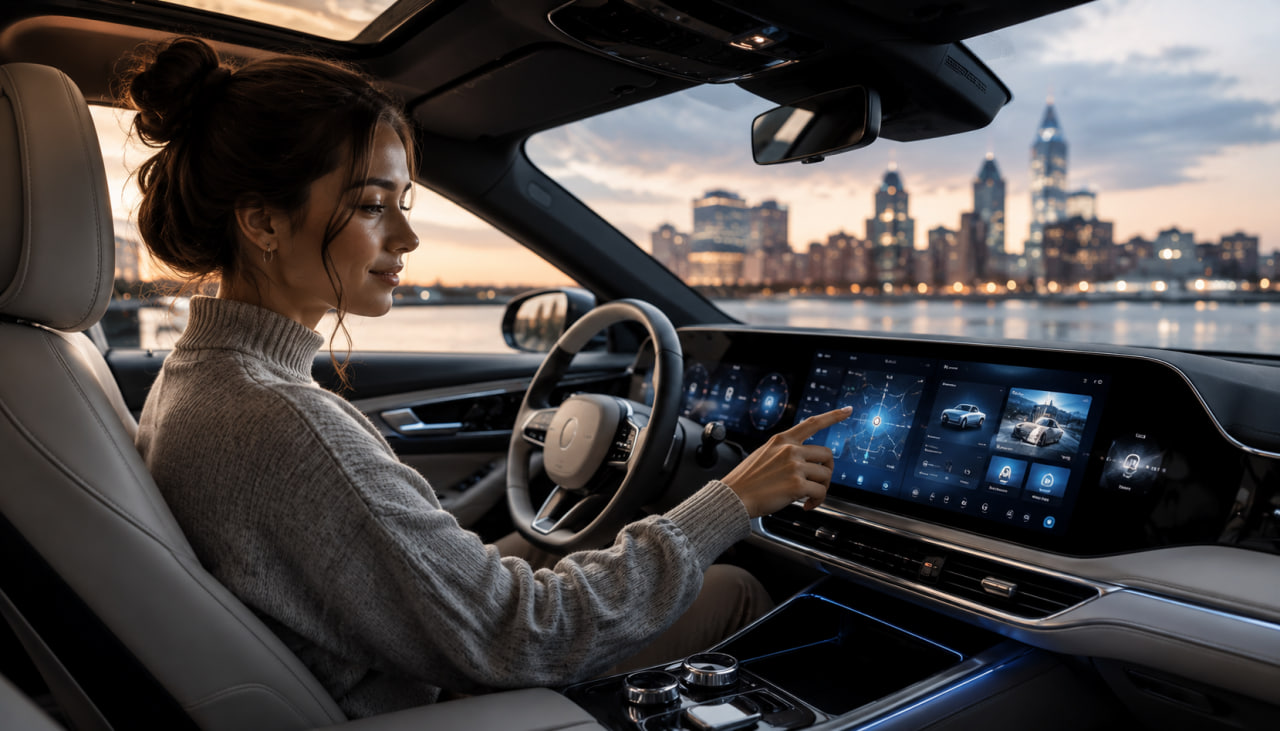
The modern electric vehicle is no longer defined solely by its battery capacity or driving range. As software becomes a central component of automotive innovation, the interior and infotainment system have become major factors influencing purchasing decisions. Large touchscreens, intelligent voice assistants, over-the-air updates, and AI-powered personalization are transforming vehicles into connected digital environments. Leading manufacturers are competing to deliver the most intuitive, immersive, and technologically advanced user experience. While performance and efficiency remain important, today's buyers increasingly expect their vehicle to function as seamlessly as a premium smartphone or tablet. This article compares the digital ecosystems offered by today's leading EV manufacturers and examines which brands provide the best overall user experience.

Which Electric Vehicle Is Best for a Family?
Smart Driving EV Market Trends Customer Engagement

Which Electric Vehicle Is Best for a Family?

The global electric vehicle market has matured rapidly over the past few years. What was once a niche segment focused on early adopters has evolved into a diverse marketplace offering family-friendly electric SUVs, crossovers, minivans, and sedans designed to meet the needs of everyday households. For families considering the transition to electric mobility, the decision involves more than simply choosing a vehicle with the longest range. Factors such as passenger space, safety, charging convenience, cargo capacity, reliability, operating costs, and future resale value all play critical roles. Fortunately, modern EVs are becoming increasingly practical for family life, offering benefits that extend beyond environmental sustainability. The best family electric vehicle is not necessarily the fastest or most expensive—it is the one that best fits a family's daily lifestyle and long-term needs.

Eco-Friendly Tires for Electric Vehicles: What Makes Them Different?
Smart Driving Market Analysis Bestsellers

Eco-Friendly Tires for Electric Vehicles: What Makes Them Different?

As electric vehicles continue gaining popularity worldwide, attention is increasingly shifting beyond batteries and charging infrastructure. One often overlooked but critically important component is the tire. Tires play a significant role in vehicle efficiency, safety, comfort, and environmental impact. In fact, the transition to electric mobility has created entirely new challenges for tire manufacturers. Electric vehicles are typically heavier, deliver instant torque, and place unique demands on tire performance. To address these challenges, manufacturers are developing eco-friendly tires specifically designed for EVs. These next-generation tires not only improve vehicle efficiency but also reduce environmental impact throughout their lifecycle. Today, sustainable tire technology is becoming an essential part of the broader movement toward greener transportation. The future of electric mobility depends not only on cleaner vehicles but also on cleaner components.