Innovations

Parking Carriers and Utility EV Robots: The Electric Machines Transforming Transportation
Innovations Smart Driving Future Of Transportation

Parking Carriers and Utility EV Robots: The Electric Machines Transforming Transportation

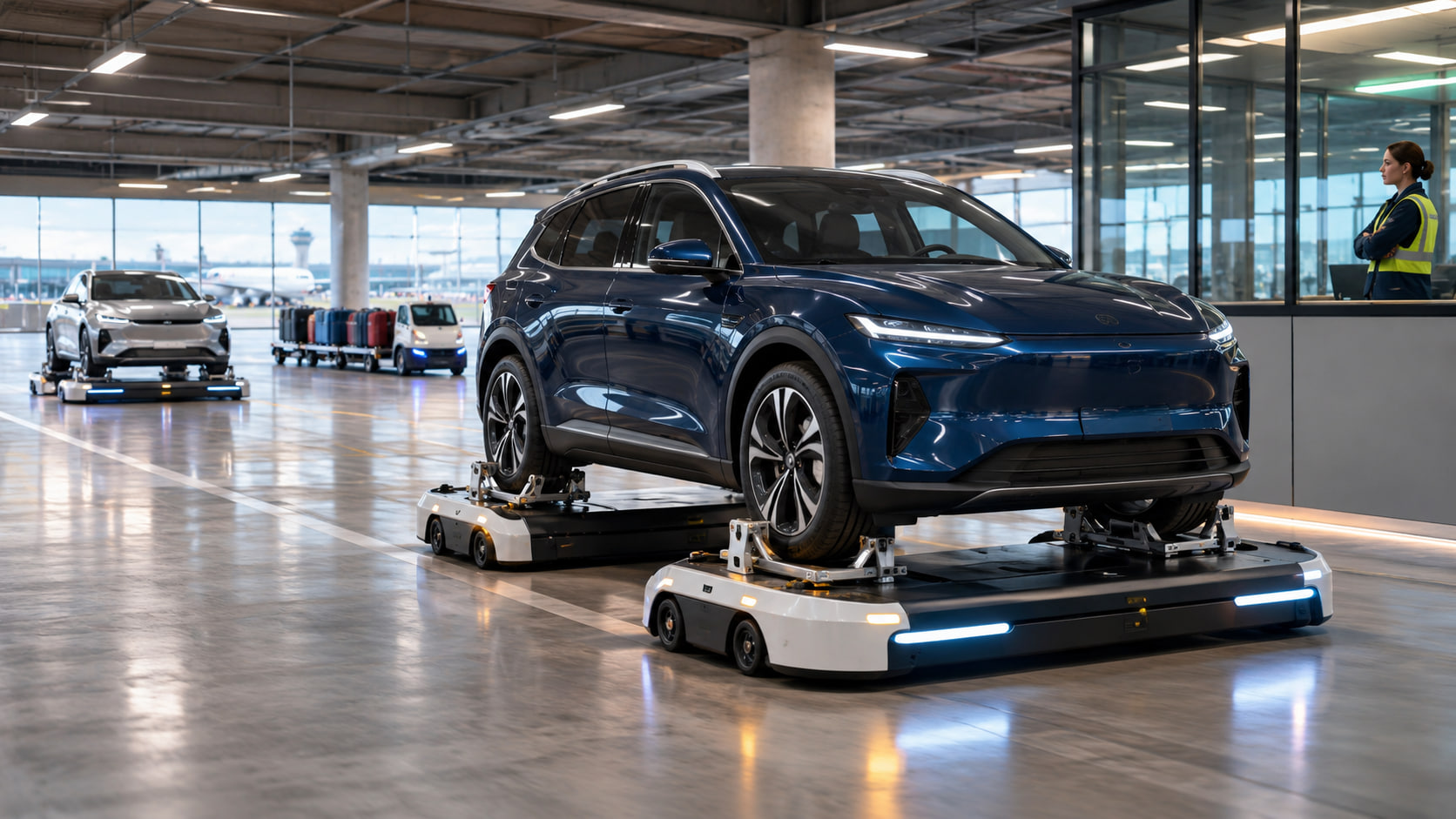
Electric vehicles are changing much more than personal transportation. Beyond electric cars, buses, and trucks, a growing category of specialized machines is beginning to automate tasks that previously required human drivers, conventional vehicles, or stationary industrial equipment. Autonomous parking carriers, robotic baggage transporters, electric yard tractors, and mobile delivery robots are bringing electric propulsion into increasingly specialized environments. Many of these machines are already operating in airports, logistics facilities, parking garages, and commercial buildings.
Space Electric Vehicles: How Mars Rovers and Lunar EVs Explore Other Worlds
Innovations Future Of Transportation EV Future

Space Electric Vehicles: How Mars Rovers and Lunar EVs Explore Other Worlds

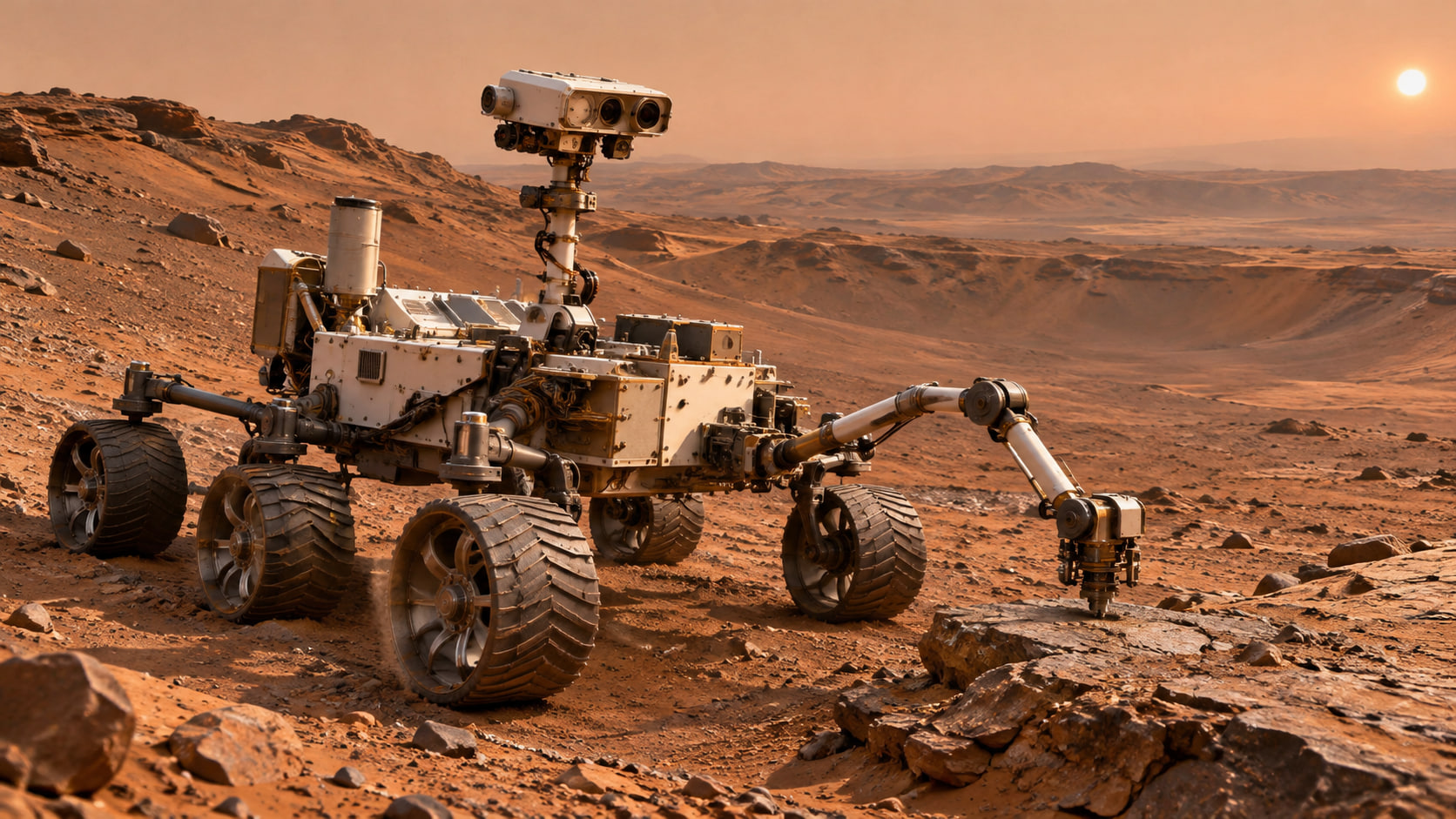
Electric vehicles are not limited to highways, city streets, and modern automotive technology. Some of the most extraordinary electric machines ever built are currently exploring the surface of Mars, while others have traveled across the Moon or are being developed for future planetary missions. These robotic explorers use electric motors, advanced batteries, intelligent navigation systems, and highly specialized suspension designs to operate in environments where conventional vehicles would be useless. Although their maximum speeds are extremely low compared with road-going electric cars, their engineering capabilities are remarkable.

Electric Vehicles in Emergency Services: Can EVs Handle Fire, Rescue, Ambulance, and Disaster Response?
Innovations Future Of Transportation Sustainable EV Technologies

Electric Vehicles in Emergency Services: Can EVs Handle Fire, Rescue, Ambulance, and Disaster Response?

Electric vehicles are rapidly moving beyond private cars and delivery vans. The next frontier is far more demanding: emergency services. Fire departments, ambulance fleets, police units, civil protection agencies, and disaster-response teams are beginning to test and deploy electric vehicles in roles where reliability is not simply convenient but potentially lifesaving.

Urban Microcar Concepts: The Future of Personal Transportation
Innovations Future Of Transportation Customer Engagement

Urban Microcar Concepts: The Future of Personal Transportation

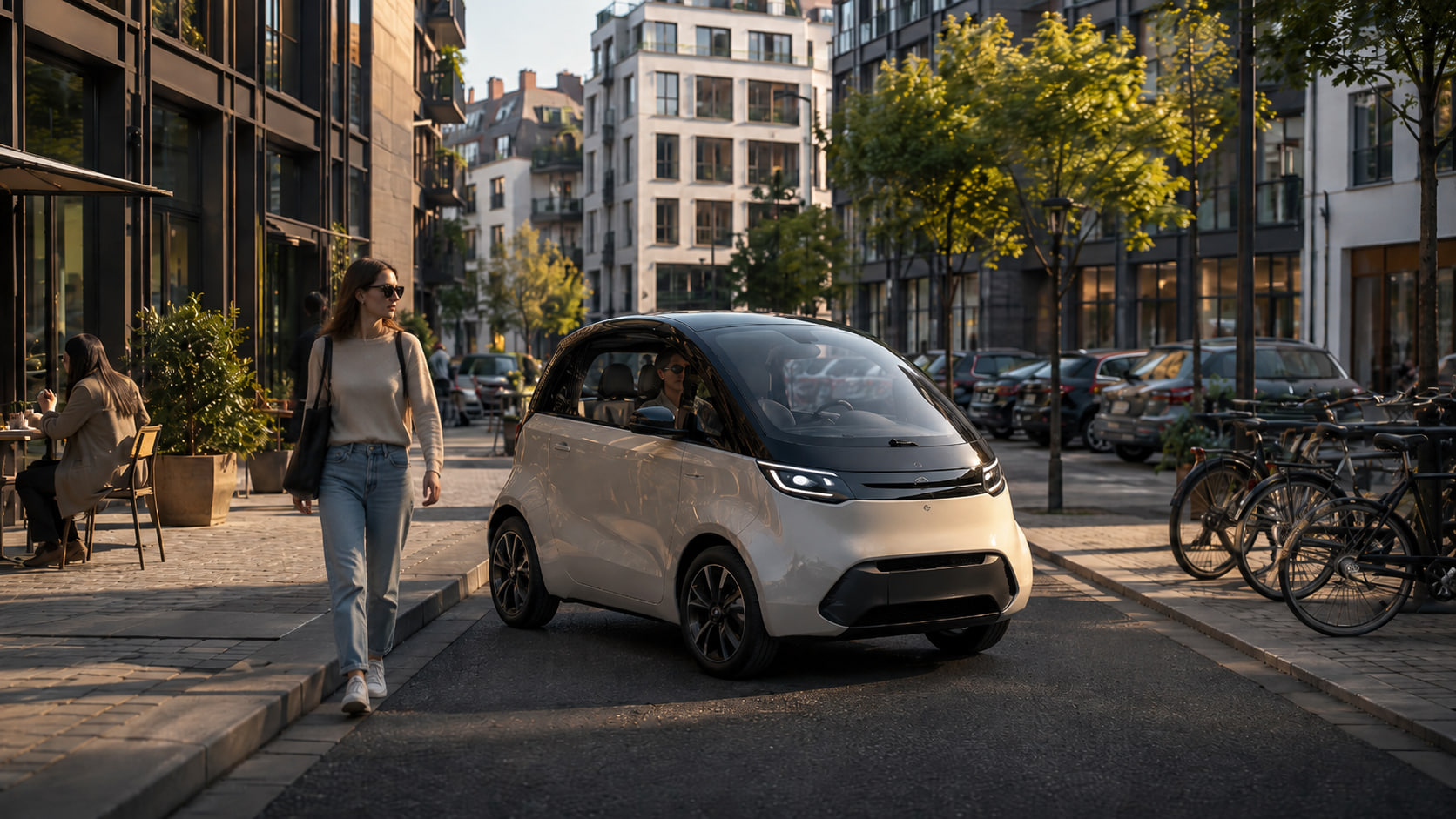
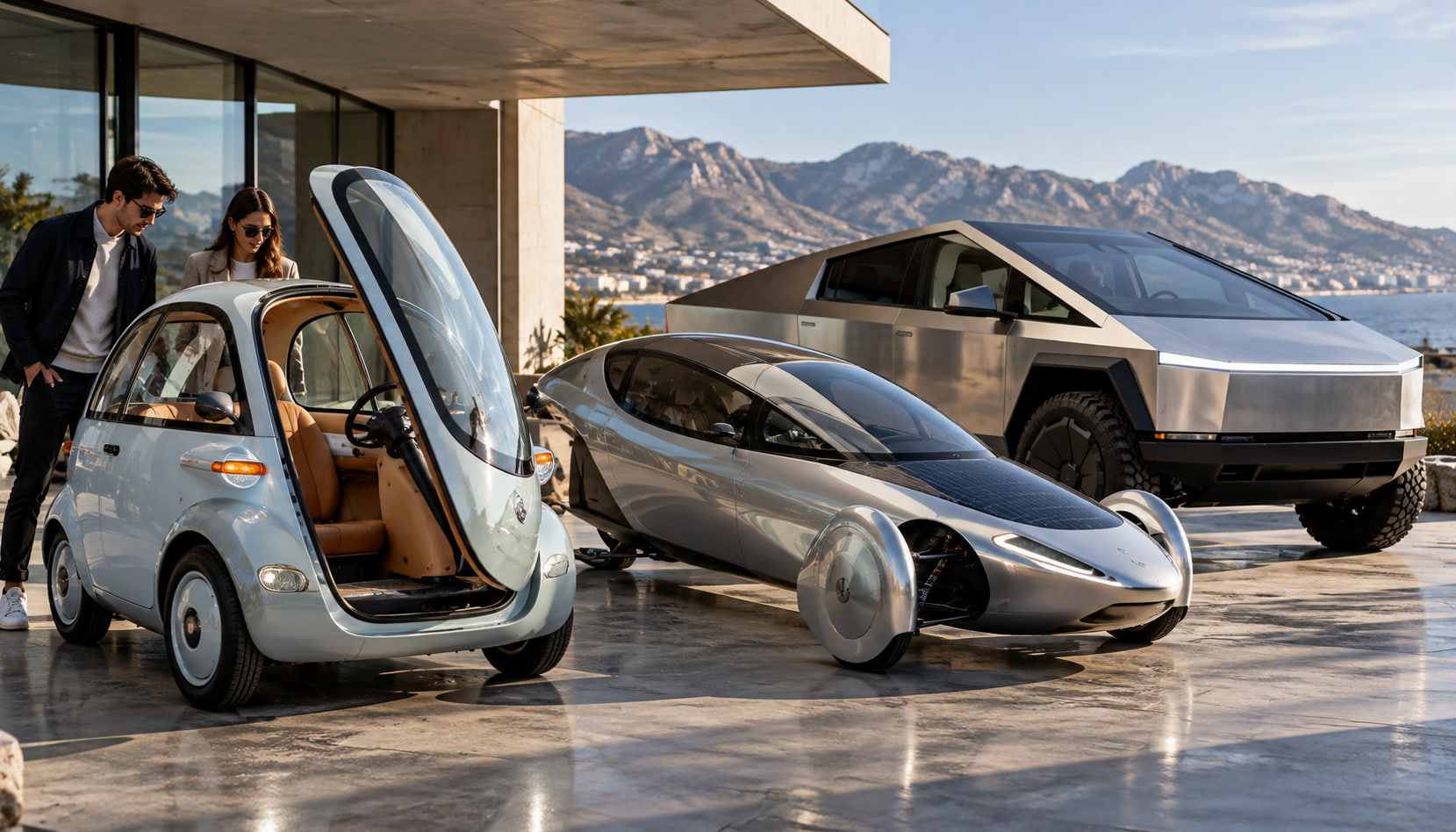
Cities were not designed for millions of large vehicles carrying one person at a time. Yet that is exactly how much urban transportation works today. A conventional car may weigh well over a ton, occupy several square meters of road space, and spend most of its life parked, even when its daily task is little more than moving one person a few miles through congested streets.

Driverless Electric Vehicles: How Autonomous EVs Work, Their Benefits, Risks, and Future
Innovations Future Of Transportation EV Future

Driverless Electric Vehicles: How Autonomous EVs Work, Their Benefits, Risks, and Future

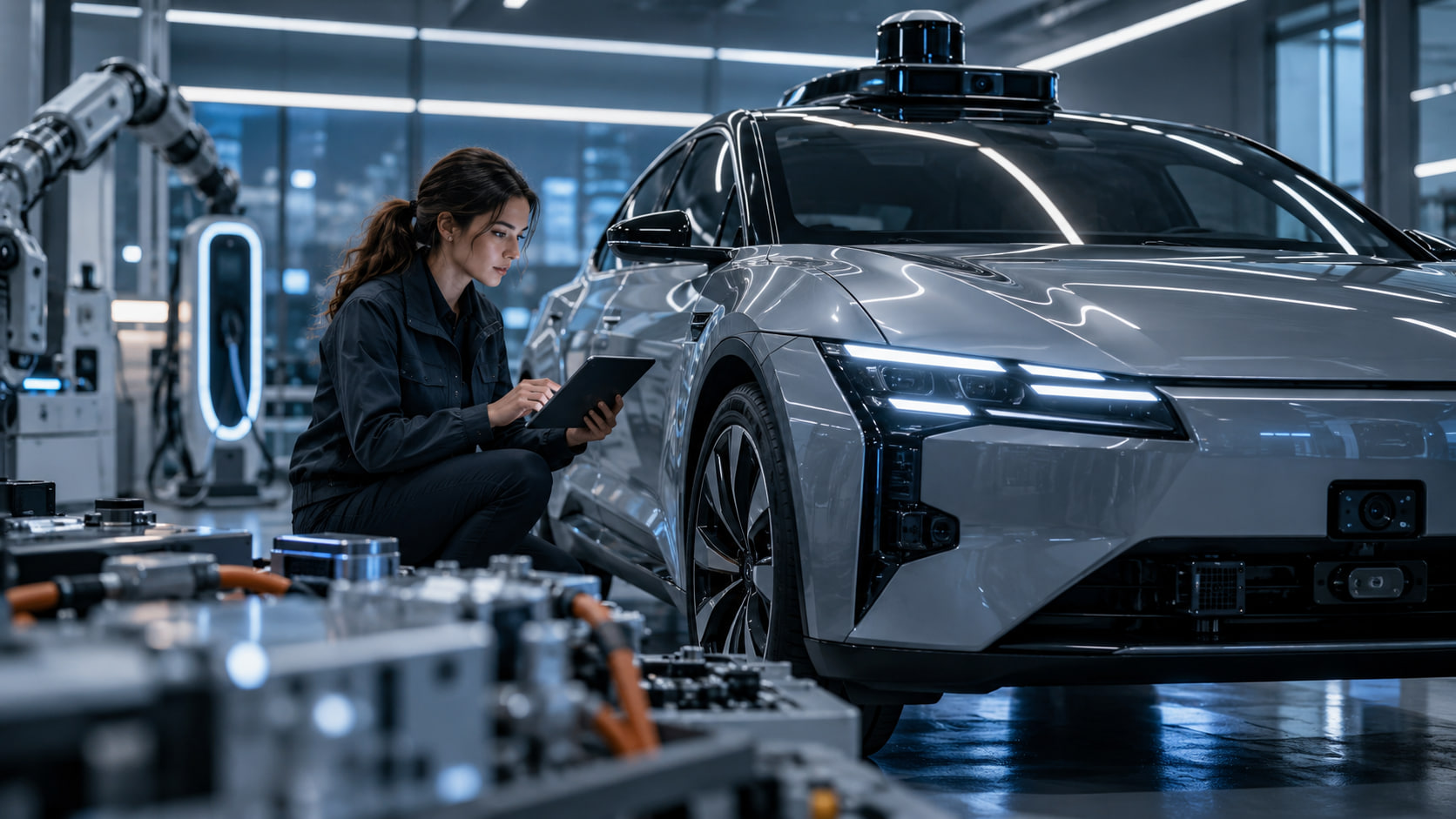
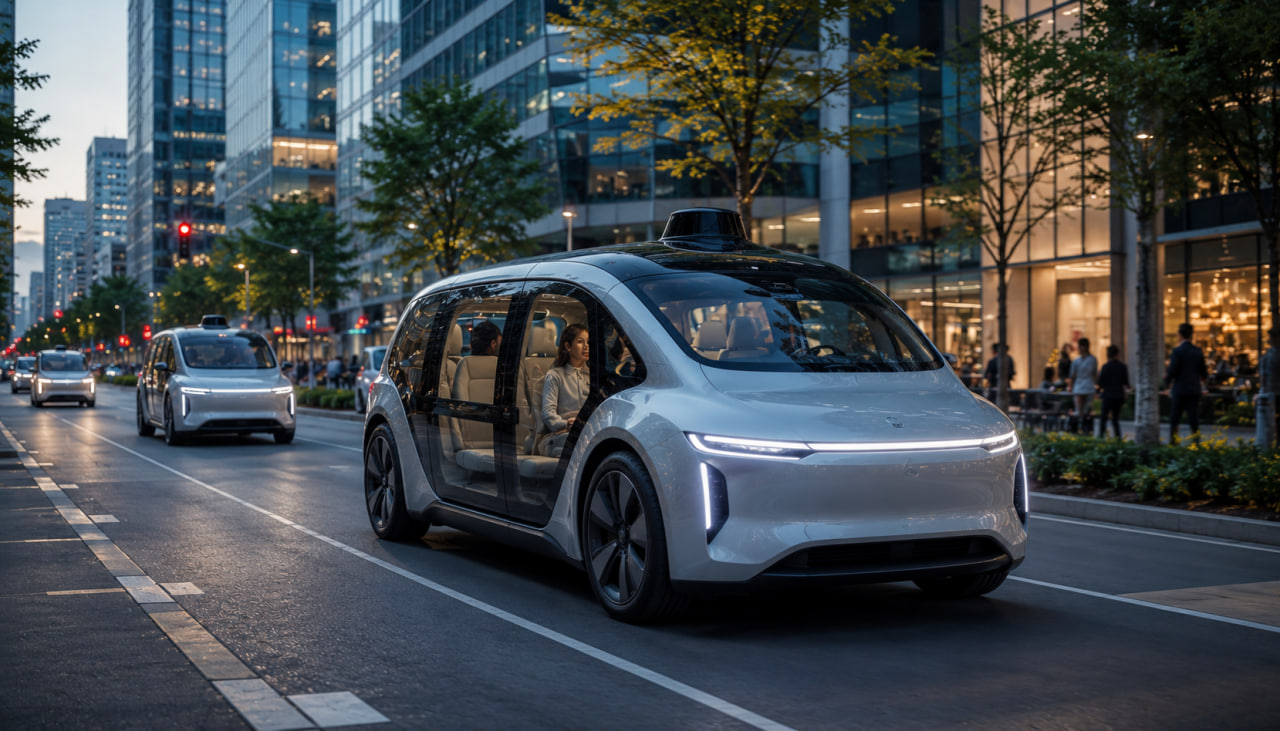
Driverless electric vehicles combine two of the automotive industry’s most disruptive technologies: battery-electric propulsion and automated driving. Instead of relying on a human driver and an internal-combustion engine, these vehicles use electric motors, rechargeable batteries, sensors, high-performance computers, and artificial intelligence to travel with limited or no human control.

Autopilot Systems in Electric Vehicles: How They Work and What the Future Holds
Innovations AI and Automation Smart Driving

Autopilot Systems in Electric Vehicles: How They Work and What the Future Holds

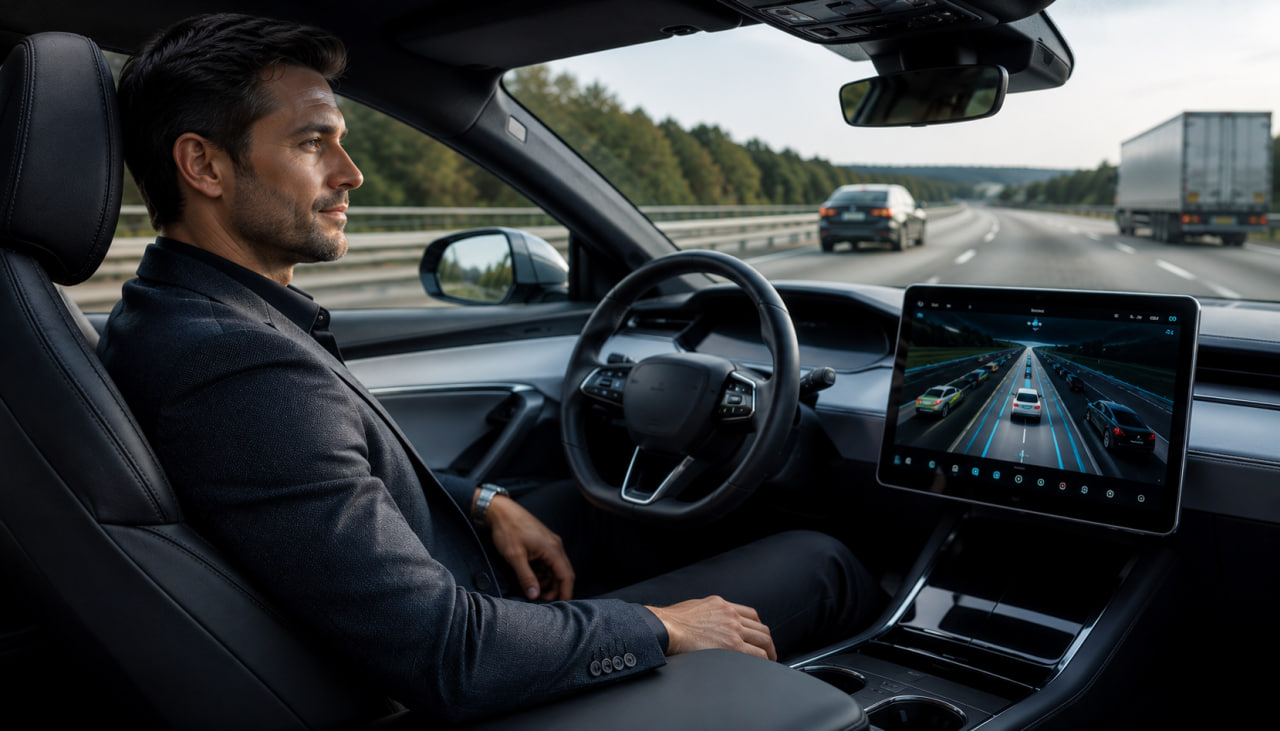
Autopilot technology has become one of the most fascinating innovations in the automotive industry. Once considered science fiction, advanced driver assistance systems are now available in many modern electric vehicles, helping drivers navigate highways, maintain lanes, avoid collisions, and even park automatically. The rise of electric vehicles has accelerated the development of autonomous driving technologies. Many EV manufacturers view software and automation as key competitive advantages, investing billions of dollars into creating safer, smarter, and increasingly autonomous transportation systems. However, despite impressive progress, there is still considerable confusion about what "autopilot" actually means, how these systems work, and how close society is to fully autonomous vehicles. Understanding the technology behind EV autopilot systems is essential for drivers, consumers, and anyone interested in the future of mobility. Modern autopilot systems are not fully autonomous drivers—they are highly advanced assistants designed to support human drivers.