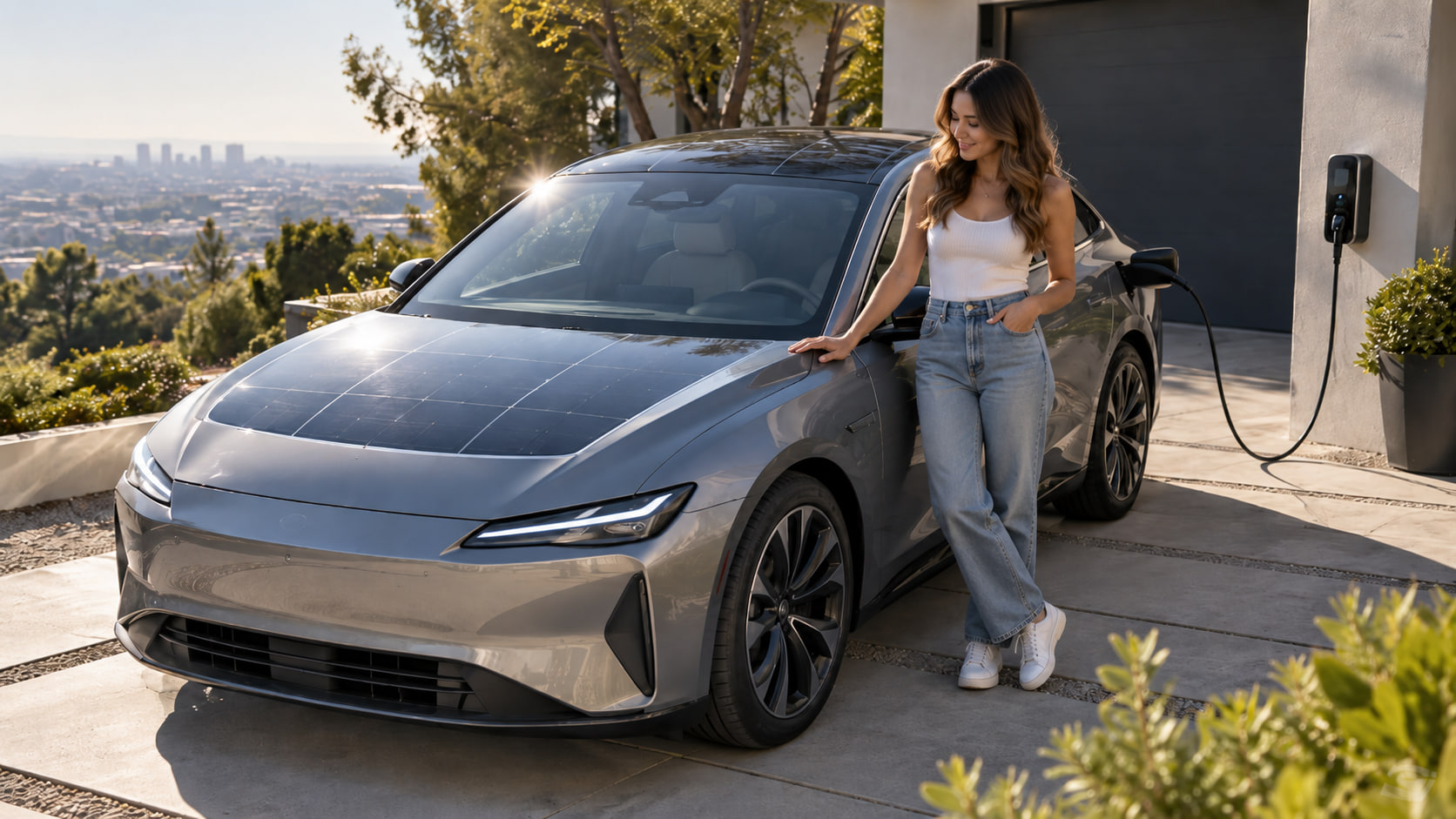
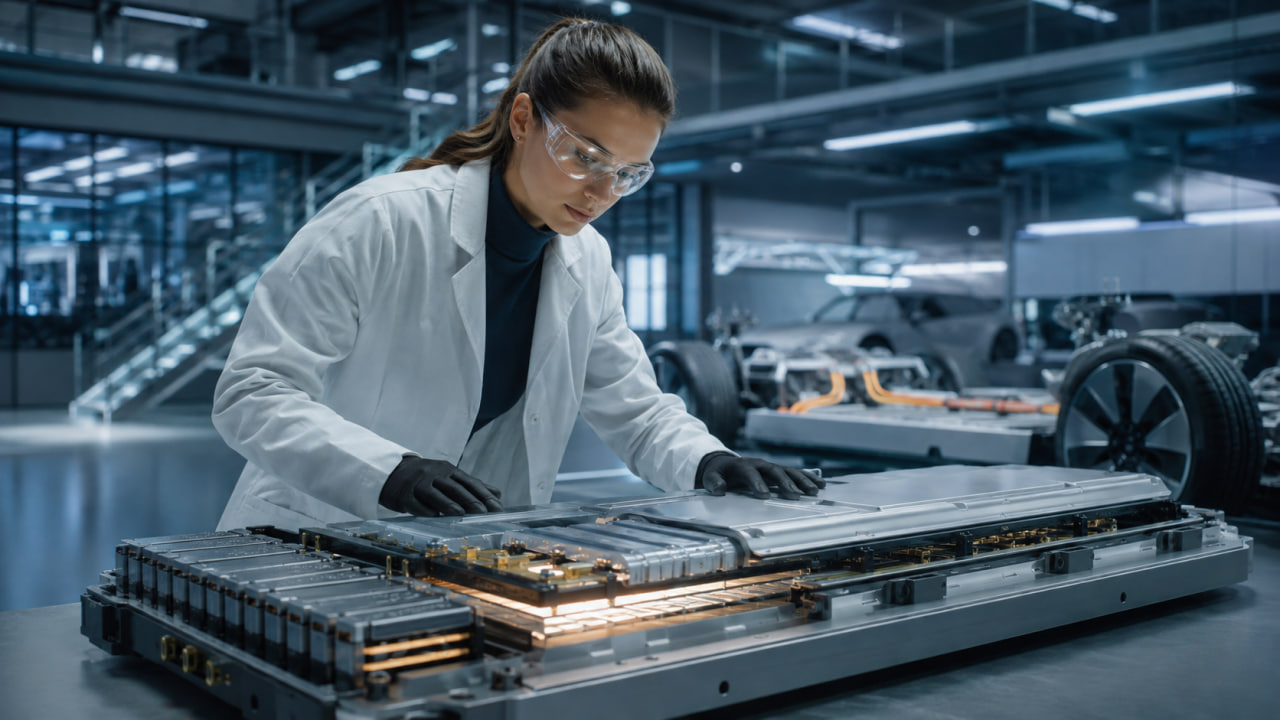
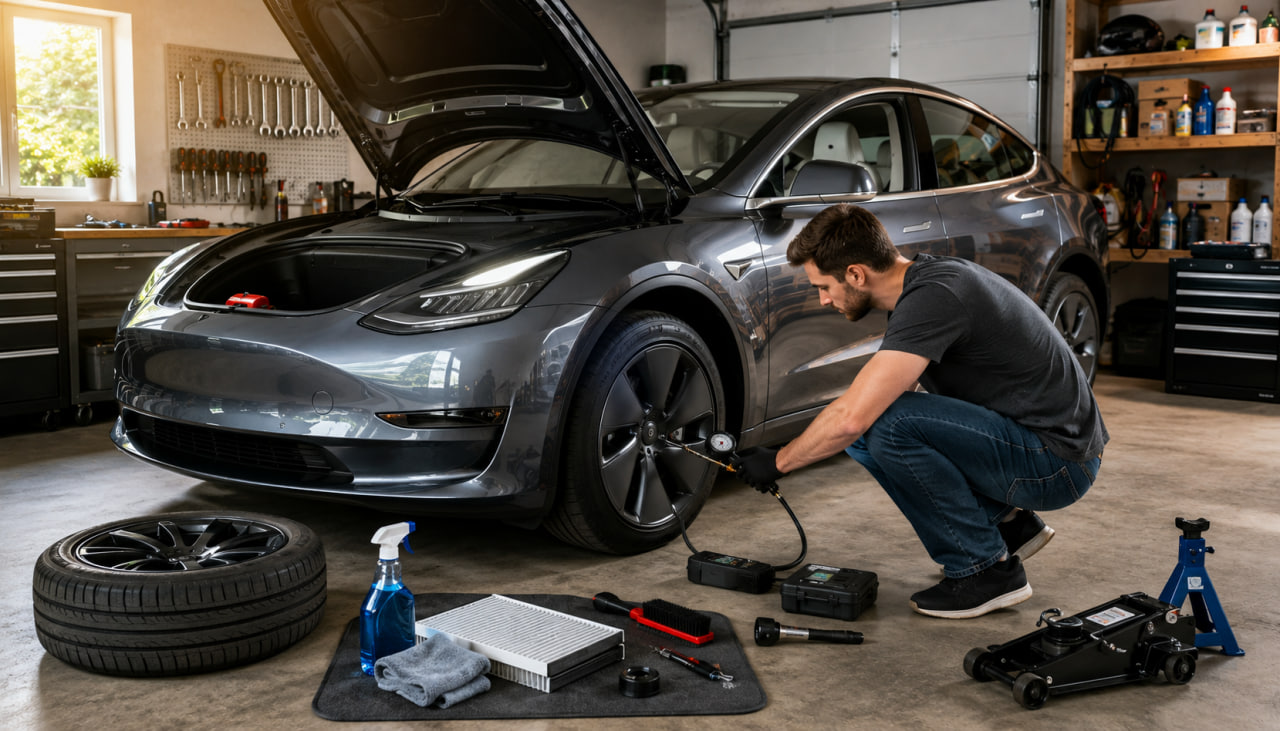
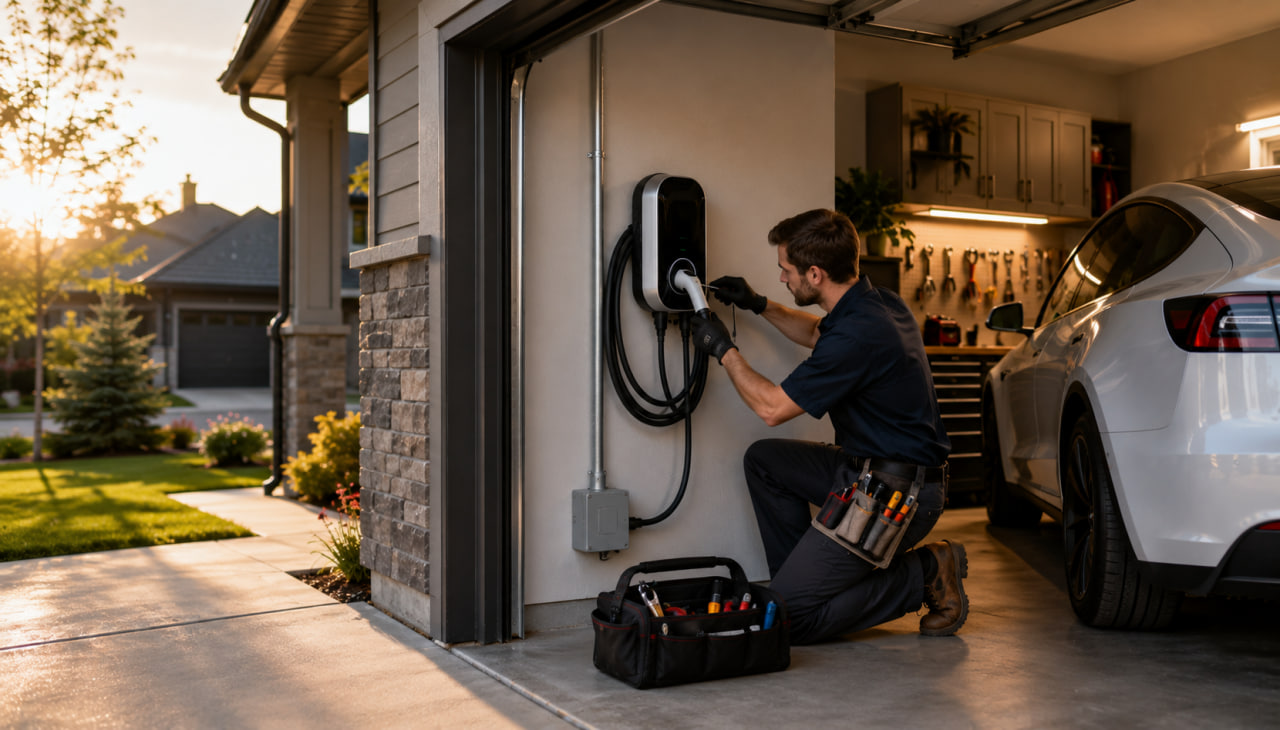
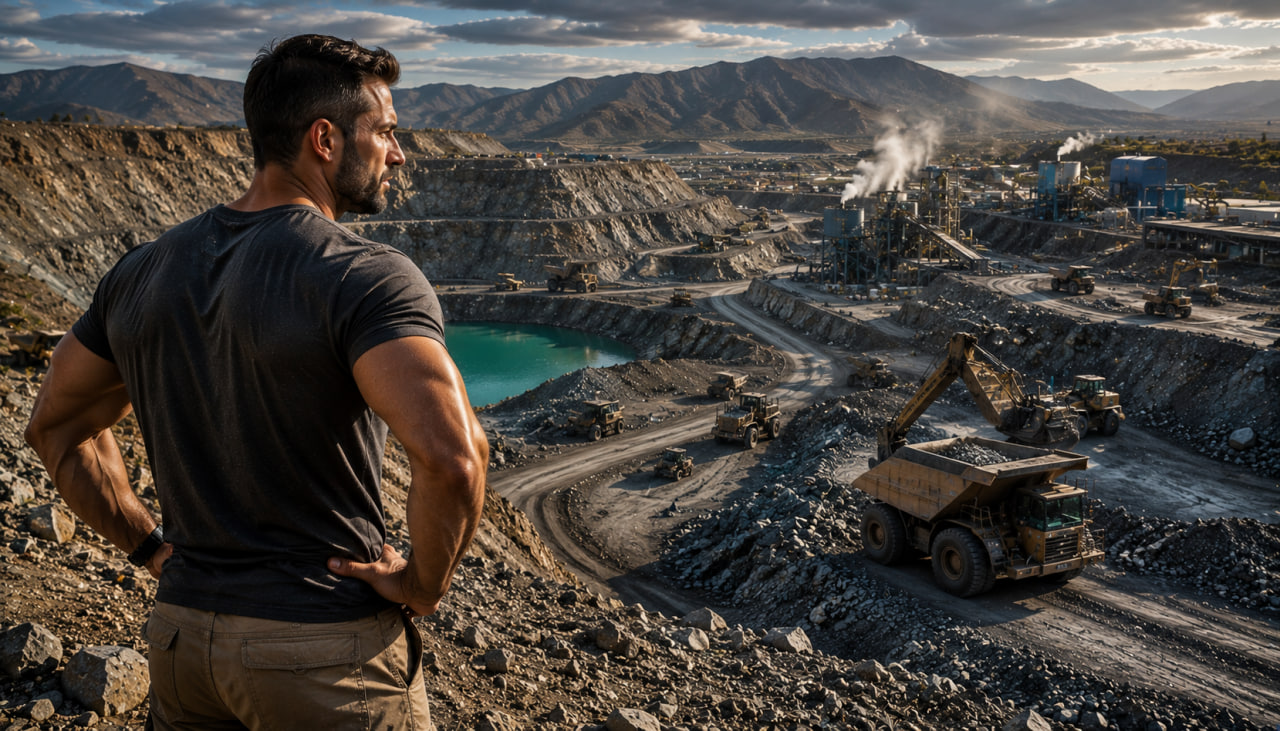
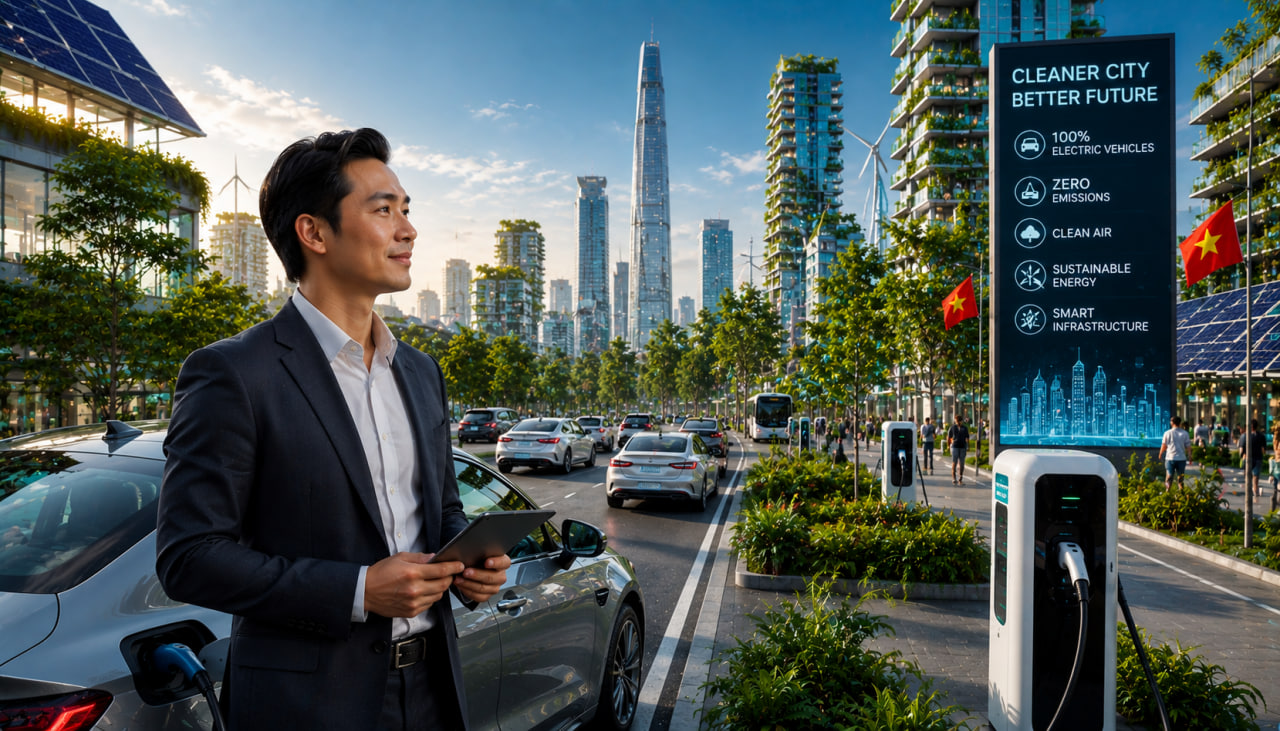
The rapid growth of electric vehicles is transforming global transportation. Governments, automakers, and consumers increasingly view EVs as a key solution for reducing greenhouse gas emissions and combating climate change. However, behind every electric vehicle lies a complex supply chain that depends on large quantities of raw materials. Lithium, nickel, cobalt, copper, graphite, and manganese are essential components of modern battery technology. As EV production expands, demand for these materials is rising dramatically. While electric vehicles help reduce emissions during operation, the extraction and processing of battery materials can create significant environmental challenges. Understanding these impacts is critical for building a truly sustainable transportation future. The debate is no longer simply about electric vehicles versus gasoline cars. Increasingly, the focus is on how battery materials are sourced, processed, recycled, and managed throughout their entire lifecycle.