Education in EVs

LFP vs. NCA in Tesla’s Lineup: Which Battery Fits Your Climate and Routes?
Education in EVs Energy Efficiency Sustainable EV Technologies

LFP vs. NCA in Tesla’s Lineup: Which Battery Fits Your Climate and Routes?

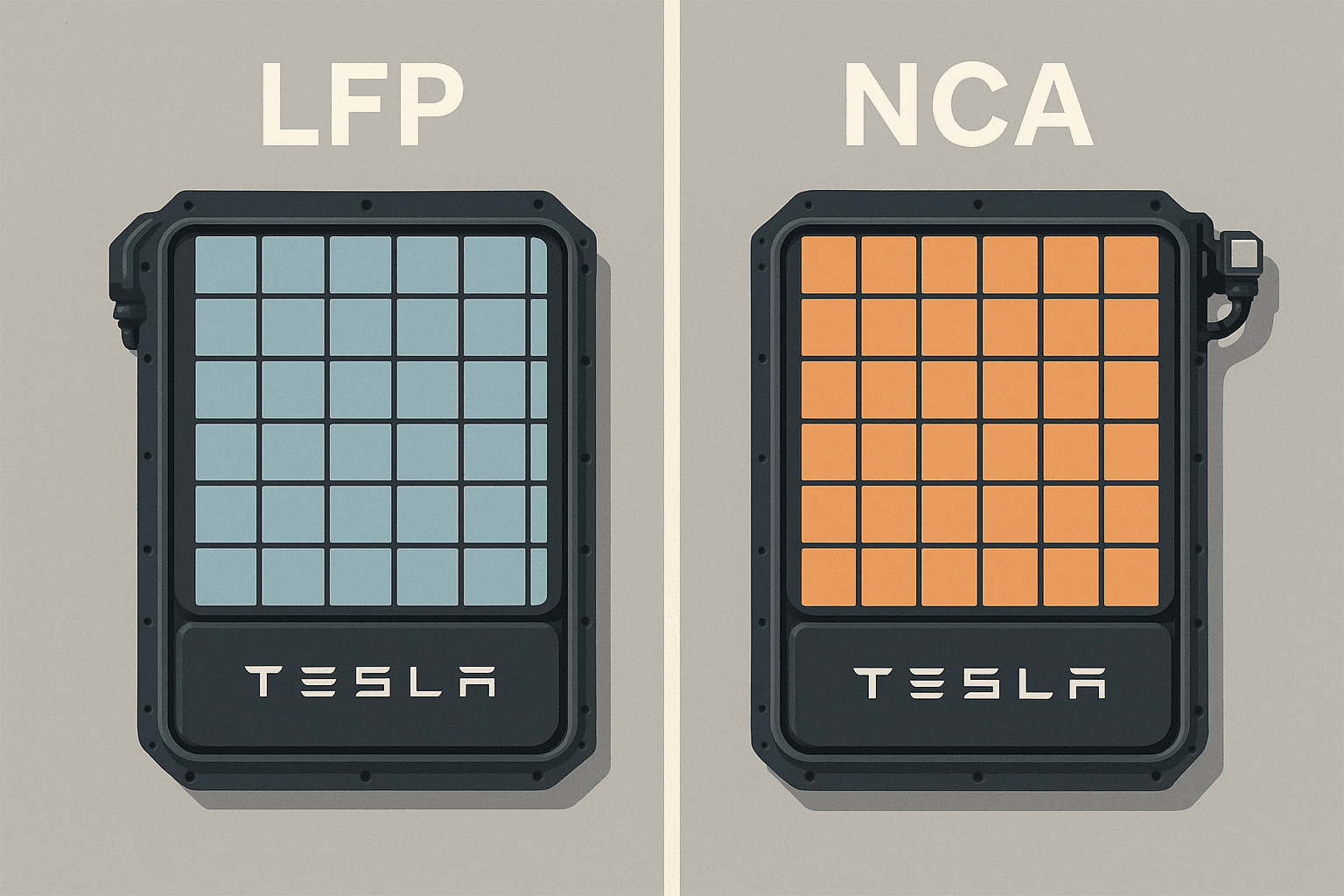
The quick take. Lithium-iron-phosphate (LFP) and nickel-cobalt-aluminum (NCA) cells both power Teslas—but they behave differently in cold, heat, fast charging, and long-term aging. If you live mild-to-warm and drive predictable daily miles, LFP shines for durability and price. If you face harsh winters, high performance, or frequent long motorway runs, NCA’s cold punch and energy density often win. Let’s map chemistry to real life. ⚡️
EV vs. Winter: How to Keep Your Range Without a Garage
Education in EVs Smart Charging EV in the world

EV vs. Winter: How to Keep Your Range Without a Garage

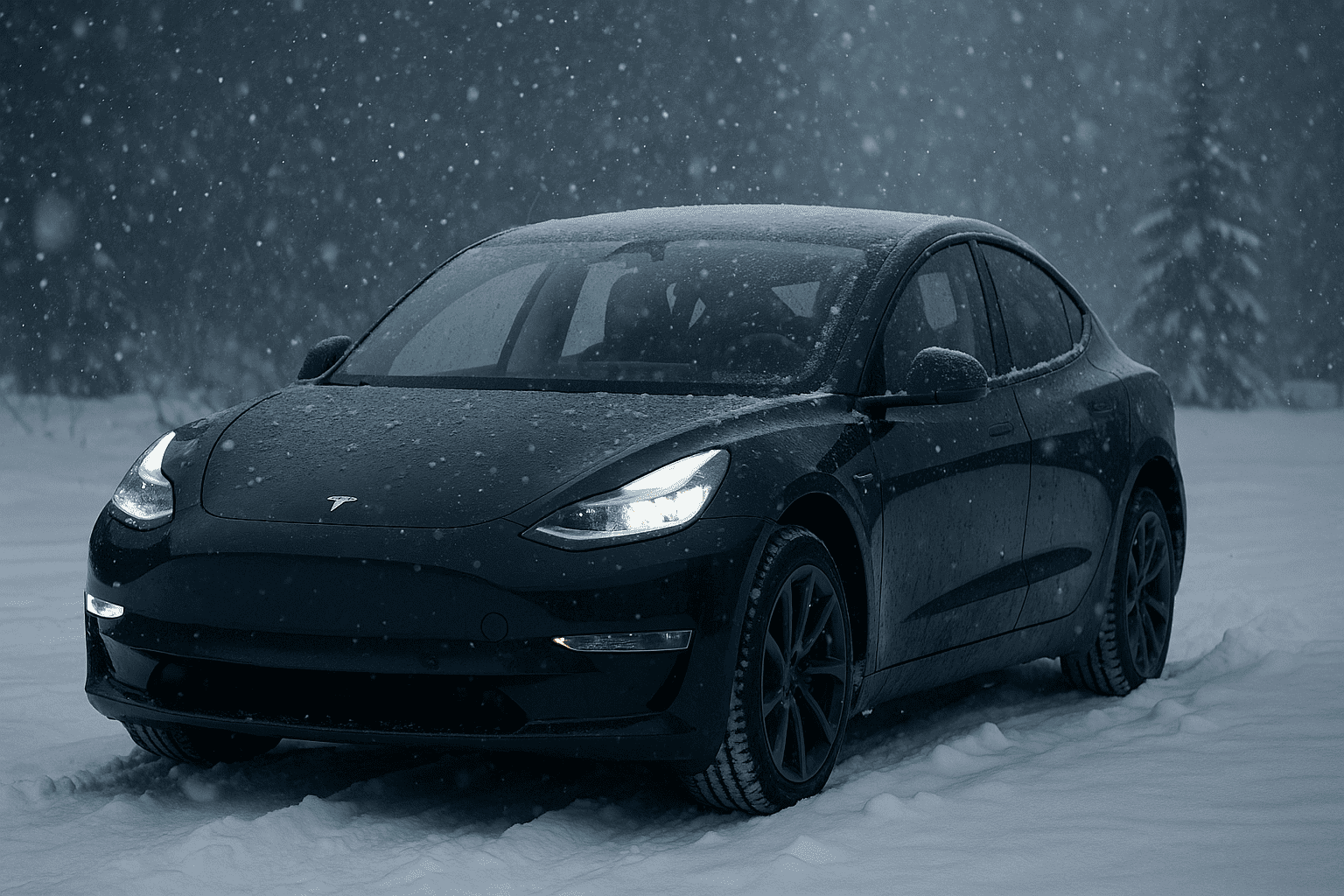
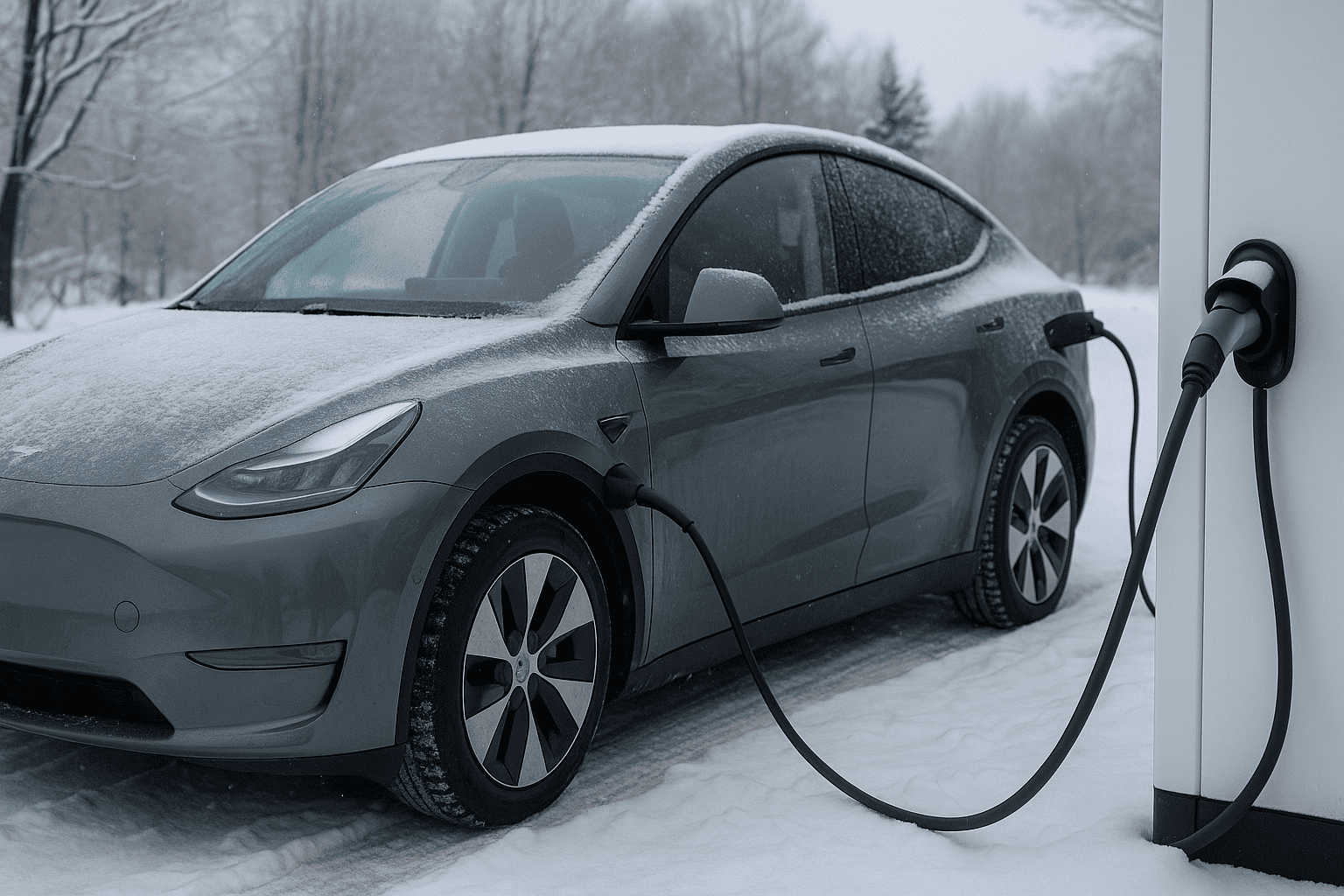
Cold weather doesn’t hate electric cars—it just hates batteries that aren’t warm yet. Without a garage, your pack starts closer to ambient, cabin heat must fight frosty glass, and rolling resistance climbs on cold tires and slushy roads. The good news: with smart timing, gentle tweaks to your setup, and a few winter-specific habits, you can keep most of your range and all of your peace of mind. ❄️⚡️

Micromobility Without Mayhem: Turning Scooters & E-Bikes into True ÖPNV Allies
Education in EVs EV in the world

Micromobility Without Mayhem: Turning Scooters & E-Bikes into True ÖPNV Allies

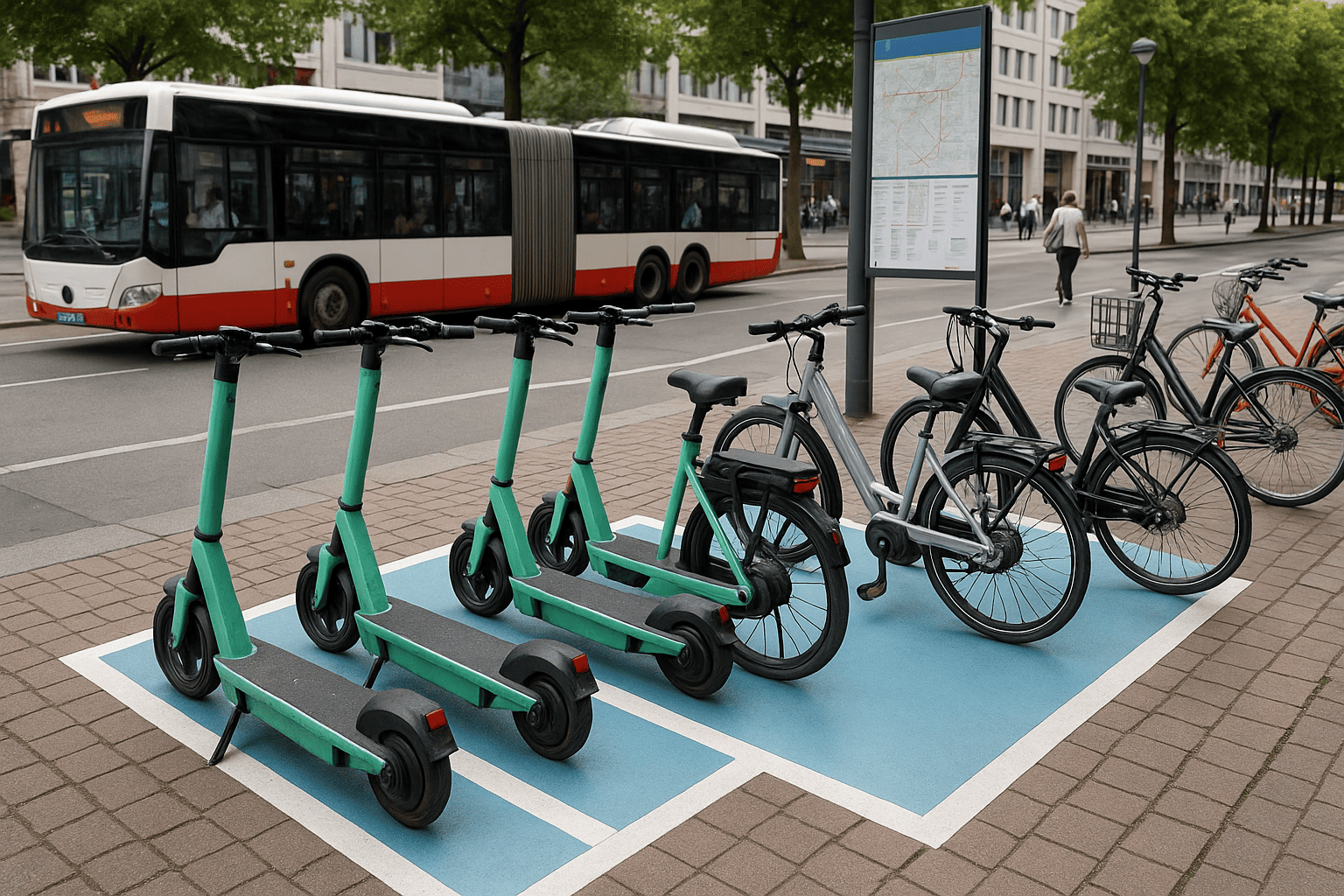
European cities don’t need more gadgets on the curb—they need cleaner, quicker first/last-mile trips that slot neatly into public transport (ÖPNV). Done right, shared scooters and e-bikes become the low-friction glue between bus, tram, and rail. Done wrong, they’re clutter and complaints. Here’s how to build a city playbook that keeps streets orderly, riders happy, and emissions falling. 🚲🛴

LMFP vs. LFP Batteries: Is Manganese Worth the Premium?
Innovations Education in EVs Sustainable EV Technologies

LMFP vs. LFP Batteries: Is Manganese Worth the Premium?

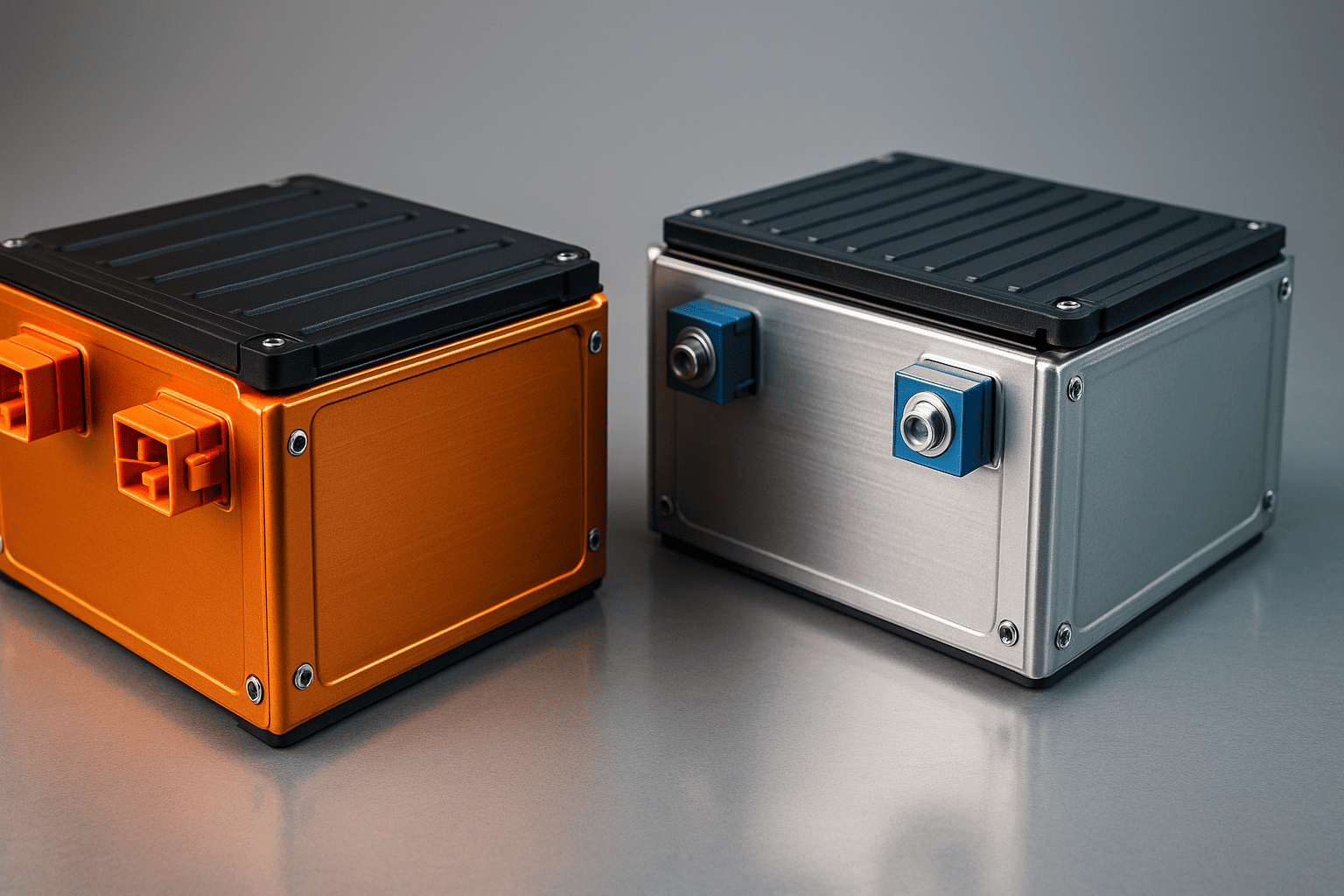
Lithium iron phosphate (LFP) has become the default chemistry for affordable, robust electric vehicles and energy storage. Its cousin, lithium manganese iron phosphate (LMFP), tweaks the olivine crystal by introducing manganese into the cathode. That small change promises higher energy density and better high-temperature behavior—at a cost. So, should you pay extra for LMFP? Let’s unpack the trade-offs with clear, real-world implications. 🔋

EV Cabin Design: How Losing the Tunnel and Firewall Rewrites Ergonomics
Innovations Education in EVs EV Interior and Aesthetics

EV Cabin Design: How Losing the Tunnel and Firewall Rewrites Ergonomics

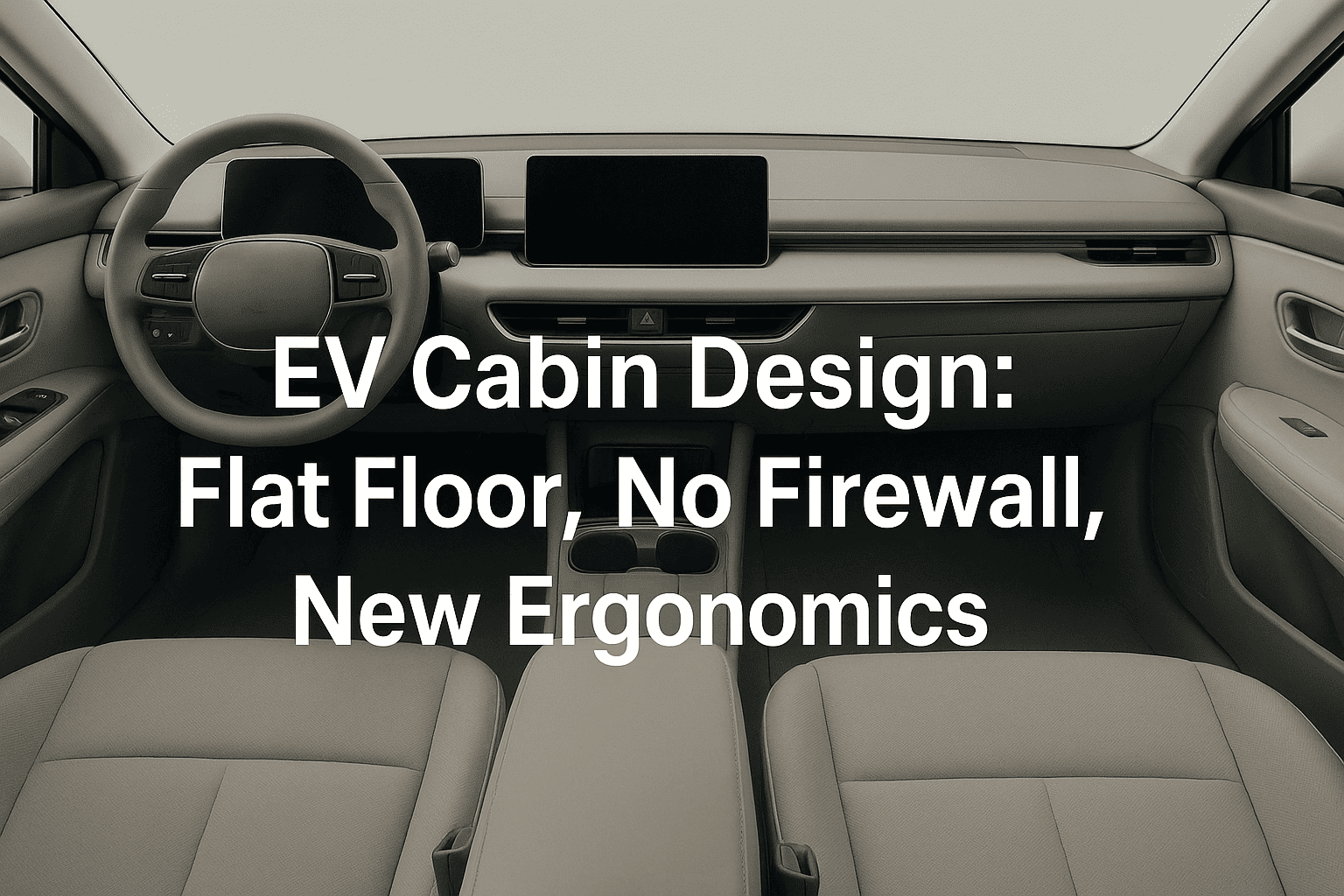
From ICE constraints to EV freedom: Electric skateboard platforms erase two sacred cows of combustion-era interiors—the central transmission tunnel and the bulky engine-side firewall. What’s left is a flatter floor, a shallower “toe board,” and far more flexible packaging. The ripple effects touch everything from seating geometry and storage to crash safety, HVAC routing, and UX. ⚙️⚡

Salt over Lithium: Where Sodium-Ion Batteries Make Sense in Passenger and Commercial EVs
Innovations Education in EVs Smart Charging

Salt over Lithium: Where Sodium-Ion Batteries Make Sense in Passenger and Commercial EVs

Sodium-ion (Na-ion) batteries are moving from lab curiosity to production reality, promising affordable, robust energy storage that eases pressure on lithium supply chains. While Na-ion won’t dethrone today’s lithium-ion champions in every segment, it can unlock compelling value in specific use cases across passenger cars and commercial fleets. This article maps where sodium-ion fits, where it doesn’t, and how automakers can integrate it without reinventing the whole vehicle platform.

FSD/Autopilot in Europe: What Really Works—and Where the Limits Are
Innovations Smart Driving Market Analysis

FSD/Autopilot in Europe: What Really Works—and Where the Limits Are

Tesla’s driver-assistance stack is often discussed as if it were the same everywhere, but Europe is a very different proving ground from North America. Between UNECE rules, national traffic laws, and stringent safety expectations, features that feel hands-off across the Atlantic are deliberately more supervised here. This deep dive clarifies what Tesla’s Autopilot and FSD features actually do in Europe today, why some capabilities are constrained, and how to get the best, safest experience on European roads.

One-Pedal Driving: Tesla Regeneration and Real-World Brake Wear
Smart Driving Education in EVs Costs

One-Pedal Driving: Tesla Regeneration and Real-World Brake Wear

One-pedal driving is one of the signature EV experiences, and Tesla’s strong regenerative braking (regen) makes it especially compelling. Press to go, lift to slow—simple in concept, but rich in physics, software, and maintenance implications. This deep dive explains how Tesla’s regen works, what it means for efficiency and safety, how it affects brake wear, and the habits that keep your system healthy in all seasons.