Sustainable EV Technologies

Electric Cars in Russia: How Climate, Charging Infrastructure, and Enthusiasts Are Shaping the EV Market
Market Analysis EV in the world Sustainable EV Technologies

Electric Cars in Russia: How Climate, Charging Infrastructure, and Enthusiasts Are Shaping the EV Market

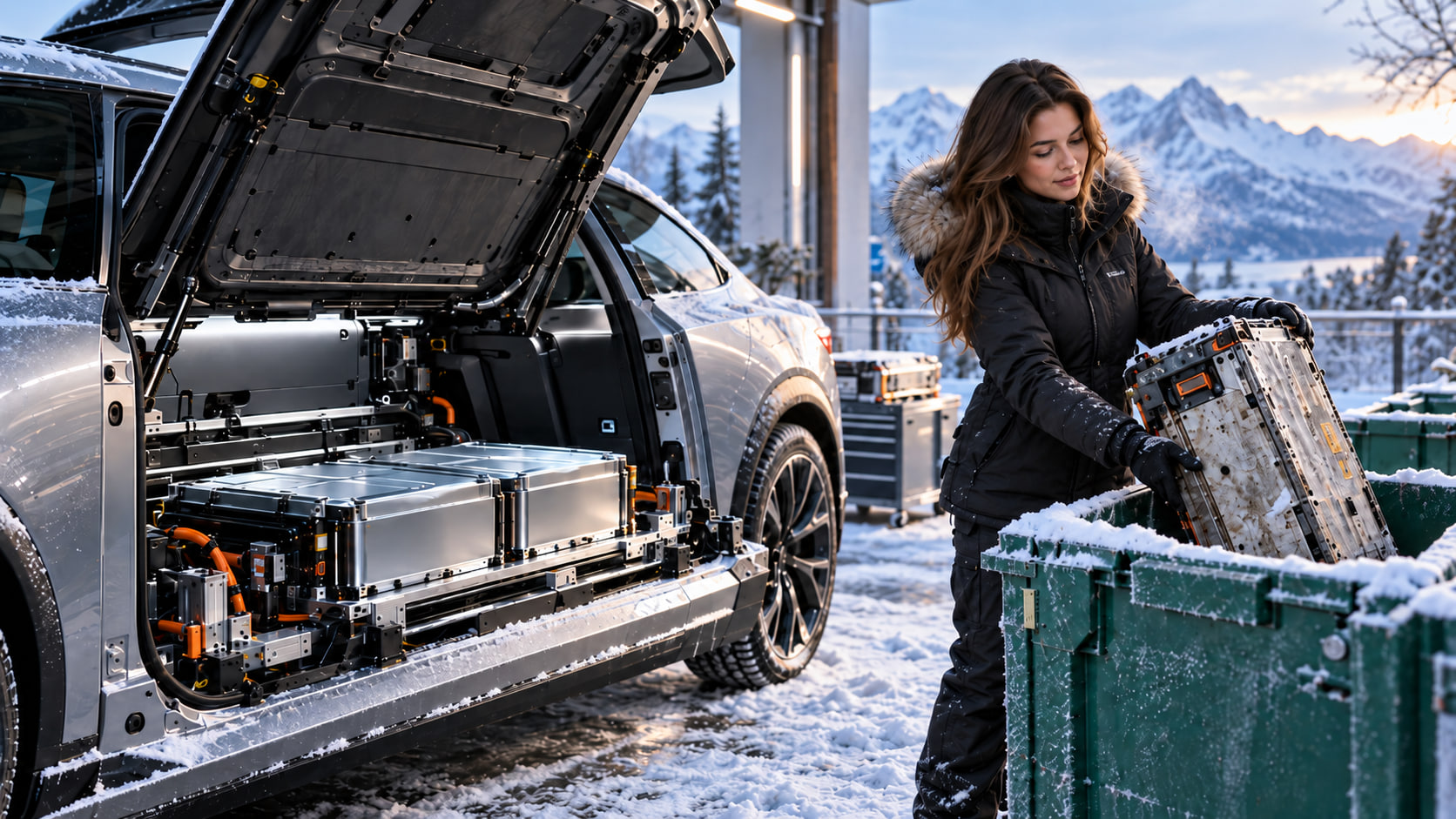
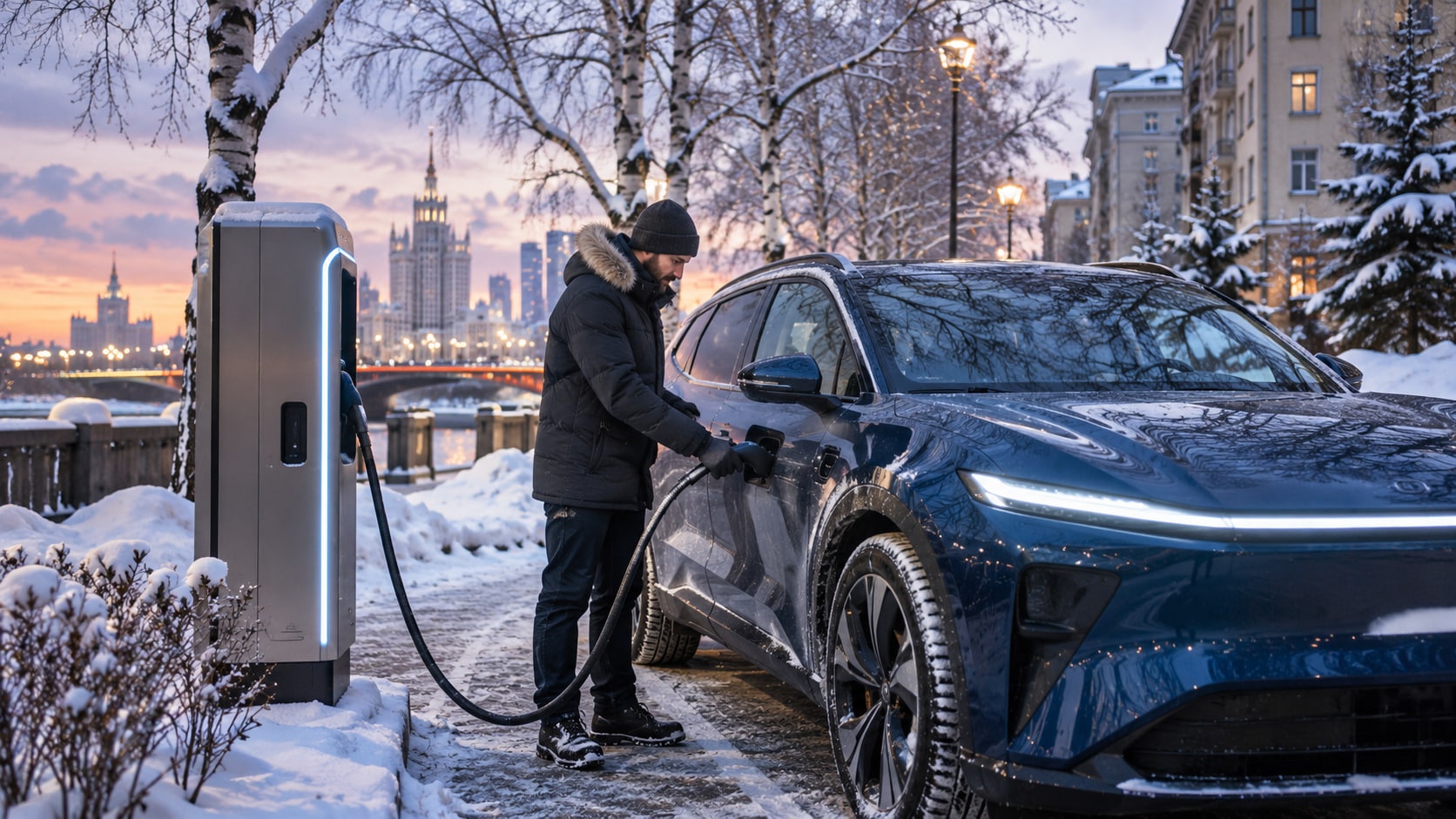
Electric cars in Russia face a combination of challenges that makes the country one of the most demanding markets for battery-powered transportation. Enormous geographical distances, exceptionally cold winters, uneven charging infrastructure, and relatively affordable conventional fuels influence how drivers evaluate electric vehicles. Nevertheless, interest in EV technology has continued to develop, supported by new models, expanding charging networks, local assembly projects, and experienced owner communities. What began largely as a niche market for imported vehicles is gradually becoming a more diverse part of the Russian automotive industry.
Electric Cars in the UAE and Saudi Arabia: Why Oil-Rich Nations Are Investing in EVs
Market Analysis EV Market Trends EV in the world

Electric Cars in the UAE and Saudi Arabia: Why Oil-Rich Nations Are Investing in EVs

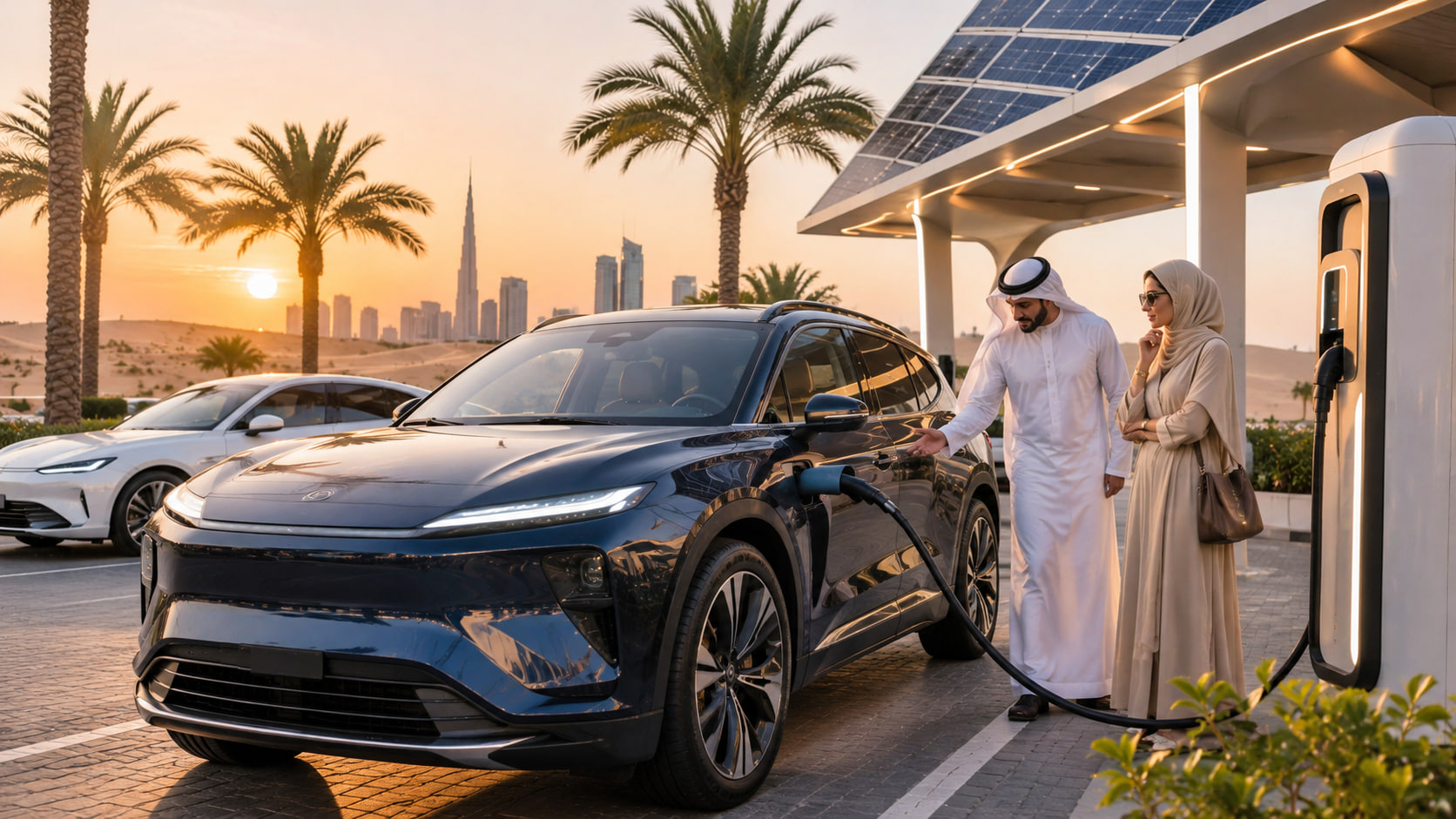
The United Arab Emirates and Saudi Arabia are among the world's most influential oil-producing countries, yet both are investing in electric vehicles, charging infrastructure, and advanced automotive technology. At first glance, their growing interest in battery-powered transportation may seem contradictory because petroleum exports have contributed enormously to their economic development. However, electric mobility is becoming part of broader strategies involving industrial diversification, technological innovation, and the modernization of transportation. These ambitions demonstrate that even major oil exporters are preparing for changes in the global automotive industry.

Electric Cars in Norway: How the Country Became the Global Leader in EV Adoption
Market Analysis EV Market Trends Sustainable EV Technologies

Electric Cars in Norway: How the Country Became the Global Leader in EV Adoption

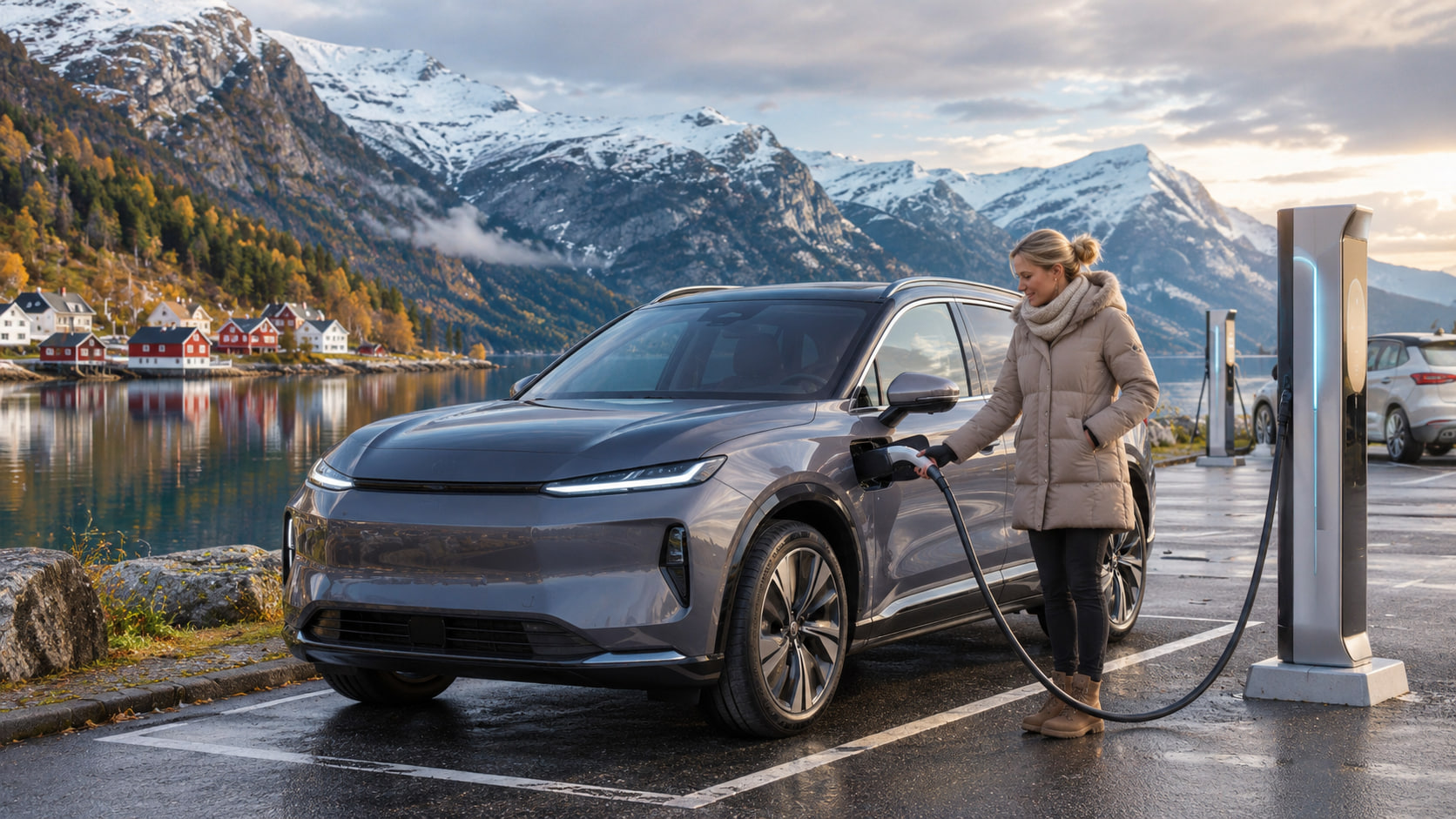
Norway has achieved something that seemed almost impossible just two decades ago: turning electric vehicles from a niche alternative into the dominant choice for new-car buyers. While many countries continue debating the future of gasoline and diesel engines, Norway has already transformed its passenger car market. Electric cars are now an ordinary part of everyday life, from the streets of Oslo to remote communities surrounded by mountains and fjords.

Electric Cars in Japan: Why the Country Is Betting on Hybrids and Hydrogen
Market Analysis EV Market Trends Sustainable EV Technologies

Electric Cars in Japan: Why the Country Is Betting on Hybrids and Hydrogen

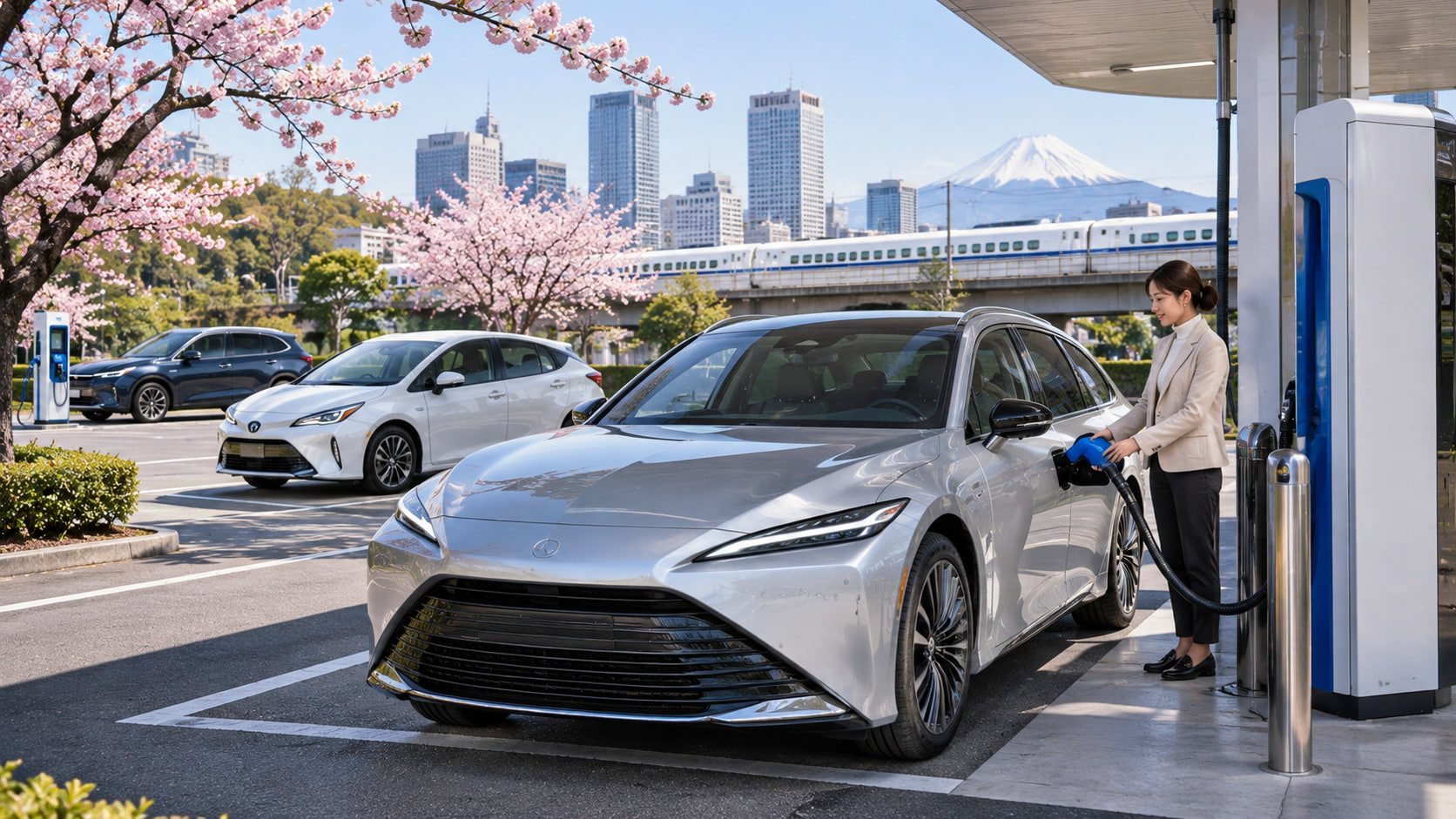
Japan is one of the world's most influential automotive nations, home to manufacturers such as Toyota, Honda, Nissan, Mazda, Subaru, and Mitsubishi. Its companies pioneered fuel-efficient engines, advanced hybrid systems, and hydrogen fuel-cell technology. Yet while China and several European markets have rapidly embraced battery-electric vehicles, Japan has followed a noticeably different path toward cleaner transportation.

The Evolution of Electric Car Batteries: From Early Lead-Acid Technology to Solid-State and Beyond
Environmental Impact Smart Charging Energy Efficiency

The Evolution of Electric Car Batteries: From Early Lead-Acid Technology to Solid-State and Beyond

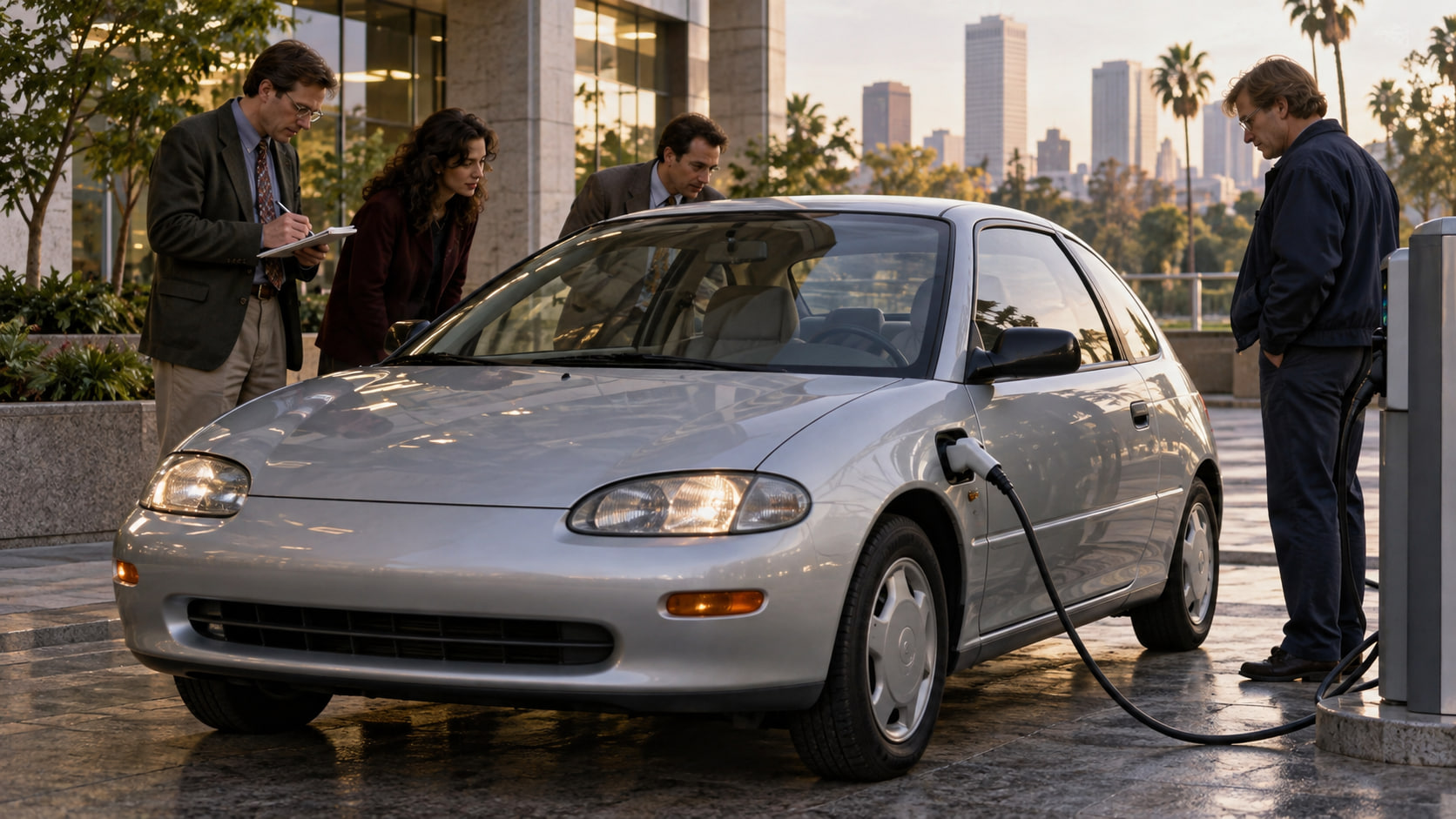
Electric vehicle batteries have undergone one of the most remarkable technological transformations in modern automotive history. What began with heavy, inefficient lead-acid batteries in the nineteenth century has evolved into sophisticated lithium-ion systems capable of powering electric cars for hundreds of miles, supporting rapid charging, and operating reliably for many years.

Electric Cars for People with Disabilities: How Accessible EVs Are Changing Personal Mobility
EV Future EV Market Trends Customer Engagement

Electric Cars for People with Disabilities: How Accessible EVs Are Changing Personal Mobility

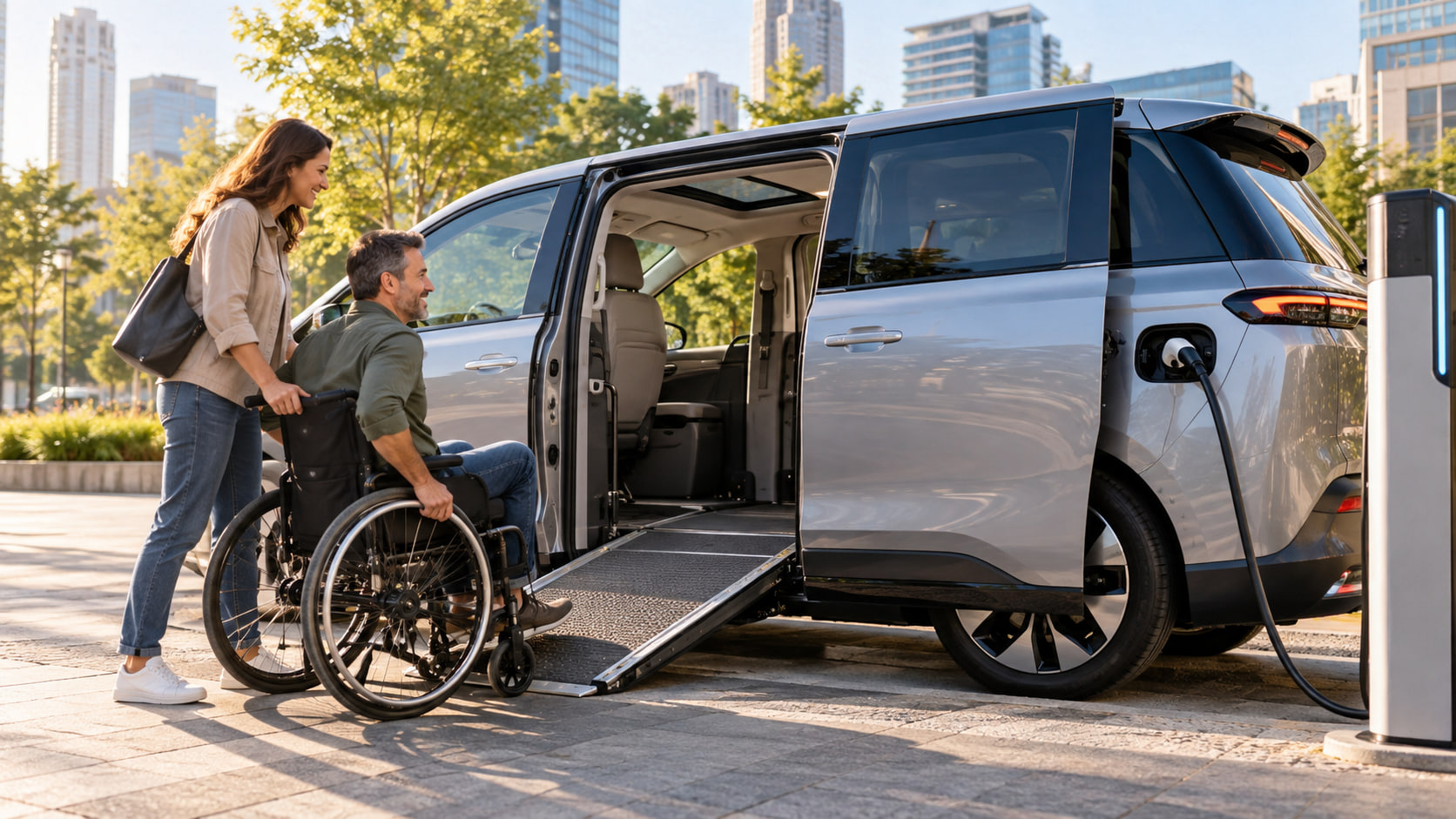
Electric vehicles promise quieter driving, lower local emissions, fewer routine mechanical maintenance requirements and increasingly sophisticated driver-assistance technology. But the transition to electric mobility will only be successful if electric cars are practical for everyone, including drivers and passengers with disabilities.

How Megacities Are Preparing Infrastructure for Electric Cars
Future Of Transportation EV Future Customer Engagement

How Megacities Are Preparing Infrastructure for Electric Cars

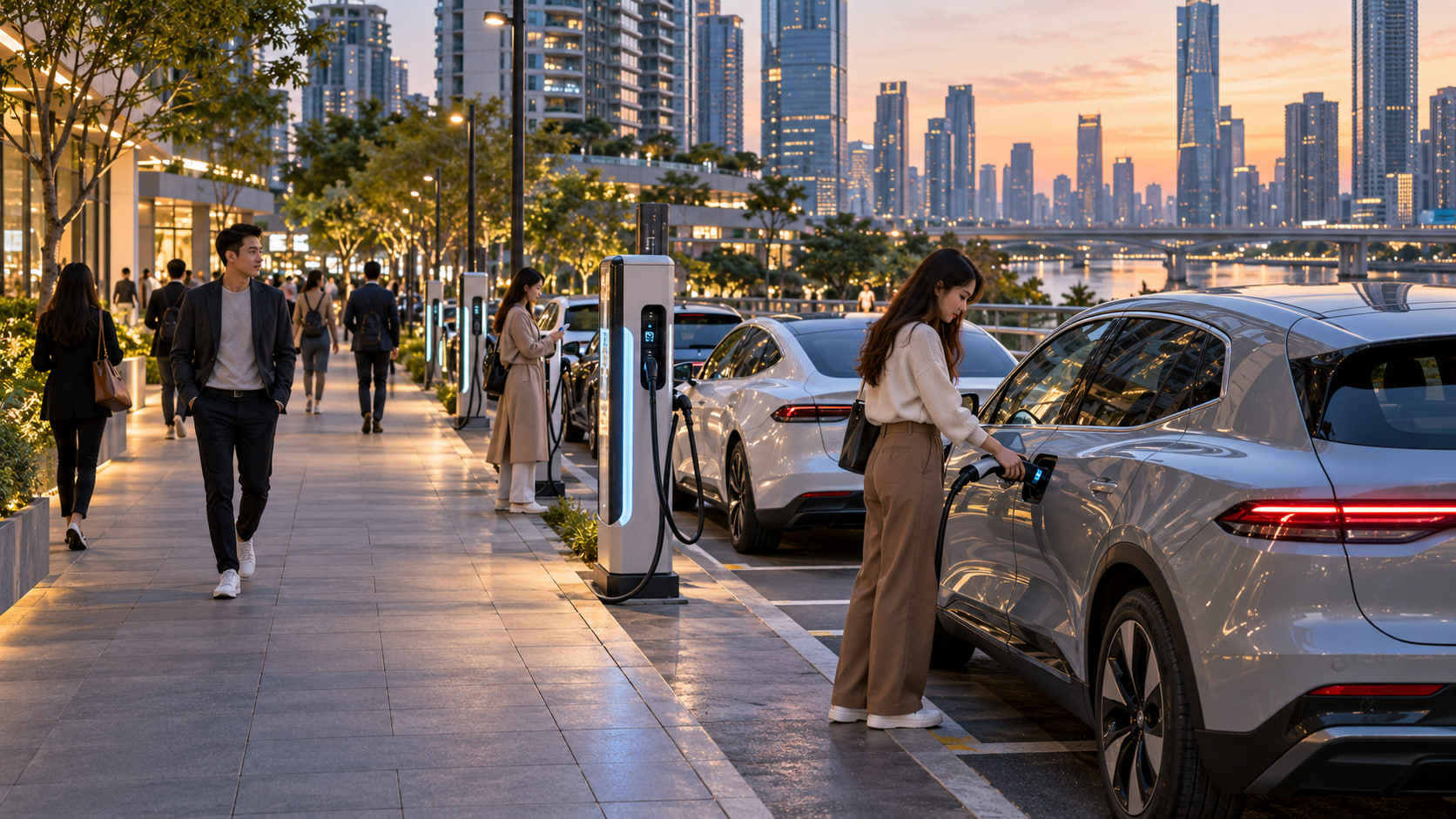
Electric cars are becoming a normal part of city traffic, but replacing gasoline vehicles with EVs involves far more than installing chargers in parking lots. Large metropolitan areas must rethink curb space, electricity distribution, apartment parking, public garages, taxi infrastructure, fleet depots, zoning rules, payment systems, and even the way new buildings are wired.

Affordable Electric Cars in 2026: How Budget EVs Are Finally Becoming Mainstream
Market Analysis Customer Engagement Bestsellers

Affordable Electric Cars in 2026: How Budget EVs Are Finally Becoming Mainstream

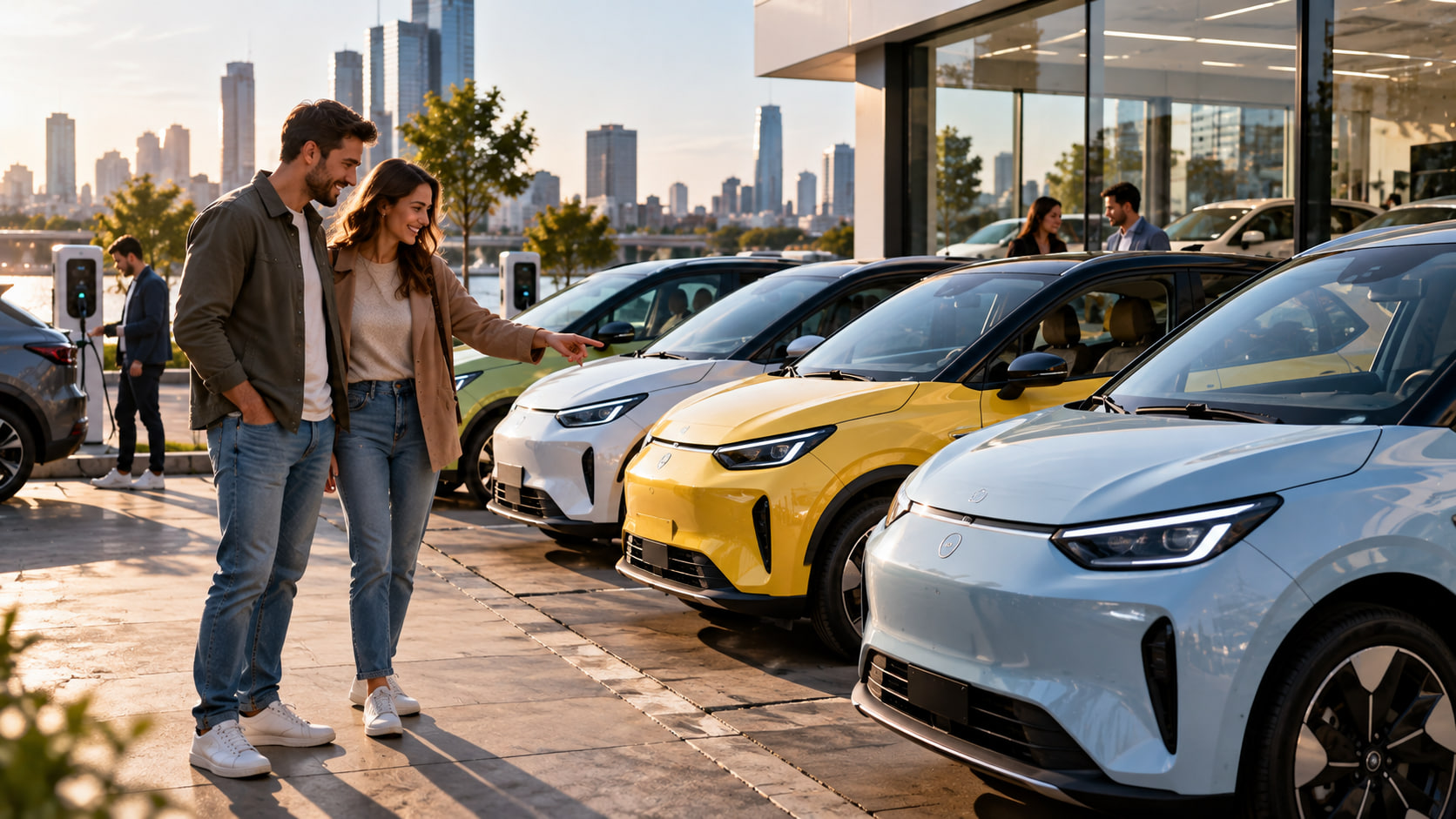
For years, electric cars had a simple problem: they were technologically impressive but often too expensive for ordinary buyers. Early EVs were dominated by premium models, large battery packs, expensive electronics, and relatively small production volumes. Even when electricity and maintenance costs were lower, the initial purchase price could make an electric car difficult to justify.