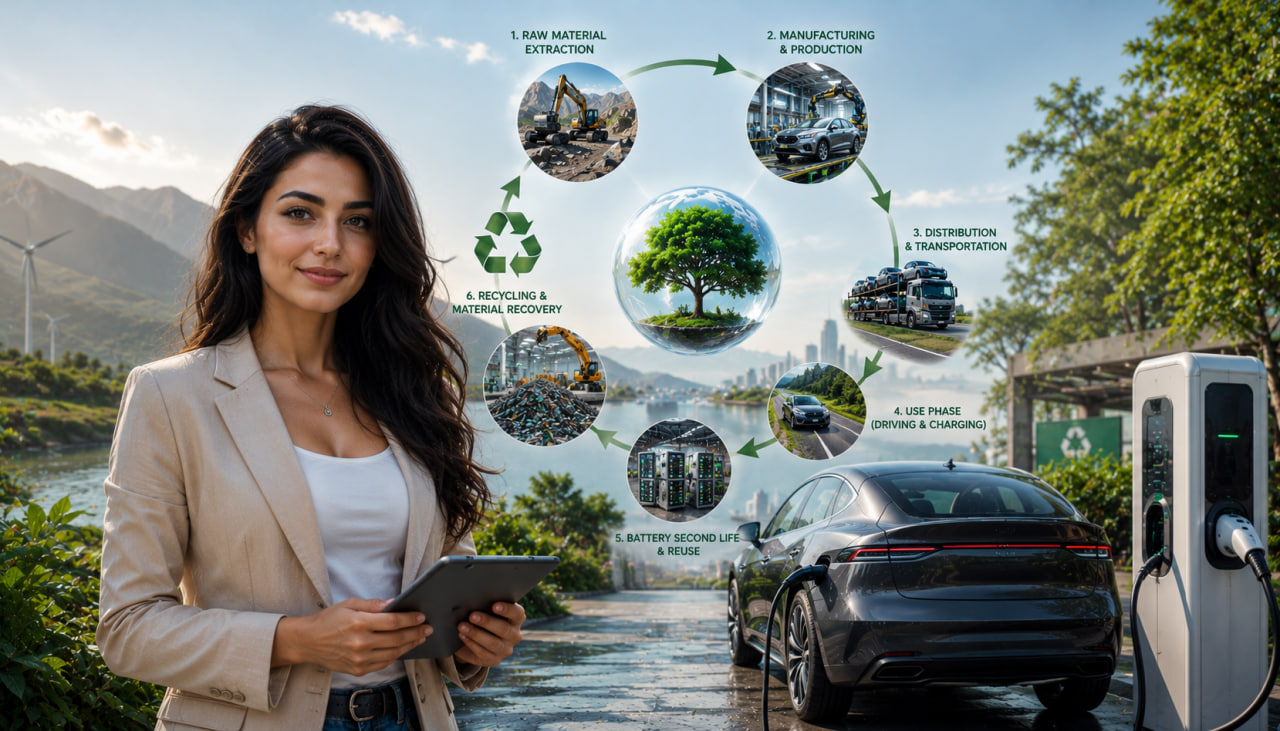
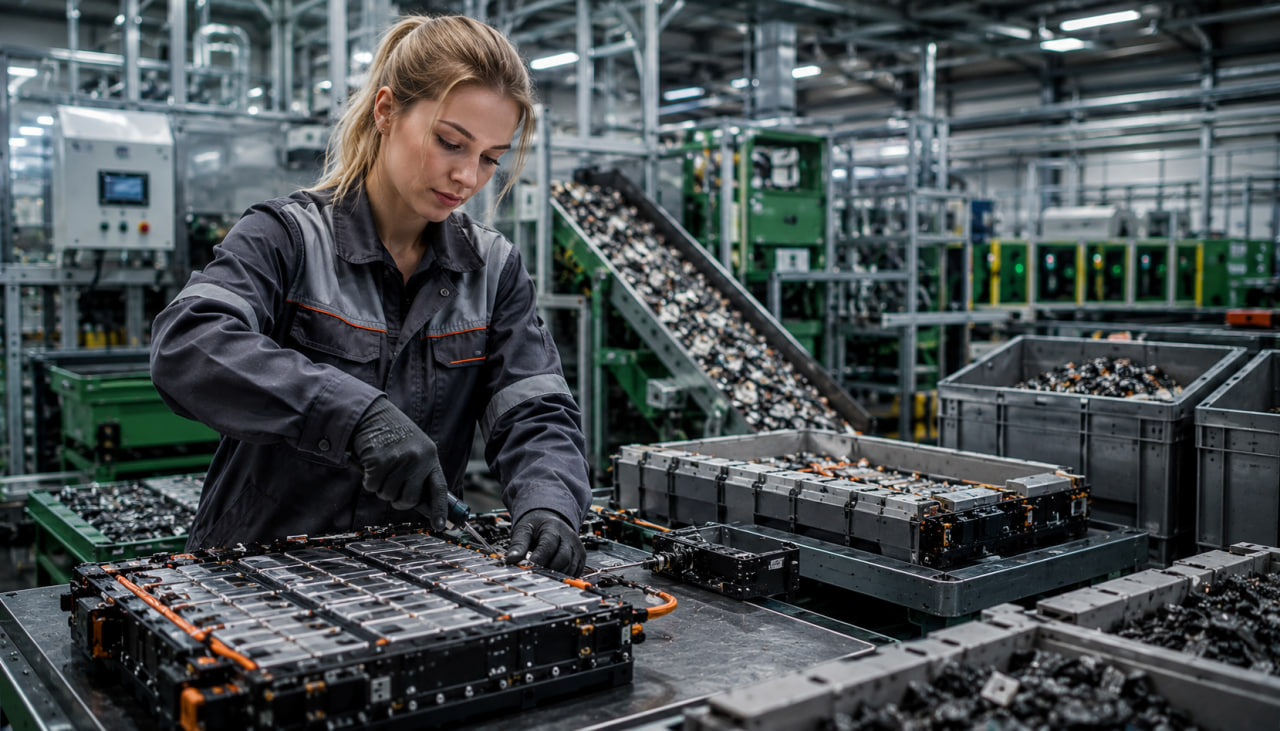
As electric vehicles, smartphones, laptops, and renewable energy systems continue spreading worldwide, battery recycling has become one of the most important environmental and industrial challenges of the decade. Modern batteries contain valuable raw materials such as lithium, cobalt, nickel, copper, manganese, graphite, and aluminum. These materials are expensive to mine and process, while global demand continues rising rapidly due to the growth of electric transportation and clean energy infrastructure. Without effective recycling systems, millions of batteries could eventually become hazardous waste. At the same time, recycling offers a major opportunity: recovering valuable materials and reducing dependence on new mining operations. Today, governments, automakers, and energy companies are investing heavily in advanced battery recycling technologies. The goal is clear: create a circular battery economy where old batteries become raw materials for new ones.