Environmental Impact

The Evolution of Electric Car Batteries: From Early Lead-Acid Technology to Solid-State and Beyond
Environmental Impact Smart Charging Energy Efficiency

The Evolution of Electric Car Batteries: From Early Lead-Acid Technology to Solid-State and Beyond

Electric vehicle batteries have undergone one of the most remarkable technological transformations in modern automotive history. What began with heavy, inefficient lead-acid batteries in the nineteenth century has evolved into sophisticated lithium-ion systems capable of powering electric cars for hundreds of miles, supporting rapid charging, and operating reliably for many years.

The Environmental Impact of Mining Battery Materials
Environmental Impact Energy Efficiency Sustainable EV Technologies

The Environmental Impact of Mining Battery Materials

The rapid growth of electric vehicles is transforming global transportation. Governments, automakers, and consumers increasingly view EVs as a key solution for reducing greenhouse gas emissions and combating climate change. However, behind every electric vehicle lies a complex supply chain that depends on large quantities of raw materials. Lithium, nickel, cobalt, copper, graphite, and manganese are essential components of modern battery technology. As EV production expands, demand for these materials is rising dramatically. While electric vehicles help reduce emissions during operation, the extraction and processing of battery materials can create significant environmental challenges. Understanding these impacts is critical for building a truly sustainable transportation future. The debate is no longer simply about electric vehicles versus gasoline cars. Increasingly, the focus is on how battery materials are sourced, processed, recycled, and managed throughout their entire lifecycle.

What Would Happen If Everyone in a Megacity Switched to Electric Cars?
Future Of Transportation Market Analysis Environmental Impact

What Would Happen If Everyone in a Megacity Switched to Electric Cars?

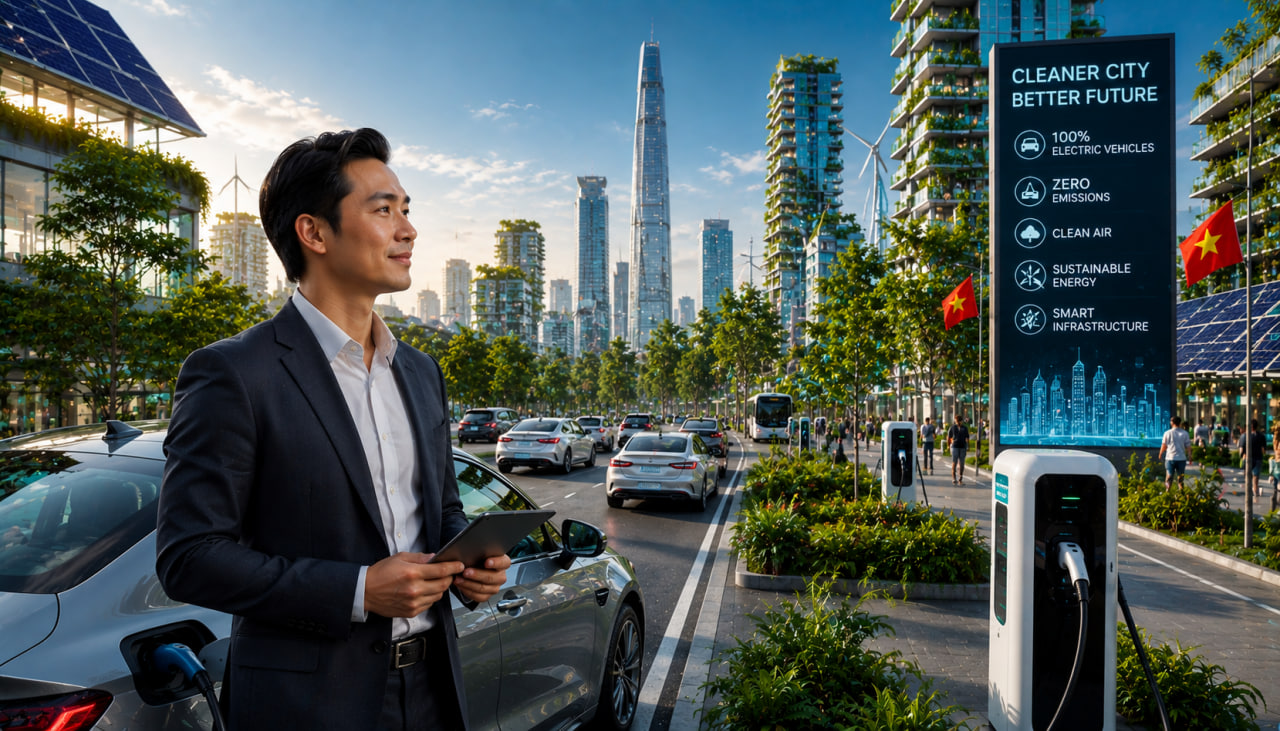
The global transition to electric vehicles is accelerating rapidly. Governments, automakers, and technology companies are investing billions into electrification, charging infrastructure, battery production, and renewable energy systems. But one fascinating question remains: what would actually happen if an entire megacity fully switched from gasoline and diesel vehicles to electric cars? The impact would go far beyond transportation. A large-scale transition to electric mobility would transform: air quality city noise levels energy infrastructure traffic systems public health real estate urban design electricity demand economic systems In many ways, electric vehicles could fundamentally reshape the structure and atmosphere of modern cities. However, the transition would also create major technical and infrastructure challenges.

Noise Pollution Reduction and Electric Vehicles
Environmental Impact Market Trends Costs

Noise Pollution Reduction and Electric Vehicles

Noise pollution has become one of the most underestimated environmental problems in modern cities. While air pollution often receives more public attention, excessive urban noise affects millions of people daily and can seriously impact health, productivity, sleep quality, and overall well-being. Road traffic is one of the largest contributors to urban noise pollution worldwide. Traditional gasoline and diesel vehicles generate constant engine noise, exhaust sounds, vibrations, and mechanical disturbances that shape the sound environment of modern cities. Electric vehicles are beginning to change this reality. Unlike internal combustion engine cars, EVs operate with dramatically lower mechanical noise, especially at low and medium speeds. As electric transportation expands globally, many experts believe EV adoption could significantly reduce urban noise pollution over the next decade. The transition toward quieter mobility may become one of the most important but least discussed benefits of electric transportation.

Battery Recycling: Modern Technologies and Real Recycling Rates
Environmental Impact Costs Energy Efficiency

Battery Recycling: Modern Technologies and Real Recycling Rates

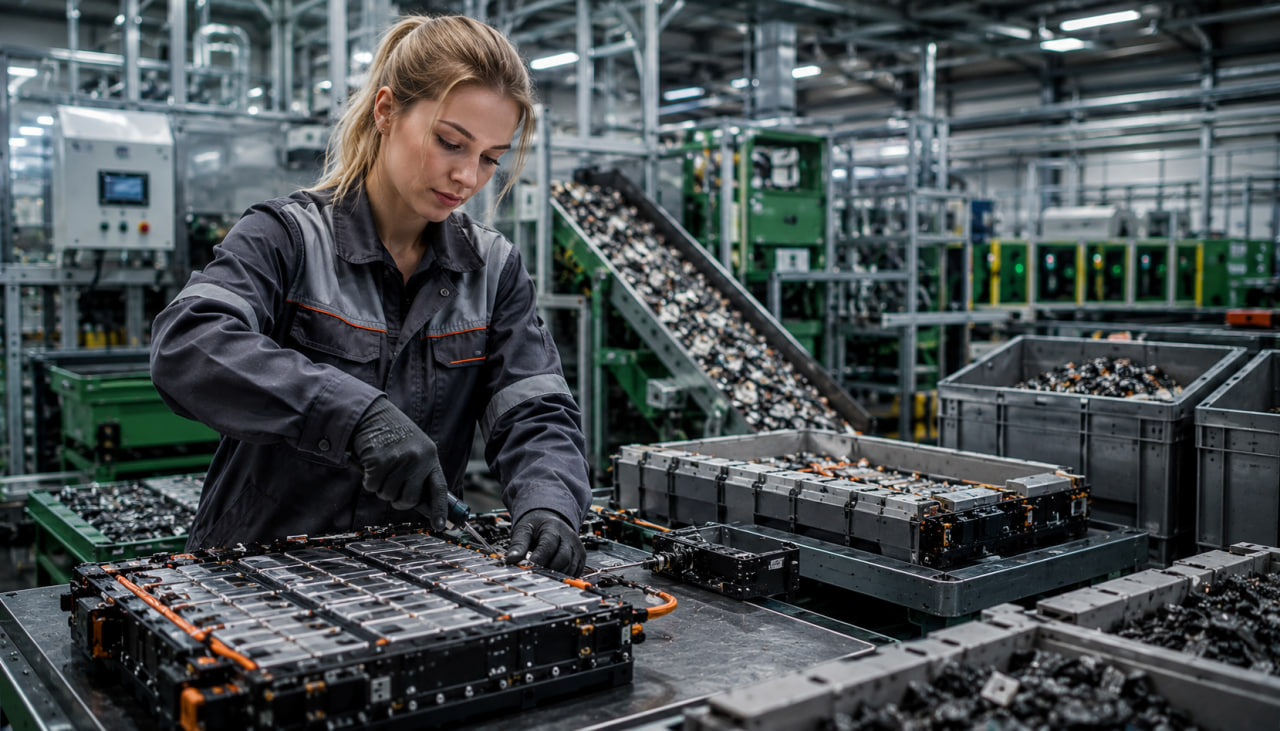
As electric vehicles, smartphones, laptops, and renewable energy systems continue spreading worldwide, battery recycling has become one of the most important environmental and industrial challenges of the decade. Modern batteries contain valuable raw materials such as lithium, cobalt, nickel, copper, manganese, graphite, and aluminum. These materials are expensive to mine and process, while global demand continues rising rapidly due to the growth of electric transportation and clean energy infrastructure. Without effective recycling systems, millions of batteries could eventually become hazardous waste. At the same time, recycling offers a major opportunity: recovering valuable materials and reducing dependence on new mining operations. Today, governments, automakers, and energy companies are investing heavily in advanced battery recycling technologies. The goal is clear: create a circular battery economy where old batteries become raw materials for new ones.


Second Life Batteries: How Old EV Batteries Become New Energy Storage Systems
Environmental Impact Smart Charging EV in the world

Second Life Batteries: How Old EV Batteries Become New Energy Storage Systems

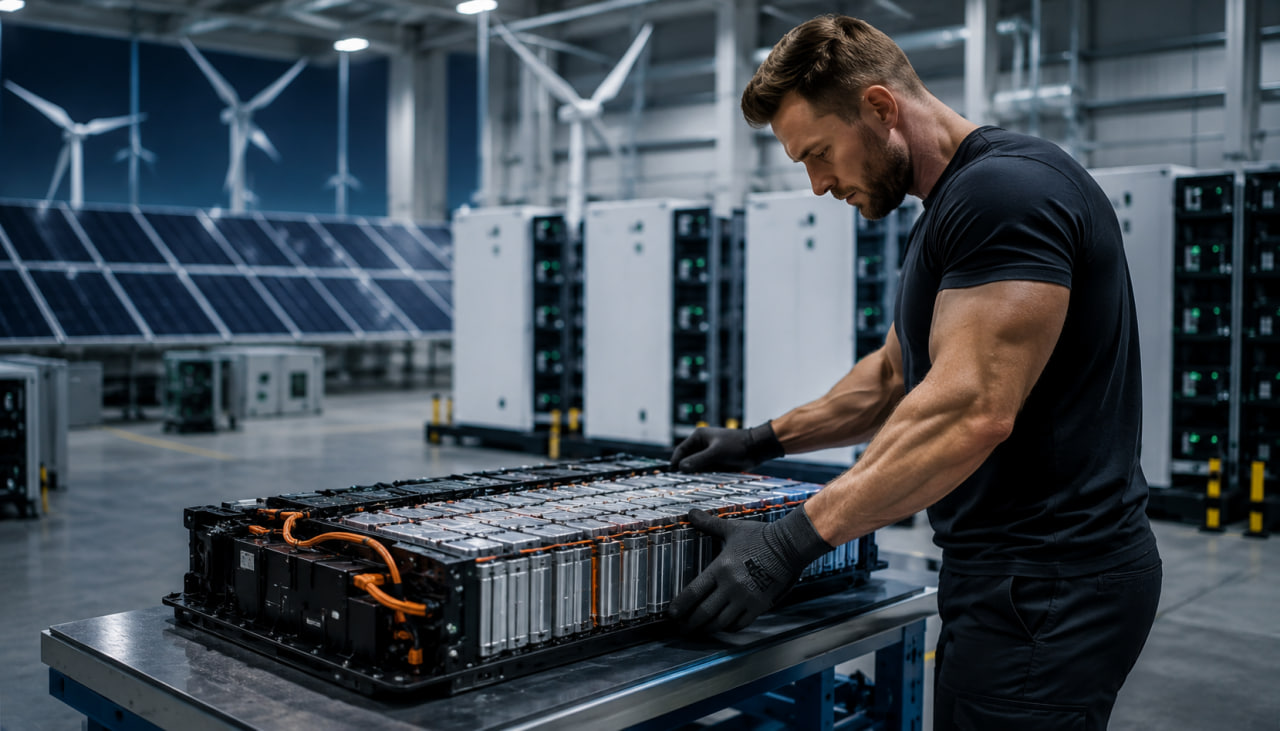
As electric vehicles become more common worldwide, millions of lithium-ion batteries are entering the market. But what happens when these batteries can no longer power a car efficiently? Contrary to popular belief, most electric vehicle batteries are not “dead” when they are removed from cars. Even after years of driving, many still retain around 70–80% of their original capacity. While this may no longer be ideal for long-range transportation, it is often more than enough for stationary energy storage. This has created one of the fastest-growing trends in clean energy technology: second-life batteries. Instead of immediately recycling used EV batteries, companies are repurposing them into energy storage systems for homes, businesses, renewable power grids, and industrial applications. The concept helps reduce waste, lower energy storage costs, and support the transition toward renewable electricity. Today, second-life battery technology is becoming an important part of the global clean energy ecosystem.

Carbon Footprint of Electric Vehicles: Myths and Reality
Market Analysis Environmental Impact Costs

Carbon Footprint of Electric Vehicles: Myths and Reality

Electric vehicles (EVs) are often promoted as a key solution to climate change. However, their environmental impact is frequently debated. Critics argue that EVs are not as “green” as they seem, pointing to battery production and electricity sources. Supporters highlight their zero tailpipe emissions and long-term sustainability benefits. The truth lies between these extremes. To understand the real carbon footprint of EVs, it is essential to look at the entire lifecycle of the vehicle—from production to operation and end-of-life.

Green Steel and Aluminum: How Manufacturers Reduce Emissions in Production
Innovations Market Analysis Environmental Impact

Green Steel and Aluminum: How Manufacturers Reduce Emissions in Production

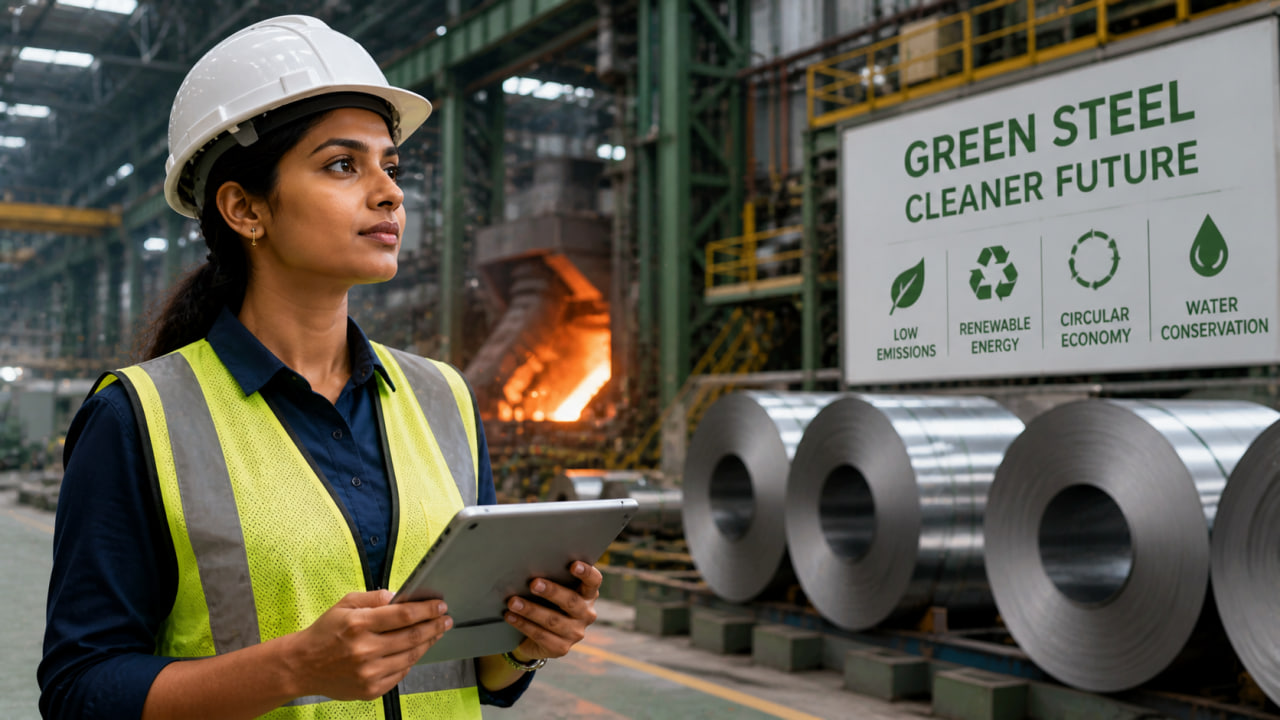
Heavy industry is responsible for a significant share of global carbon emissions, and among the largest contributors are steel and aluminum production. These materials are essential for construction, transportation, and manufacturing—including electric vehicles—but their traditional production methods are highly energy-intensive and carbon-heavy. Today, the industry is undergoing a transformation toward “green steel” and “green aluminum”, aiming to dramatically reduce emissions through new technologies, cleaner energy, and circular processes.

Lithium and Cobalt Shortages: How the Industry Is Solving the Raw Materials Crisis
Market Analysis Environmental Impact Costs

Lithium and Cobalt Shortages: How the Industry Is Solving the Raw Materials Crisis

The rapid expansion of electric vehicles (EVs) and energy storage systems has triggered an unprecedented surge in demand for critical battery materials—particularly lithium and cobalt. These elements are essential components of modern lithium-ion batteries, and their availability directly impacts the pace of global electrification. As governments push for decarbonization and automakers accelerate EV production, concerns about a potential raw materials crisis have intensified. Supply constraints, geopolitical risks, and environmental challenges are forcing the industry to rethink how these materials are sourced, used, and recycled.

Electric Vehicles and Power Grids: Can Infrastructure Handle Mass EV Adoption?
Future Of Transportation Environmental Impact EV Future

Electric Vehicles and Power Grids: Can Infrastructure Handle Mass EV Adoption?

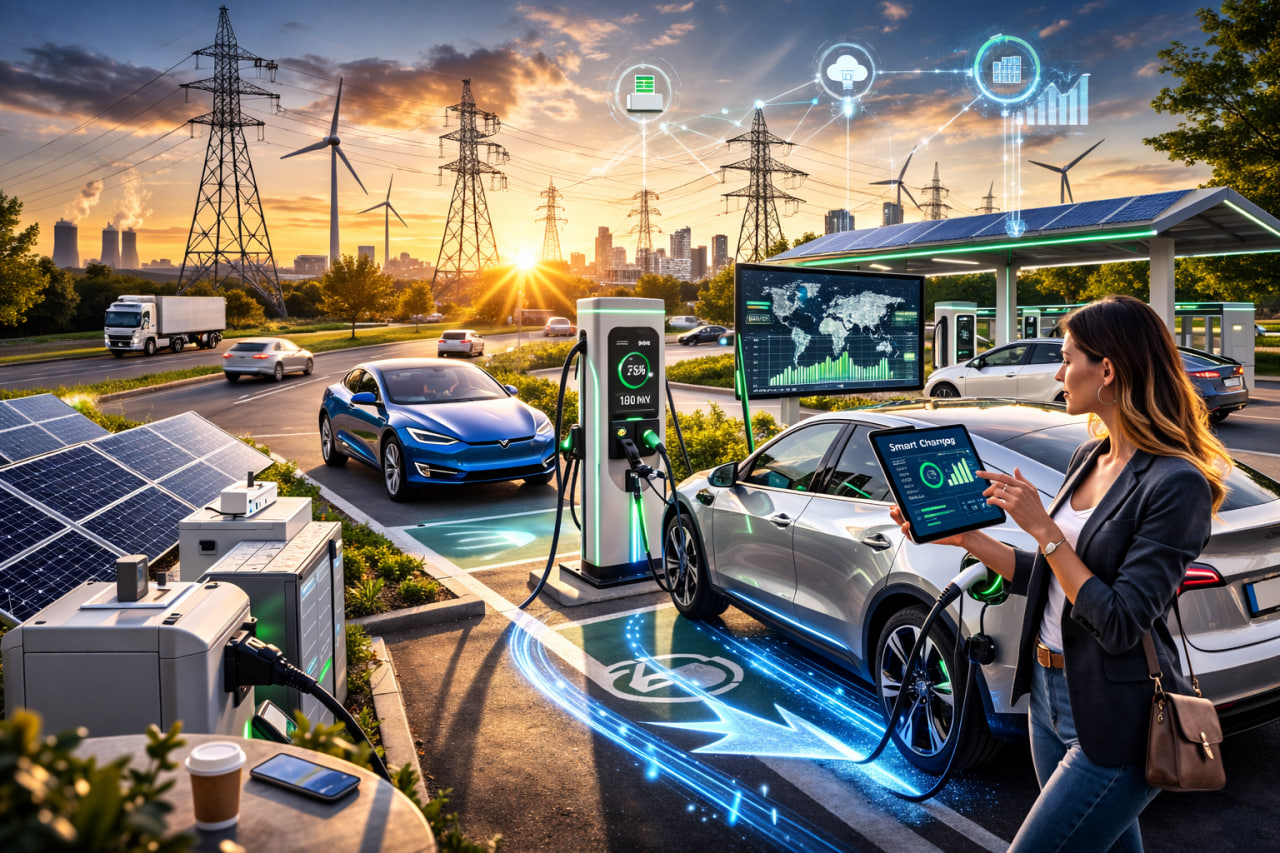
The global transition toward electric vehicles (EVs) raises an essential infrastructure question: can existing power grids support large-scale electrification of transport? As governments introduce stricter emission regulations and EV adoption accelerates, electricity demand patterns are shifting. Unlike traditional fuel-based vehicles, EVs rely entirely on electrical energy, placing new loads on distribution networks. However, the challenge is not simply about total energy capacity — it is primarily about timing, grid flexibility, and smart management. Understanding how modern electric grids, load balancing systems, and energy storage technologies function is critical to evaluating whether the transition is sustainable.