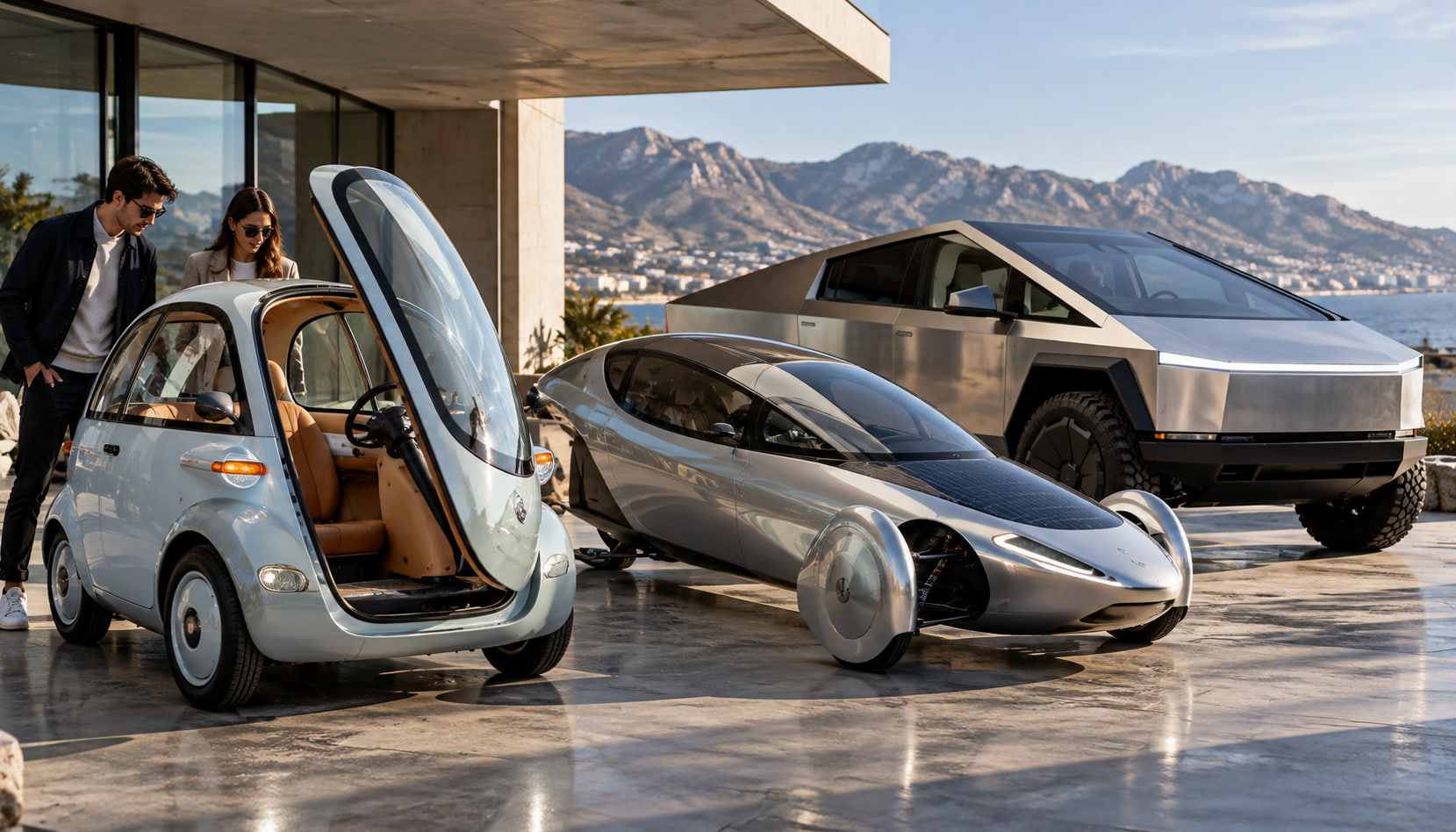
Electric cars are no longer limited to conventional sedans, hatchbacks, and SUVs. As electric technology develops, manufacturers are creating vehicles that challenge traditional automotive design, engineering, and performance.
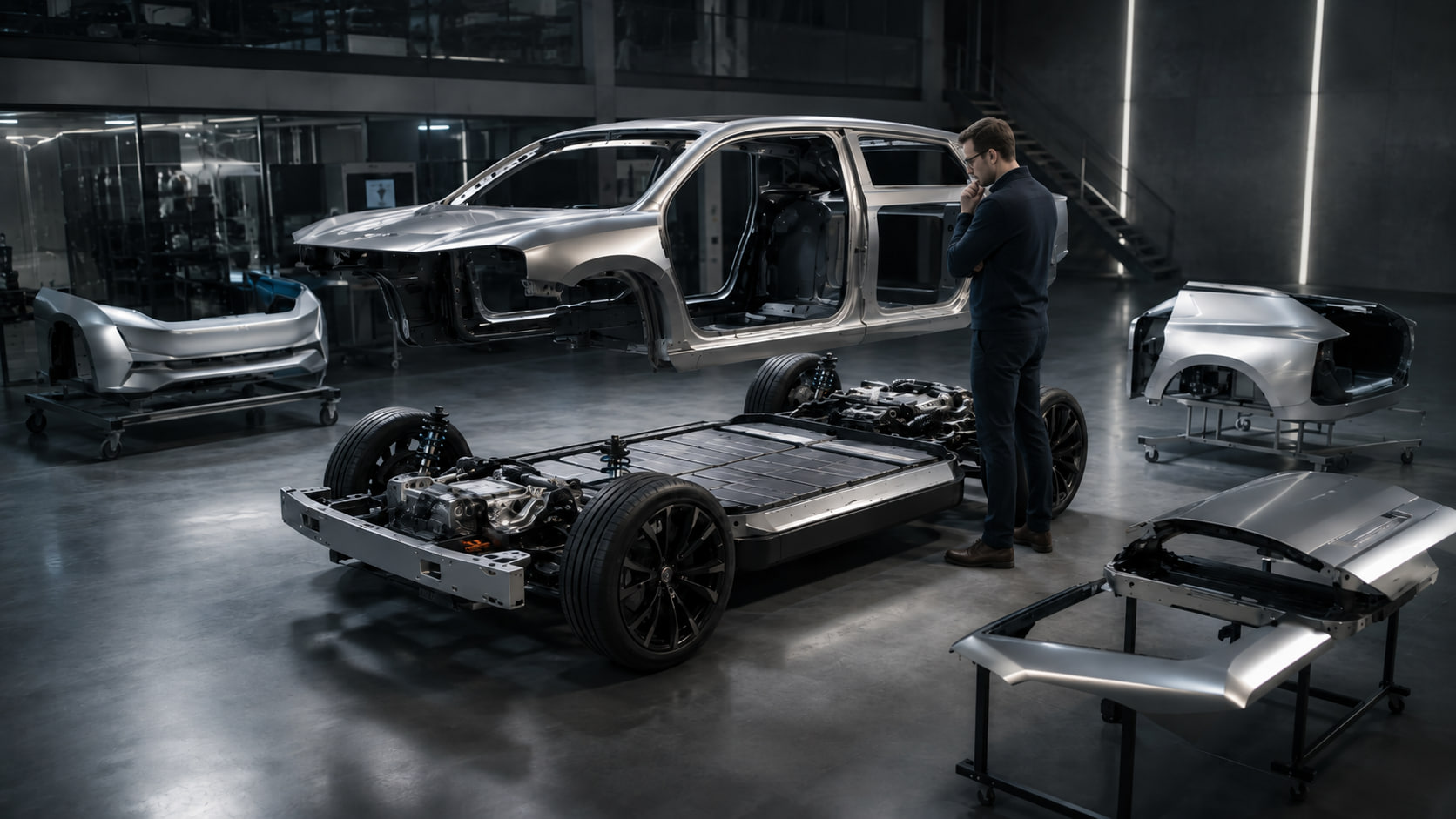
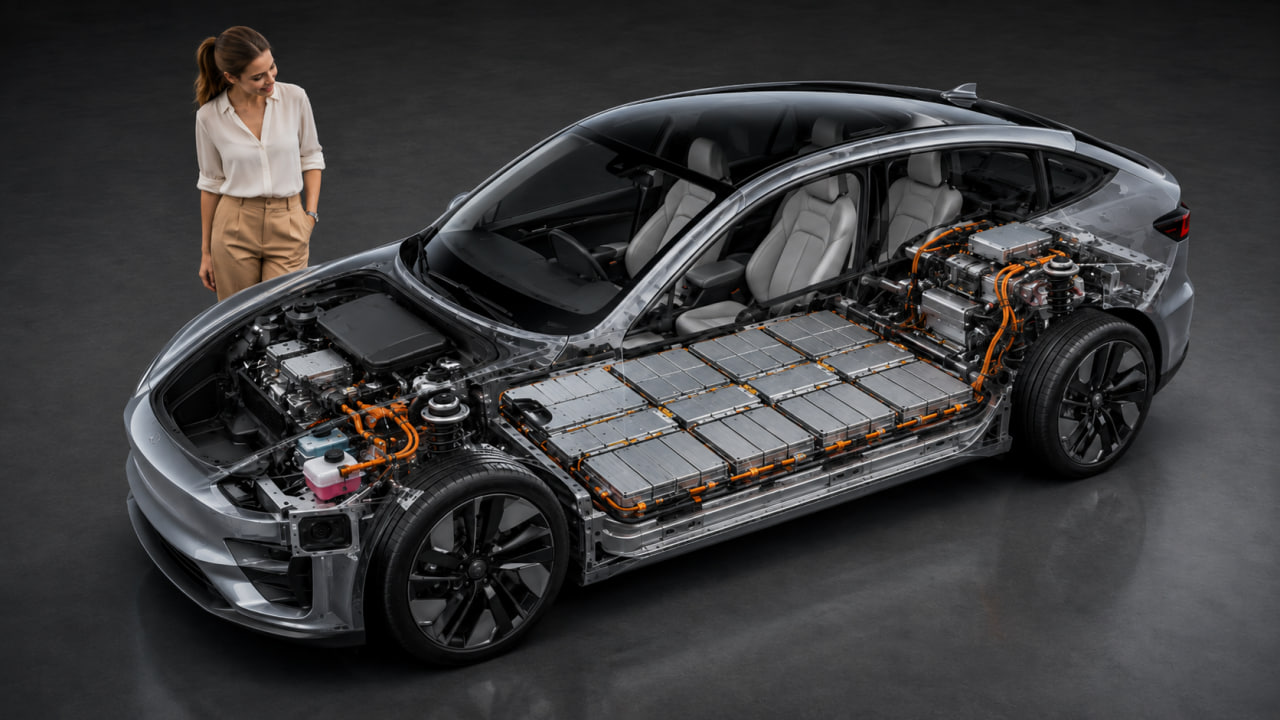
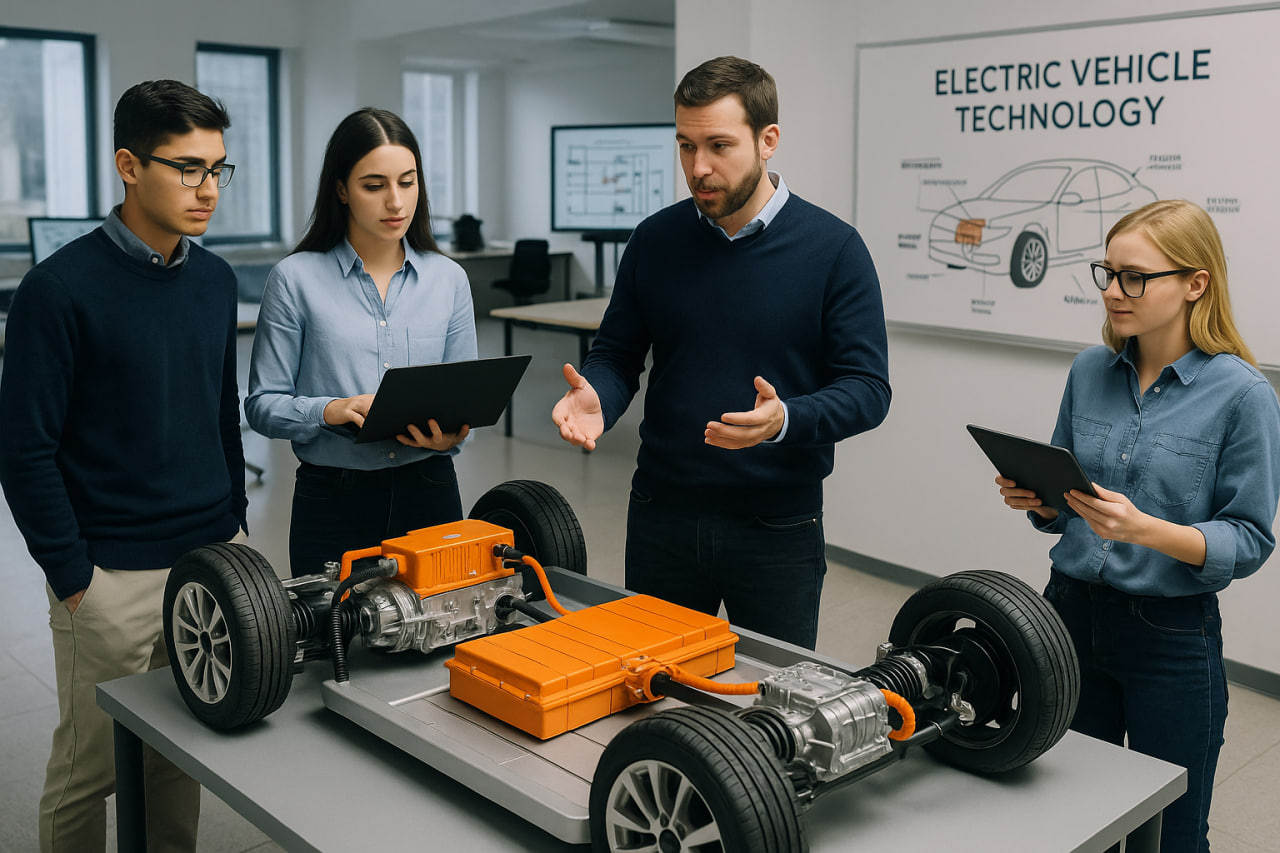
Electric vehicles are already changing the automobile at a mechanical level. The engine, transmission, exhaust system, fuel tank, and much of the traditional drivetrain disappear, leaving engineers with a much cleaner architecture: a battery under the floor, one or more compact electric motors, power electronics, suspension, steering, brakes, and a digital control system.
Modern electric cars can look deceptively simple. Open the door of a premium EV and you may see a minimalist dashboard, a flat floor, silent climate control, large displays, soft materials, and almost no visible evidence of the machinery responsible for moving the vehicle.
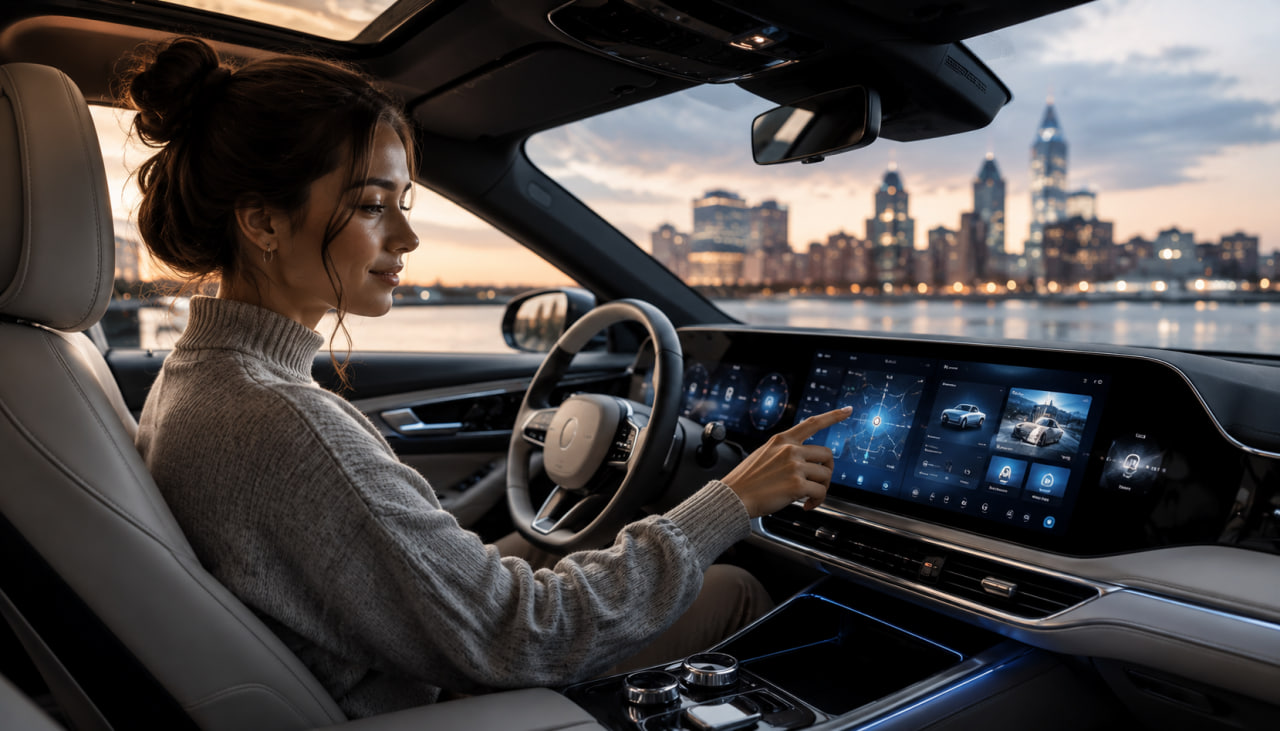
The modern electric vehicle is no longer defined solely by its battery capacity or driving range. As software becomes a central component of automotive innovation, the interior and infotainment system have become major factors influencing purchasing decisions. Large touchscreens, intelligent voice assistants, over-the-air updates, and AI-powered personalization are transforming vehicles into connected digital environments. Leading manufacturers are competing to deliver the most intuitive, immersive, and technologically advanced user experience. While performance and efficiency remain important, today's buyers increasingly expect their vehicle to function as seamlessly as a premium smartphone or tablet. This article compares the digital ecosystems offered by today's leading EV manufacturers and examines which brands provide the best overall user experience.
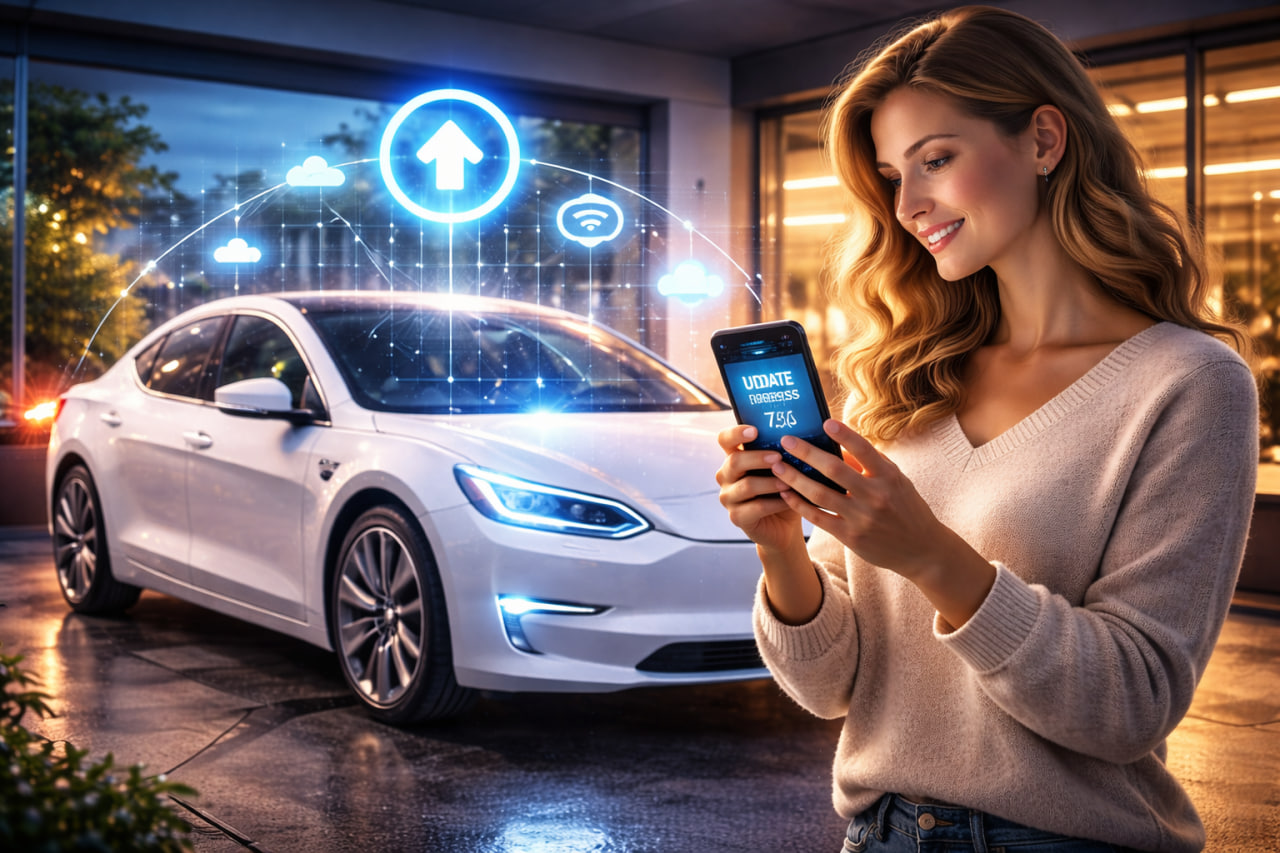
For decades, cars were defined almost entirely by their hardware. Engines, transmissions, suspension systems, and body design determined what a vehicle could do for its entire lifespan. Once a car left the factory, its capabilities were essentially frozen. Today, this paradigm is being overturned. Software has become one of the most important components of modern vehicles, and over-the-air (OTA) updates are redefining what it means to own and use a car. Instead of aging from the first day, cars can now evolve over time. The shift toward software-defined vehicles is especially pronounced in electric cars, but it is rapidly spreading across the entire automotive industry. Updates delivered wirelessly are changing performance, safety, user experience, and even business models in ways that were impossible just a decade ago.
Electric vehicles have moved far beyond their original role as eco-friendly alternatives and have become powerful symbols of modern identity, technological awareness, and social status. Today, purchasing an electric car is often less about basic transportation and more about self-expression, values, and lifestyle positioning. Consumers increasingly associate EV ownership with progressiveness, innovation, and future-oriented thinking. This psychological shift has transformed electric cars into markers of a new form of status—one rooted not in excess or noise, but in intelligence, responsibility, and modernity.
The rapid growth of the electric vehicle industry has created a strong demand for qualified specialists who understand not only automotive engineering but also energy systems, software, and sustainability. Educational programs focused on EV technologies are becoming a critical foundation for the future workforce, supporting manufacturers, infrastructure providers, and service companies worldwide. These programs aim to bridge the gap between traditional automotive education and the new competencies required for electric mobility. As a result, learning pathways for EV specialists now combine engineering, digital skills, and environmental awareness into a single professional profile.
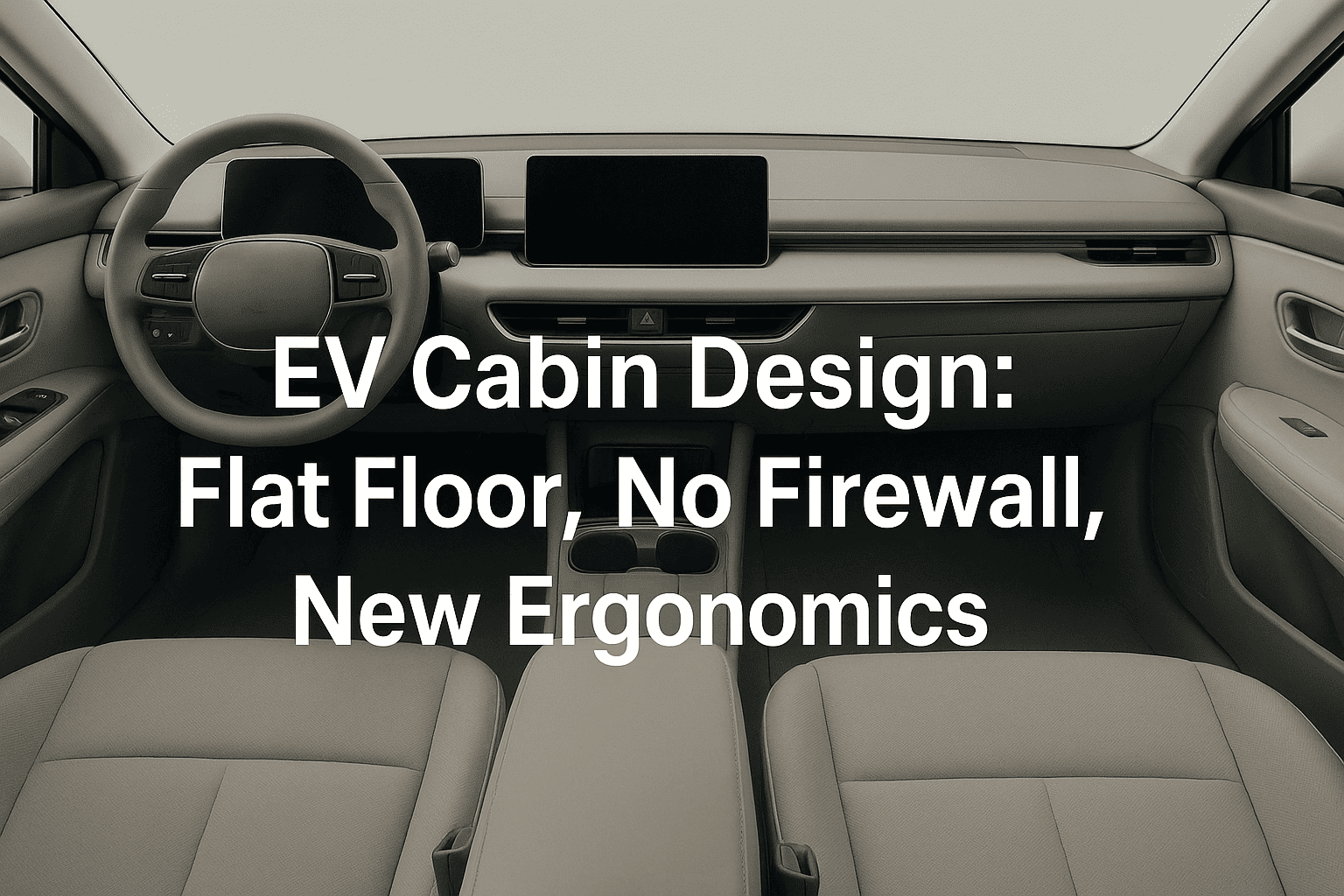
From ICE constraints to EV freedom: Electric skateboard platforms erase two sacred cows of combustion-era interiors—the central transmission tunnel and the bulky engine-side firewall. What’s left is a flatter floor, a shallower “toe board,” and far more flexible packaging. The ripple effects touch everything from seating geometry and storage to crash safety, HVAC routing, and UX. ⚙️⚡
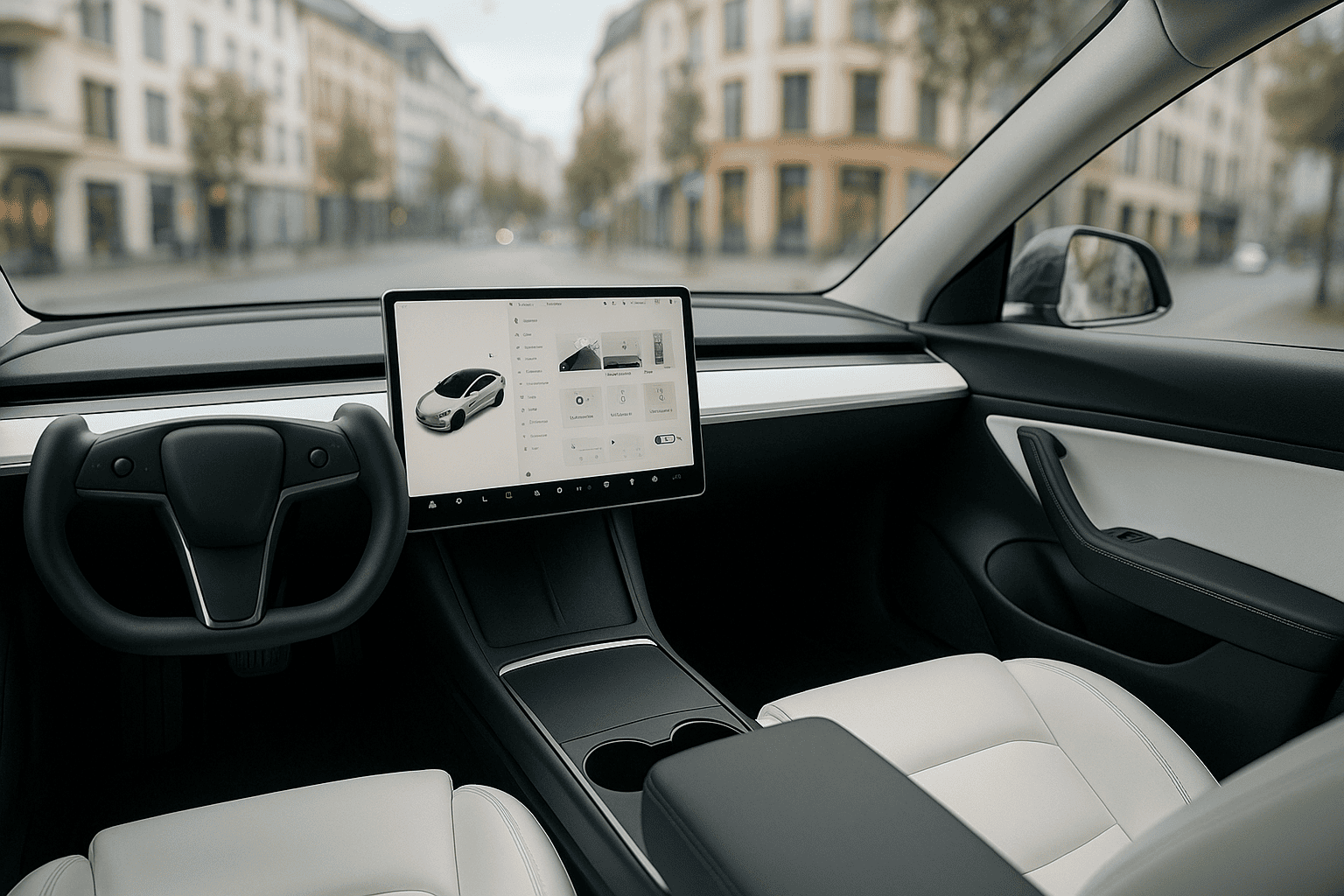
Tesla’s interiors divide opinion. For fans, the clean dashboard and single central screen feel futuristic, calm, and software-first. For skeptics, the absence of physical buttons risks distraction, especially when the driver must hunt through menus for routine tasks. This article looks past tastes to examine how Tesla’s minimalist UX affects ergonomics, safety, learning curves, and day-to-day usability—where it shines, where it stumbles, and how to adapt.
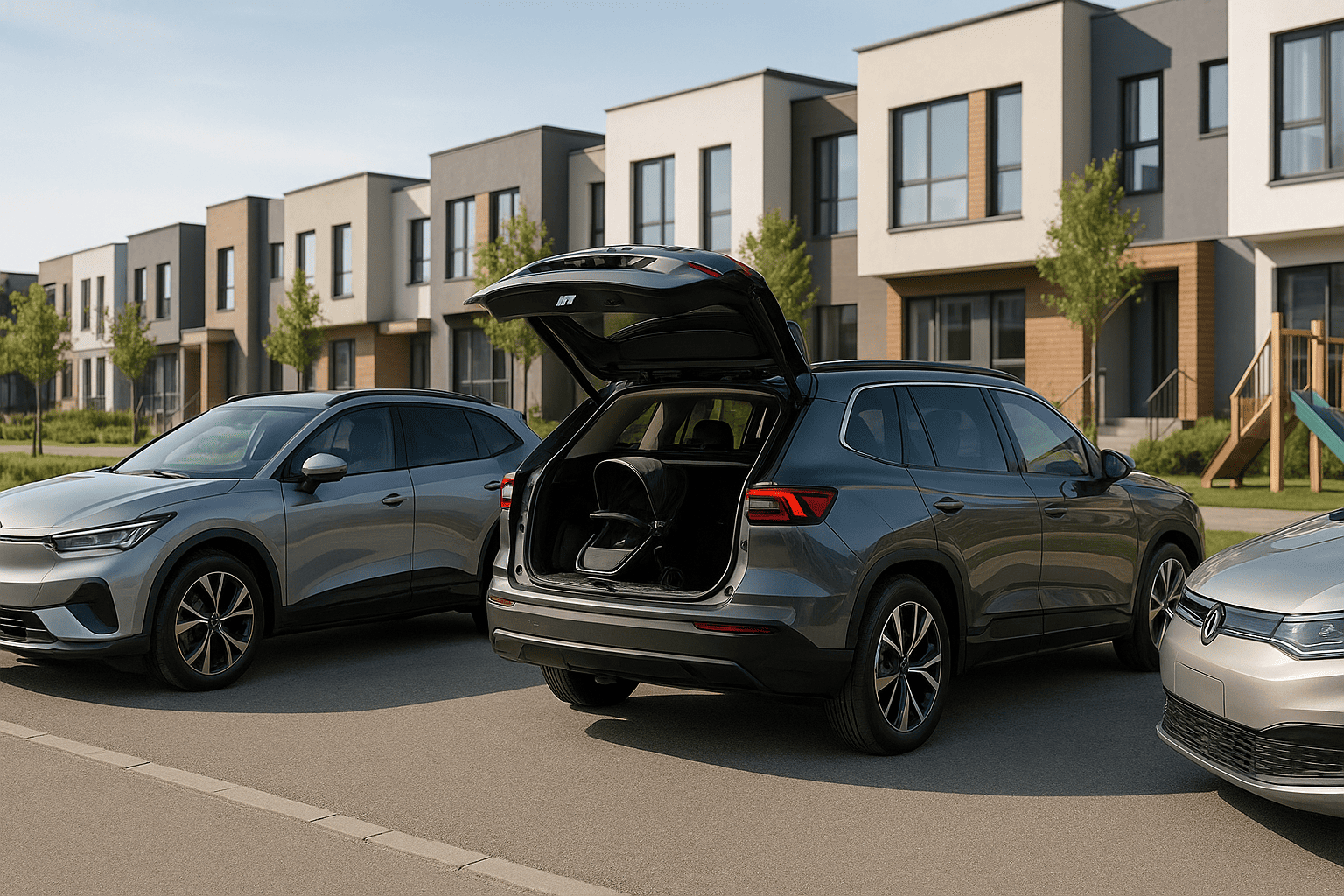
Choosing a family EV is less about 0–100 km/h and more about real life: fitting three child seats across, surviving a snowstorm school run, packing a stroller plus a week’s groceries, and doing it all safely, quietly, and affordably. This guide focuses on what matters for families—cabin space, crash safety, child-seat ergonomics, charging convenience, and ownership costs—then highlights the stand-out electric models that deliver.