
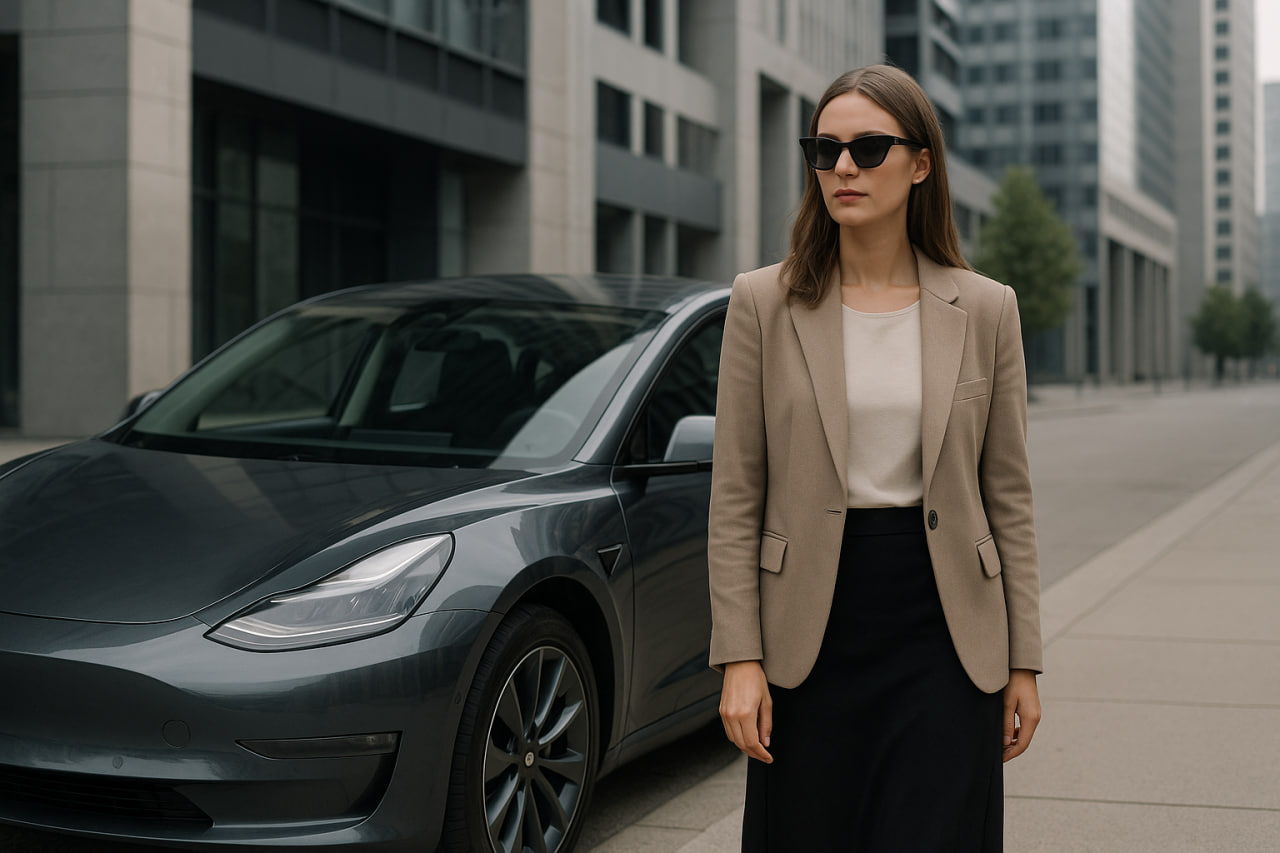
Electric vehicles have moved far beyond their original role as eco-friendly alternatives and have become powerful symbols of modern identity, technological awareness, and social status. Today, purchasing an electric car is often less about basic transportation and more about self-expression, values, and lifestyle positioning. Consumers increasingly associate EV ownership with progressiveness, innovation, and future-oriented thinking. This psychological shift has transformed electric cars into markers of a new form of status—one rooted not in excess or noise, but in intelligence, responsibility, and modernity.
Status Signaling and the Psychology of Modern Consumption
In consumer psychology, status signaling refers to the way individuals use products to communicate social position, values, and identity. Traditionally, luxury status was expressed through visible wealth, engine power, and brand heritage. Electric vehicles redefine this concept by emphasizing technological sophistication, environmental awareness, and social responsibility. Choosing an EV signals that the owner understands global trends and aligns with future-focused values rather than outdated norms.
“Modern consumers increasingly use technology-driven products to signal intelligence and cultural awareness rather than pure financial power,” — Dr. Nathan Cole, consumer behavior psychologist.
Electric Cars and Identity Formation
Products play a critical role in identity construction, and electric vehicles have become especially influential in this process. EV ownership often reflects personal beliefs related to sustainability, innovation, and independence from traditional systems. The absence of engine noise, minimalist interiors, and advanced software interfaces reinforce the perception of calm control and rational choice. For many drivers, an electric car becomes an extension of their worldview rather than just a possession.
“Electric vehicles function as identity artifacts, allowing consumers to align personal values with visible daily behavior,” — Dr. Emily Hart, professor of consumer psychology.
The Role of Social Norms and Cultural Shifts
Social acceptance and peer influence strongly affect purchasing decisions, especially for high-involvement products like cars. As EV adoption increases, social proof plays a growing role in normalizing electric mobility among professionals, urban residents, and younger generations. What was once perceived as experimental is now viewed as intelligent and forward-thinking. Over time, owning an electric car has transitioned from being a bold statement to an expected behavior within certain social circles.
“When influential groups adopt electric vehicles, they rapidly redefine what is considered desirable and respectable,” — Mark Reynolds, market analyst specializing in mobility trends.
Perceived Intelligence and Technological Status
Electric cars are closely associated with cognitive status, a concept describing how intelligence and informed decision-making influence social perception. Advanced features such as over-the-air updates, advanced driver-assistance systems (ADAS), and energy optimization software enhance the impression that EV owners are technologically literate and adaptable. Unlike traditional luxury vehicles, EVs signal knowledge rather than extravagance. This shift appeals strongly to professionals in technology, finance, and creative industries.
Sustainability as a New Luxury Code
In modern consumer culture, sustainability has evolved into a form of symbolic capital. Driving an electric car communicates ethical awareness and long-term thinking, even when environmental impact is not the primary motivation. This phenomenon is known as moral signaling, where behavior demonstrates socially valued ethics. Electric vehicles allow consumers to express responsibility without sacrificing comfort, performance, or prestige.
“Sustainability has become a quiet but powerful marker of modern luxury,” — Laura Simmons, sustainability branding consultant.
Emotional Rewards and Ownership Experience
Beyond social perception, electric vehicles deliver strong emotional reinforcement. Instant torque, quiet operation, and seamless digital interfaces create a sense of mastery and calm control. These emotional benefits strengthen attachment to the product and reinforce the owner’s self-image as competent and future-ready. Over time, this positive feedback loop deepens brand loyalty and strengthens the psychological value of EV ownership.
Conclusion
Electric cars have become symbols of a new form of status defined by intelligence, values, and forward-thinking identity rather than excess or tradition. Through status signaling, identity formation, and cultural influence, EVs reflect a broader transformation in how consumers define success and prestige. In this new paradigm, driving electric is not just a technological choice—it is a psychological statement about who the consumer is and where they believe the future is headed.