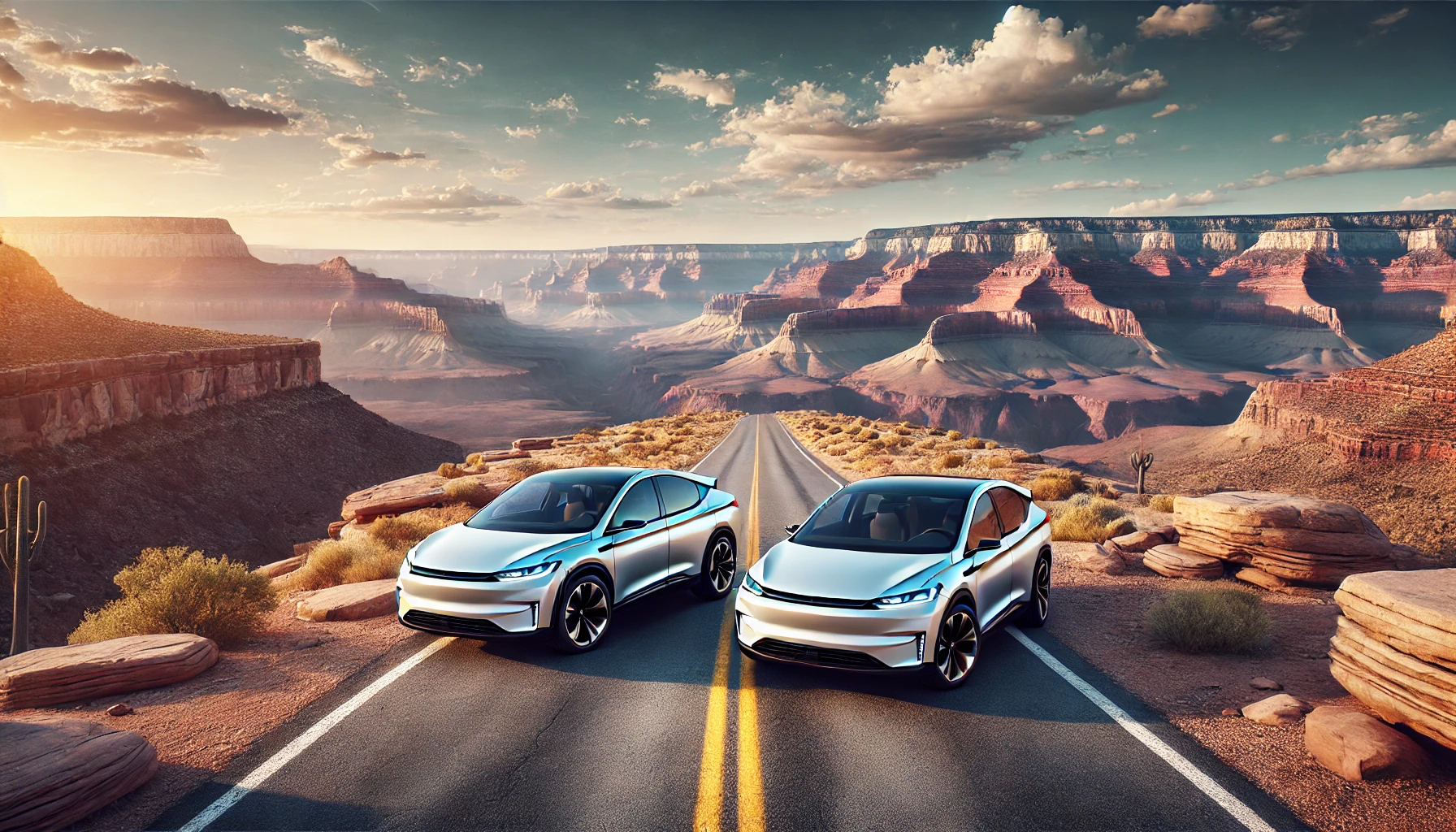
Hydrogen vs Battery

Battery Manufacturing: The Global Race for Gigafactories
Industry Leaders Market Trends Hydrogen vs Battery

Battery Manufacturing: The Global Race for Gigafactories

The rapid expansion of electric vehicles (EVs) has triggered a global industrial transformation centered around one critical component: the battery. At the heart of this transformation is the race to build gigafactories—large-scale battery production facilities capable of supplying the massive demand for energy storage. These factories are not just manufacturing sites; they are strategic assets shaping the future of mobility, energy, and global economic power. As governments push for decarbonization and automakers shift toward electrification, battery production capacity has become one of the most important constraints—and opportunities—in the global economy.
Batteries as Energy Storage: Understanding the Vehicle-to-Home (V2H) Concept
Hydrogen vs Battery Smart Charging Energy Efficiency

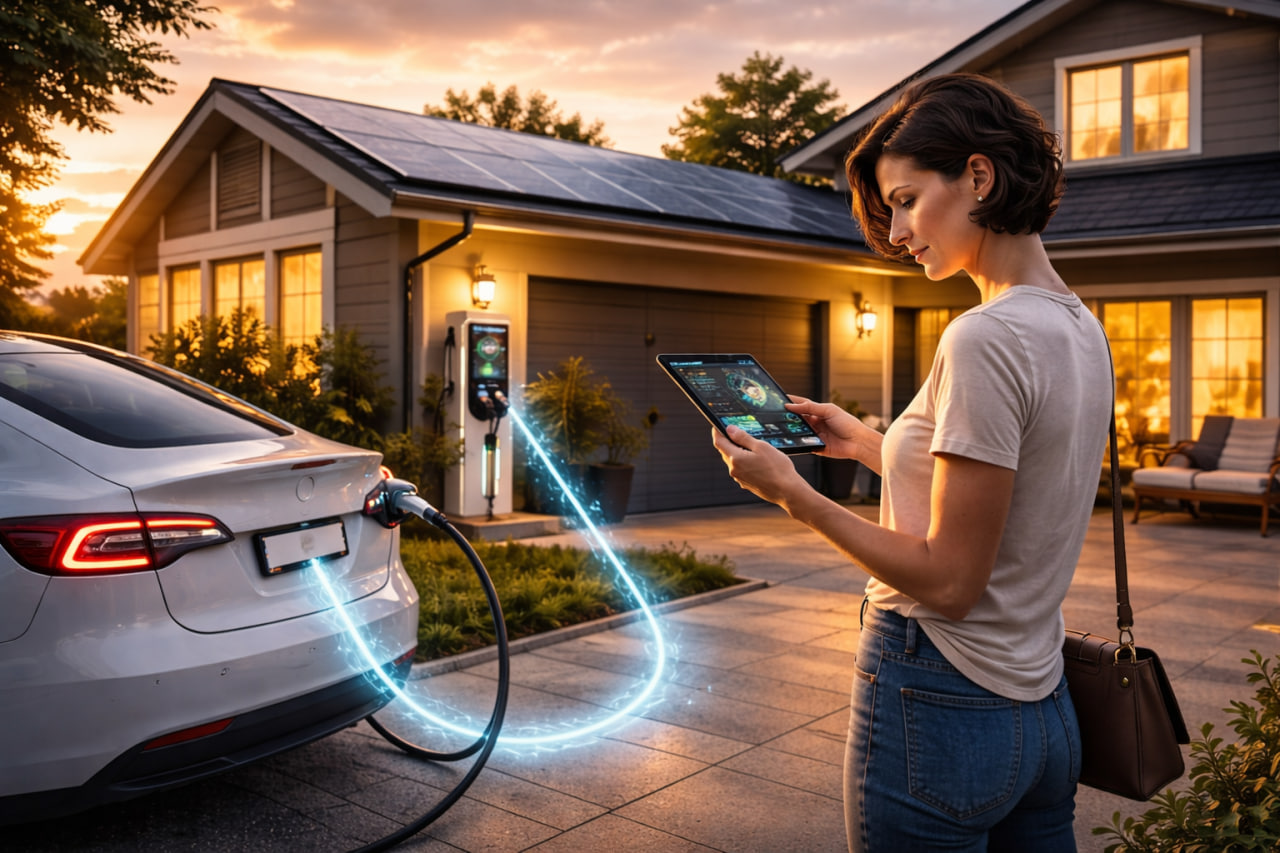
Batteries as Energy Storage: Understanding the Vehicle-to-Home (V2H) Concept

The rapid growth of electric vehicles has introduced a new possibility that extends far beyond transportation. Modern EV batteries are not only energy sources for driving but also powerful mobile energy storage systems. As battery capacities increase and charging technologies improve, these batteries can interact with homes and power systems in new ways. One of the most promising innovations is Vehicle-to-Home (V2H) technology, a system that allows an electric car to supply electricity back to a house when needed. This concept transforms EVs from simple vehicles into flexible energy assets that support energy independence, grid stability, and renewable energy integration.

Fast Charging vs Slow Charging: Pros, Cons, and Impact on Battery Health
Innovations Hydrogen vs Battery Smart Charging

Fast Charging vs Slow Charging: Pros, Cons, and Impact on Battery Health

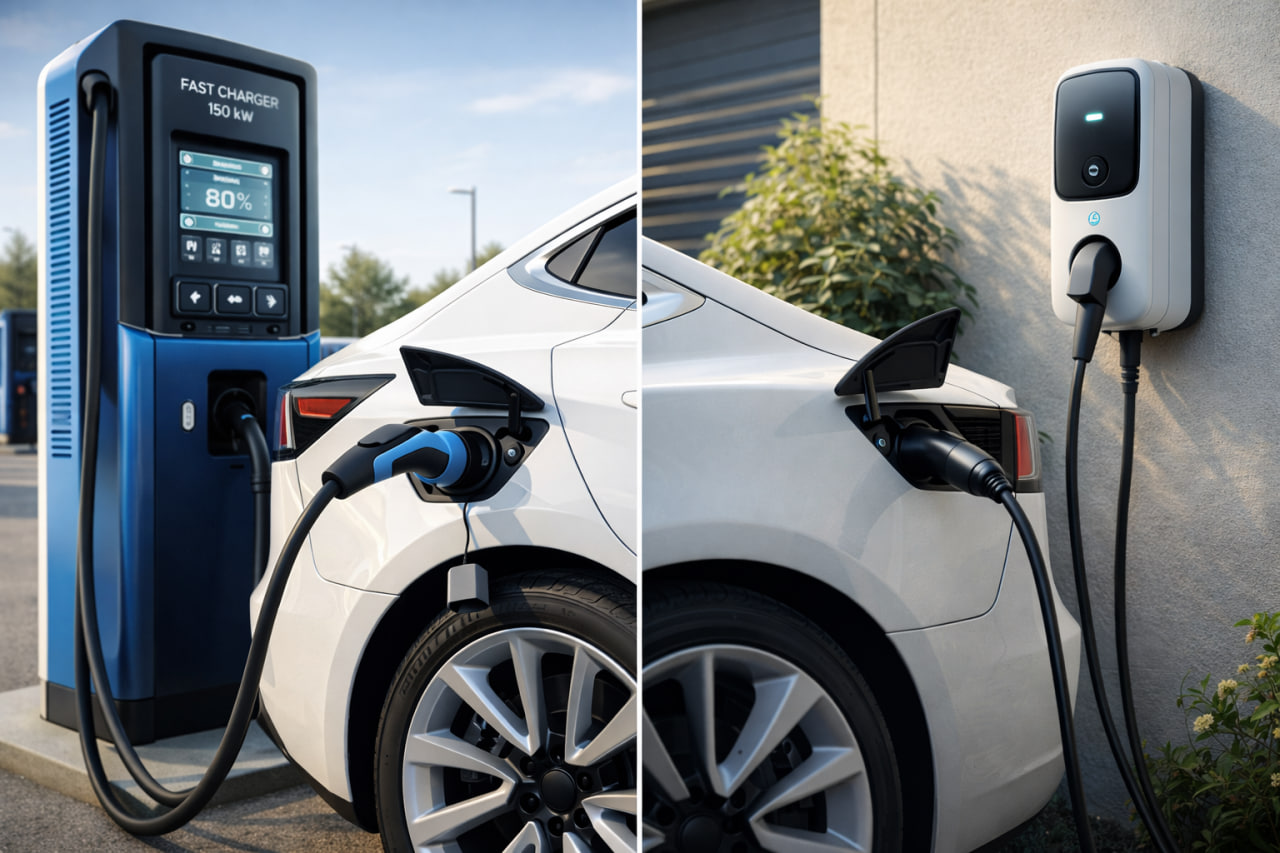
As electric vehicles become mainstream, one of the most debated topics among EV owners is the difference between fast charging and slow charging. While both methods deliver electricity to the battery, they differ significantly in power level, charging speed, infrastructure requirements, and long-term effects on battery health. Understanding these differences helps drivers make smarter decisions that balance convenience, cost, and battery longevity. This guide explains the technical aspects in simple terms while highlighting real-world implications.

How to Calculate Charging Time: kW and kWh Explained in Simple Terms
Customer Engagement Hydrogen vs Battery Smart Charging

How to Calculate Charging Time: kW and kWh Explained in Simple Terms

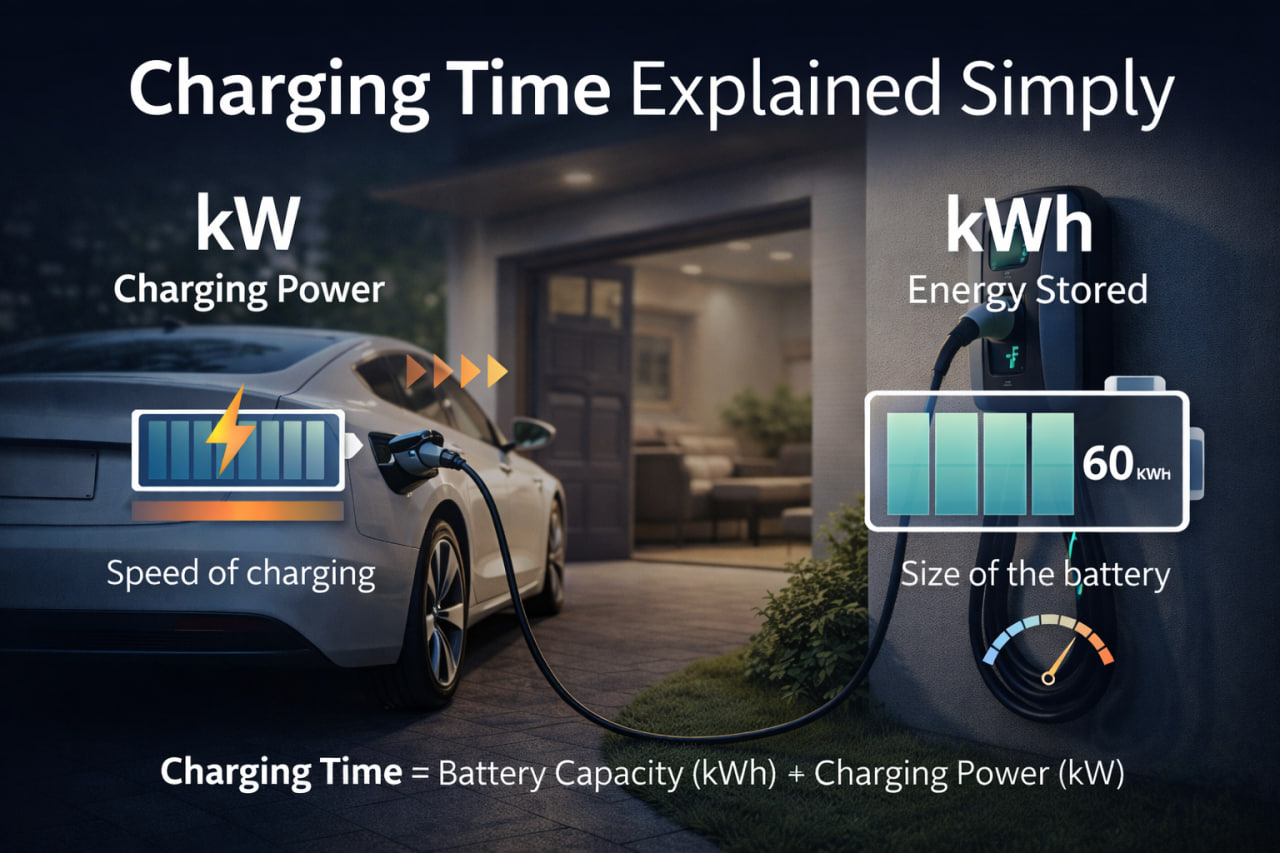
One of the most common questions among electric vehicle owners is how long charging will actually take in real life. Charging time often seems confusing because it involves unfamiliar units such as kilowatts (kW) and kilowatt-hours (kWh), which are frequently mixed up. In reality, understanding charging time does not require technical education—only a clear explanation of how energy and power relate to each other. This article breaks everything down step by step, using simple logic and practical examples.

Public Charging Networks: How Not to End Up With an Empty Battery on the Road
Smart Driving Hydrogen vs Battery Smart Charging

Public Charging Networks: How Not to End Up With an Empty Battery on the Road

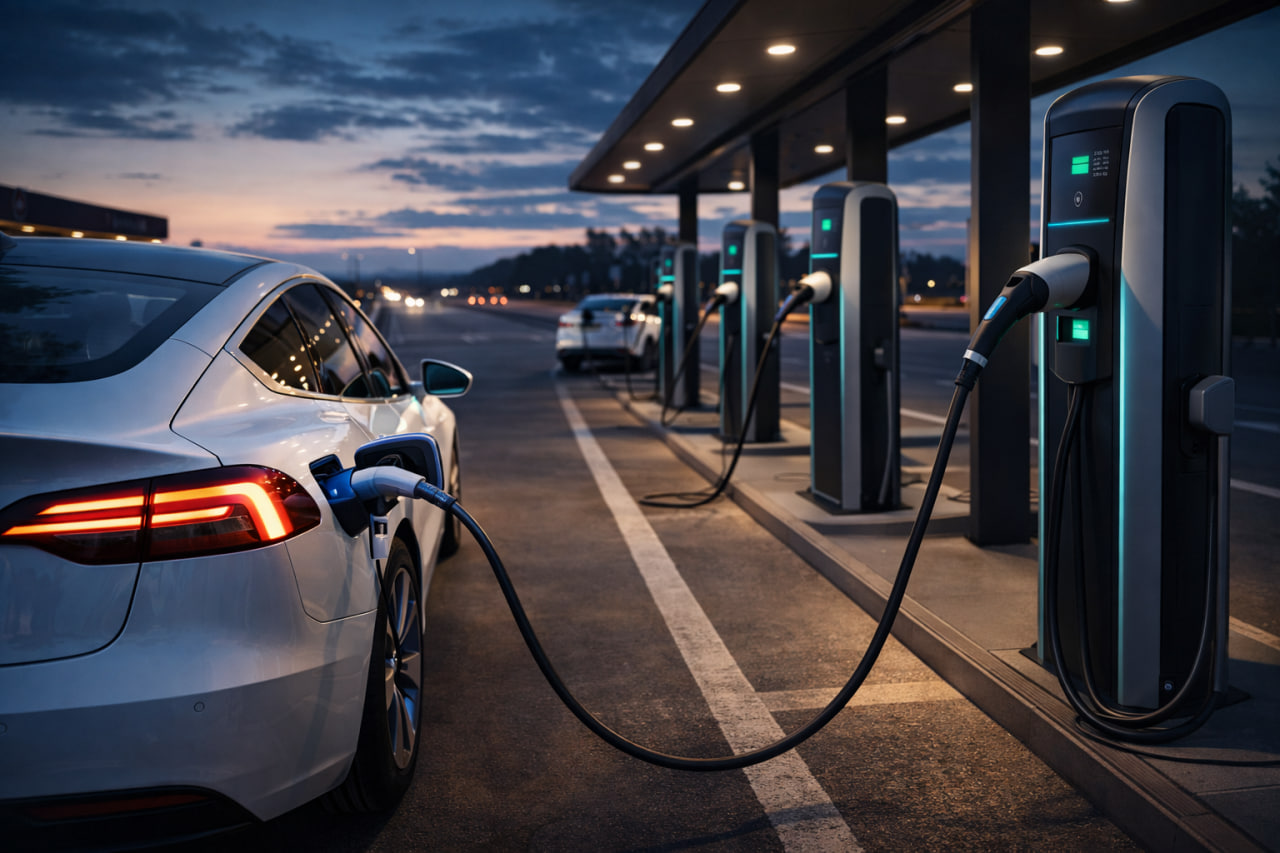
Public charging networks are a critical pillar of electric vehicle mobility, especially for long-distance travel and drivers without access to home charging. While charging infrastructure is expanding rapidly, improper planning or lack of understanding can still lead to stressful situations where an EV driver risks running out of power mid-journey. Knowing how public charging networks work, how to plan routes intelligently, and how to avoid common mistakes allows drivers to travel confidently and efficiently. This guide explains the essentials in clear, practical terms.

What Is a BMS and Why Is It Called the Brain of the Battery?
Hydrogen vs Battery Smart Charging Energy Efficiency

What Is a BMS and Why Is It Called the Brain of the Battery?

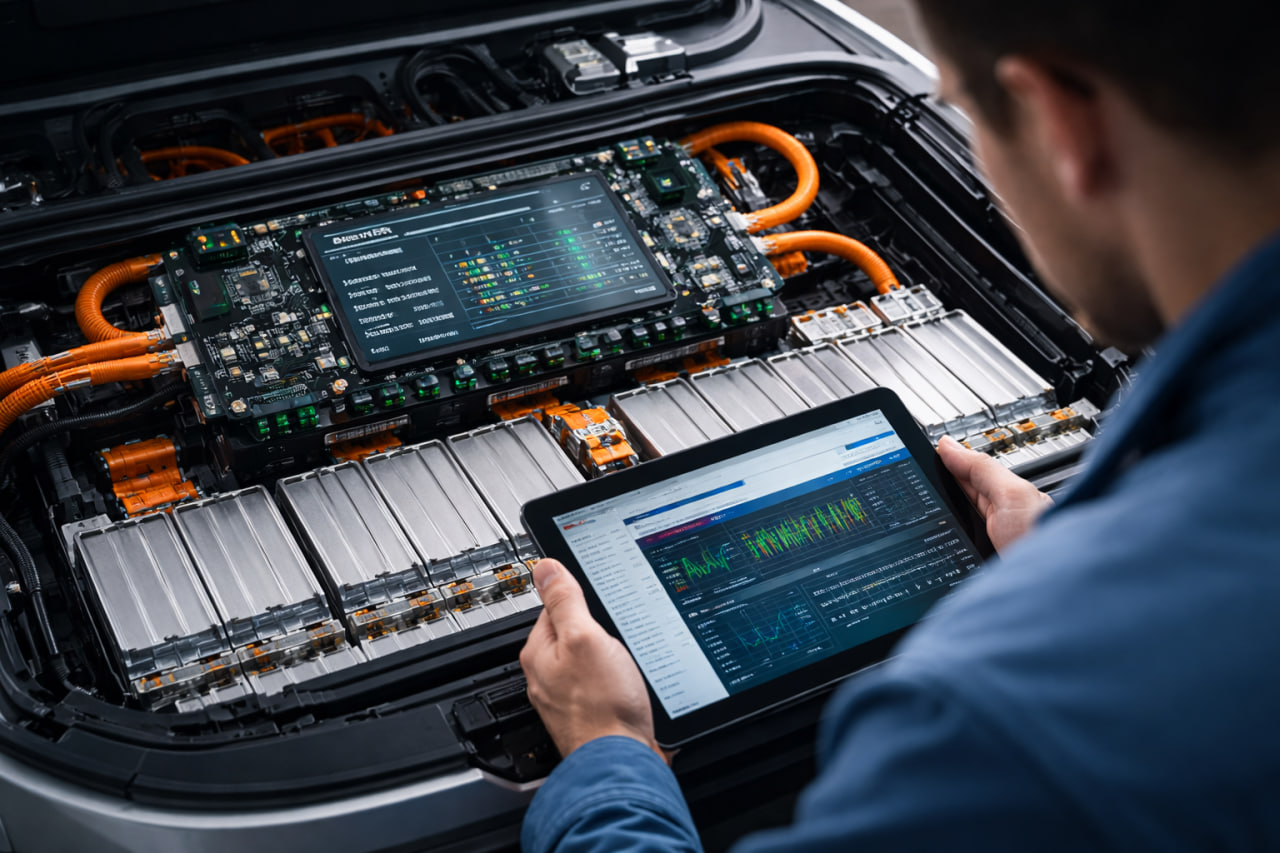
In electric vehicles, the battery is not simply a container for energy but a highly complex system that must operate safely under constantly changing conditions. Voltage levels fluctuate, temperatures rise and fall, and individual cells age at different rates. Managing this complexity is the responsibility of the Battery Management System (BMS), a critical component that determines how efficiently, safely, and reliably the battery performs over its entire lifespan. Without a BMS, modern electric vehicles would be neither practical nor safe for everyday use.

Hydrogen Fuel Cells vs. Battery Electric Vehicles: Which Is Better?
Innovations Hydrogen vs Battery

Hydrogen Fuel Cells vs. Battery Electric Vehicles: Which Is Better?

As the world transitions toward cleaner, more sustainable transportation, two technologies have emerged as frontrunners in the race to replace internal combustion engines: hydrogen fuel cell vehicles (FCEVs) and battery electric vehicles (BEVs). While both offer zero-emission alternatives to traditional gasoline and diesel-powered cars, they operate on fundamentally different principles and come with distinct advantages and challenges. This article explores the differences between hydrogen fuel cell vehicles and battery electric vehicles, examining which technology is better suited to the future of transportation.