
Carbon Footprint of Electric Vehicles: Myths and Reality
Electric vehicles (EVs) are often promoted as a key solution to climate change. However, their environmental impact is frequently debated.
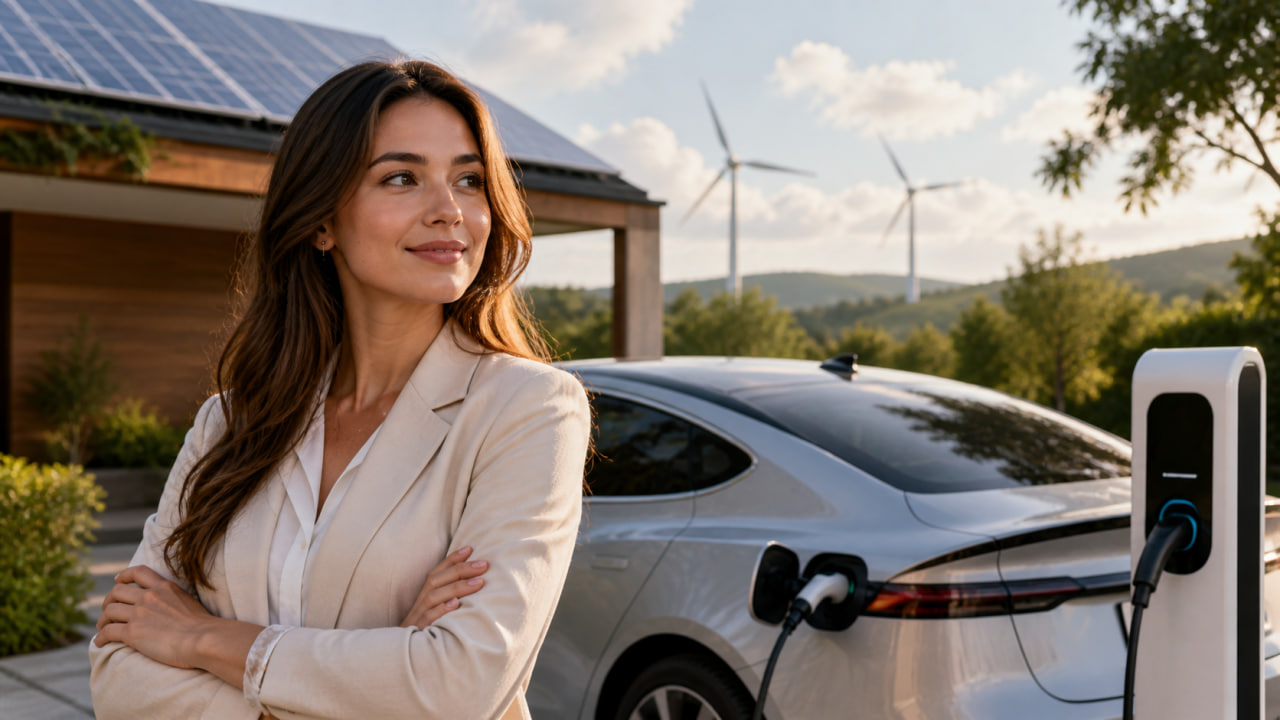
Electric vehicles (EVs) are often promoted as a key solution to climate change. However, their environmental impact is frequently debated.

The rapid expansion of electric vehicles (EVs) and energy storage systems has triggered an unprecedented surge in demand for critical battery materials—particularly lithium and cobalt.
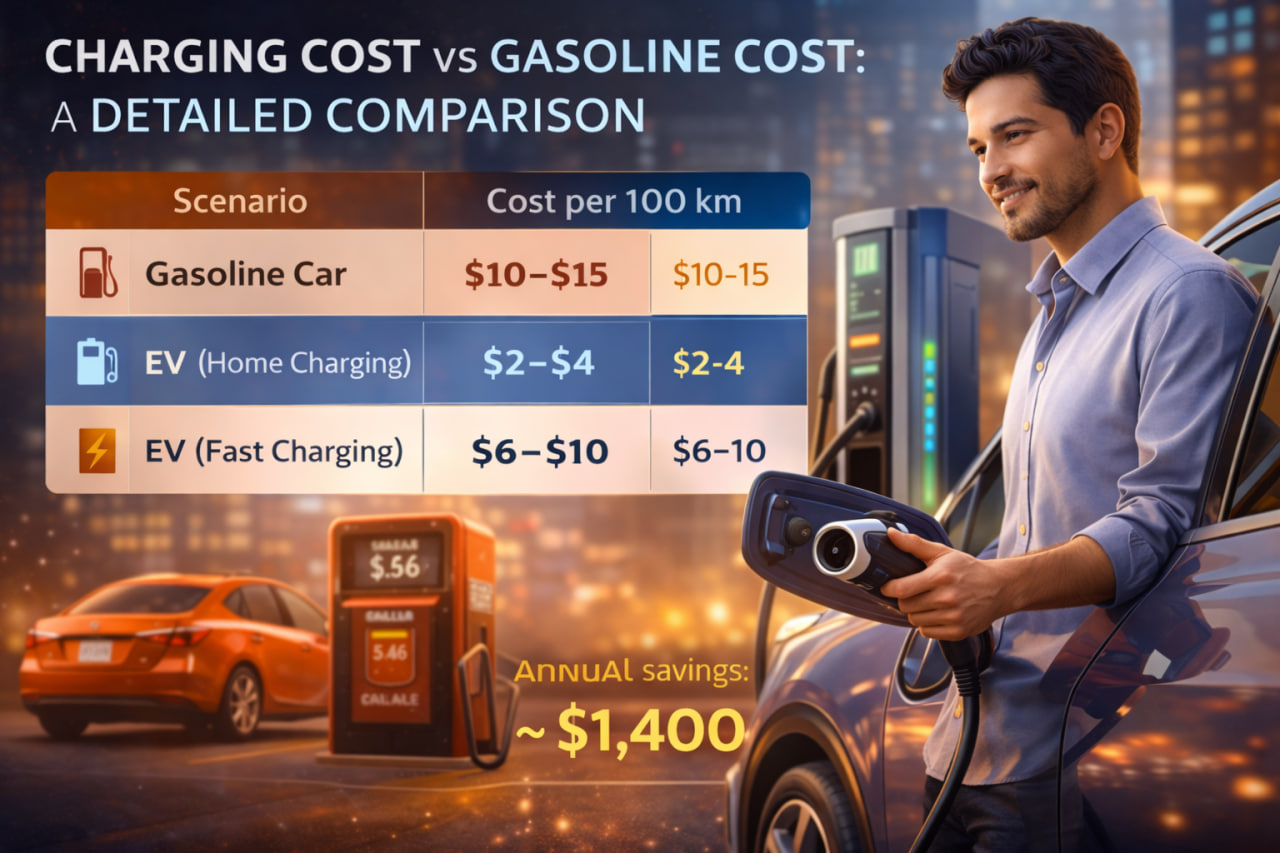
As electric vehicles (EVs) become more popular, one of the most common questions is: is it actually cheaper to drive on electricity than gasoline?

Electric vehicles are often associated with innovation, efficiency, and sustainability, but like any complex technology, they come with specific risks that drivers should clearly understand.
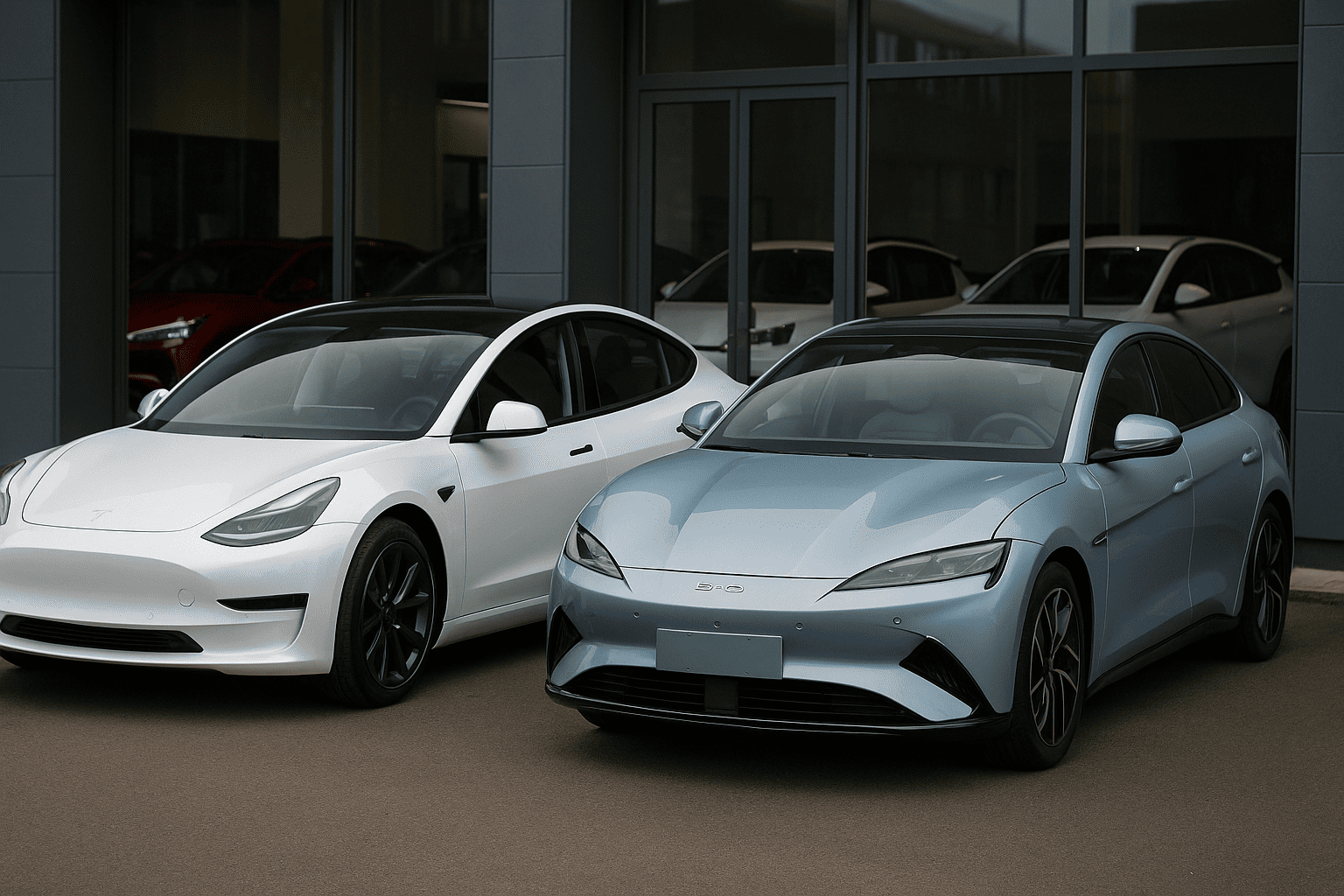
The global EV market has entered its most ruthless phase yet: a price war where scale, supply chains, and software decide who eats and who gets eaten.
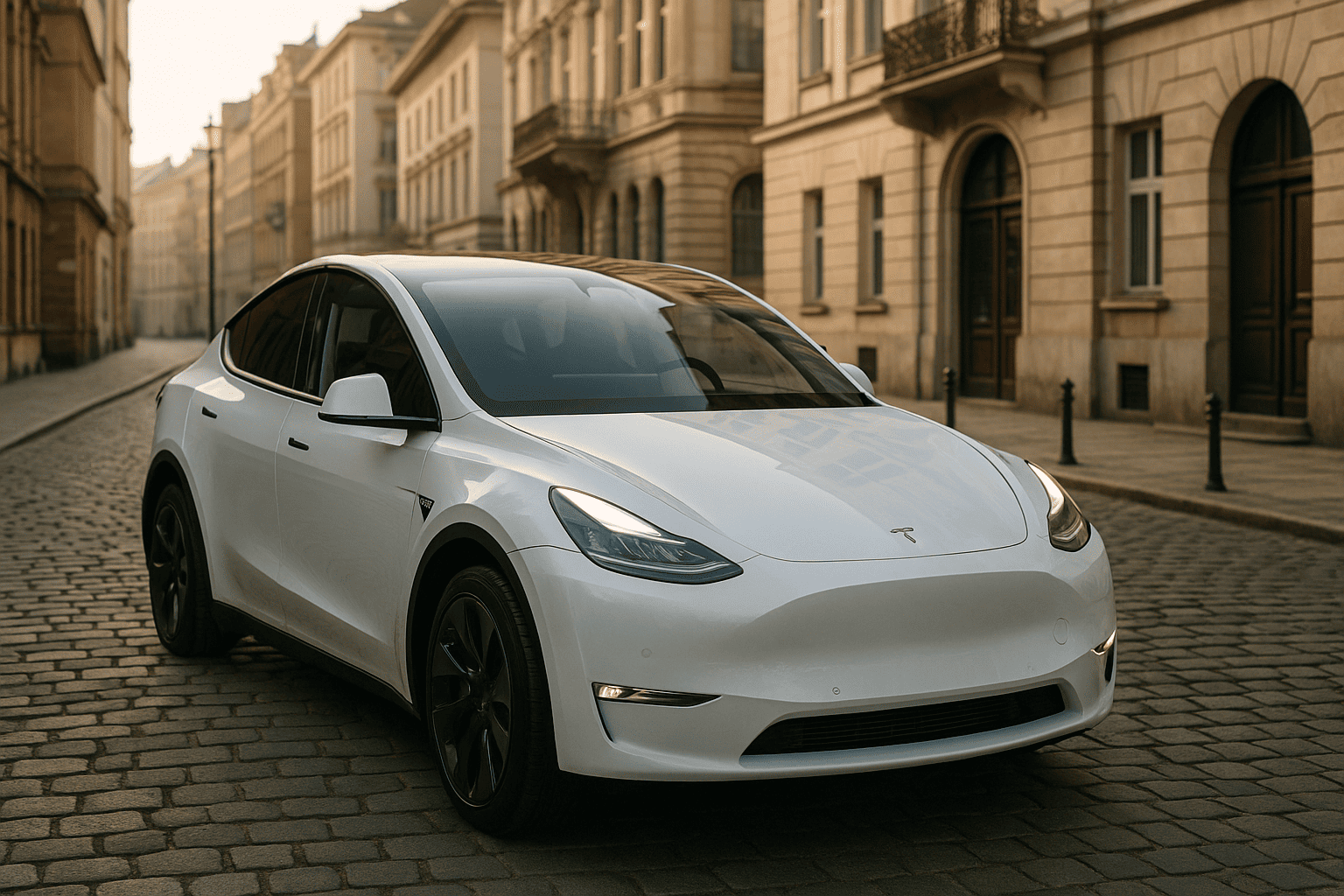
The Tesla Model Y didn’t just arrive in Europe—it colonized the leaderboard. What looks like a familiar midsize crossover hides a ruthless focus on efficiency, manufacturing, software, and...
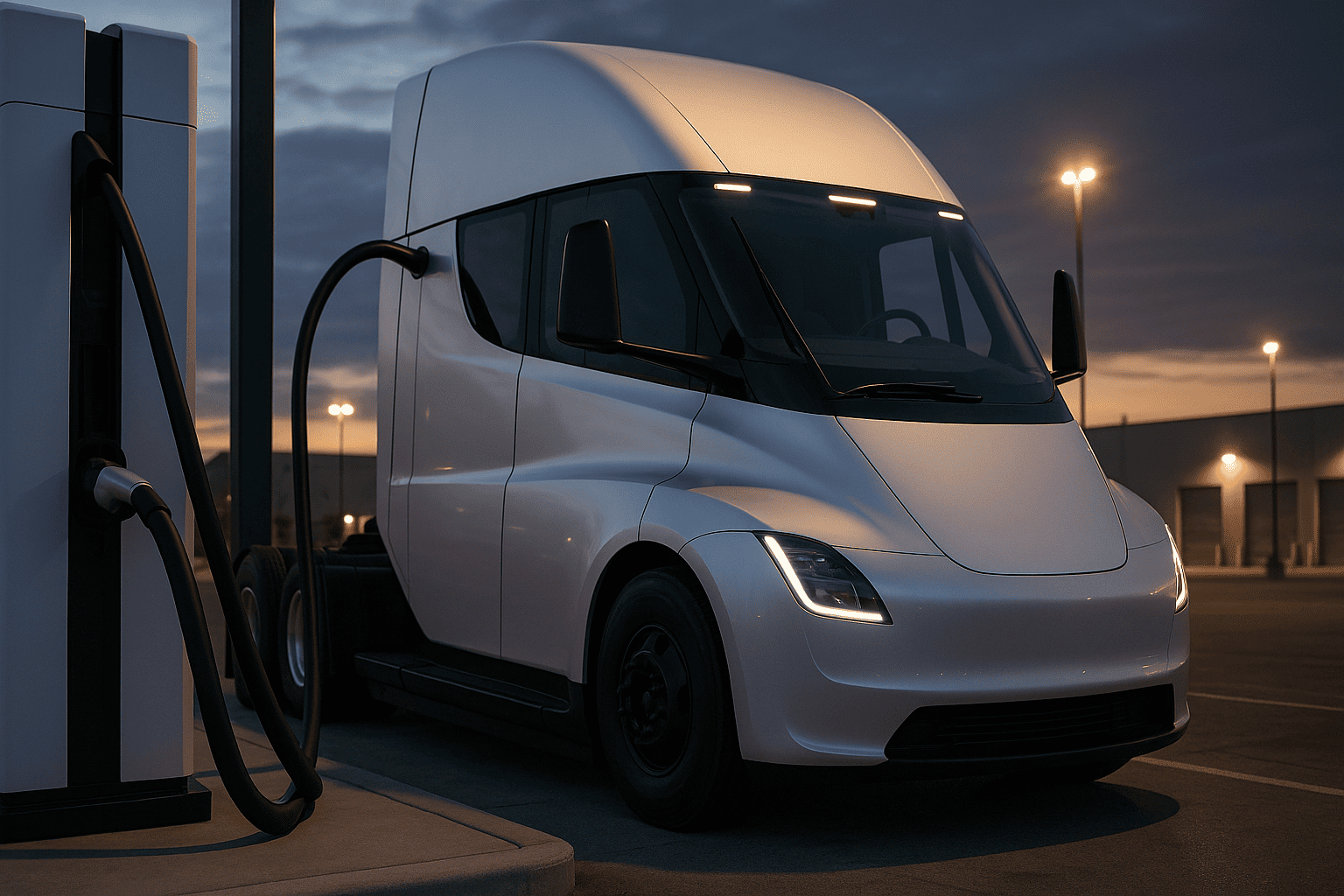
Electric long-haul is no longer hypothetical—it’s a spreadsheet exercise. For the Tesla Semi, total cost of ownership (TCO) hinges on three levers: energy price vs.
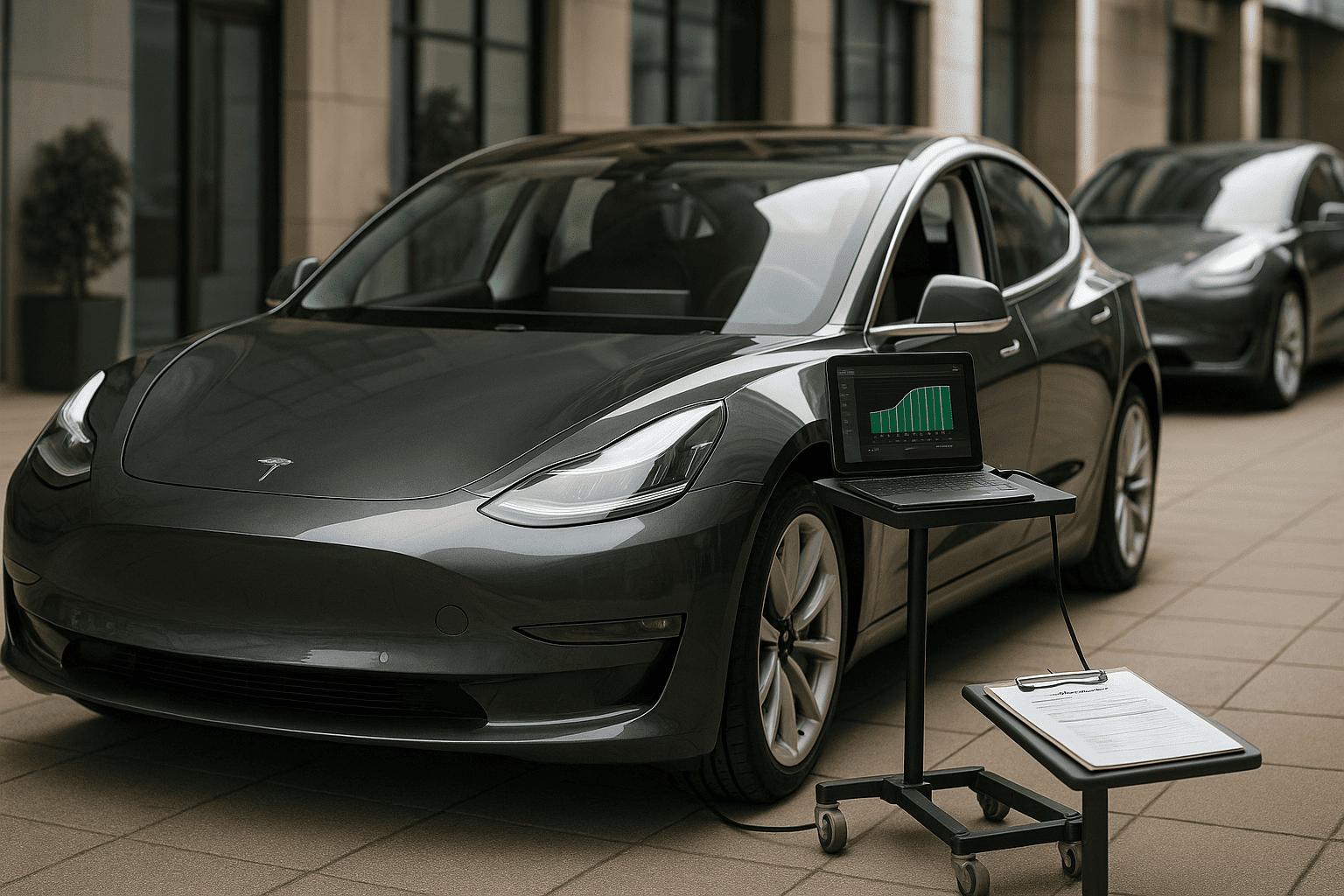
Shopping for a pre-owned Tesla can be fantastic value—if you know how to assess the battery’s health, the car’s hardware generation, and the software history that ties it all together.
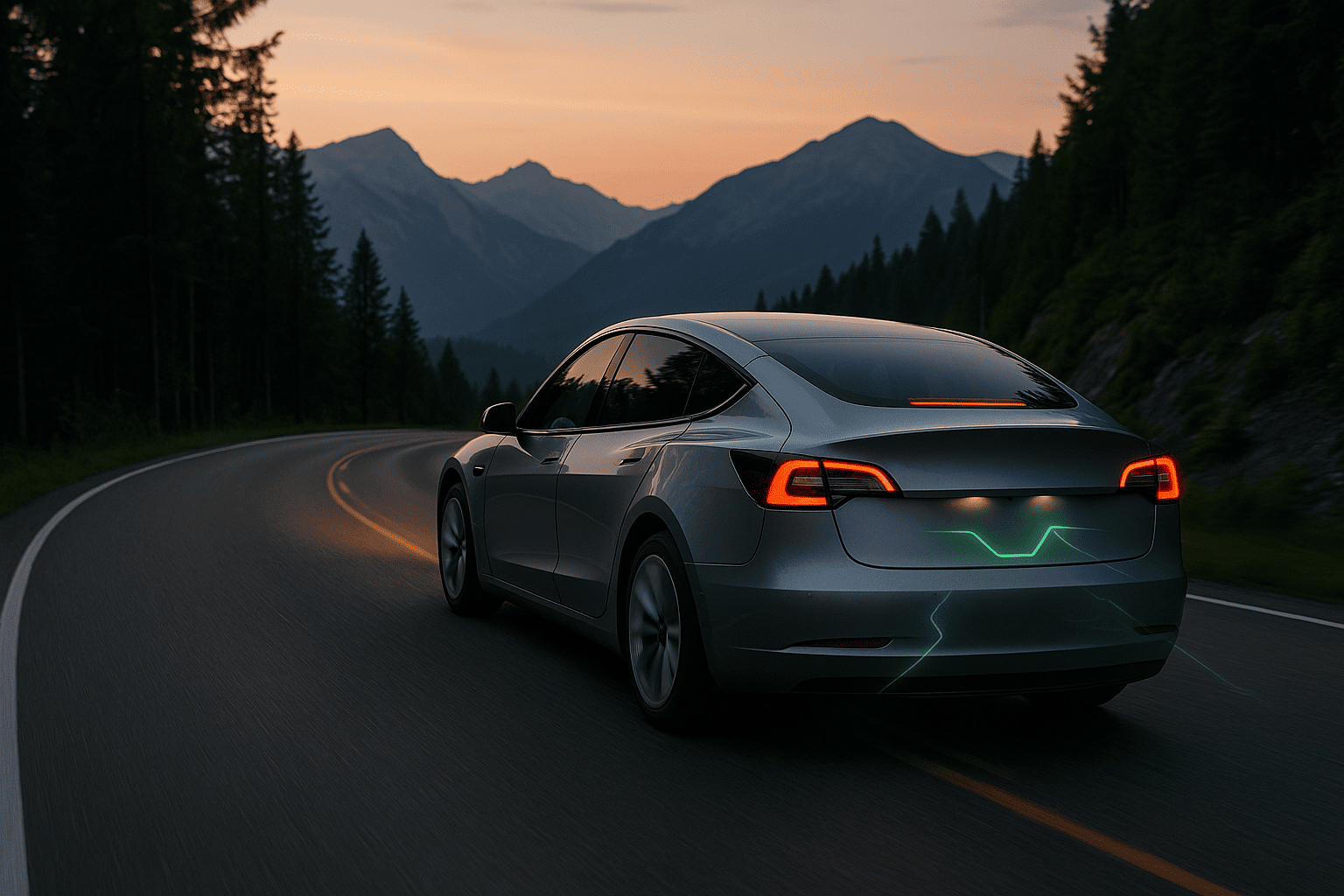
One-pedal driving is one of the signature EV experiences, and Tesla’s strong regenerative braking (regen) makes it especially compelling.

Electric vehicles change the game on performance, maintenance, and energy costs—but insurance has its own learning curve.