
How Artificial Intelligence Is Being Integrated Into Electric Cars
Electric vehicles are often described as batteries on wheels, but that description is becoming outdated.
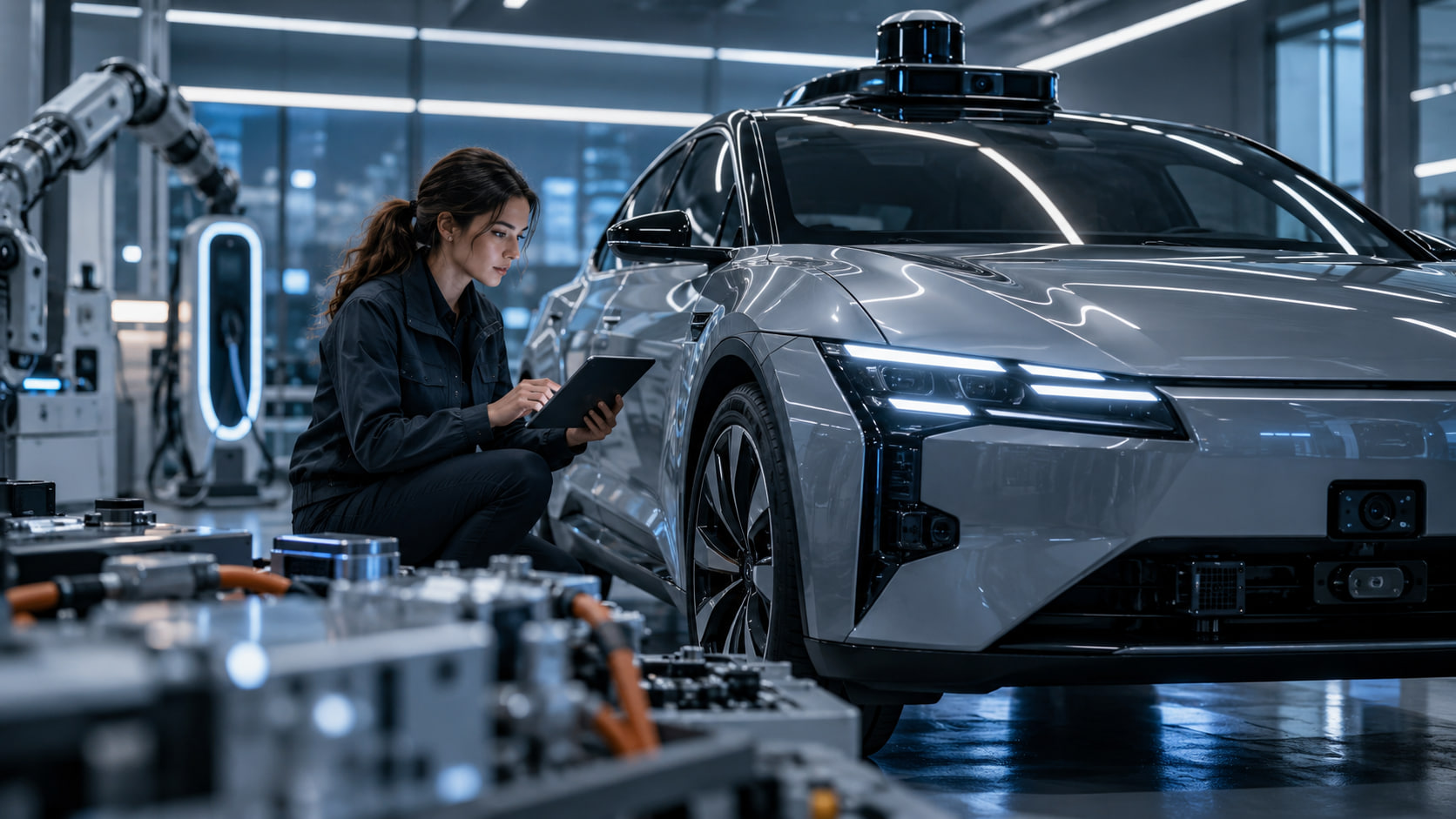
Electric vehicles are often described as batteries on wheels, but that description is becoming outdated.

Electric vehicles are rapidly moving beyond private cars and delivery vans. The next frontier is far more demanding: emergency services.
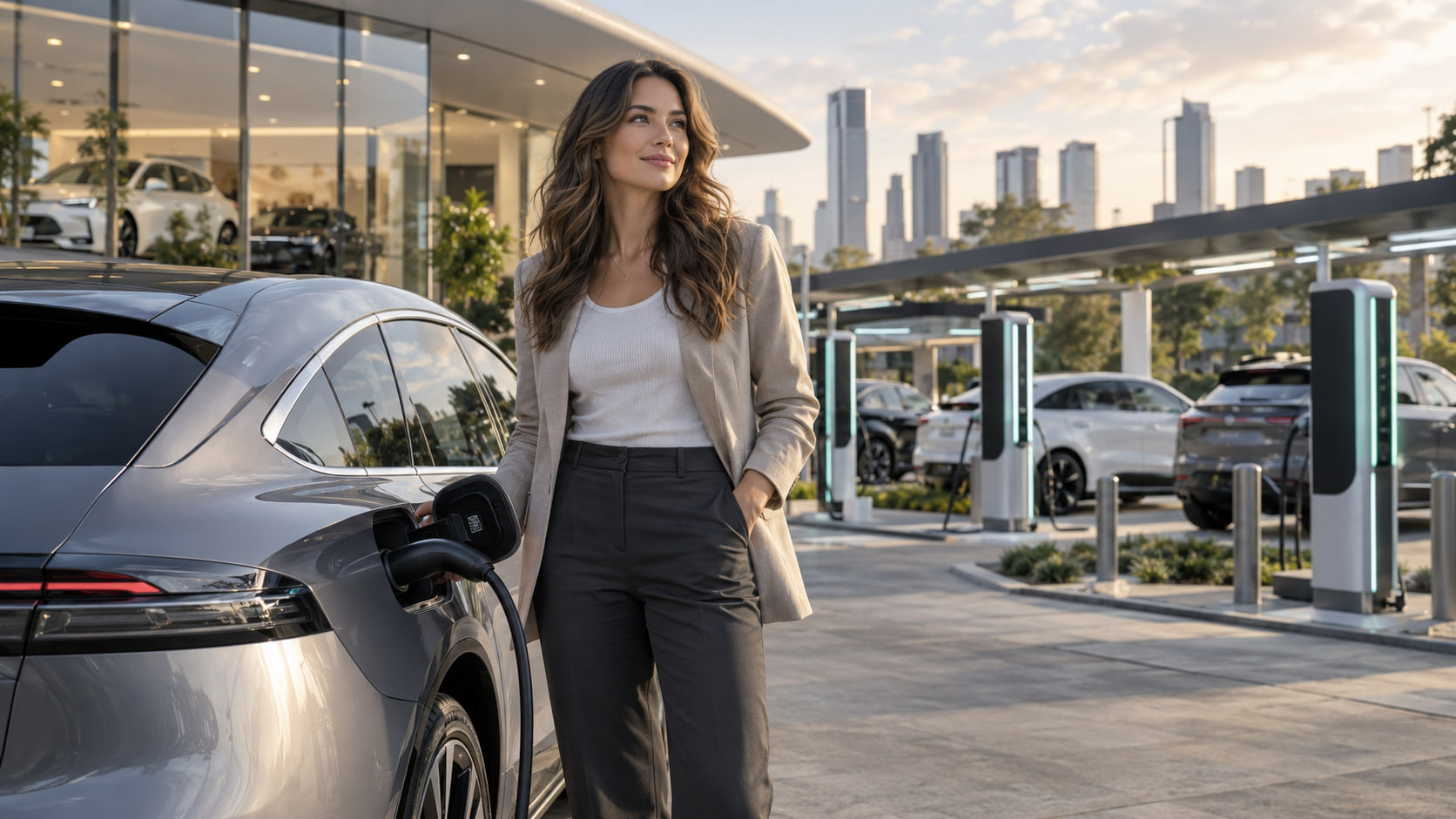
A decade ago, electric cars were still treated as an experiment by much of the automotive industry.
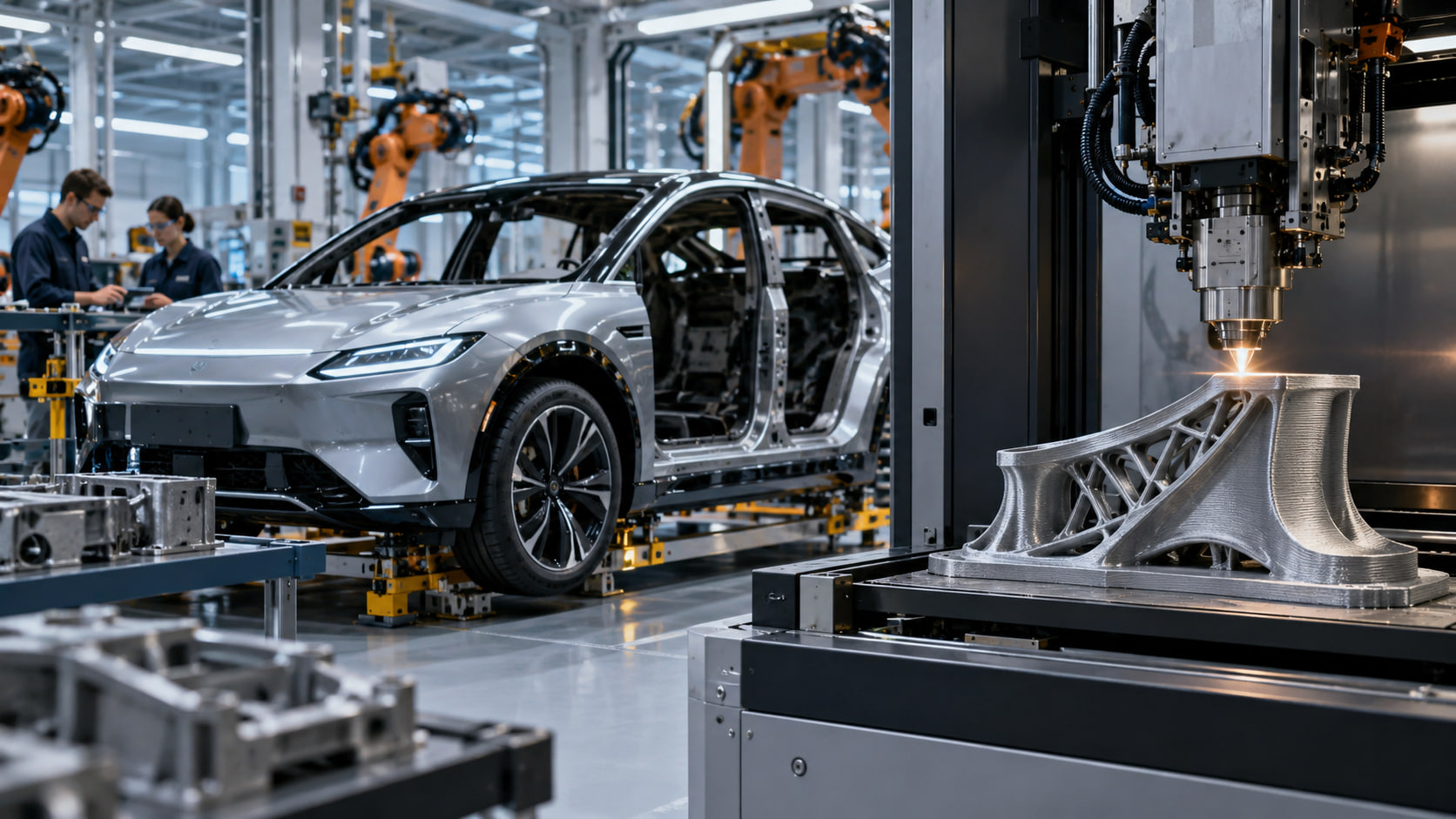
Also known as additive manufacturing, 3D printing allows manufacturers to create components layer by layer directly from digital models.
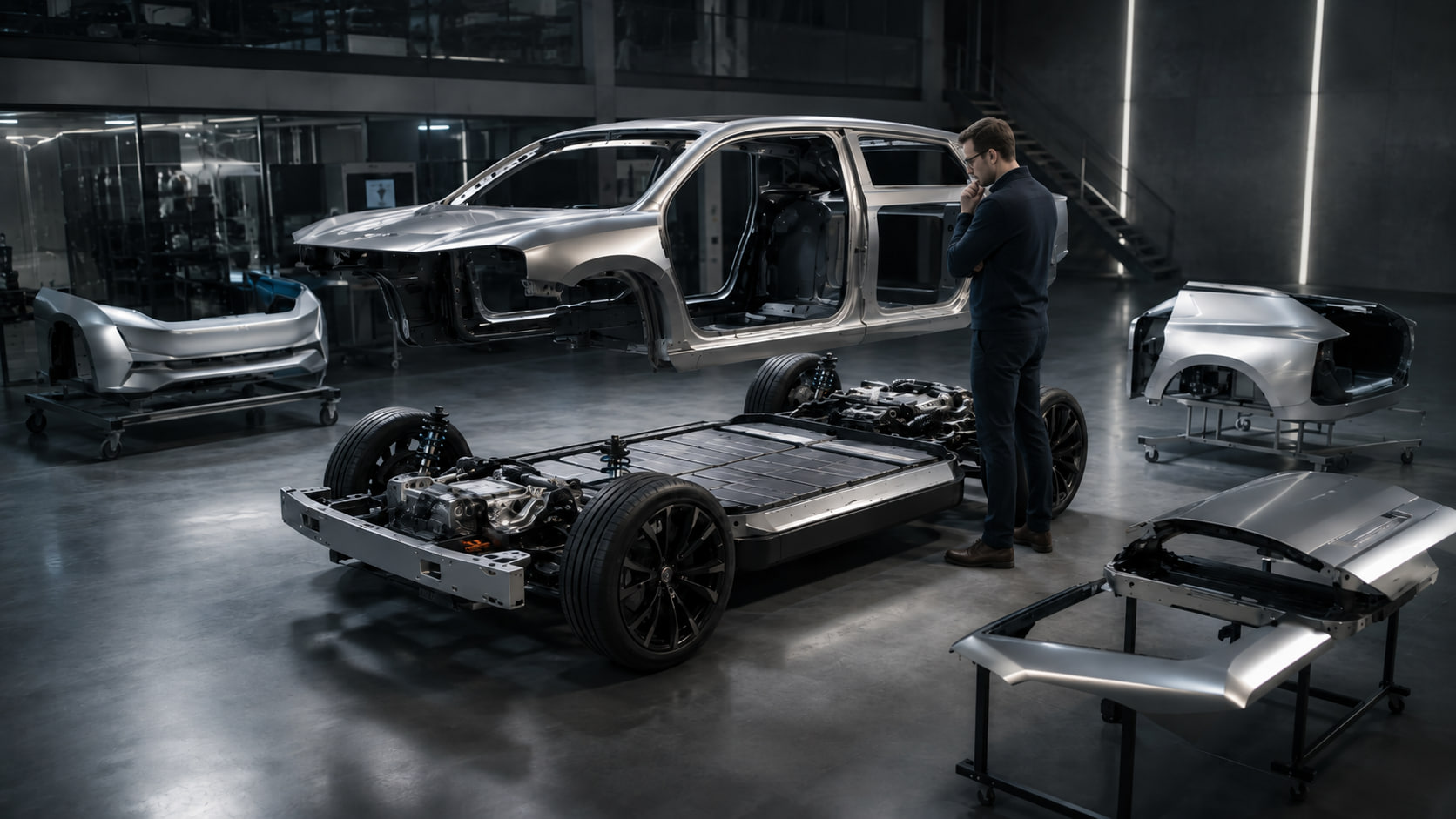
Electric vehicles are already changing the automobile at a mechanical level. The engine, transmission, exhaust system, fuel tank, and much of the traditional drivetrain disappear, leaving...
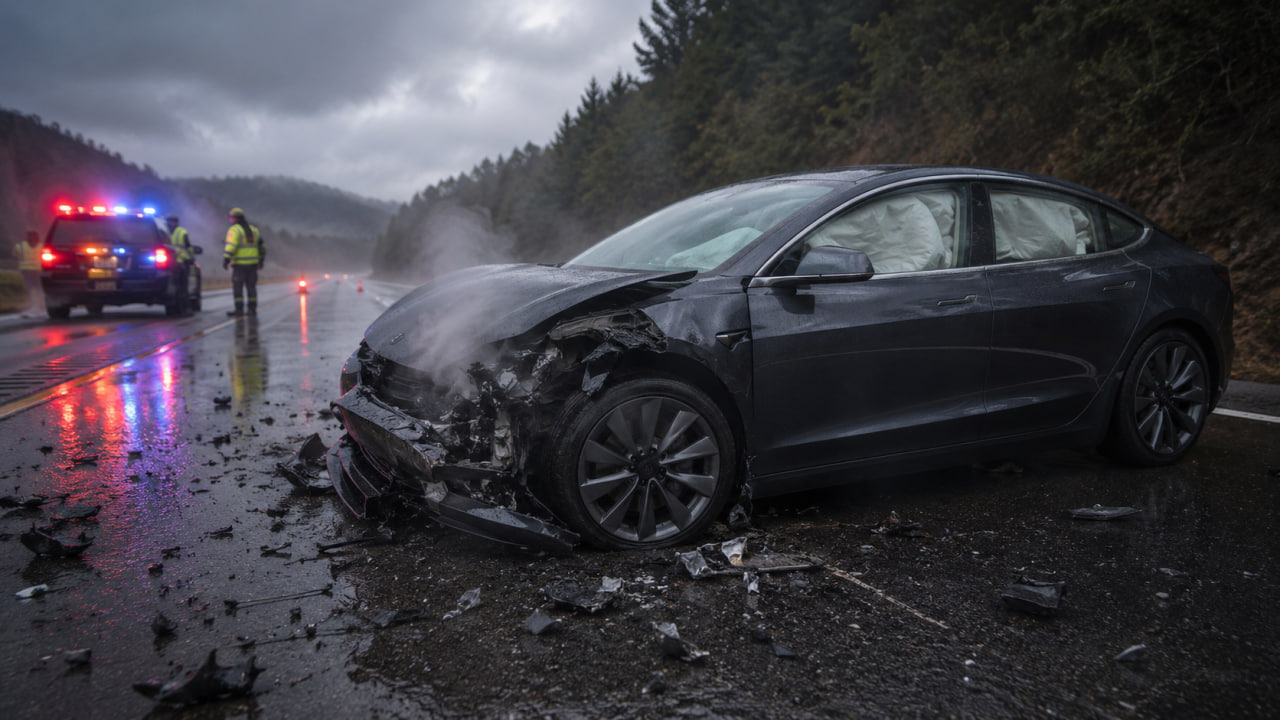
The concern is understandable. A modern electric car may carry a high-voltage battery containing tens or even more than 100 kilowatt-hours of stored energy.
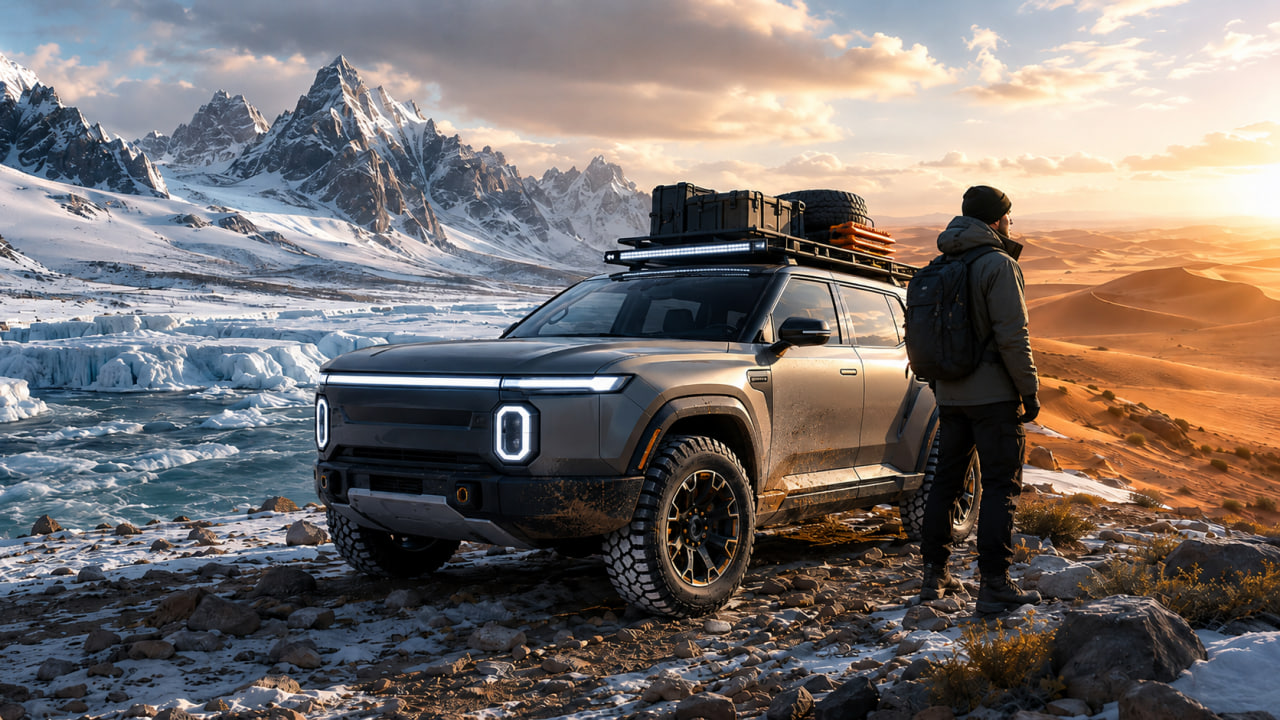
Electric vehicles are often judged by how they perform on highways, in cities, and during daily commuting. But some drivers need far more.
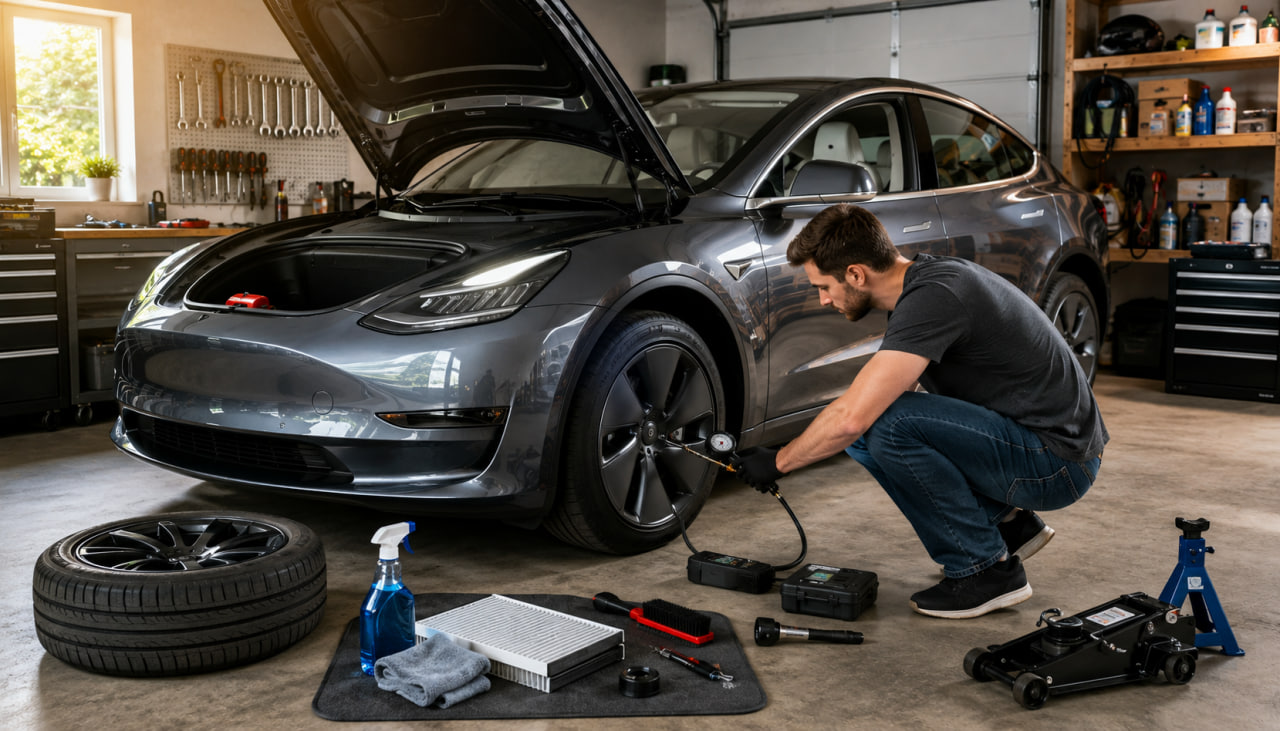
Electric cars require less routine mechanical maintenance than gasoline or diesel vehicles, but they are not maintenance-free.
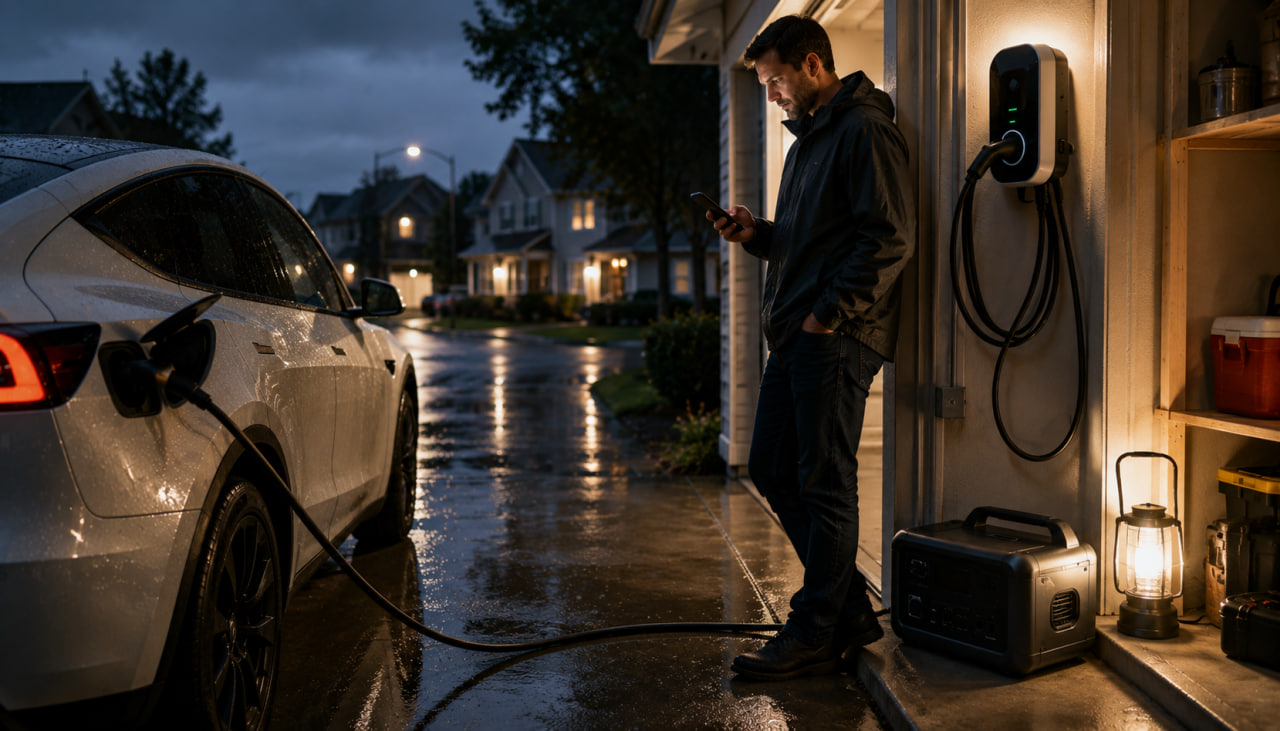
Regional power outages can disrupt homes, businesses, traffic systems, fuel stations, and public charging networks.
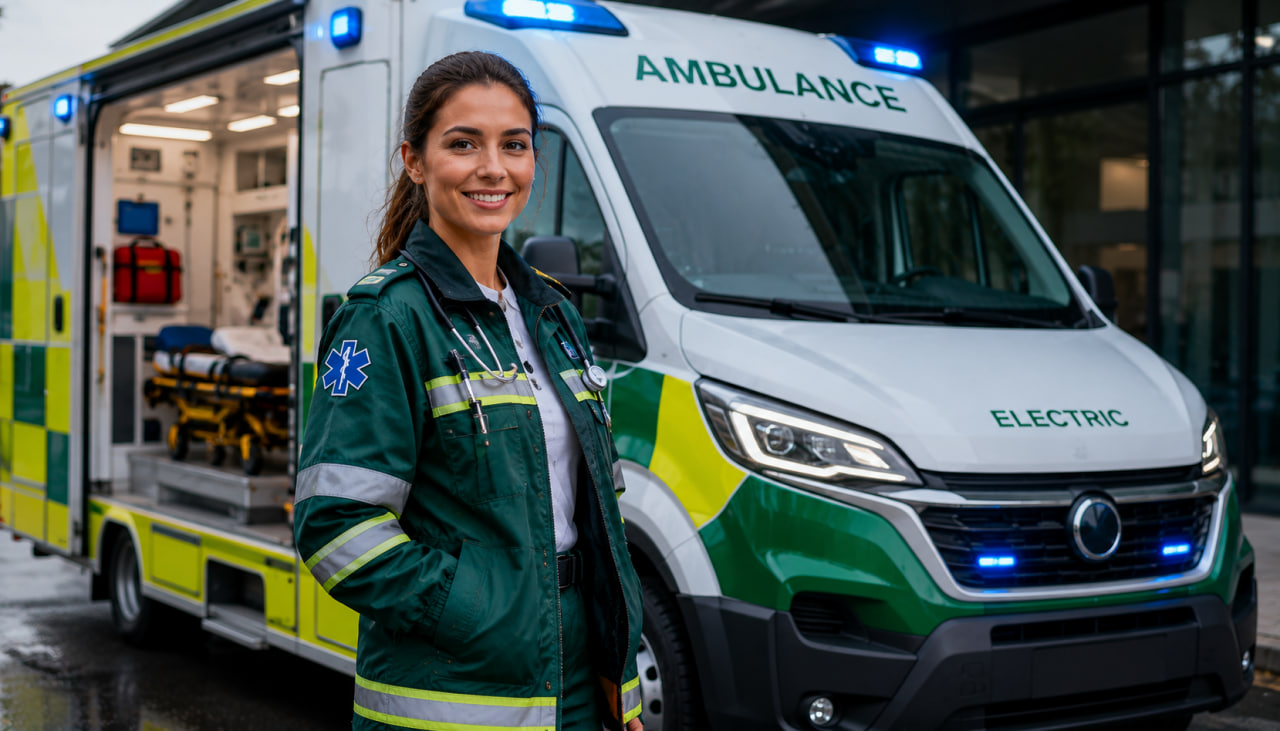
Electric vehicles are moving far beyond private cars, delivery vans, and city buses. Ambulance services, fire departments, municipal authorities, airports, police forces, utility companies...