
How Paid Ultra-Fast Charging Works: Pricing Models and Subscription Systems
As electric vehicles become mainstream, ultra-fast charging (UFC) networks are expanding rapidly along highways and in urban hubs.
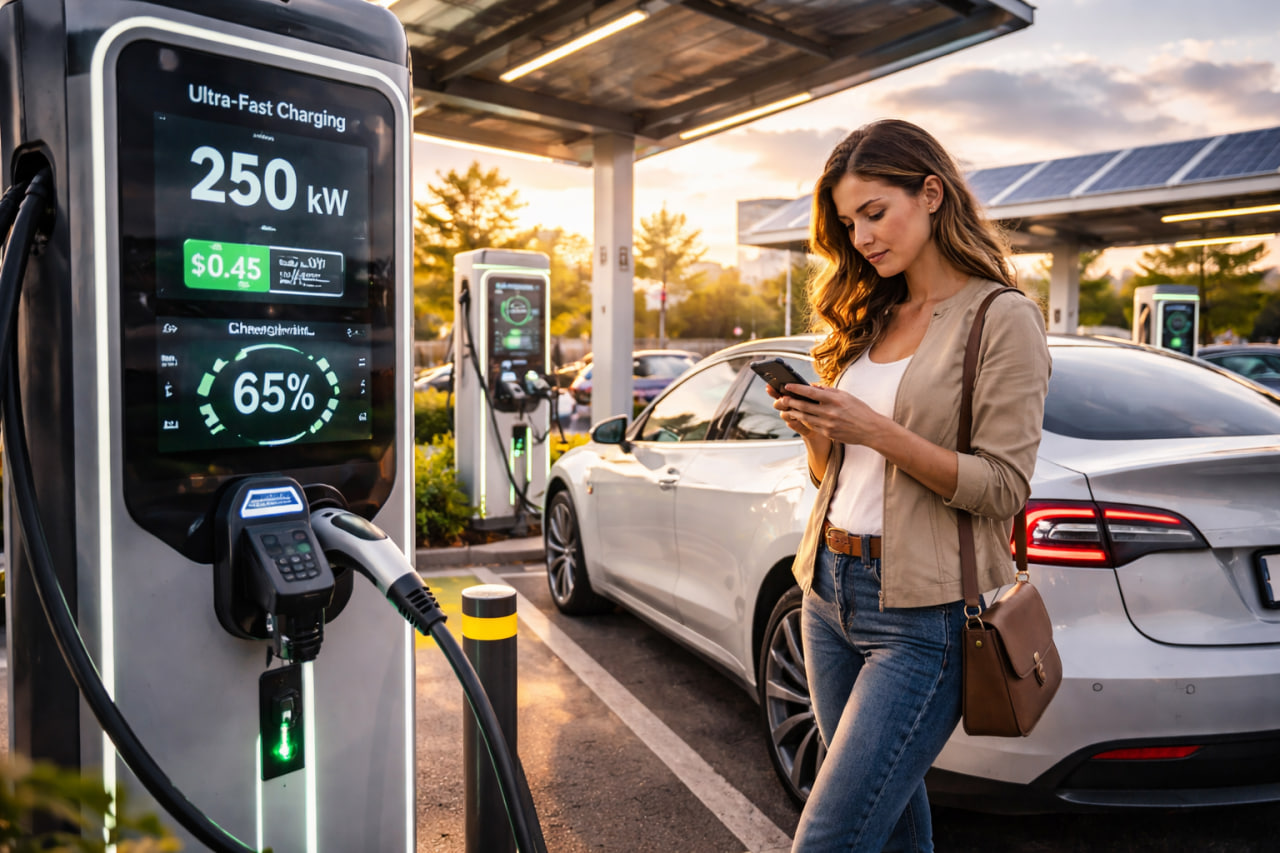
As electric vehicles become mainstream, ultra-fast charging (UFC) networks are expanding rapidly along highways and in urban hubs.
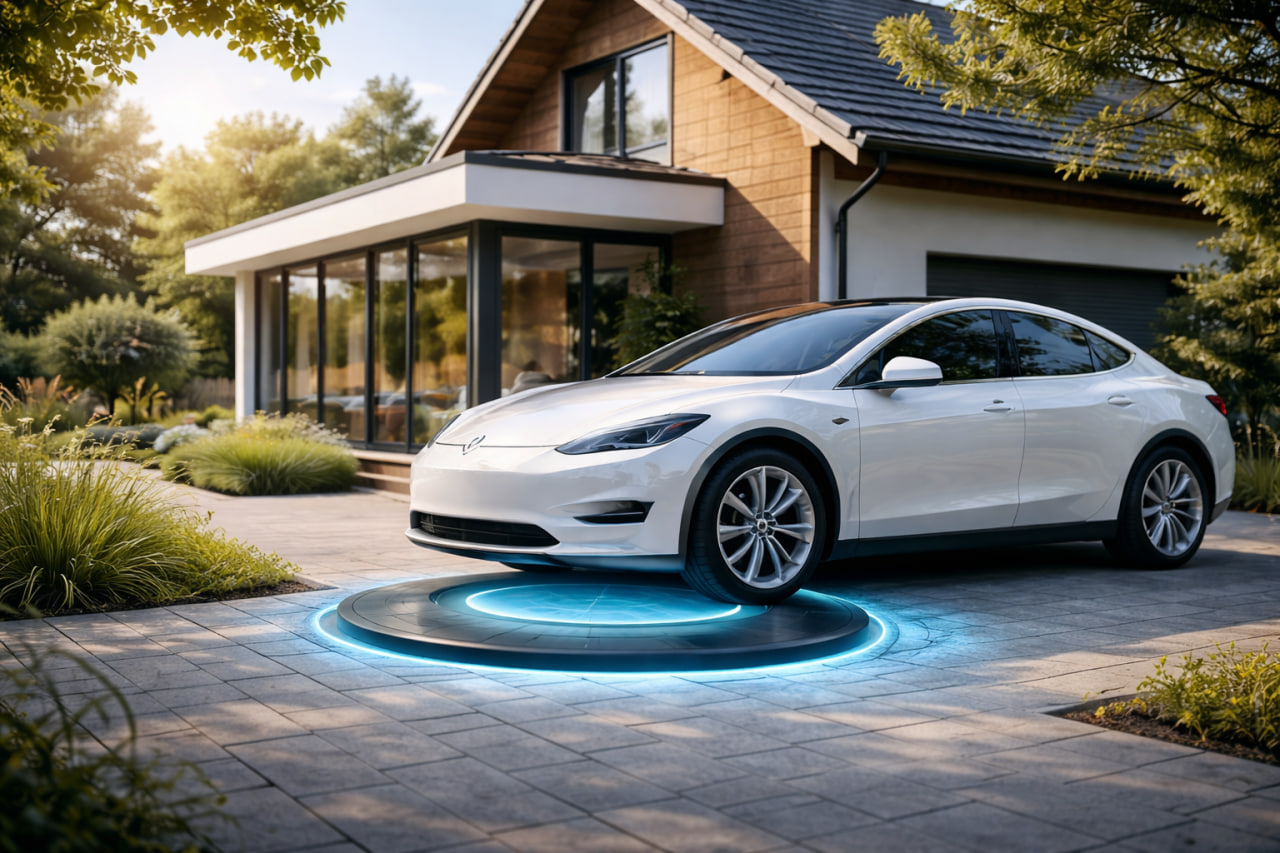
Wireless charging for electric vehicles has long been considered a futuristic concept, yet it is already moving from experimental testing into real-world deployment.
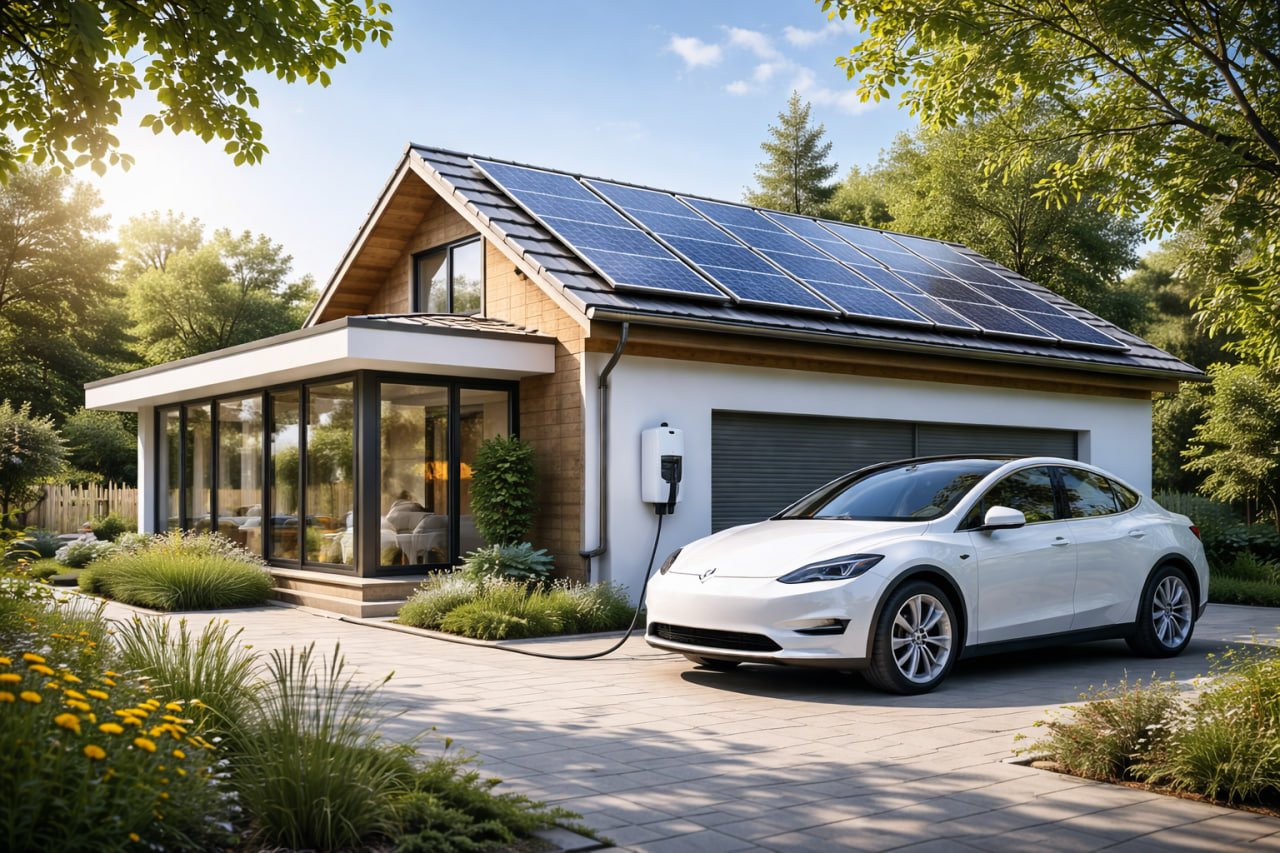
As electric vehicles become more common, many owners begin asking a logical next question: can an EV be charged directly from solar panels?
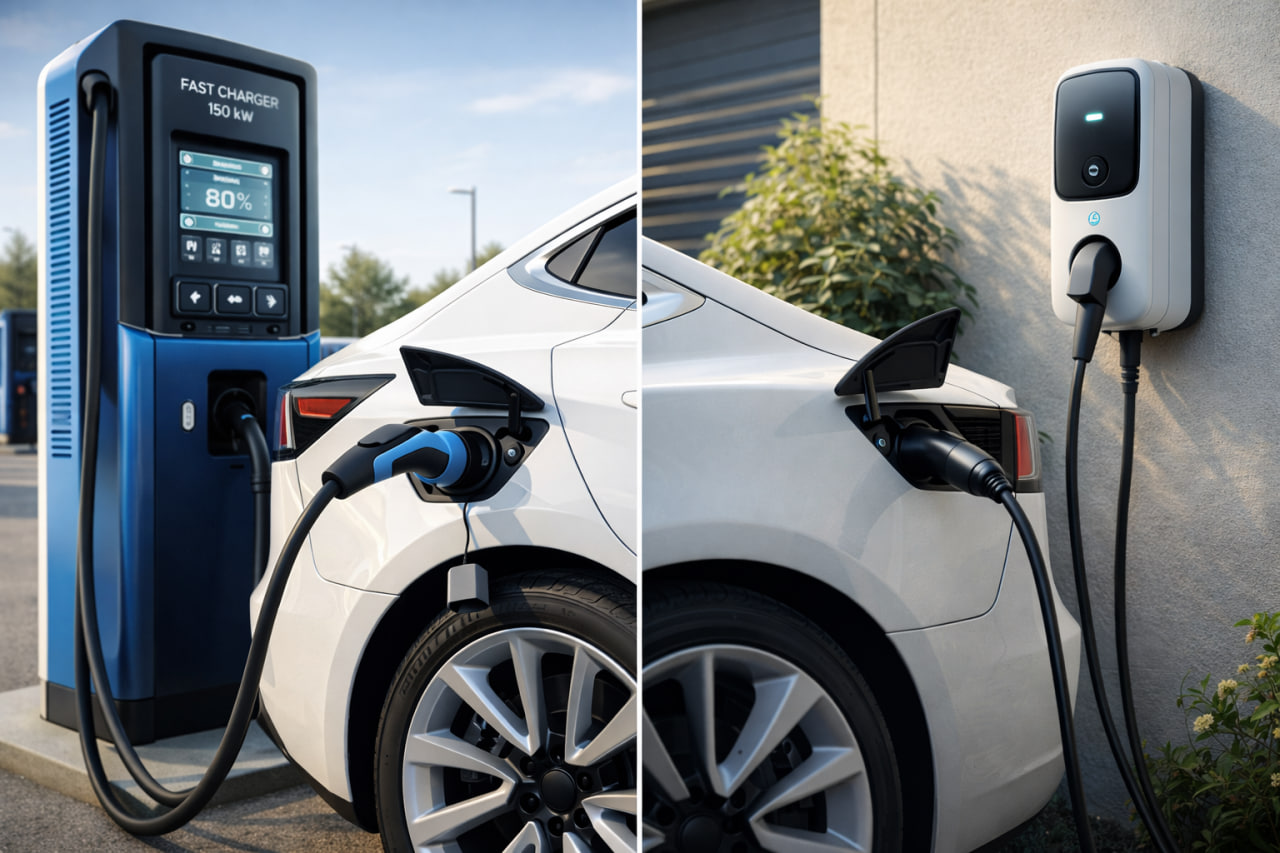
As electric vehicles become mainstream, one of the most debated topics among EV owners is the difference between fast charging and slow charging.
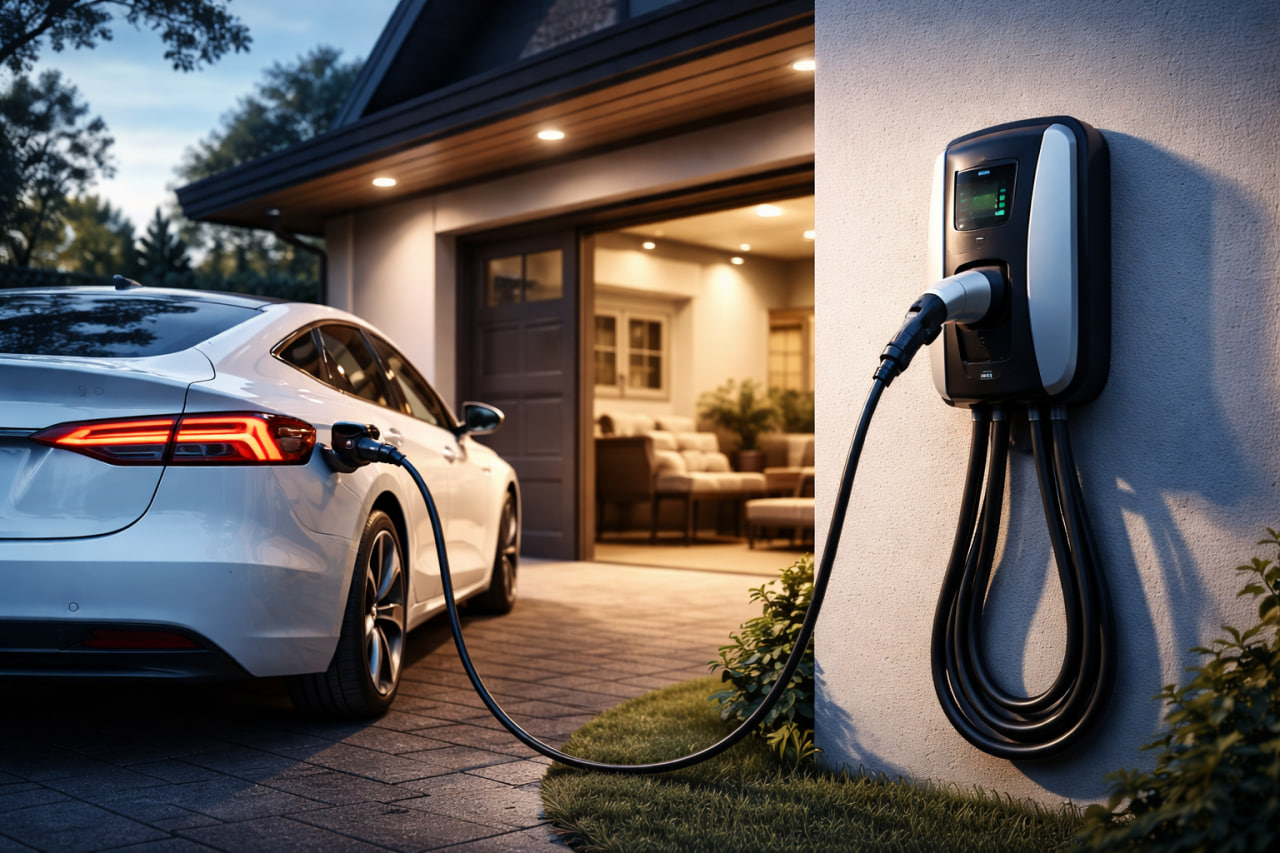
As electric vehicles become part of everyday life, a home charging station is increasingly viewed not as a luxury, but as a practical necessity.
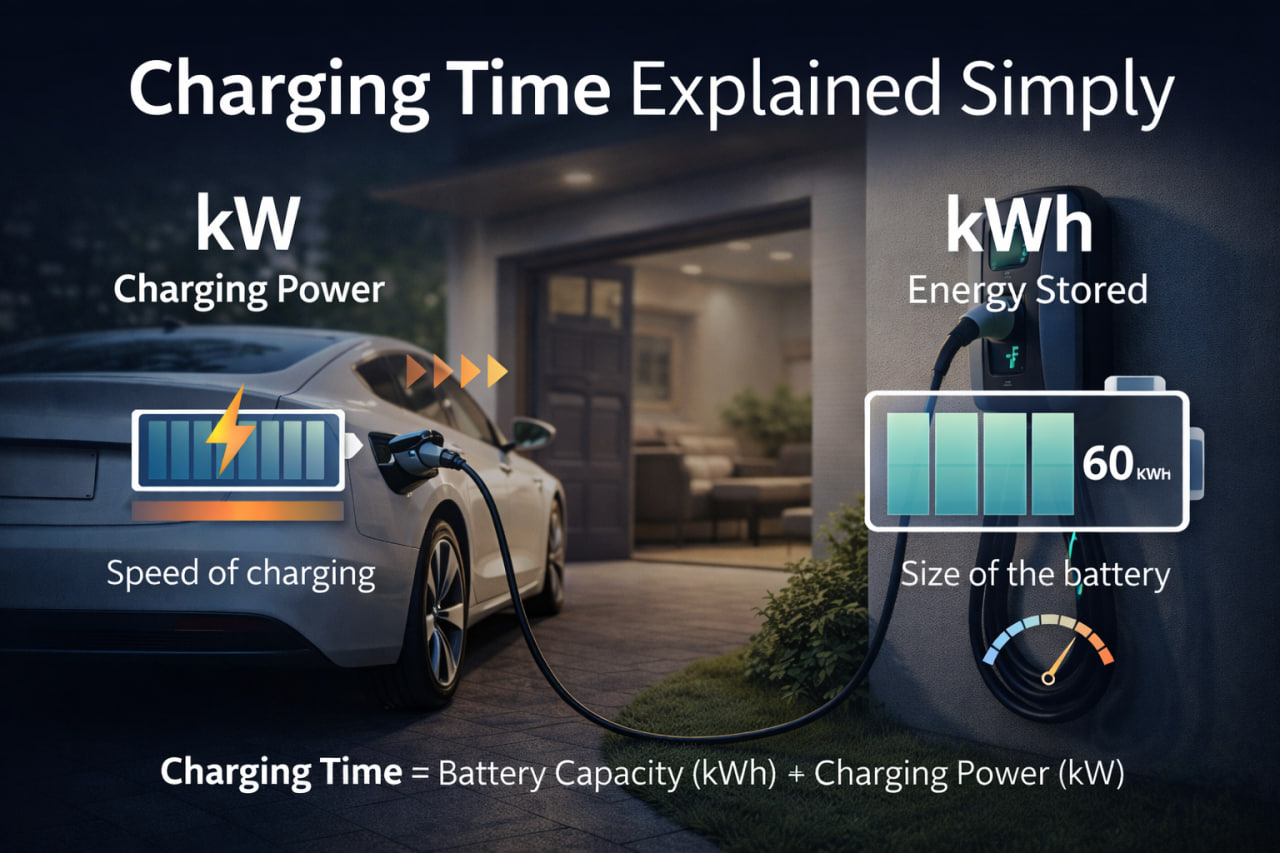
One of the most common questions among electric vehicle owners is how long charging will actually take in real life.
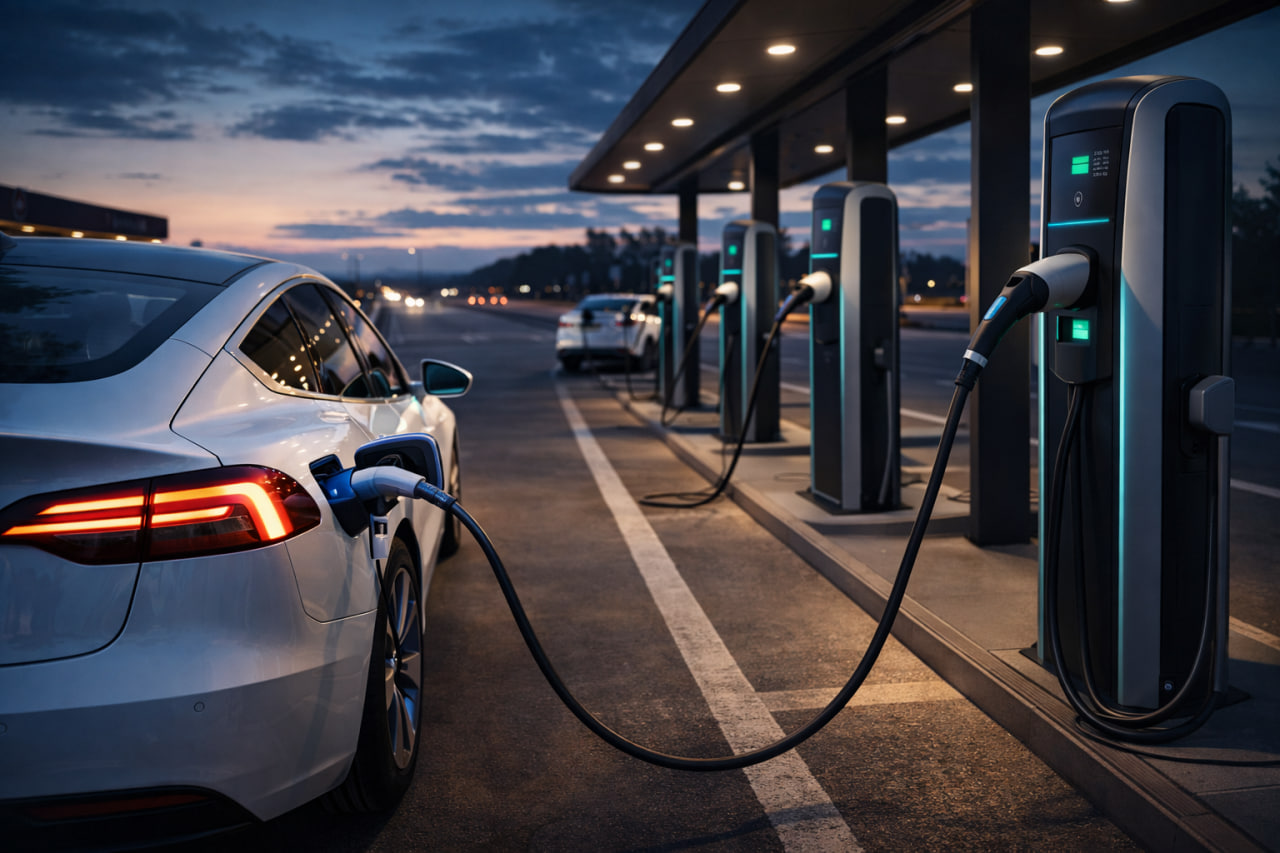
Public charging networks are a critical pillar of electric vehicle mobility, especially for long-distance travel and drivers without access to home charging.
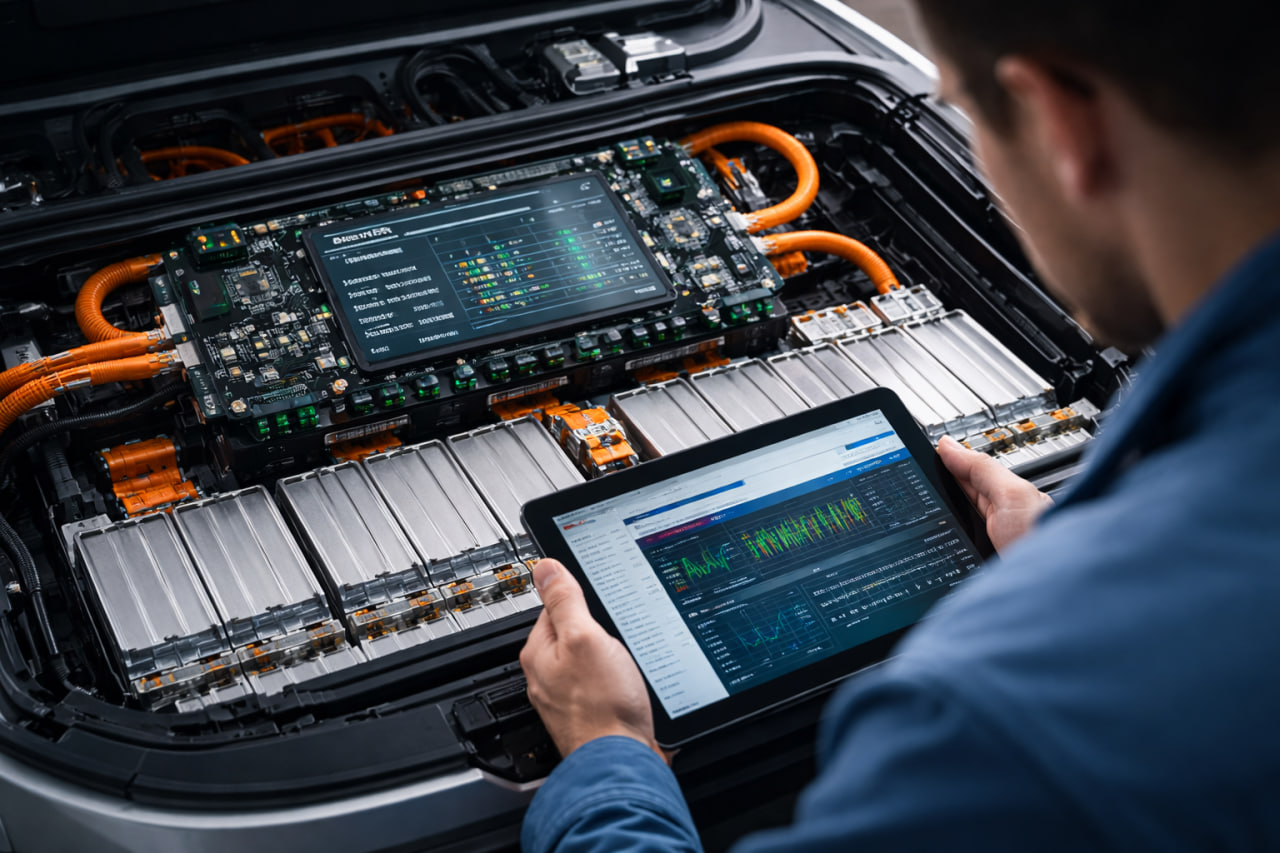
In electric vehicles, the battery is not simply a container for energy but a highly complex system that must operate safely under constantly changing conditions.
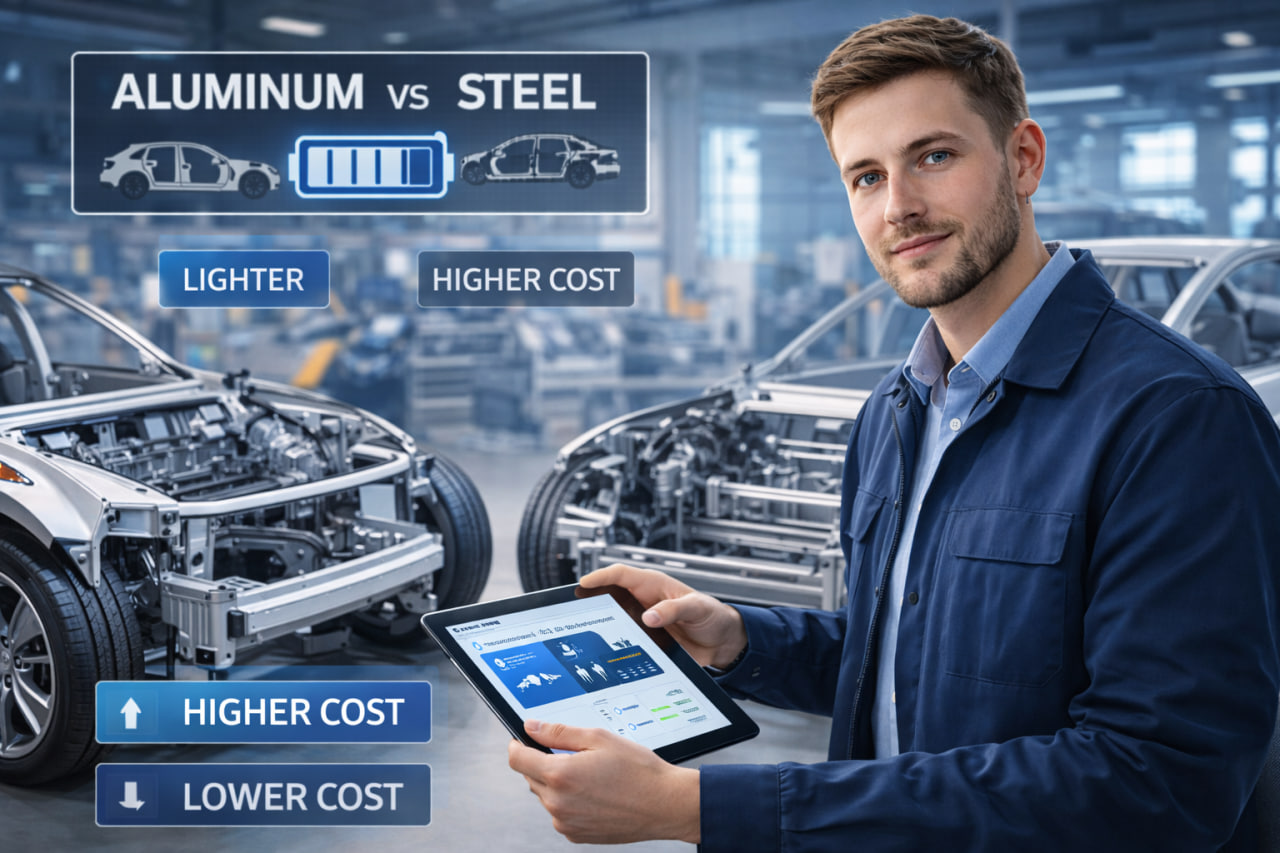
Weight is one of the most critical factors in the design of electric vehicles. Every extra kilogram affects energy consumption, driving range, handling, and even charging efficiency.
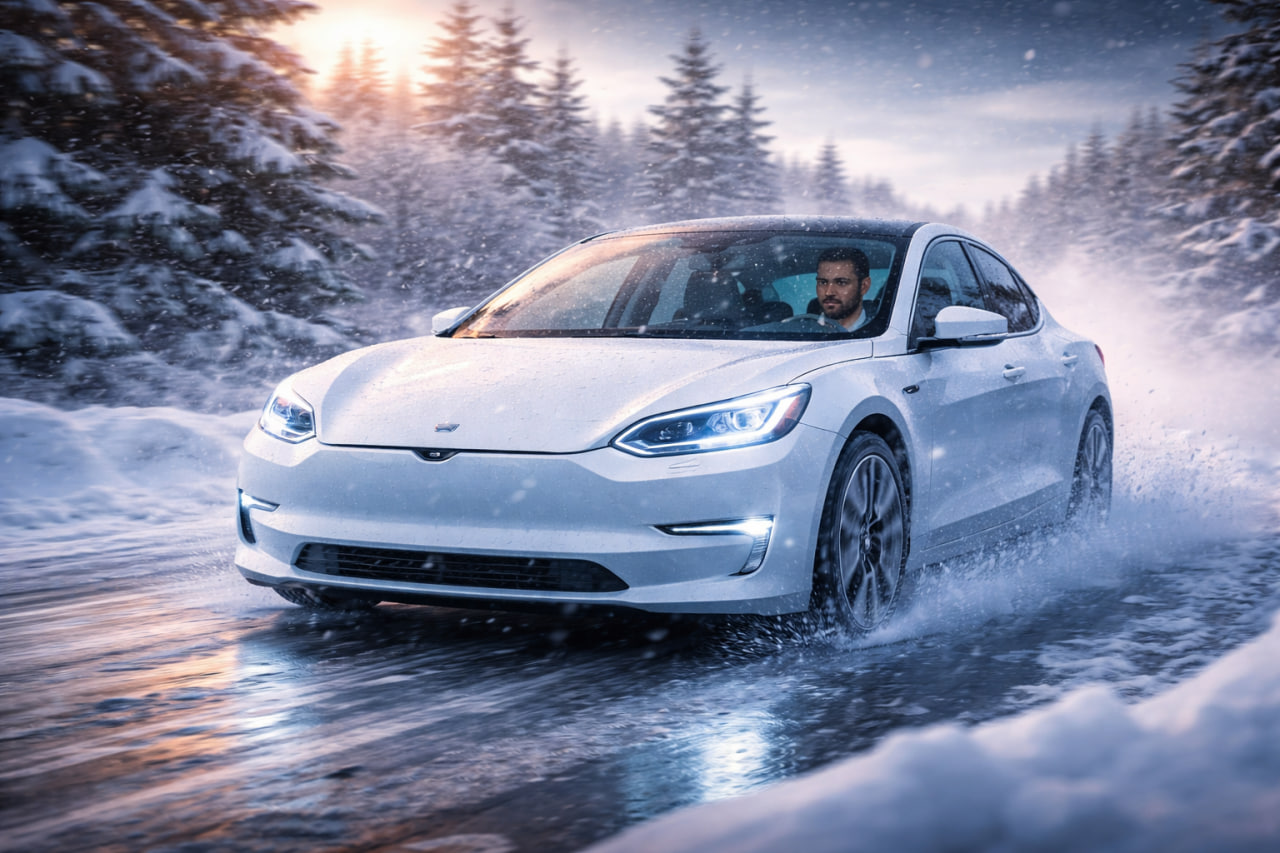
Driving on ice is one of the most challenging scenarios for any vehicle, regardless of whether it is powered by gasoline or electricity.