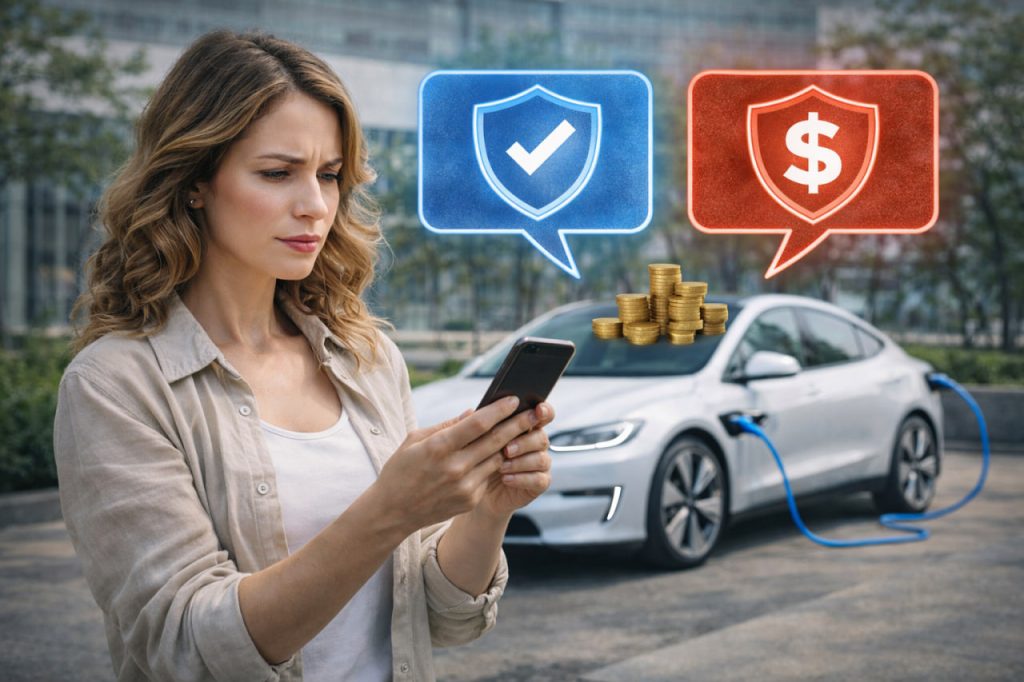
Electric vehicles are often associated with lower running costs, but when it comes to insurance, the picture becomes more nuanced. Many drivers expect EV insurance to be cheaper due to fewer mechanical parts and advanced safety systems, yet in reality, premiums can sometimes be higher than for traditional cars. This difference is influenced by several factors, including repair costs, vehicle value, and technological complexity. Understanding how insurance companies evaluate electric vehicles helps drivers make informed financial decisions and avoid unexpected expenses.
What Determines Insurance Costs for Electric Vehicles
Insurance pricing is based on multiple variables, including vehicle value, repair costs, driver profile, and risk assessment models. Electric cars often have higher upfront prices due to expensive battery packs, which directly increases insurance premiums. Additionally, insurers consider how difficult and costly it is to repair specific components, especially those related to high-voltage systems. These factors make EVs statistically more expensive to insure in many cases, even though they may be safer to drive.
According to insurance analyst David Turner:
“The cost of insuring an electric vehicle is driven more by repair complexity than by accident frequency.”
Repair Costs and Specialized Maintenance
One of the key reasons EV insurance can be higher is the cost of repairs. Electric vehicles require technicians trained to handle high-voltage batteries, power electronics, and specialized materials. Even minor accidents can lead to expensive repairs if the battery system is affected. Replacement or inspection of battery components significantly increases claims costs, which insurers factor into premiums.
According to automotive repair expert Lisa Grant:
“Battery-related repairs can dramatically increase claim costs, even in relatively minor collisions.”
Safety Features and Risk Reduction
On the other hand, electric vehicles are equipped with advanced safety technologies, such as Advanced Driver-Assistance Systems (ADAS), which include collision avoidance, lane-keeping assist, and automatic braking. These systems reduce the likelihood of accidents and can positively influence insurance pricing. EVs also tend to have a lower center of gravity, improving stability and reducing rollover risk. Over time, these safety advantages may contribute to lower premiums as insurers collect more data.
Theft, Software, and Emerging Risks
Modern EVs rely heavily on software, which introduces new considerations for insurers. Risks related to cybersecurity, software failures, and connected systems are becoming part of insurance models. Additionally, some electric vehicles are targeted for theft due to their high value and advanced components. These emerging risks can slightly increase insurance costs compared to traditional vehicles.
Regional Differences and Incentives
Insurance costs for electric vehicles vary significantly depending on location. In some regions, governments and insurers offer incentives or reduced premiums to encourage EV adoption. These benefits may include discounts, tax advantages, or specialized EV insurance programs. As electric vehicles become more common, competition among insurers is expected to drive prices down.
Long-Term Trends in EV Insurance
As the EV market matures, insurance pricing is expected to become more competitive. Improved repair infrastructure, better availability of spare parts, and more trained technicians will reduce costs over time. Additionally, advances in predictive analytics and usage-based insurance models may allow insurers to offer more personalized and affordable policies.
Conclusion
Electric car insurance can be either more expensive or comparable to traditional vehicles, depending on factors such as repair costs, technology, and regional policies. While current premiums may be higher in some cases, long-term trends suggest that costs will decrease as the industry evolves. For drivers, understanding these dynamics is key to making informed decisions about EV ownership.

ugh so insurance is MORE expensive?? 😒 thats annoying… EVs already cost alot and now this to 🙄 not fair