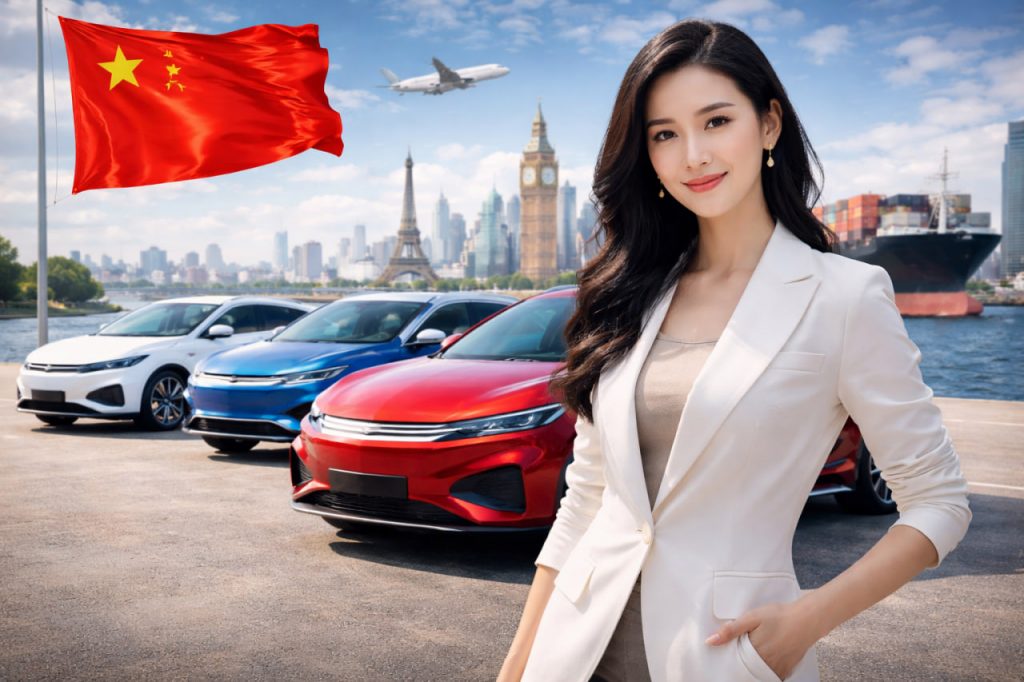
Over the past decade, Chinese automotive manufacturers have undergone a dramatic transformation. Once perceived as producers of low-cost, low-quality vehicles, they have rapidly evolved into global competitors in innovation, design, and electric mobility. Today, Chinese brands are expanding aggressively into Europe, Asia, the Middle East, and even traditionally difficult markets, challenging established players. This shift is not accidental—it is the result of strategic investment, government support, technological focus, and a deep understanding of future mobility trends.
From Copying to Innovation
In the early stages, many Chinese automakers focused on reverse engineering and cost optimization. However, the industry has since shifted toward innovation-driven development. Companies now invest heavily in research and development, design studios, and advanced manufacturing technologies.
Modern Chinese vehicles often feature:
- advanced infotainment systems
- over-the-air (OTA) updates
- autonomous driving features
- high-efficiency electric powertrains
According to automotive analyst Dr. Kevin Liu:
“Chinese automakers moved from imitation to innovation faster than any industry transformation we have seen in recent decades.”
This rapid evolution has allowed them to compete not just on price, but on technology and user experience.
Dominance in Electric Vehicles
China is the world leader in electric vehicle (EV) production and adoption. This leadership is supported by a strong domestic ecosystem that includes battery manufacturers, software developers, and infrastructure providers.
Key advantages include:
- control over battery supply chains
- large-scale production capabilities
- strong domestic demand
- government incentives and subsidies
Chinese companies are particularly strong in battery technology, which is the most critical component of EVs. This gives them a strategic advantage in both cost and performance.
According to energy systems expert Dr. Laura Mendes:
“Control of battery production is the foundation of China’s dominance in the EV market.”
Competitive Pricing and Value Proposition
One of the most important factors behind global expansion is pricing. Chinese automakers offer vehicles with high levels of technology at significantly lower prices compared to traditional Western brands.
This is achieved through:
- vertical integration
- efficient manufacturing processes
- economies of scale
As a result, consumers receive more features for less money, making these vehicles highly attractive in both developed and emerging markets.
Software-First Approach
Chinese automakers are increasingly adopting a software-first philosophy, treating vehicles as digital platforms rather than purely mechanical products. This includes:
- advanced user interfaces
- seamless smartphone integration
- continuous feature updates via software
This approach aligns with changing consumer expectations, especially among younger buyers who value connectivity and digital experience.
Global Expansion Strategy
Chinese brands are expanding internationally through a combination of direct exports, partnerships, and local production. Europe has become a key target market due to its strong EV adoption and regulatory support for low-emission vehicles.
Companies are also investing in:
- local dealerships and service networks
- compliance with international safety standards
- brand positioning and marketing
According to global mobility strategist Michael Turner:
“Chinese automakers are not just exporting cars—they are exporting a complete ecosystem of mobility.”
Overcoming Brand Perception Challenges
Despite technological progress, brand perception remains a challenge in some markets. Historically, Chinese products were associated with lower quality. However, this perception is changing as consumers experience improved design, safety, and reliability.
Participation in international safety tests and positive customer feedback are gradually building trust.
Challenges and Risks
Global expansion is not without obstacles. Chinese automakers face:
- regulatory barriers
- geopolitical tensions
- competition from established brands
- trade restrictions and tariffs
Additionally, maintaining consistent quality across global markets is essential for long-term success.
The Future of Chinese Automotive Industry
The future of Chinese automakers looks strong, particularly in the EV segment. Continued investment in battery technology, autonomous driving, and software ecosystems will likely strengthen their global position.
As traditional automakers transition to electric mobility, competition will intensify. However, Chinese companies have a significant head start in several key areas.
Conclusion
Chinese automakers are reshaping the global automotive industry through innovation, cost efficiency, and leadership in electric vehicles. By combining advanced technology with competitive pricing, they are rapidly gaining market share worldwide. While challenges remain, their trajectory suggests that they will play a central role in the future of mobility. The global automotive landscape is no longer dominated by a few traditional players—it is becoming a truly competitive, technology-driven arena where Chinese brands are leading the charge.

chinese cars are cheap but quality seems kinda sus to me… not sure id trust them yet 😬