
When Will Electric Cars Be Able to Fly?
The idea of a car that can both drive on roads and fly through the air has fascinated engineers, futurists, and the public for decades.
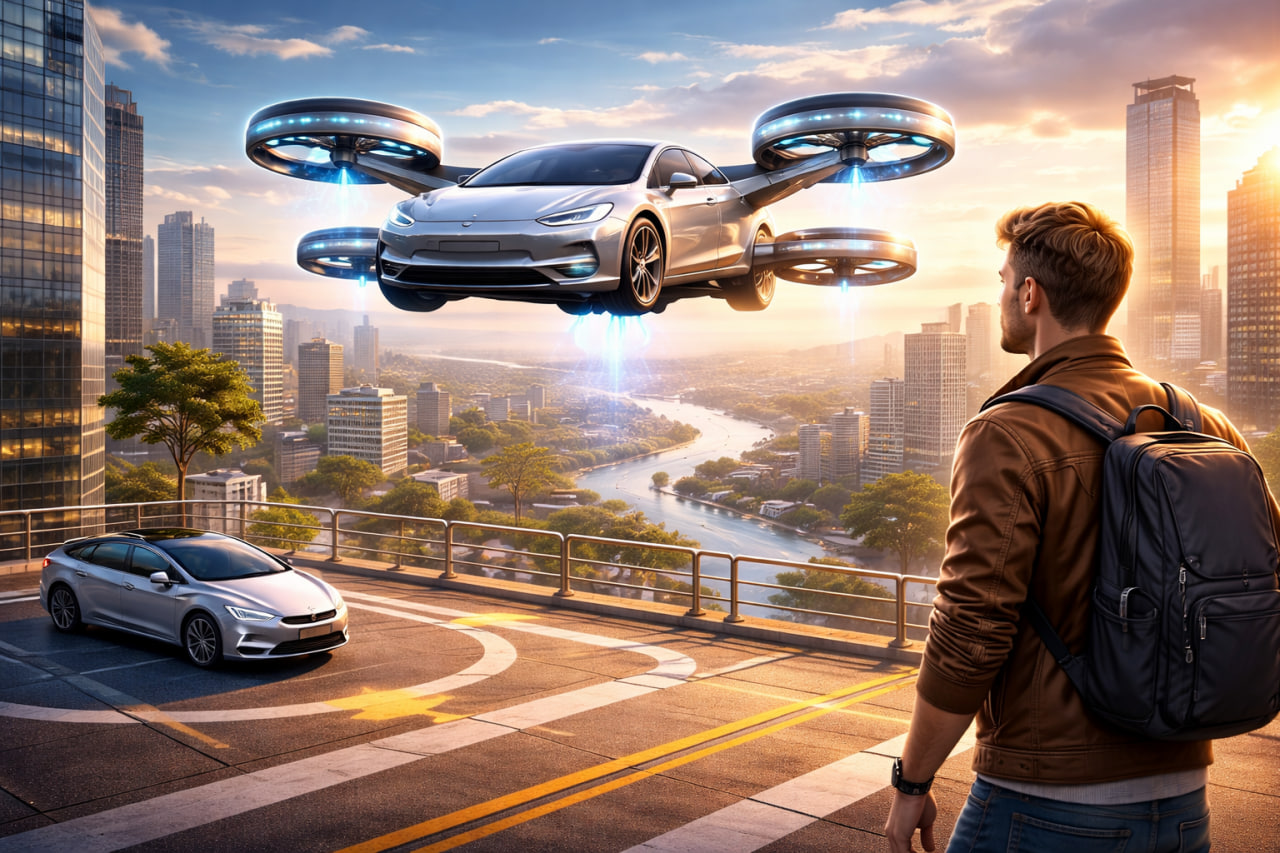
The idea of a car that can both drive on roads and fly through the air has fascinated engineers, futurists, and the public for decades.

Electric motors are at the heart of modern industry, electric vehicles, household appliances, and energy systems.
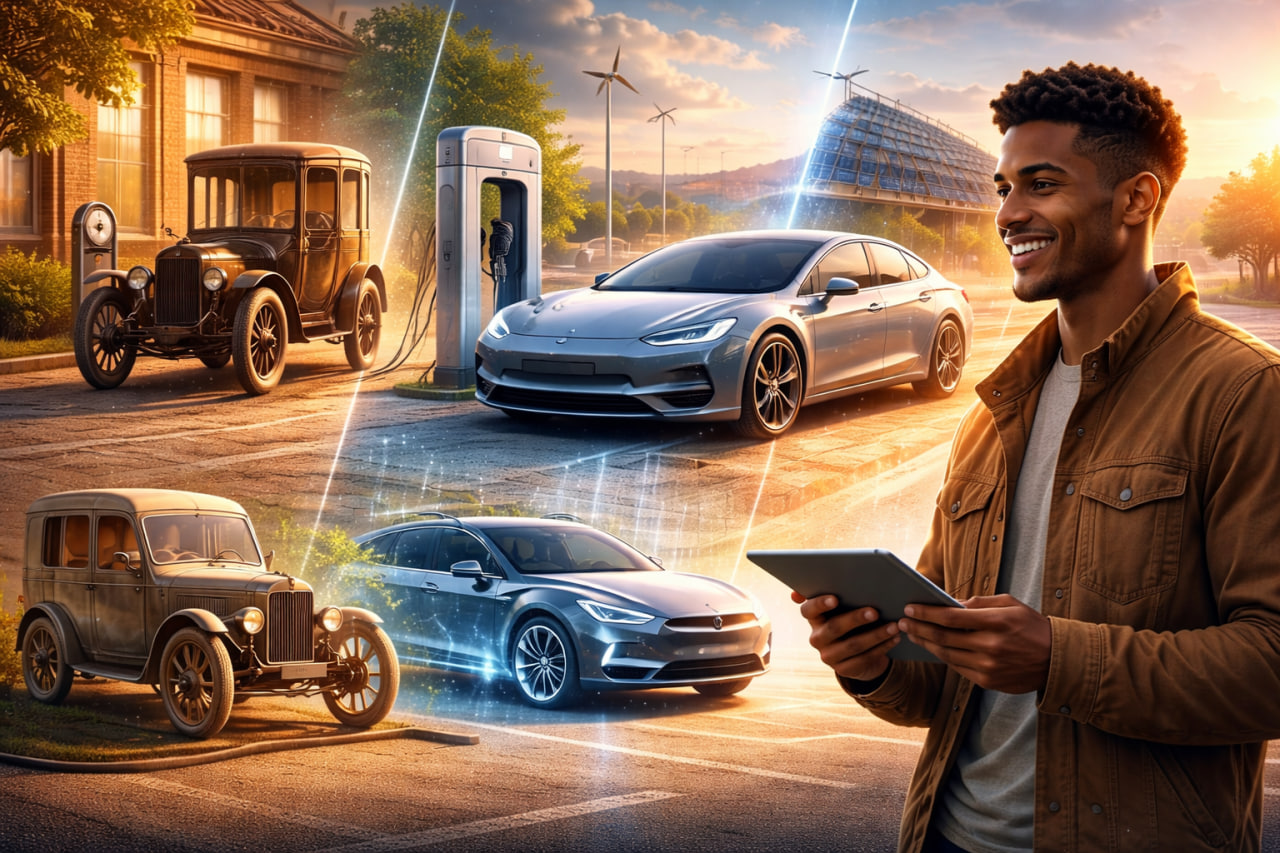
The history of electric cars is far longer and more complex than many people realize.

As electric vehicles, renewable energy systems, and high-performance electronics evolve, the limits of traditional batteries become increasingly visible.
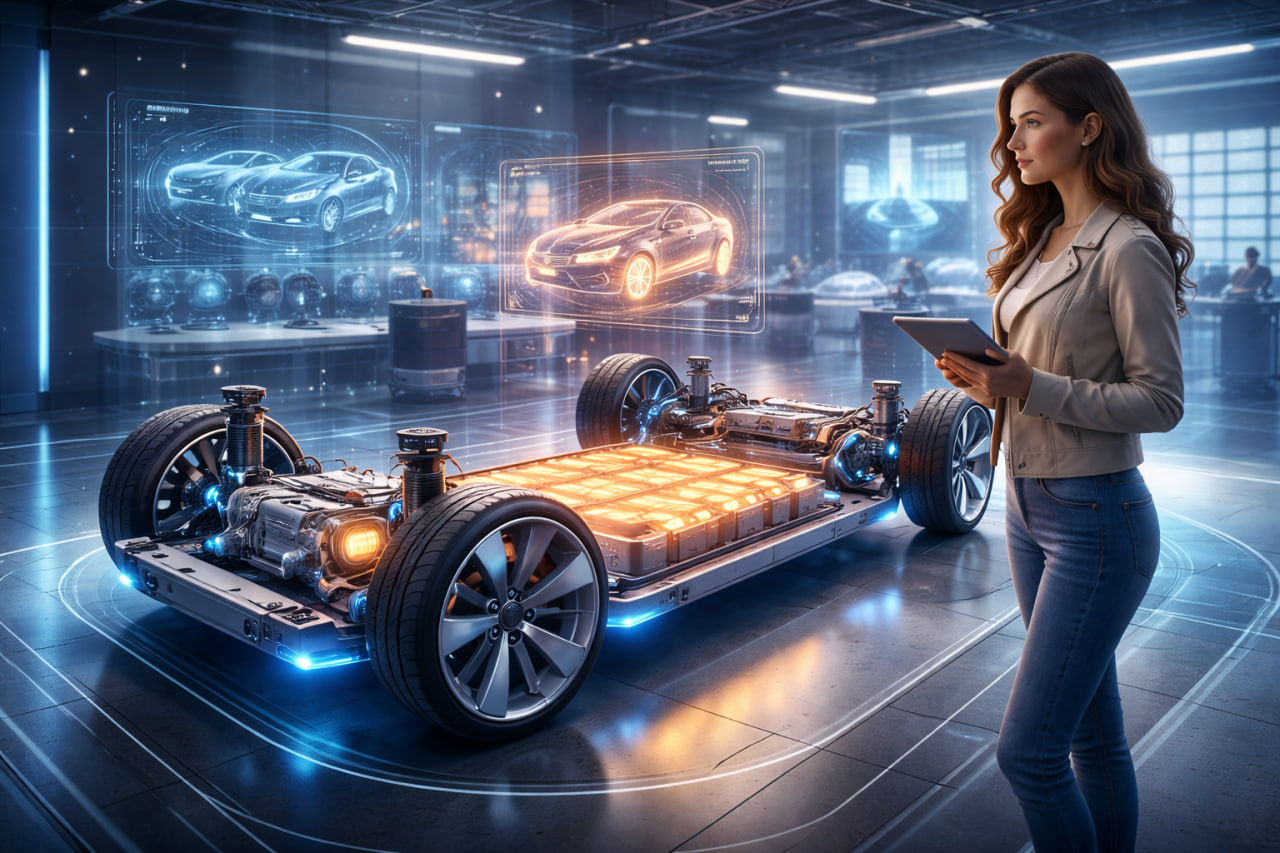
The transition from internal combustion vehicles to electric mobility did not just change how cars are powered—it fundamentally reshaped how cars are designed and engineered.
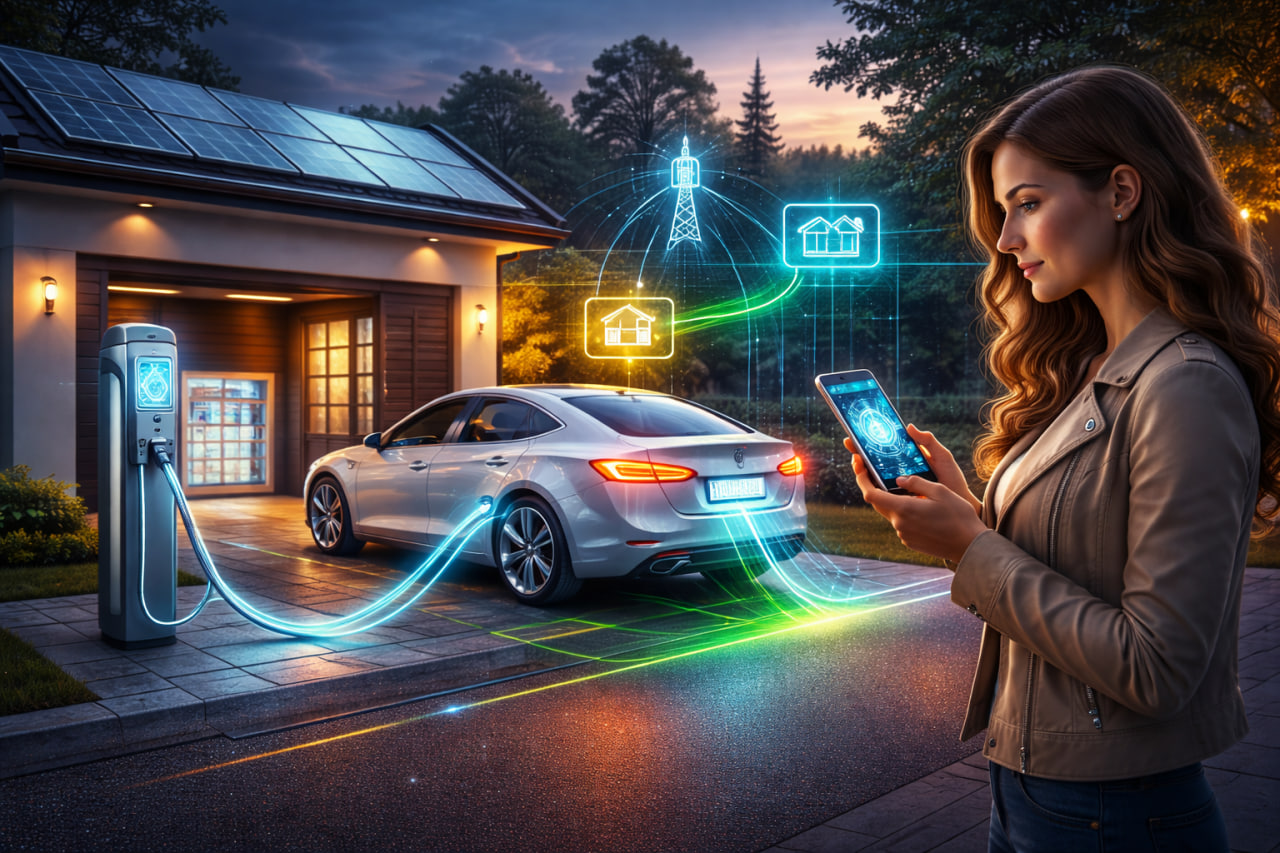
Electric vehicle charging is evolving from a simple “plug and wait” action into an intelligent, flexible energy process that connects cars, homes, and power grids.
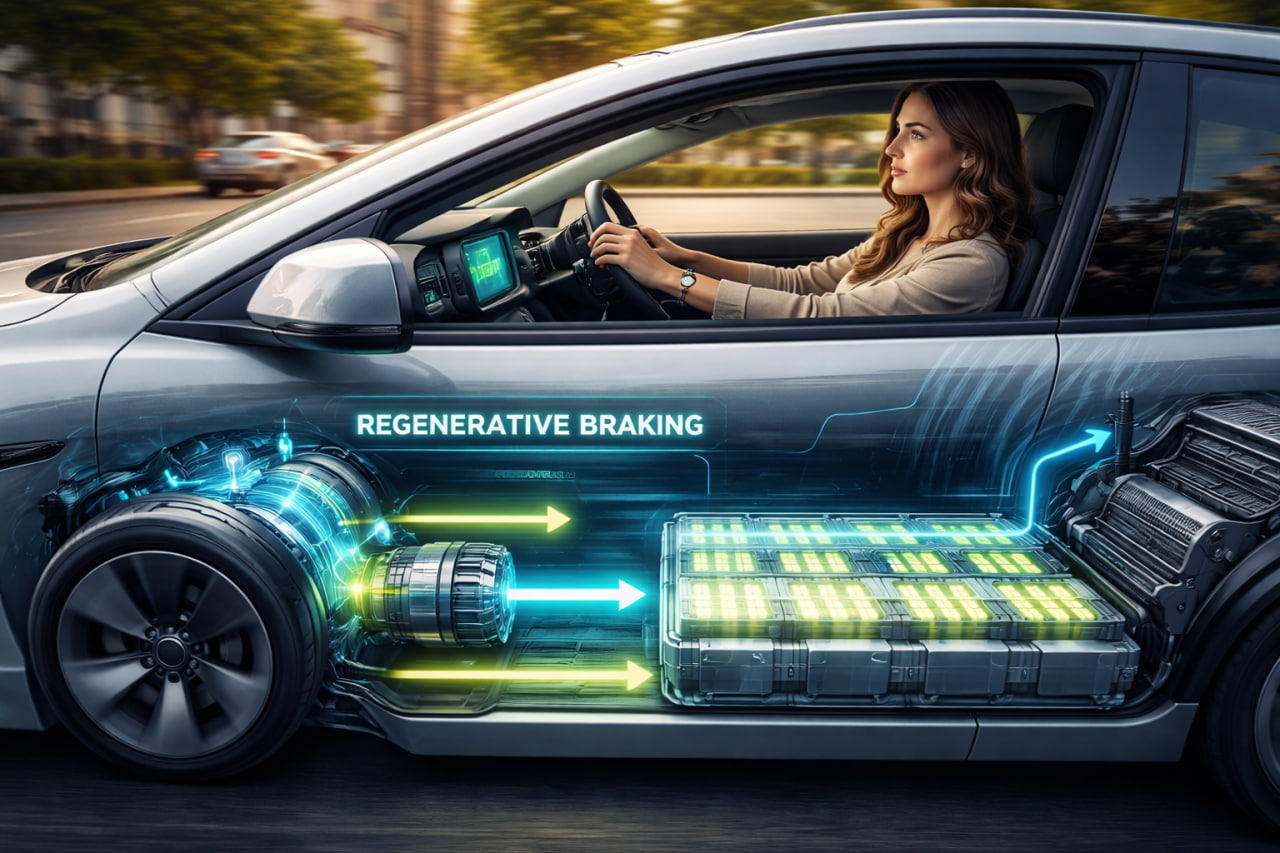
Regenerative braking is one of the most important technologies that distinguishes electric vehicles from traditional cars, yet it is often misunderstood or underestimated by drivers.
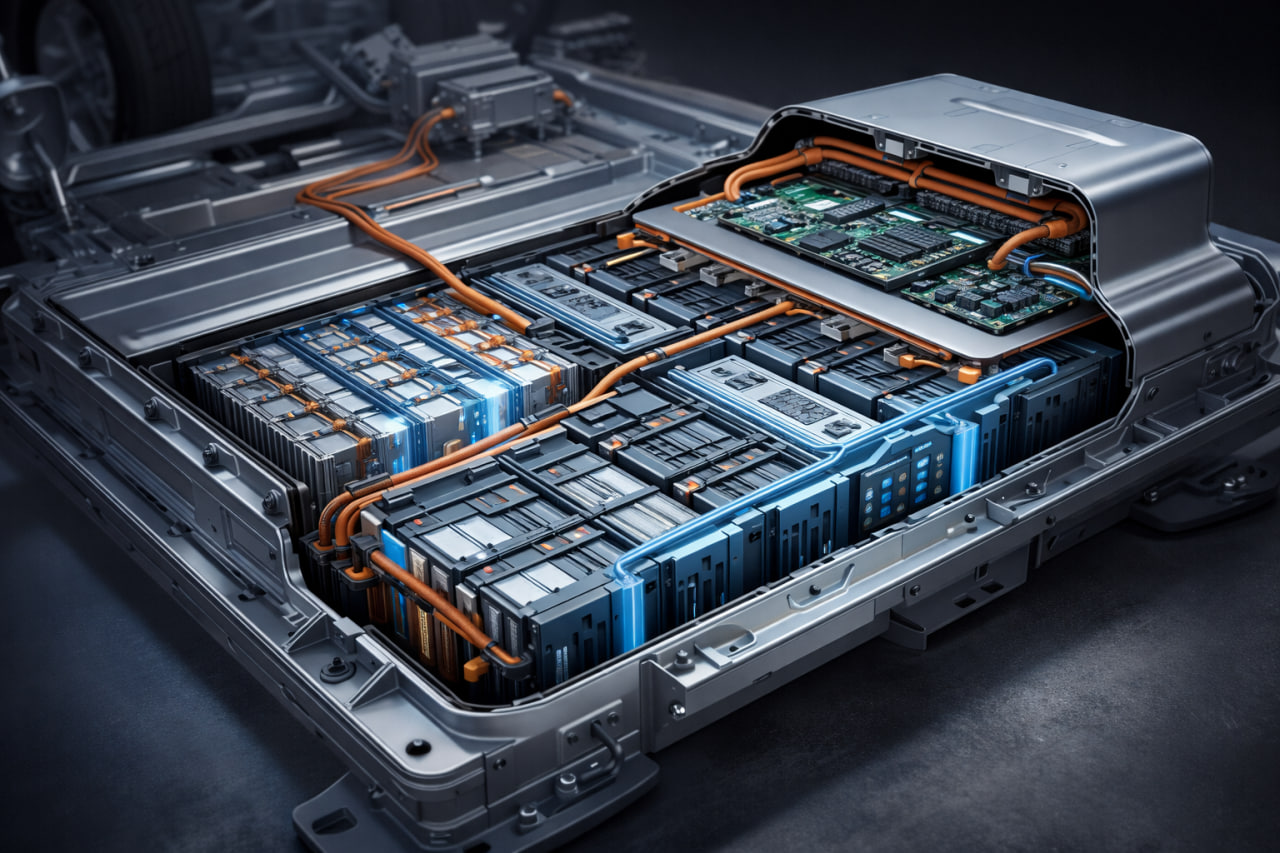
The battery is not just one component among many in an electric vehicle — it is the core system around which the entire car is engineered.

Electric vehicles are often associated with innovation, efficiency, and sustainability, but like any complex technology, they come with specific risks that drivers should clearly understand.
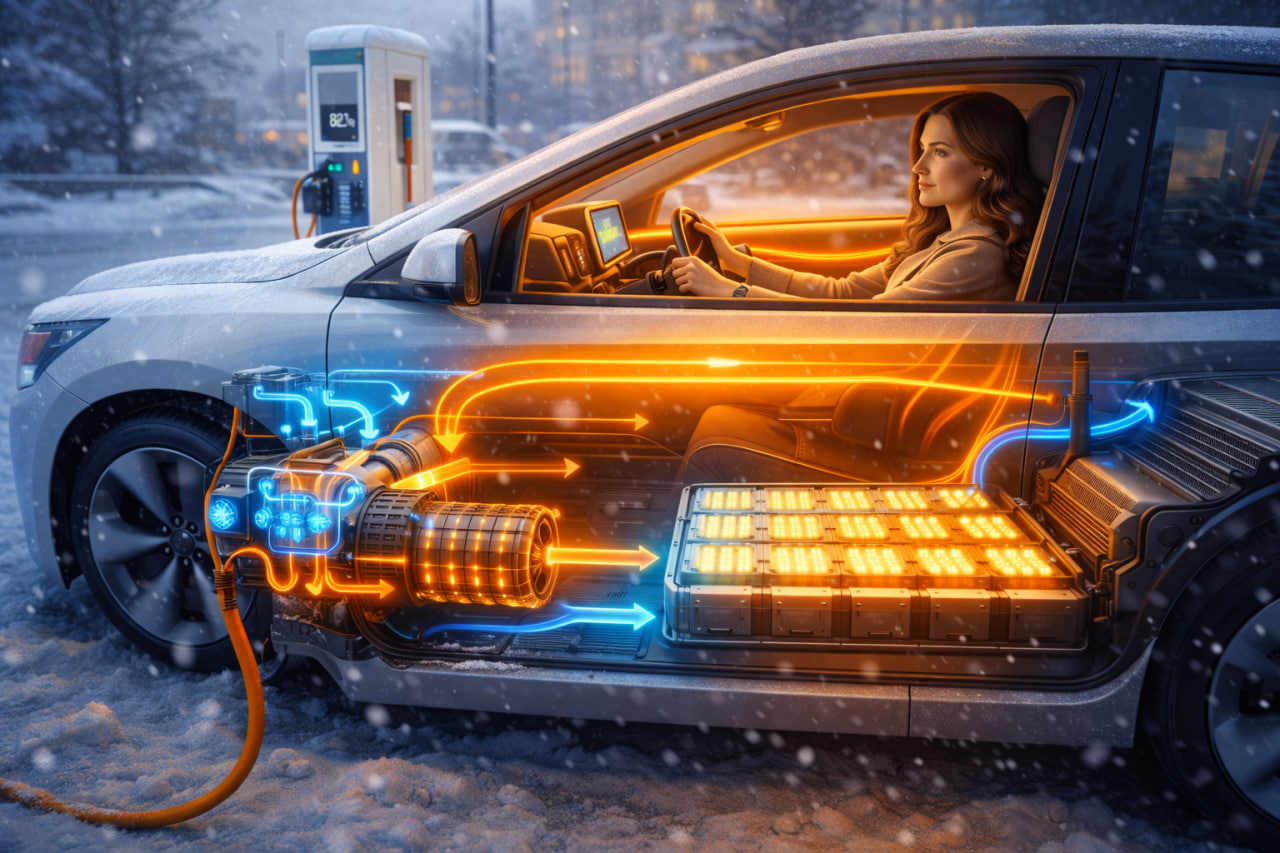
Thermal management is one of the least visible yet most important systems in a modern electric vehicle, and heat pumps have become a key innovation in making EVs more efficient year-round.