
How to Calculate Charging Time: kW and kWh Explained in Simple Terms
One of the most common questions among electric vehicle owners is how long charging will actually take in real life.
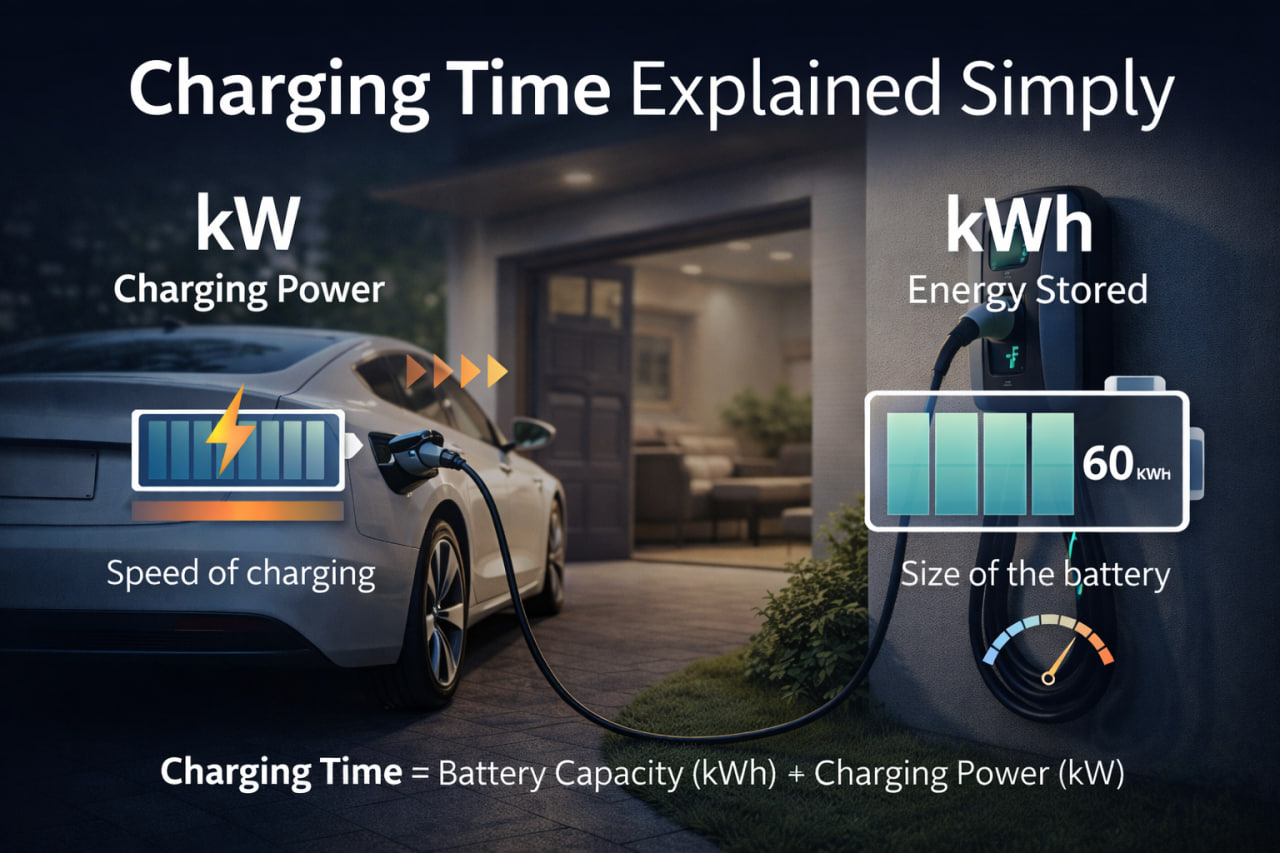
One of the most common questions among electric vehicle owners is how long charging will actually take in real life.
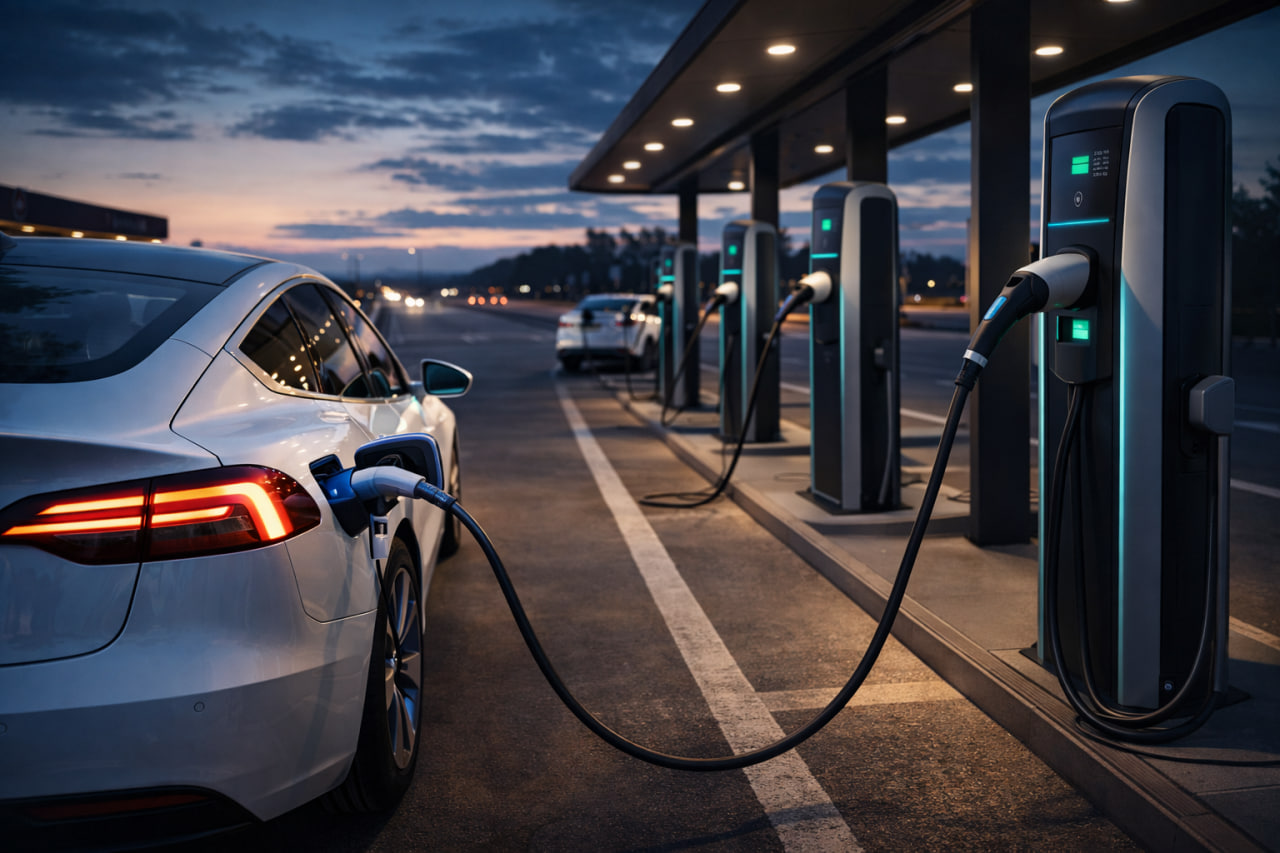
Public charging networks are a critical pillar of electric vehicle mobility, especially for long-distance travel and drivers without access to home charging.
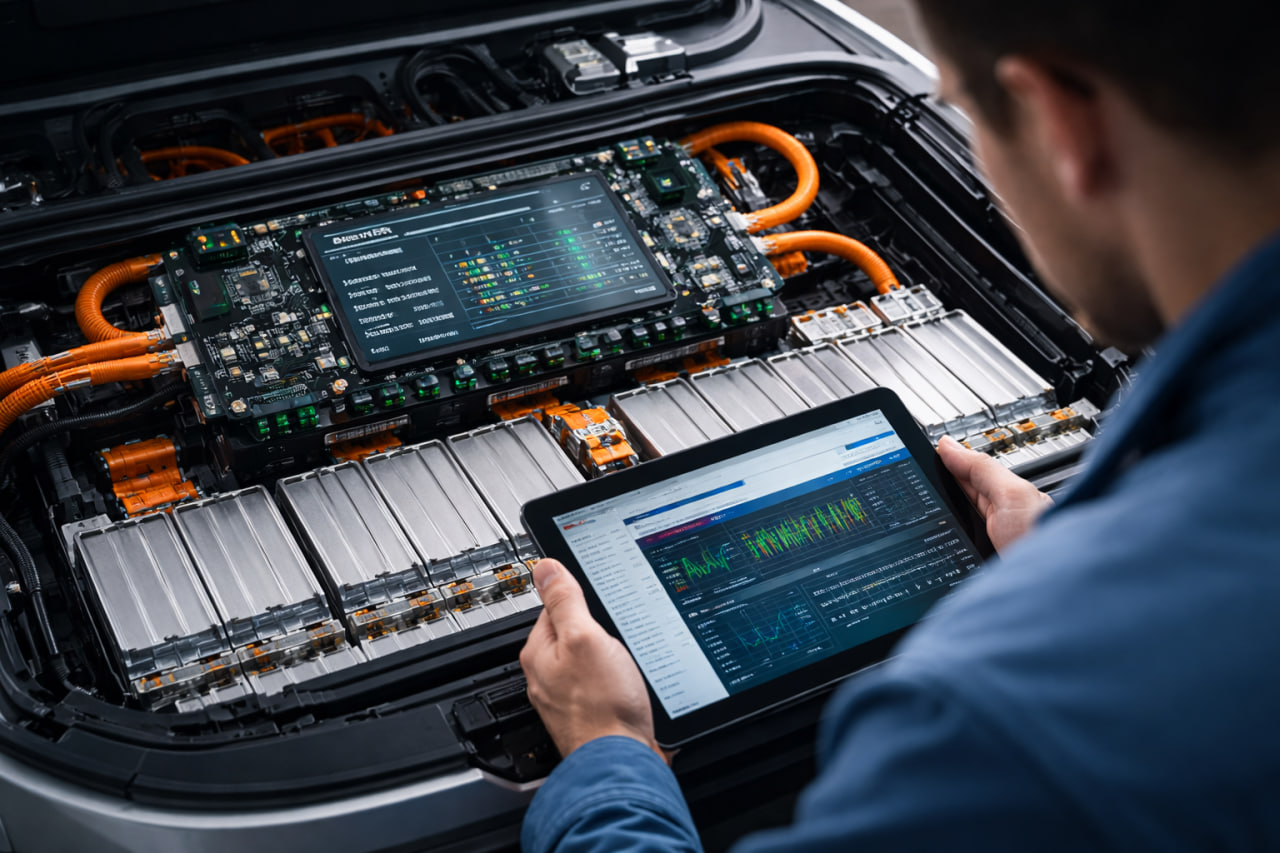
In electric vehicles, the battery is not simply a container for energy but a highly complex system that must operate safely under constantly changing conditions.
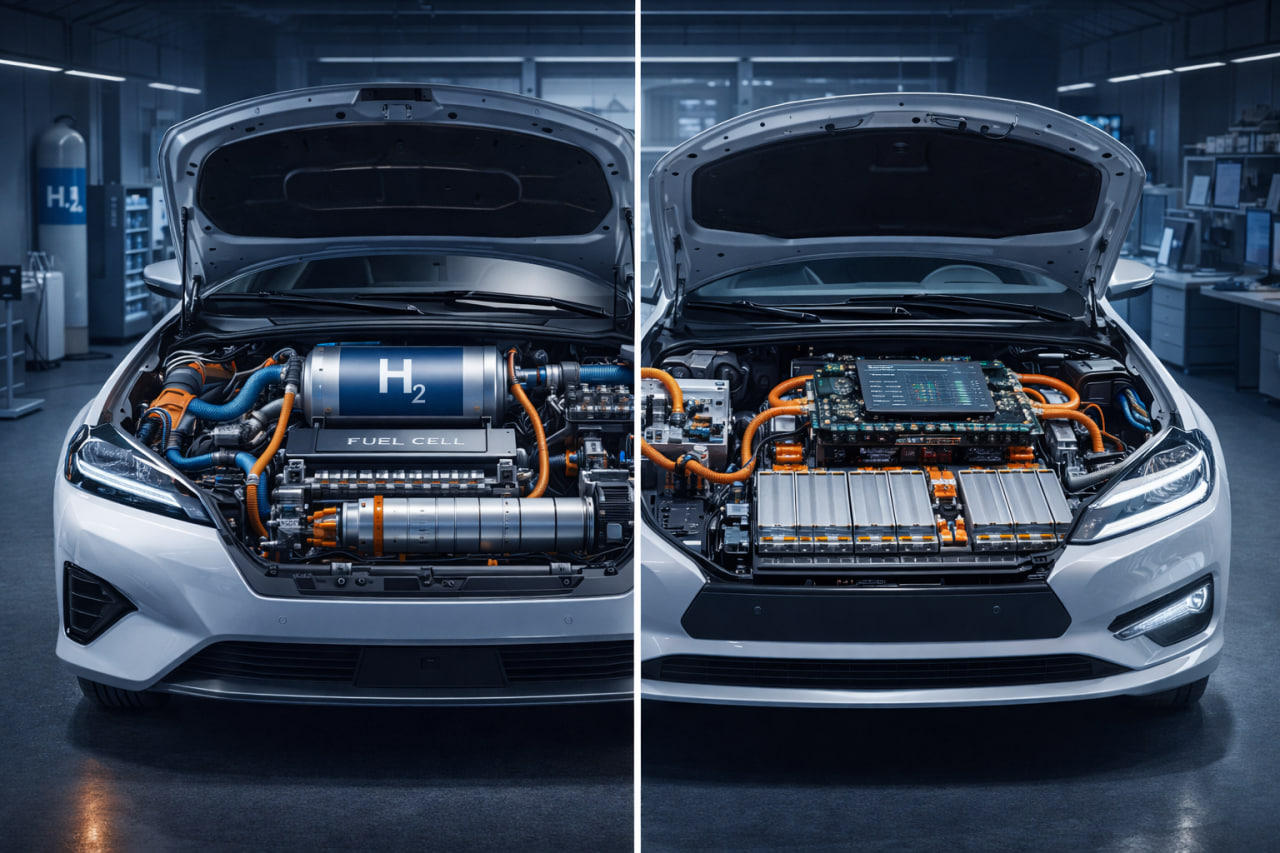
The global transition away from internal combustion engines has brought two main alternatives into focus: hydrogen fuel cell vehicles (FCEVs) and battery electric vehicles (BEVs).

As electric vehicles continue to expand globally, charging standards have become one of the most important — and often confusing — aspects for EV owners.
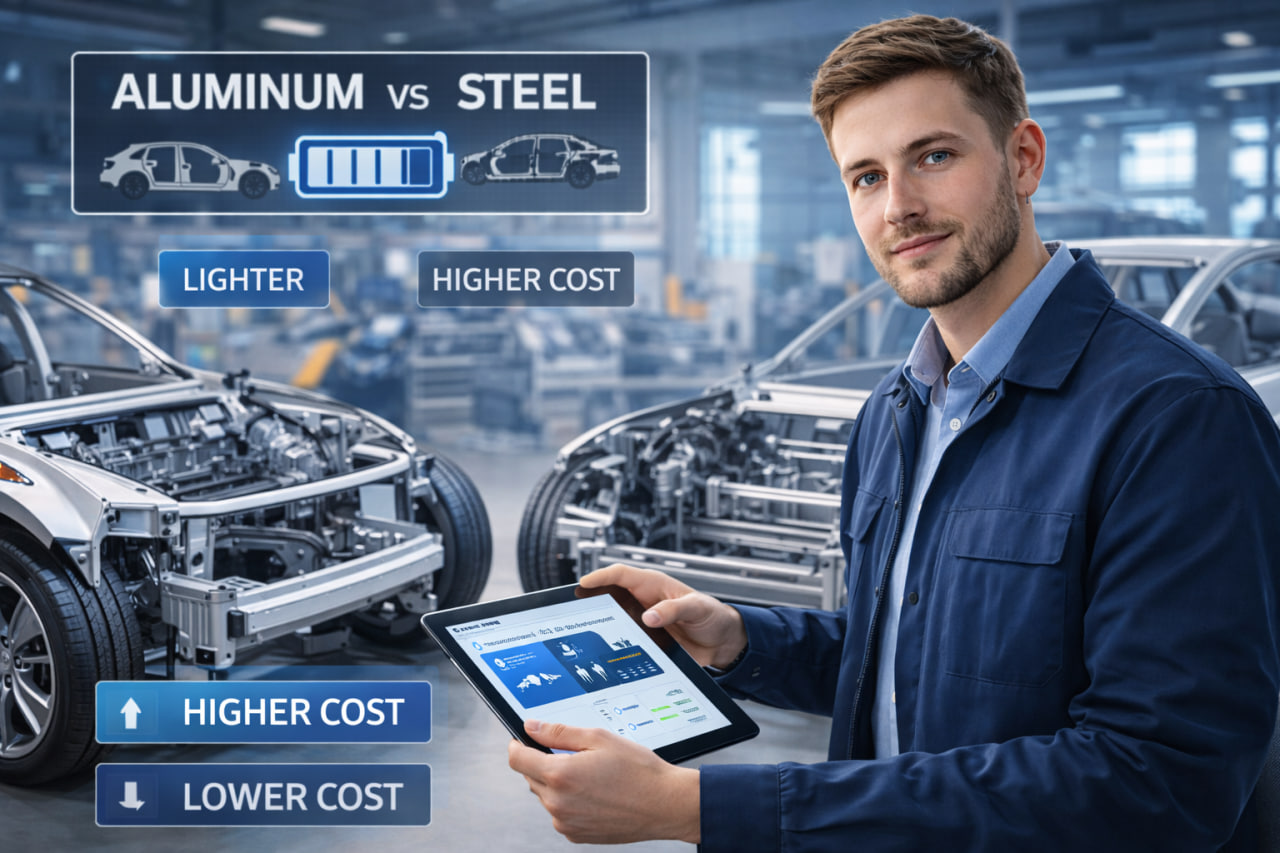
Weight is one of the most critical factors in the design of electric vehicles. Every extra kilogram affects energy consumption, driving range, handling, and even charging efficiency.
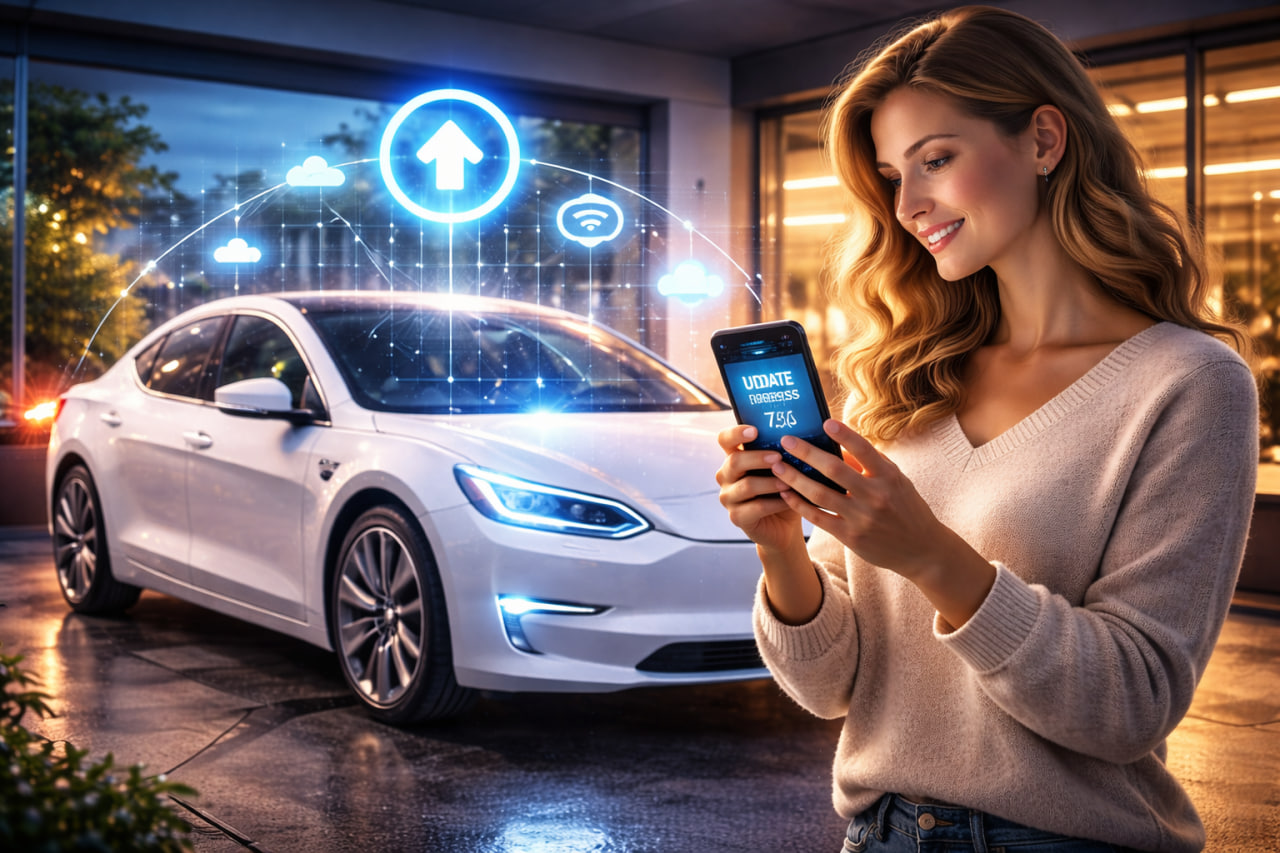
For decades, cars were defined almost entirely by their hardware. Engines, transmissions, suspension systems, and body design determined what a vehicle could do for its entire lifespan.
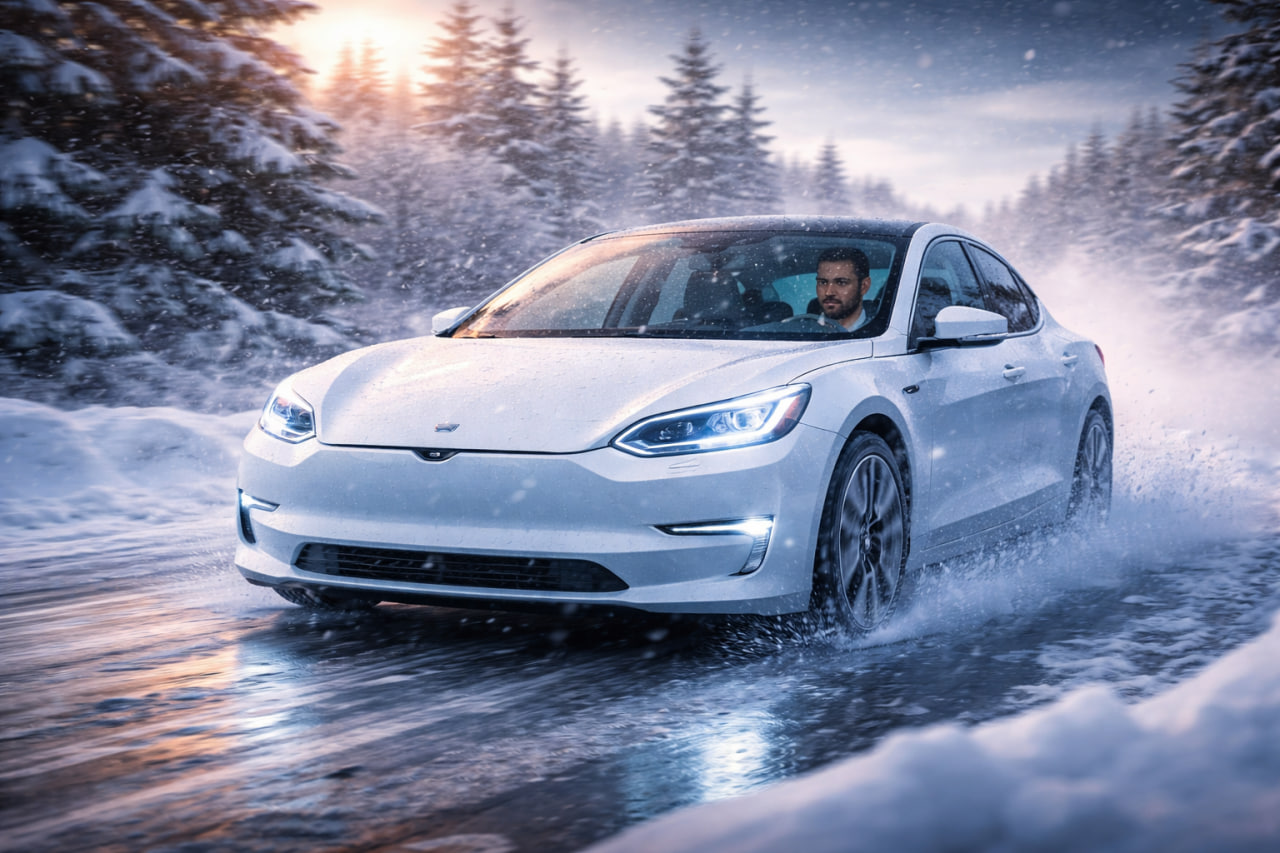
Driving on ice is one of the most challenging scenarios for any vehicle, regardless of whether it is powered by gasoline or electricity.

The electric car is no longer an experiment or a niche alternative to traditional vehicles—it is becoming a central pillar of future transportation systems.

As electric vehicles and stationary energy storage systems scale globally, battery manufacturers face a dual challenge: reducing cost while improving performance and manufacturability.