
Charging Hubs of the Future: Cafés, Retail Centers, and New Business Models
The rapid expansion of electric vehicle adoption is reshaping not only transportation but also the infrastructure surrounding it.
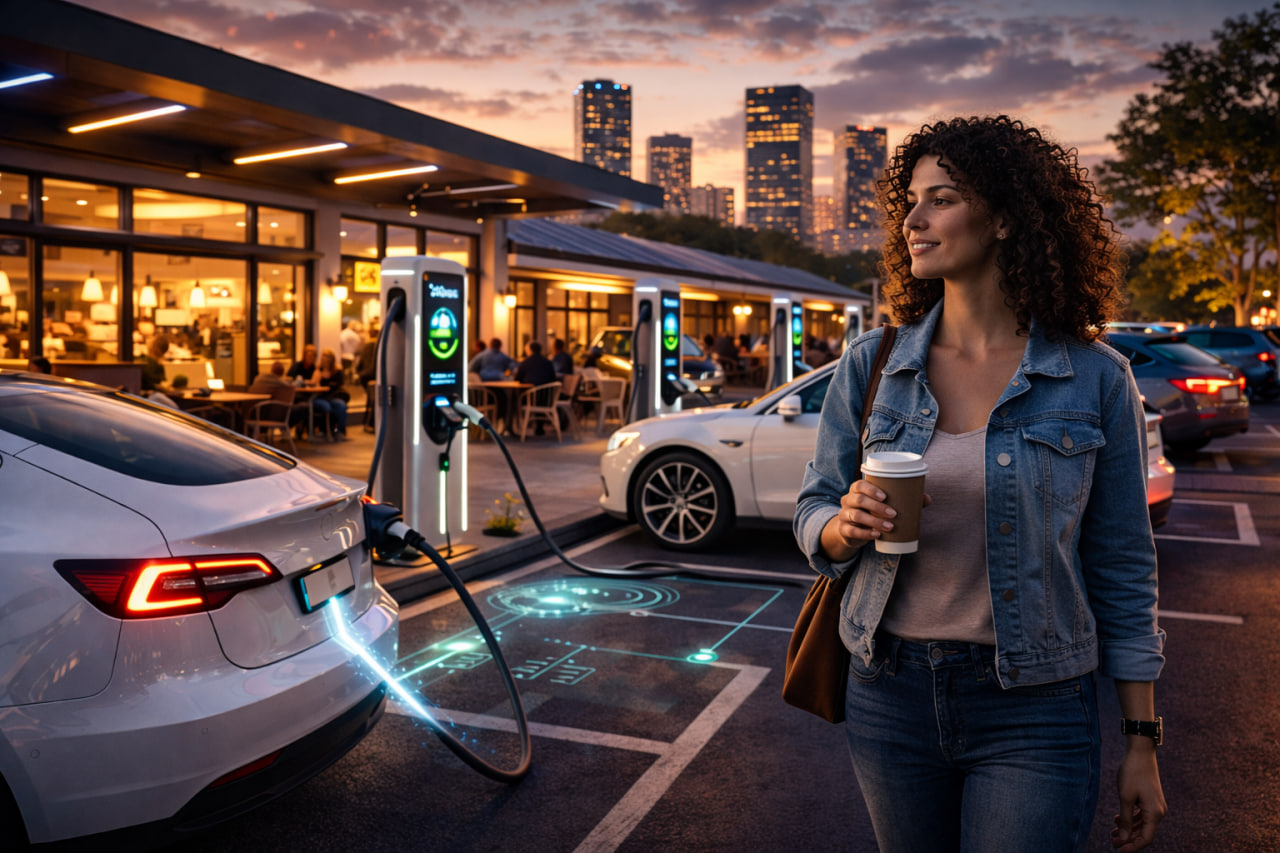
The rapid expansion of electric vehicle adoption is reshaping not only transportation but also the infrastructure surrounding it.
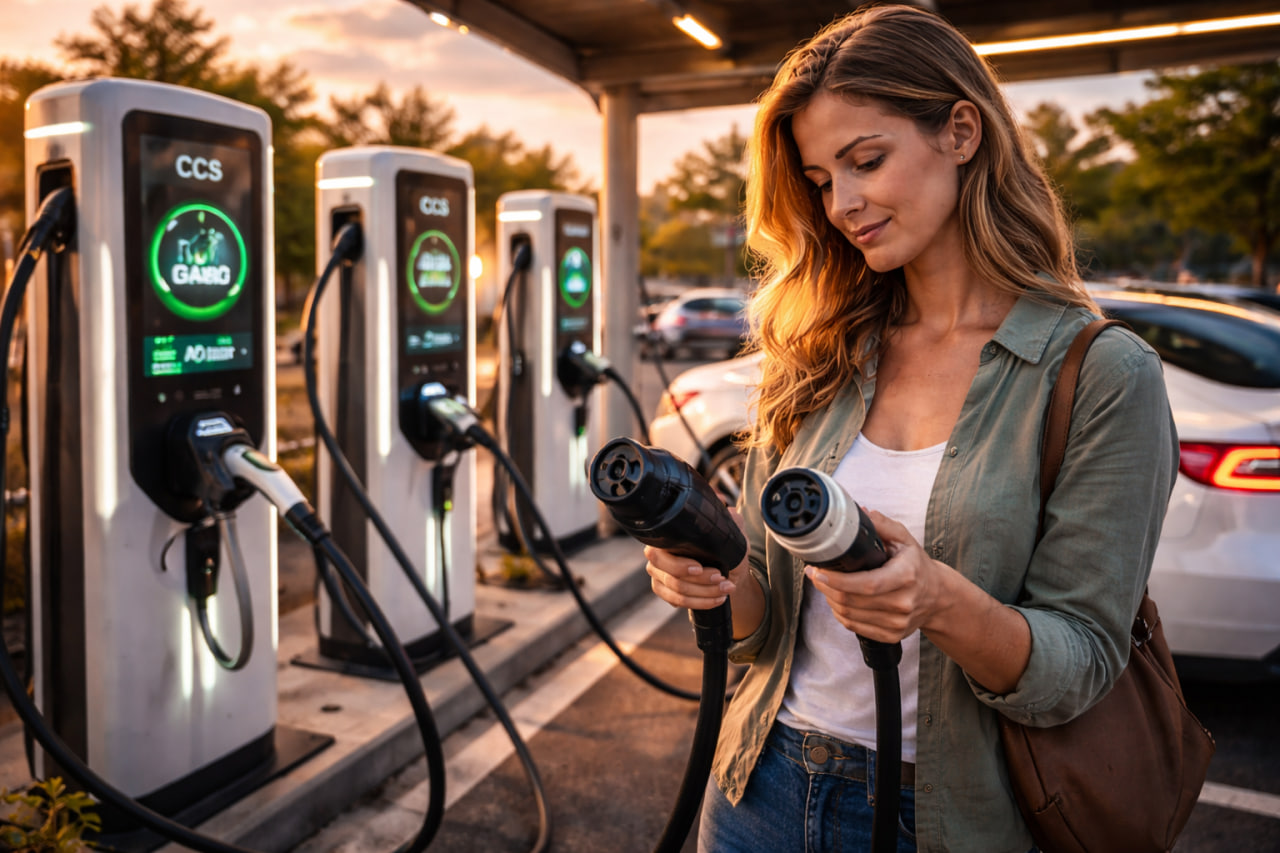
The rapid expansion of electric vehicles has created an urgent need for unified charging infrastructure. However, the EV industry did not develop around a single universal connector.
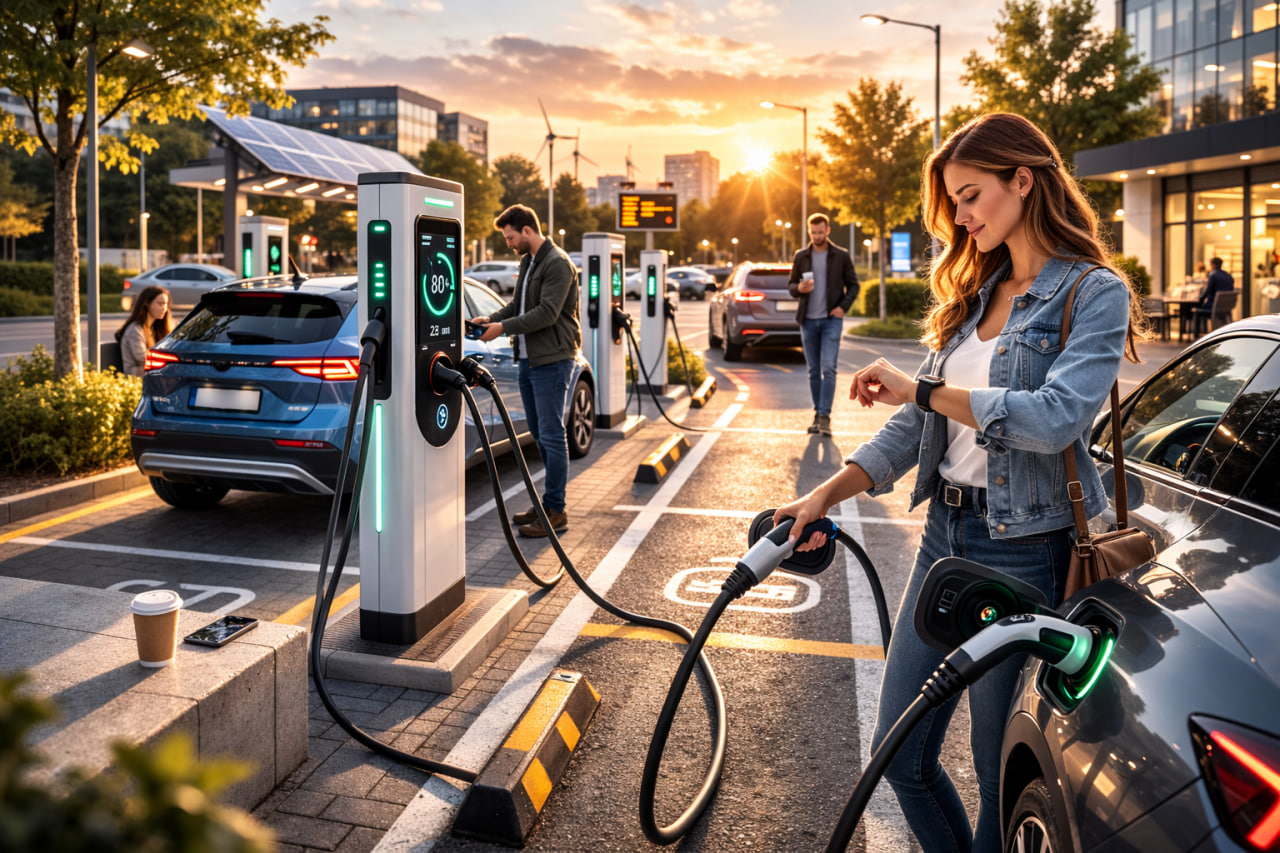
As electric vehicles become more widespread, public charging infrastructure is experiencing increased demand.
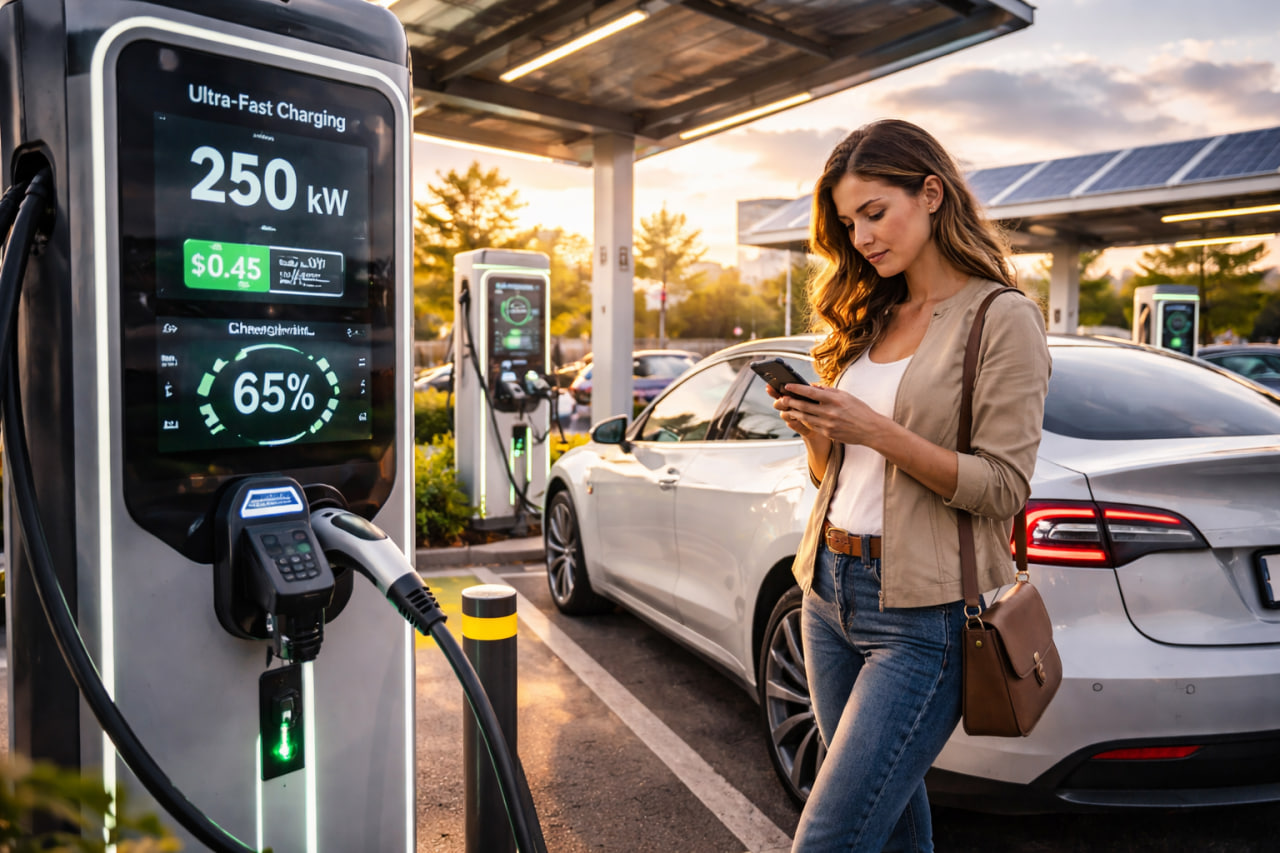
As electric vehicles become mainstream, ultra-fast charging (UFC) networks are expanding rapidly along highways and in urban hubs.
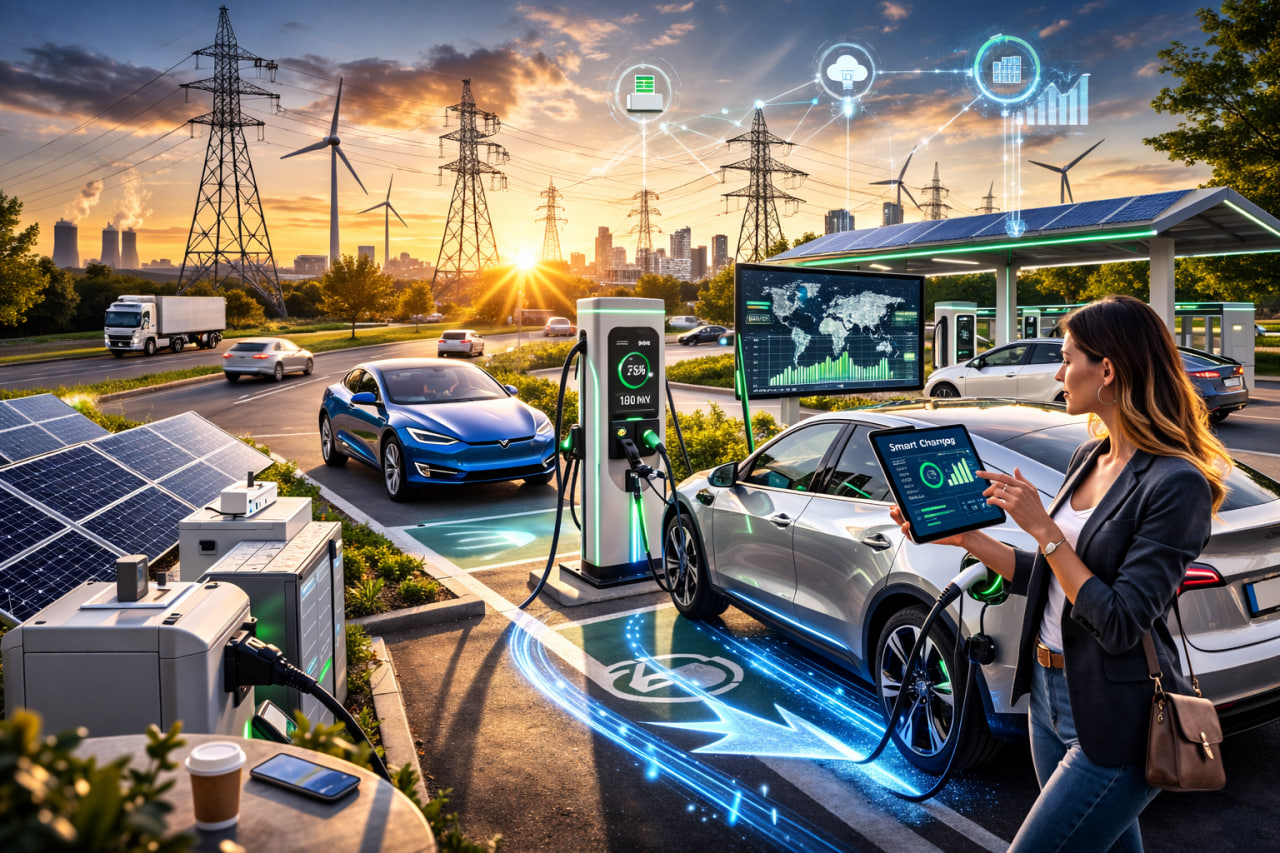
The global transition toward electric vehicles (EVs) raises an essential infrastructure question: can existing power grids support large-scale electrification of transport?
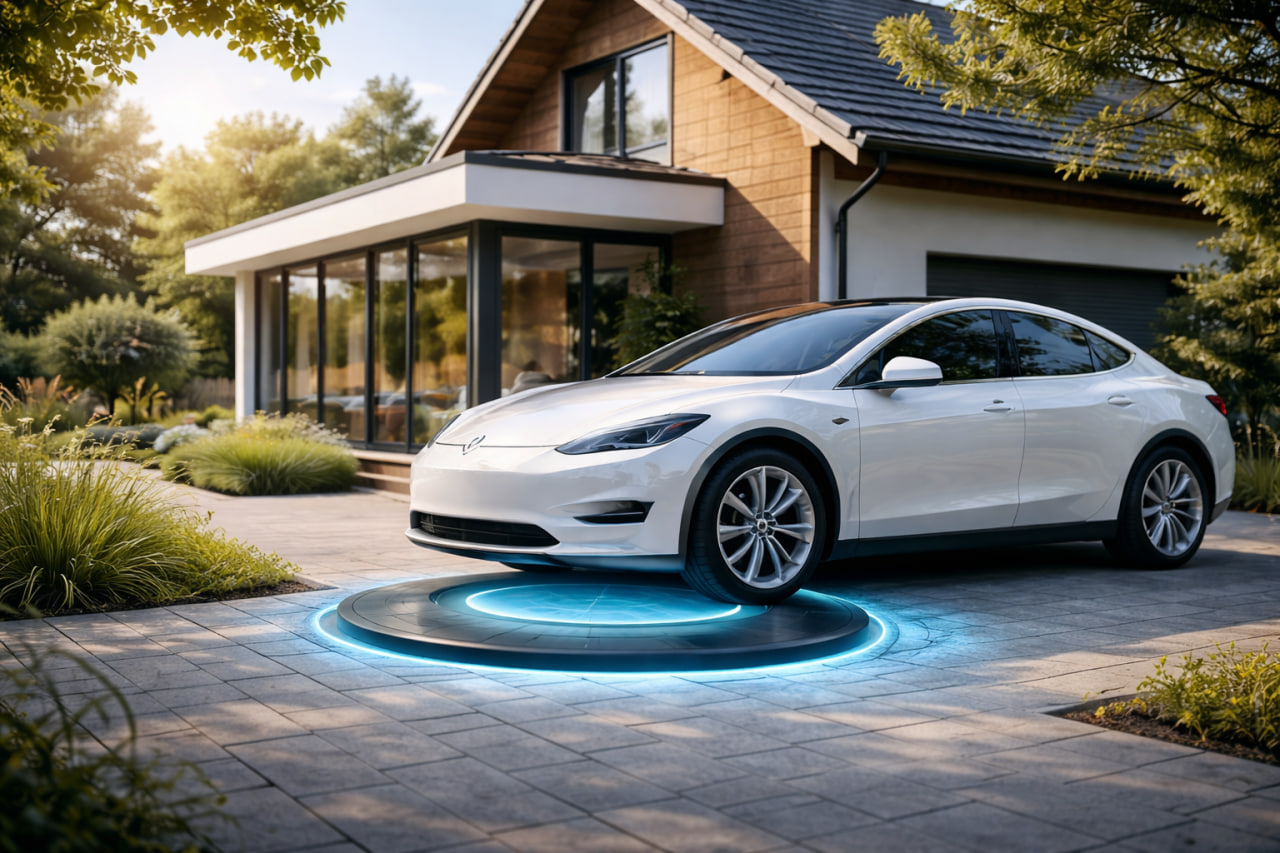
Wireless charging for electric vehicles has long been considered a futuristic concept, yet it is already moving from experimental testing into real-world deployment.
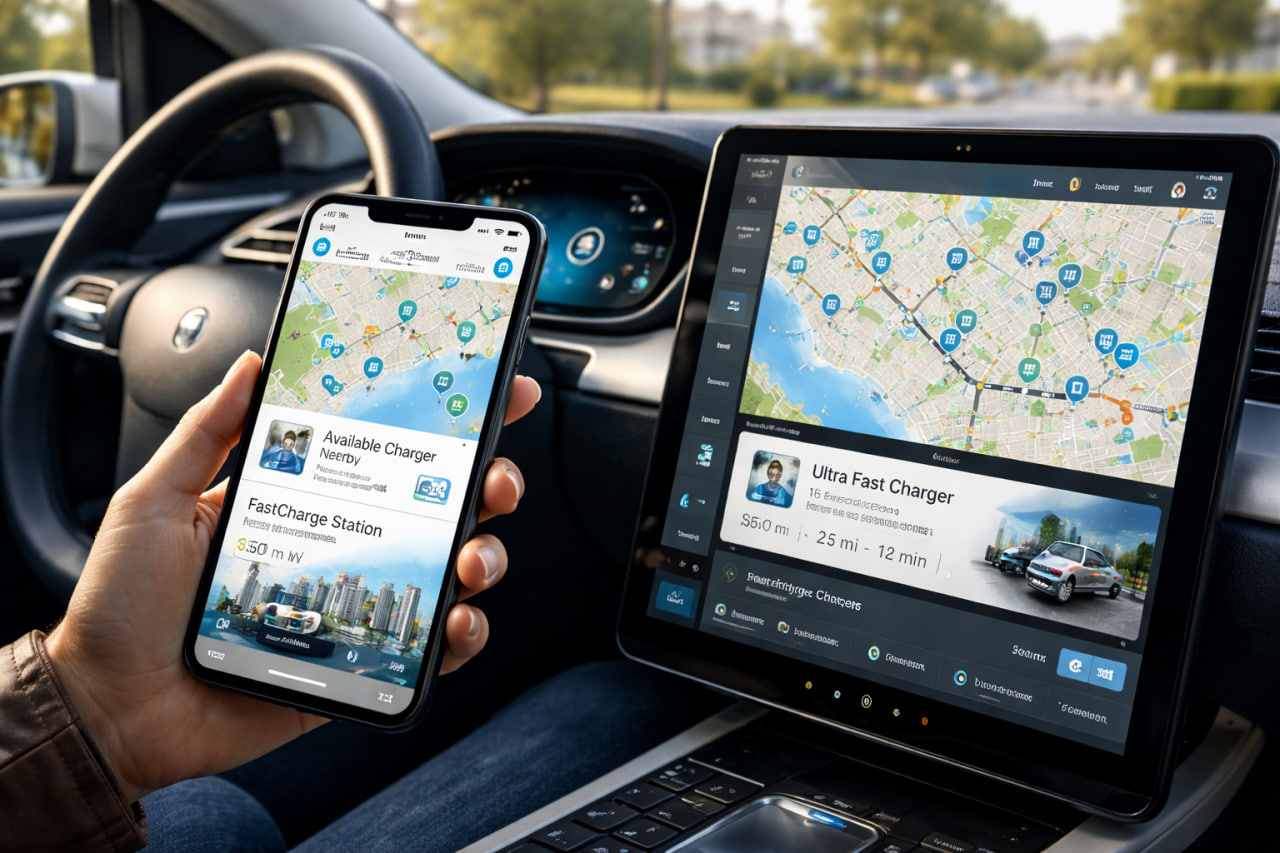
As electric vehicles become the standard for daily mobility and long-distance travel, reliable access to charging infrastructure is no longer just a convenience — it is a necessity.
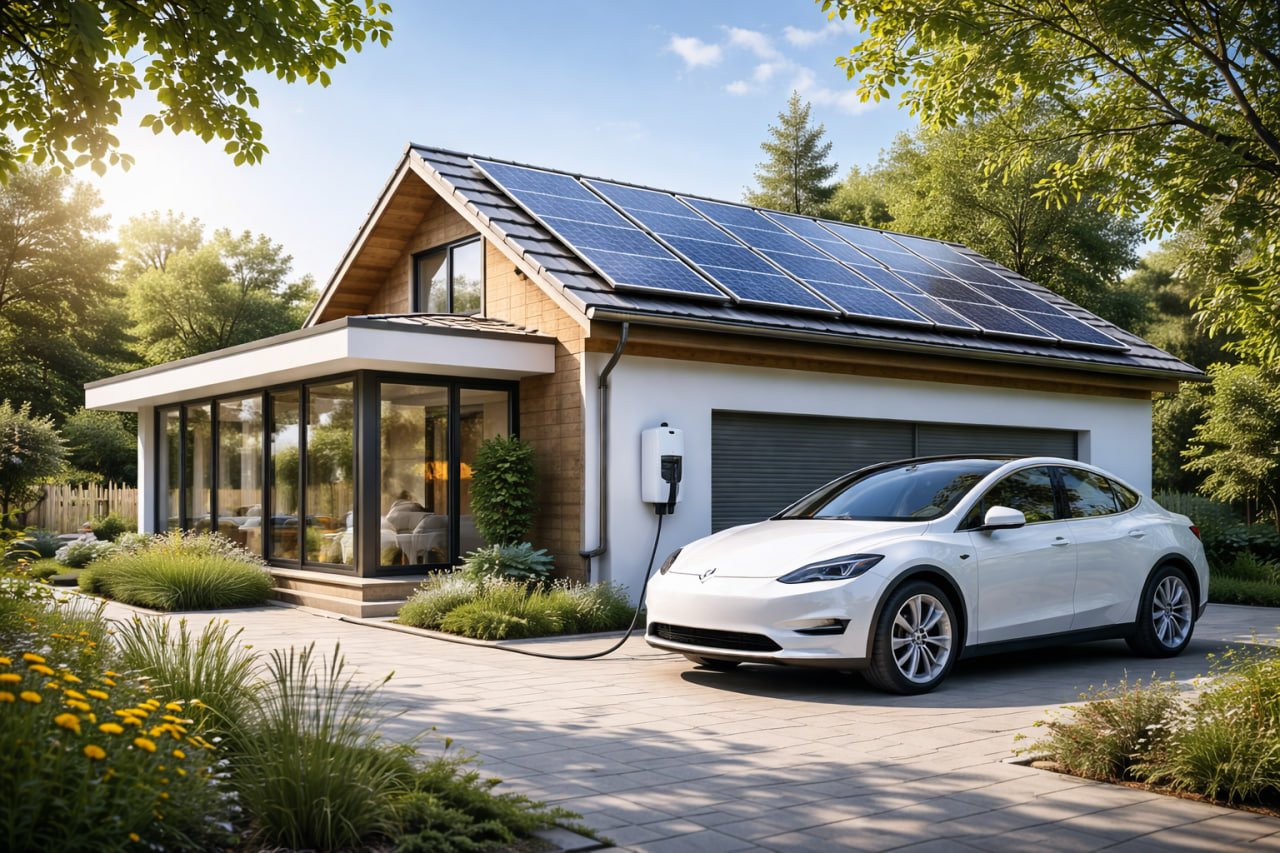
As electric vehicles become more common, many owners begin asking a logical next question: can an EV be charged directly from solar panels?
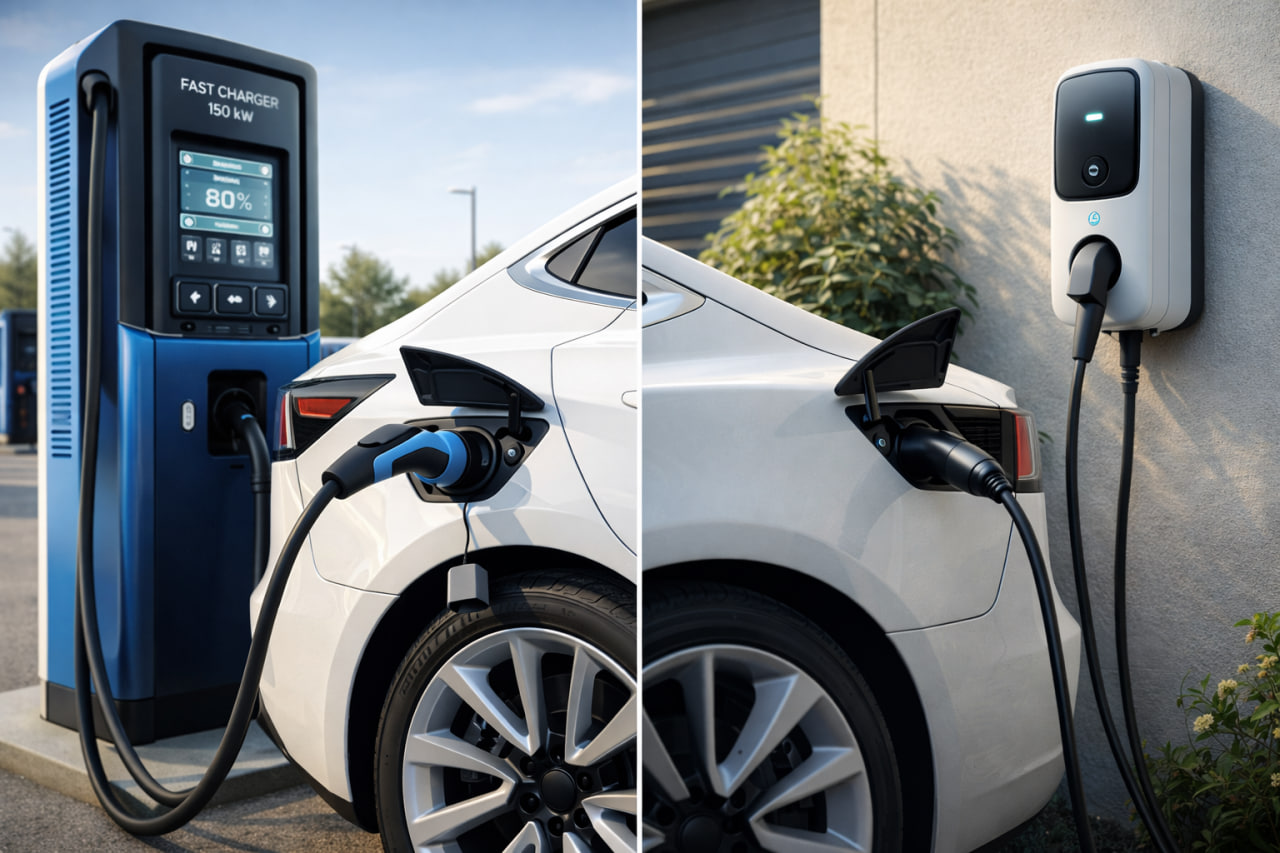
As electric vehicles become mainstream, one of the most debated topics among EV owners is the difference between fast charging and slow charging.
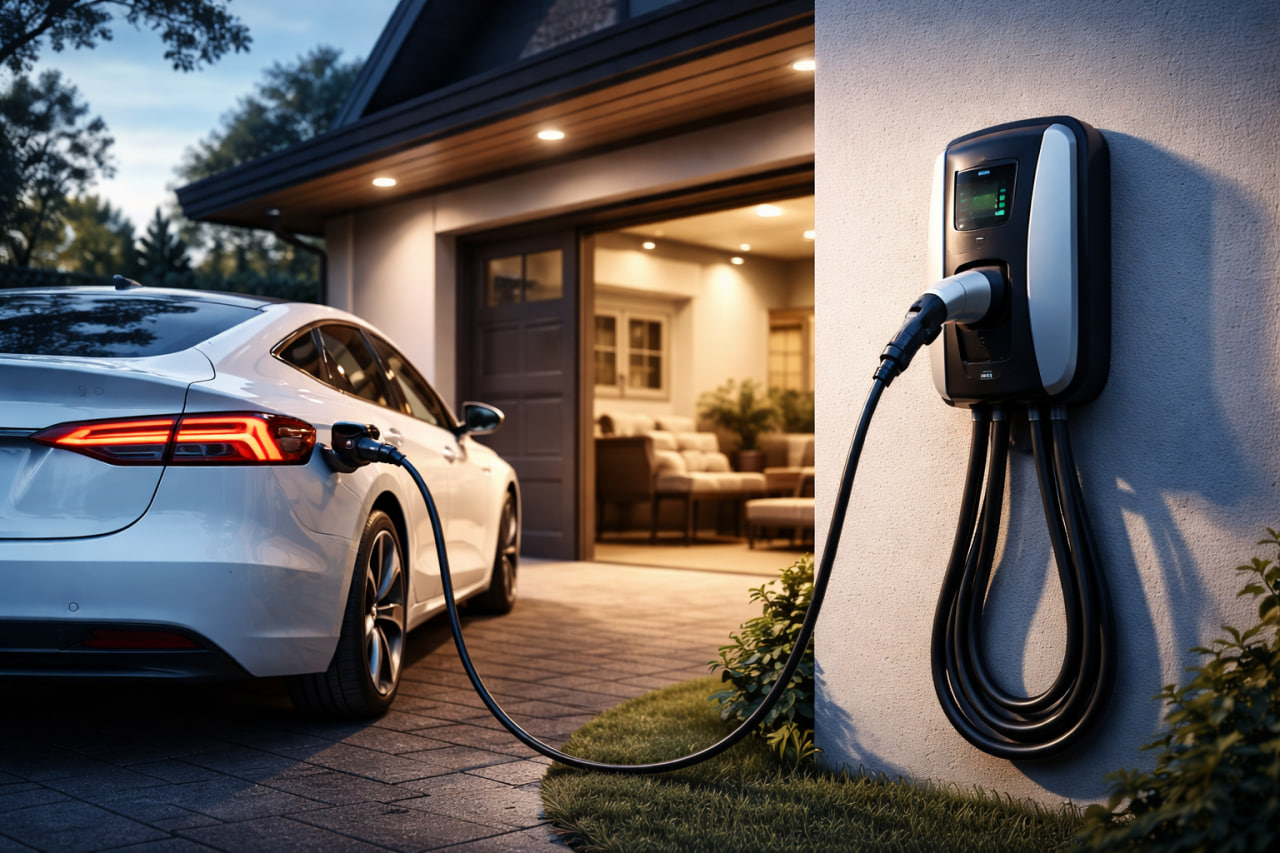
As electric vehicles become part of everyday life, a home charging station is increasingly viewed not as a luxury, but as a practical necessity.