
Lightning-Fast Charging: The Science Behind Ultra-Rapid Battery Replenishment
Ultra-fast charging (UFC) aims to shrink a coffee break into the time it takes to order one.
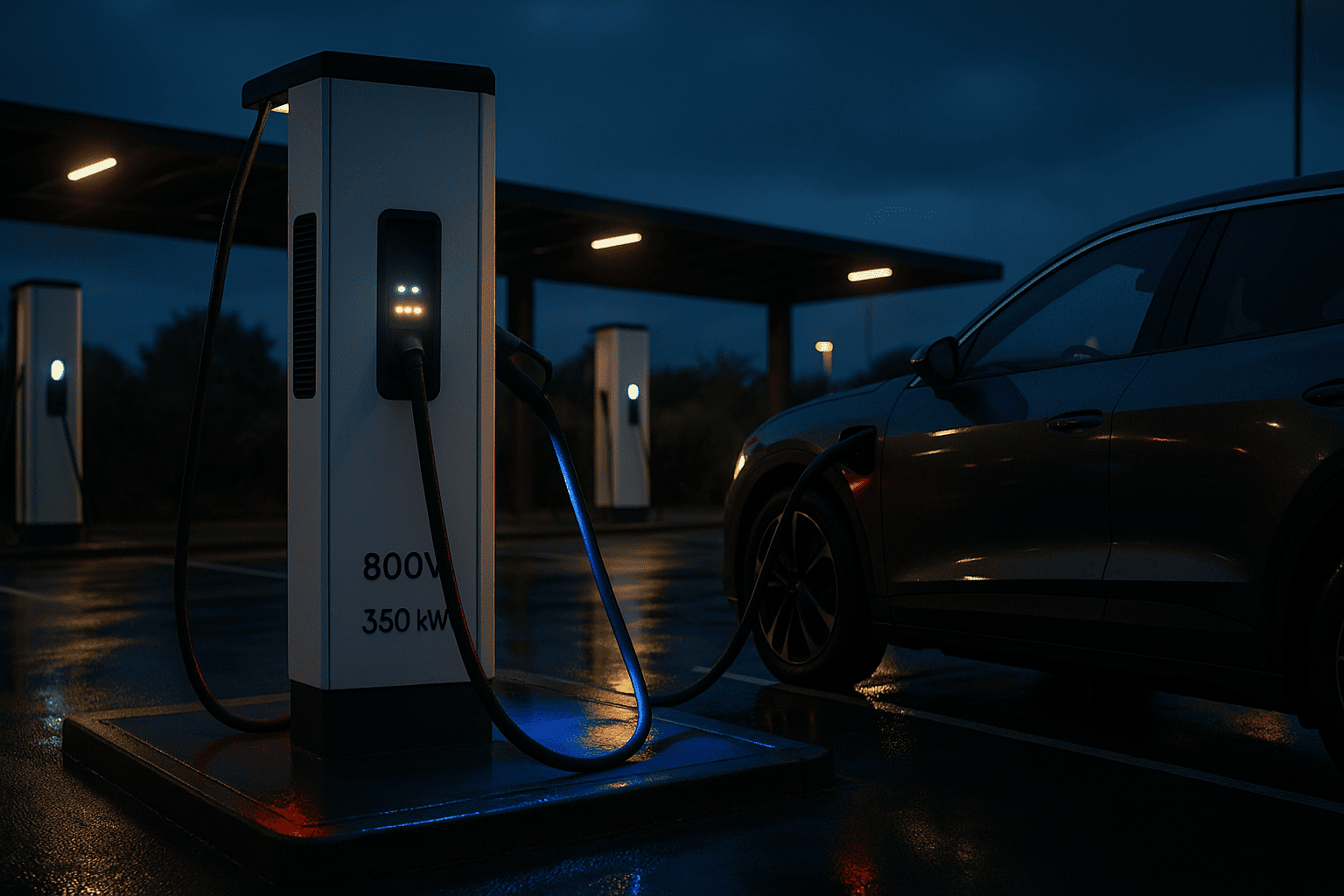
Ultra-fast charging (UFC) aims to shrink a coffee break into the time it takes to order one.

Electric vehicles are scaling fast, but their true sustainability will be judged not only by zero tailpipe emissions, but by what happens to their batteries after the first drive cycle.
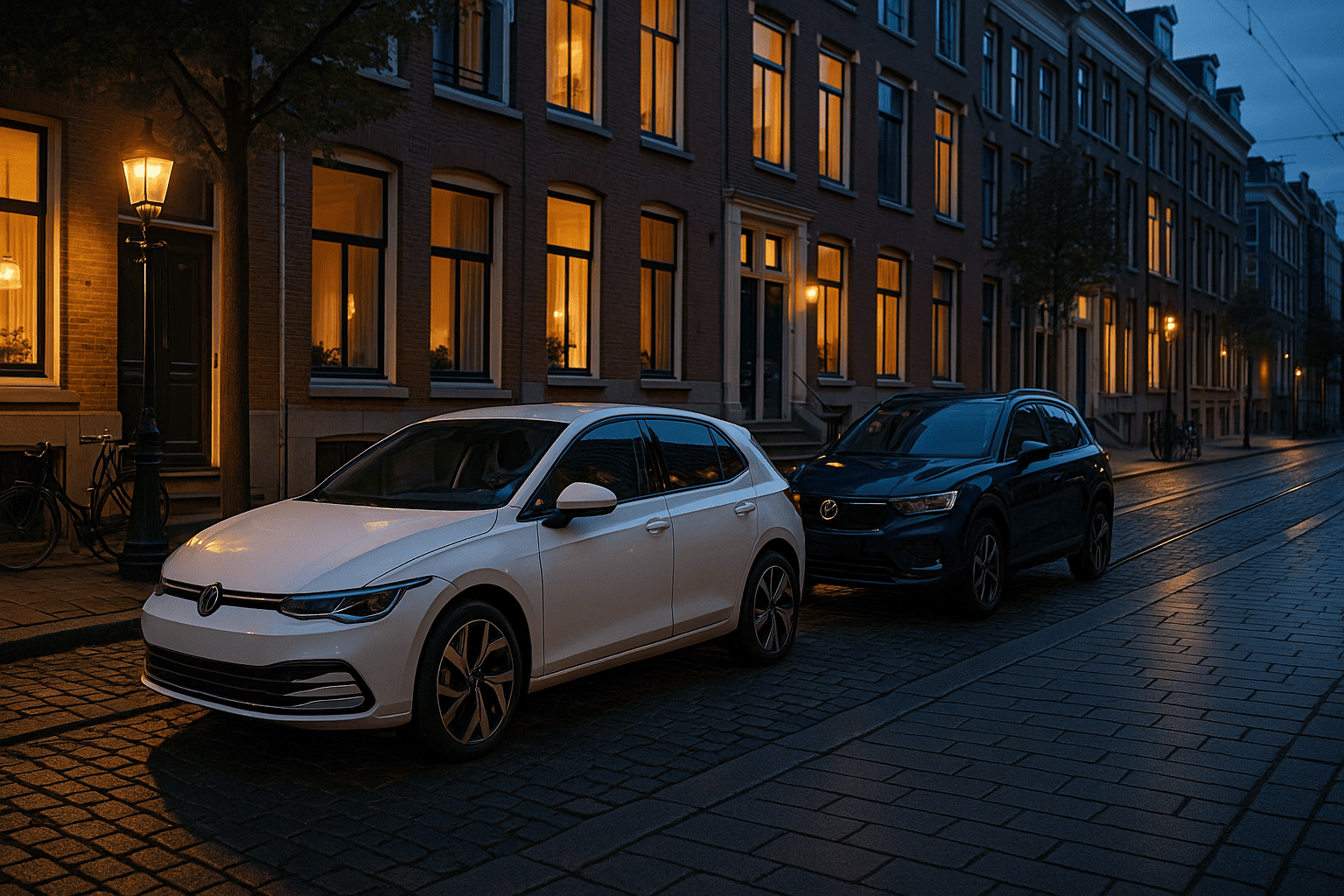
Owning an electric car without a private driveway or home wallbox used to sound impossible. Today, in many European cities, it’s increasingly normal.
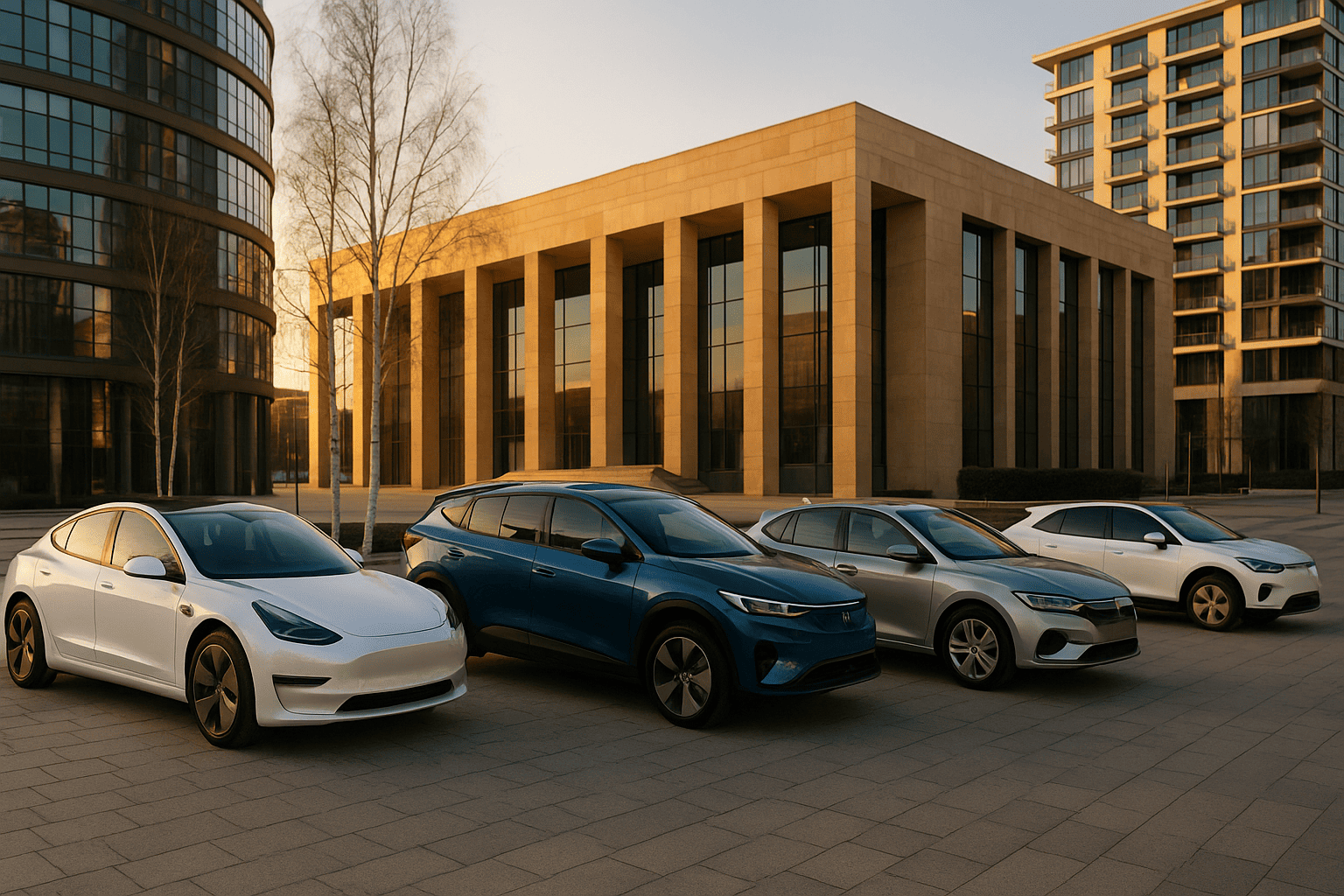
Electric mobility in Russia is no longer confined to capital-city headlines. From Kaliningrad to Vladivostok, a patchwork of owner clubs, DIY workshops, Telegram channels, university labs...
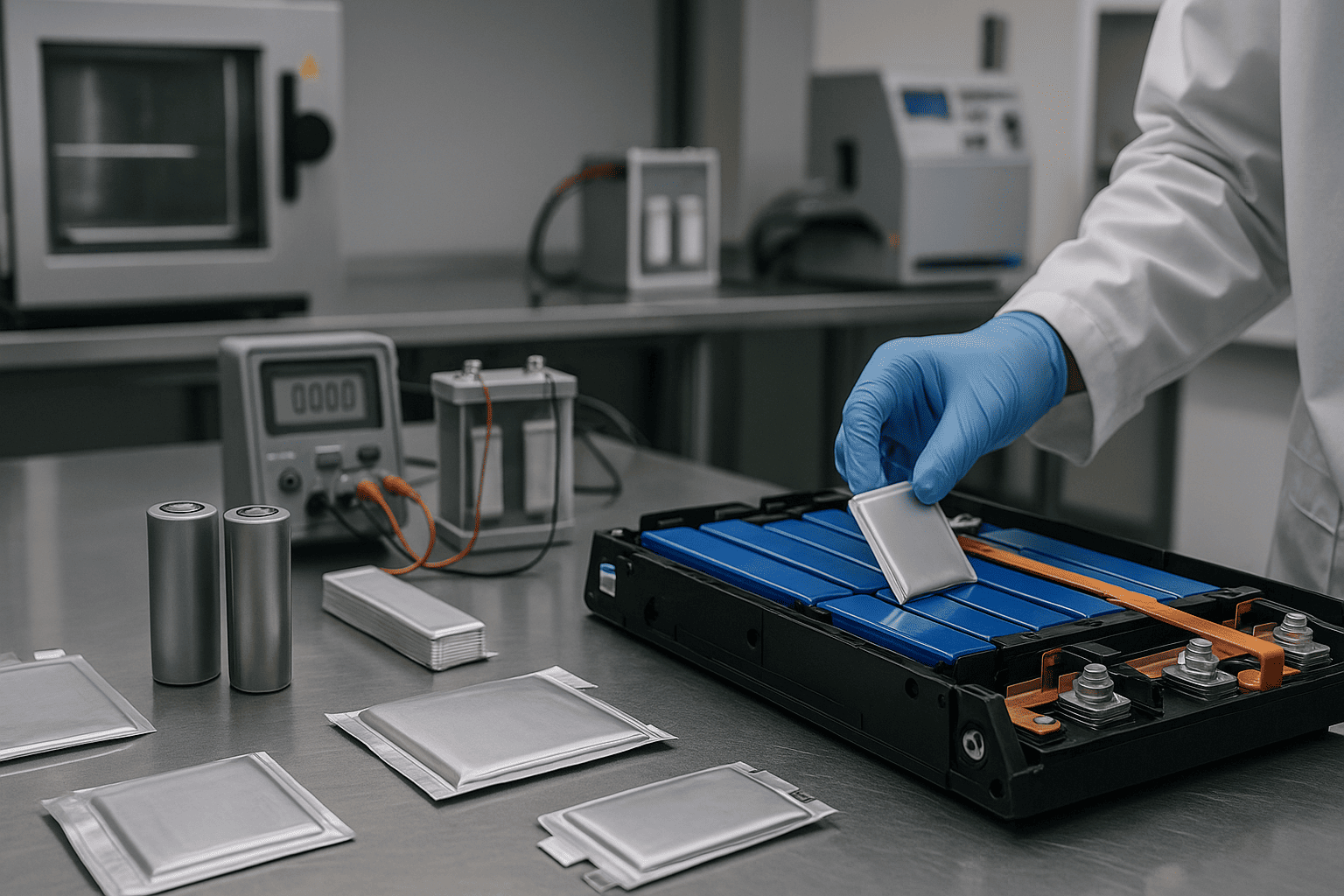
For more than a decade, lithium-ion (Li-ion) has been the workhorse of electric vehicles, steadily improving in cost, safety, and performance.
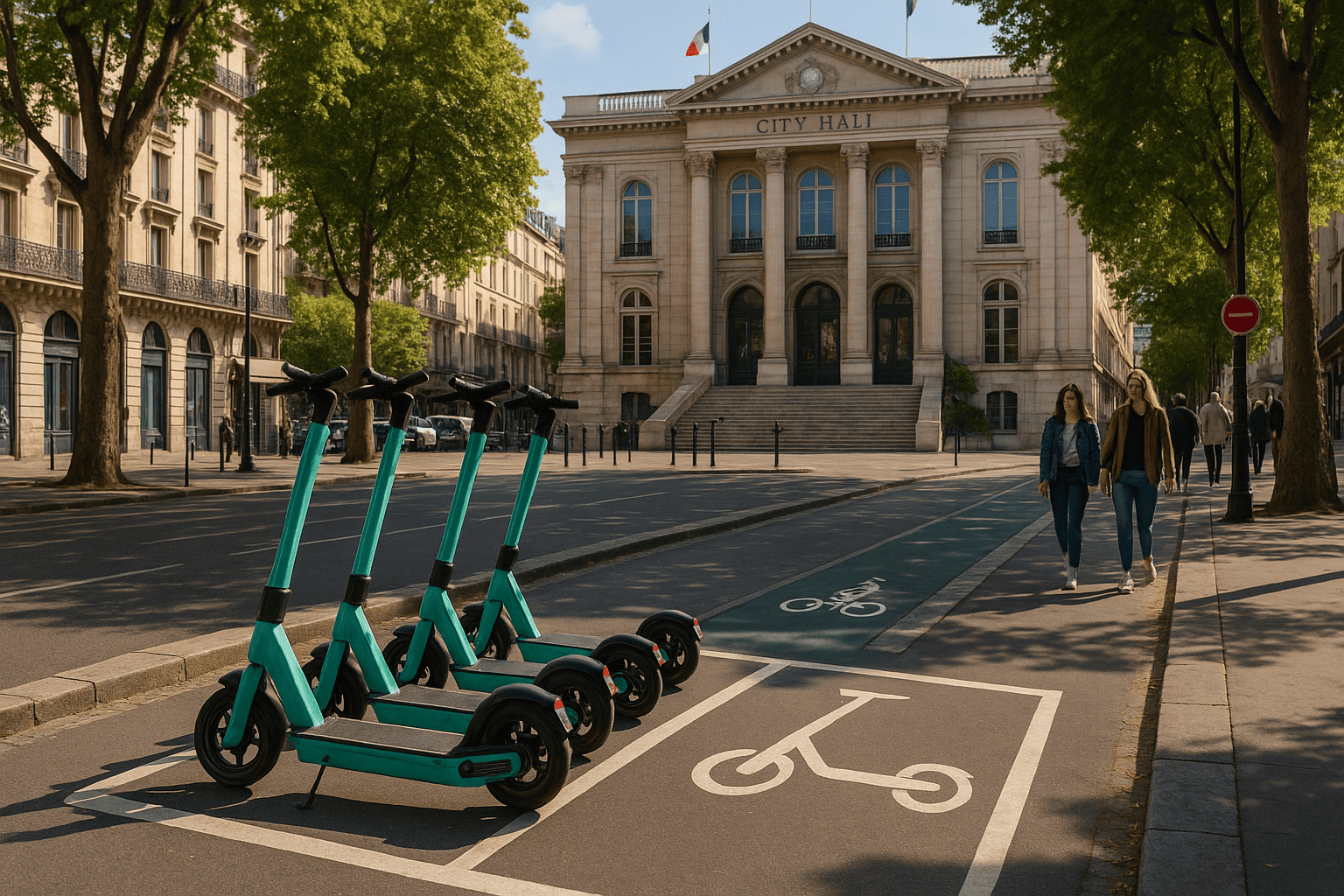
Few mobility trends have risen—and ruffled feathers—as rapidly as shared electric scooters.
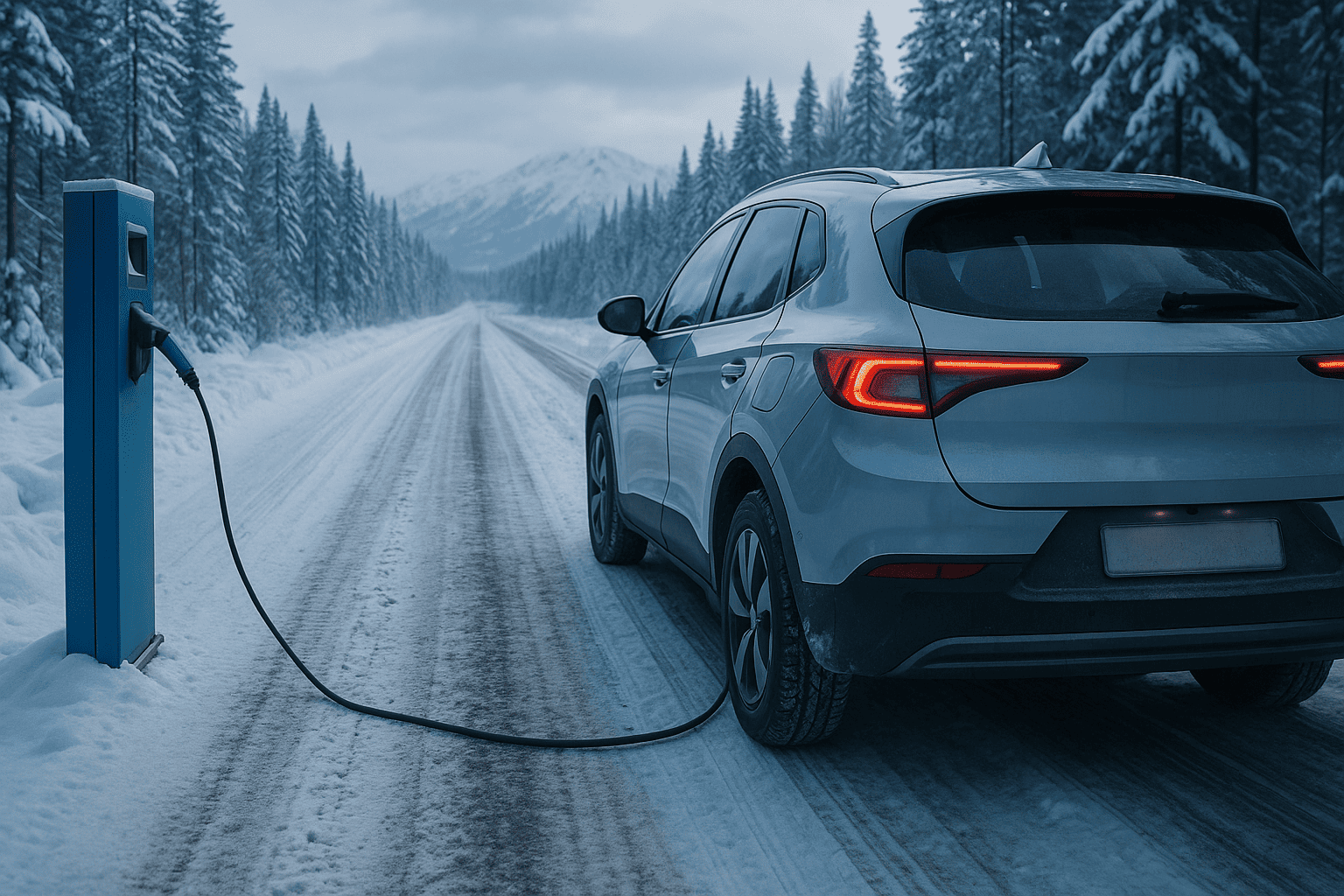
Stretching from the rolling ridges of the Ural Mountains to the icy shores of the Pacific, Siberia is a land of staggering distances and raw, untamed beauty.
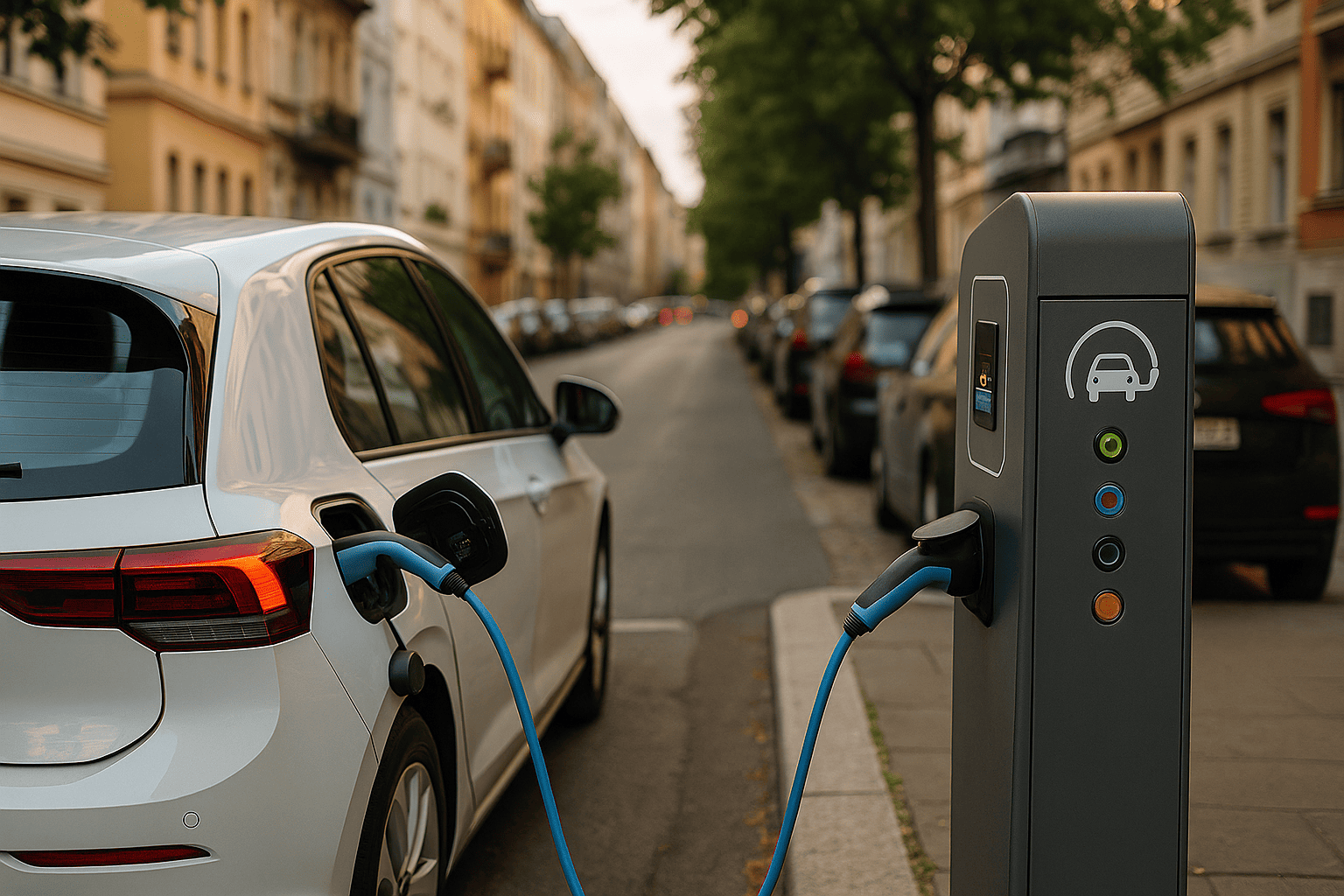
One of the most persistent misconceptions about electric-vehicle ownership is that you need a private driveway and a powerful wallbox to make daily life workable.
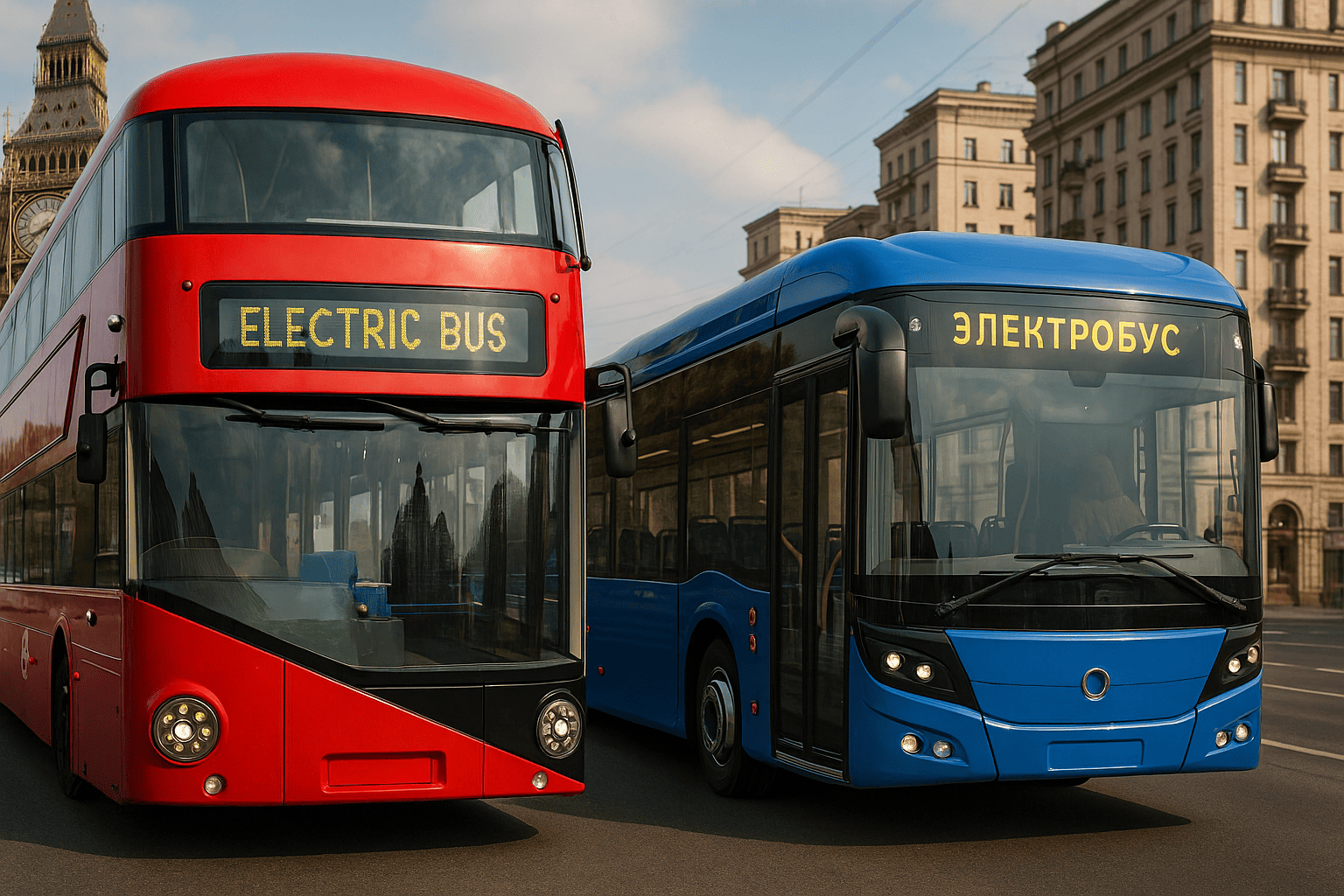
Across Europe’s busiest capitals, fleets of whisper-quiet electric buses are redefining what it means to ride the city streets.
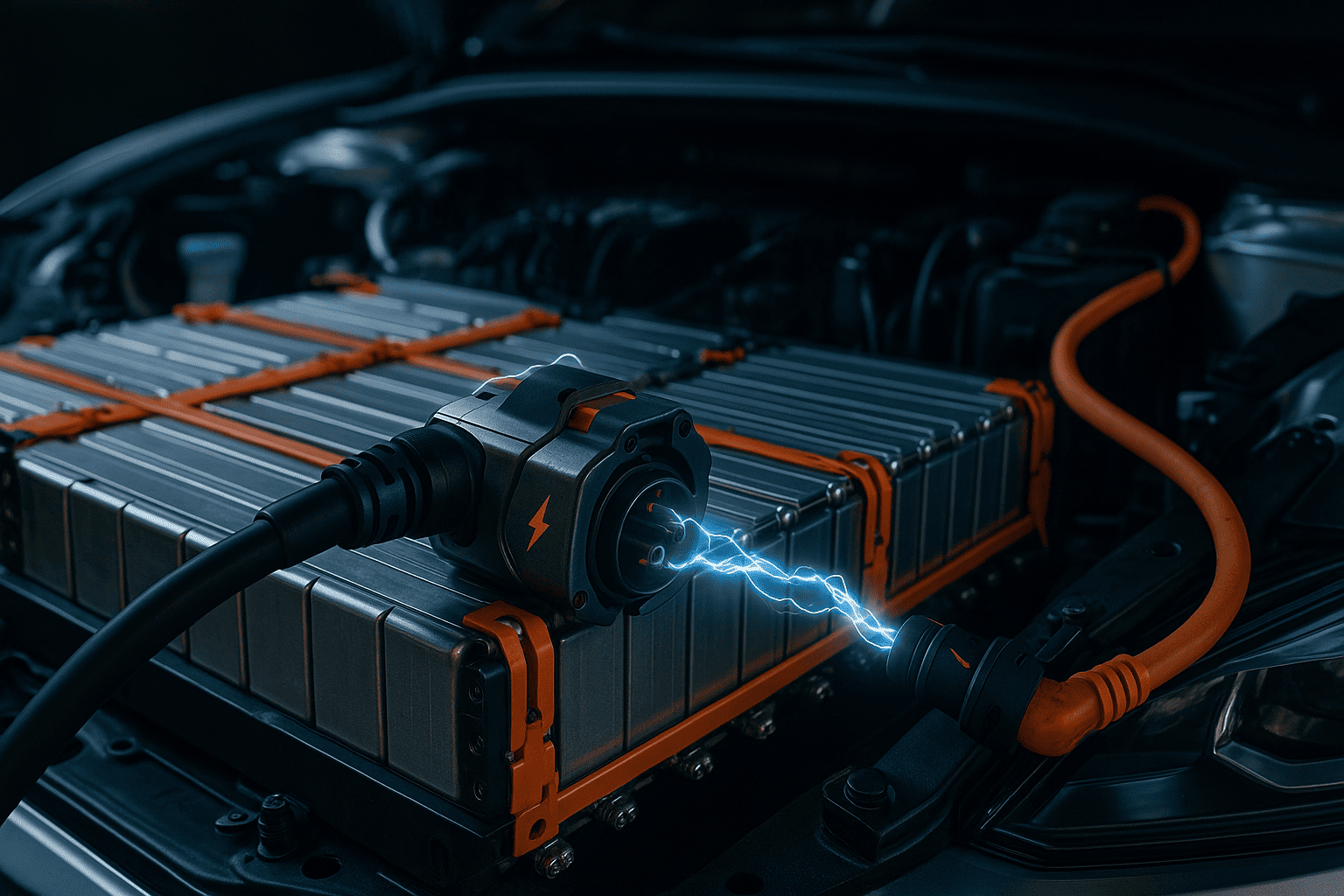
In an era where speed defines convenience, ultra-fast battery charging—often marketed as "lightning charging"—has become a breakthrough in both consumer electronics and electric vehicle...