
When Will Electric Cars Learn to Fly?
For decades, flying cars existed mainly in science fiction movies and futuristic concepts. But today, the idea is no longer purely fantastic.

For decades, flying cars existed mainly in science fiction movies and futuristic concepts. But today, the idea is no longer purely fantastic.
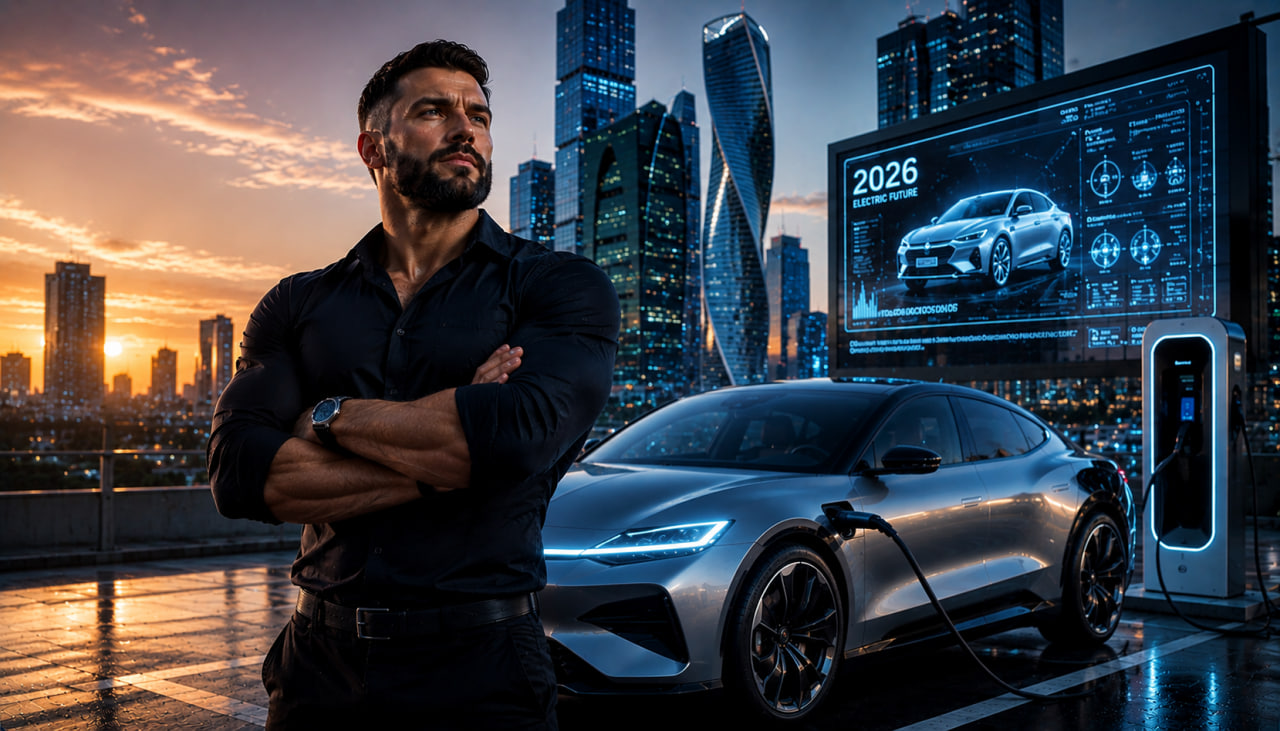
The electric vehicle industry is evolving faster than almost any other sector in transportation.
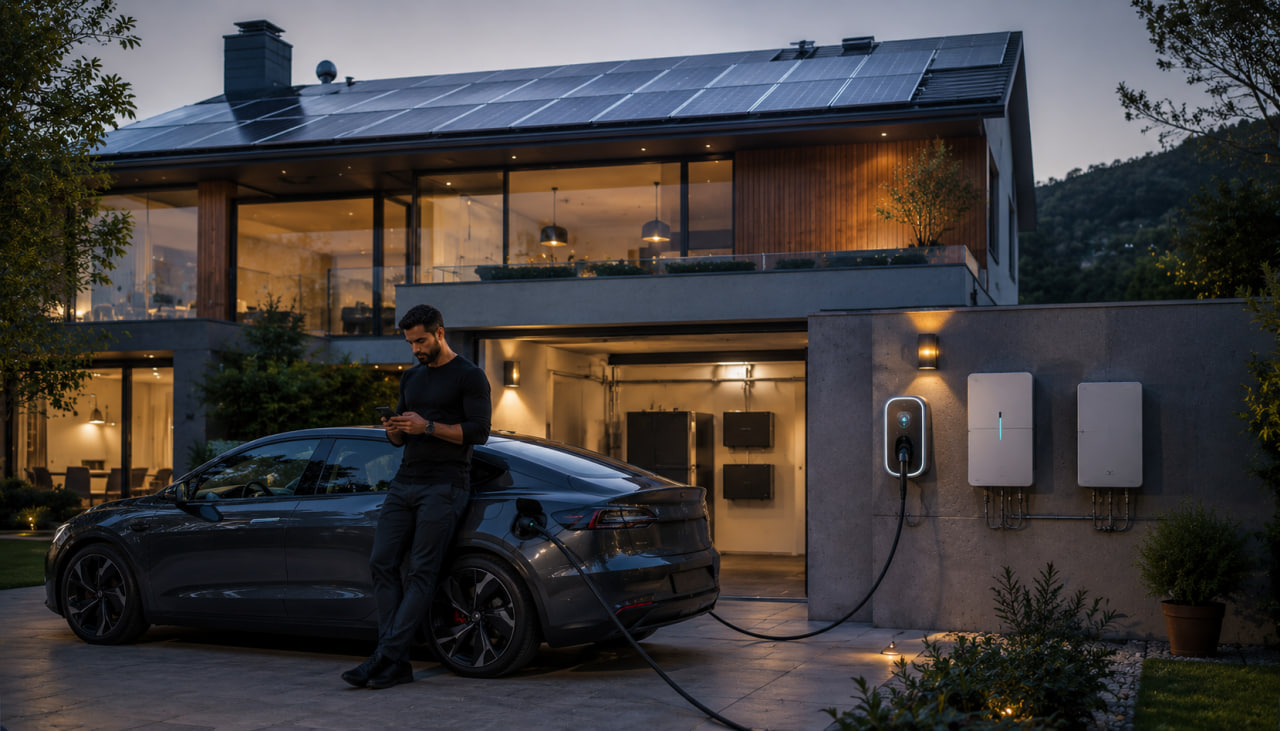
The idea of a fully connected eco-home powered by renewable energy is no longer futuristic.
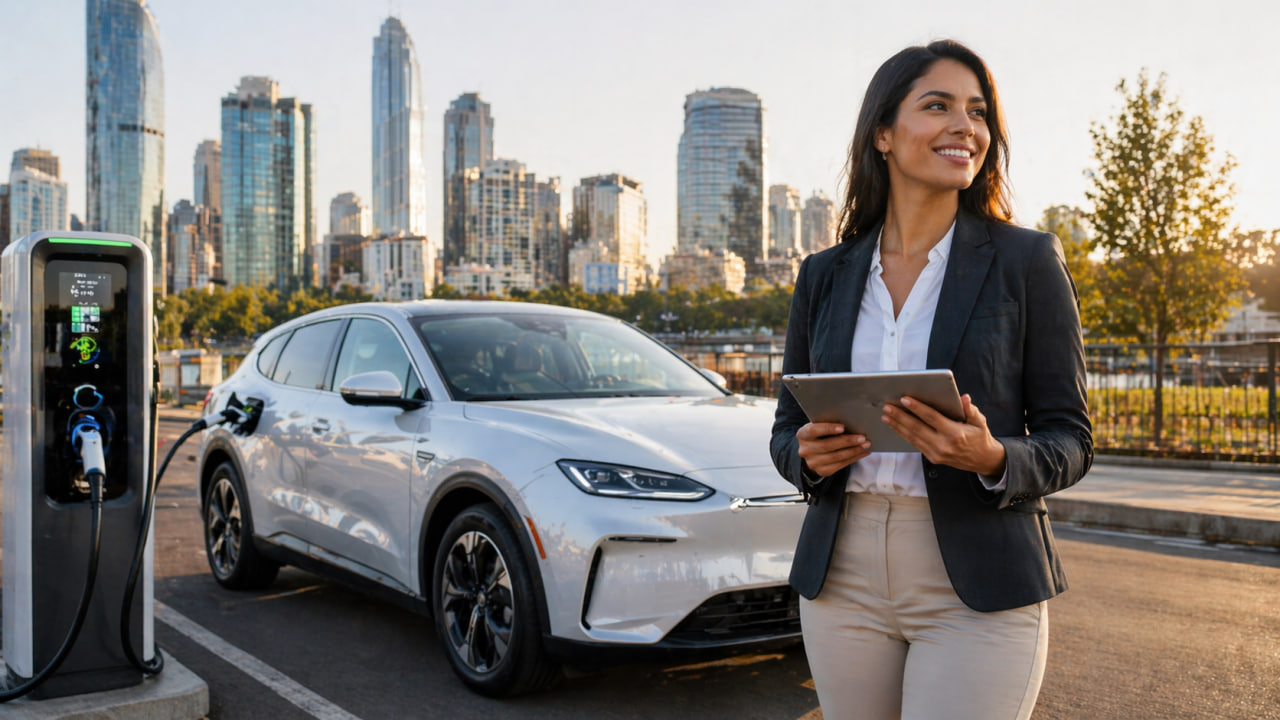
The global shift toward electric vehicles (EVs) is accelerating faster than many experts predicted just a few years ago.
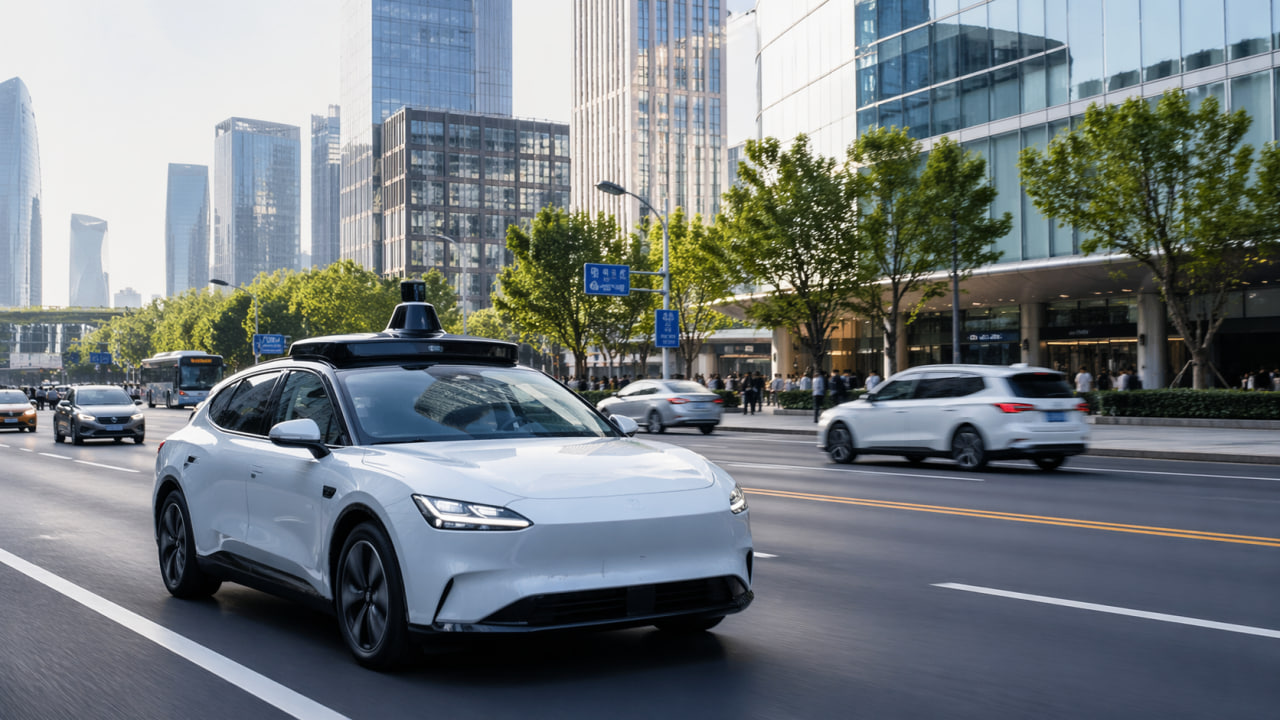
The convergence of two powerful technologies—electric vehicles (EVs) and artificial intelligence—is giving rise to a new paradigm in transportation: the autonomous electric vehicle.

Electric vehicles (EVs) are often presented as the future of transportation, offering lower operating costs, reduced emissions, and advanced technology.
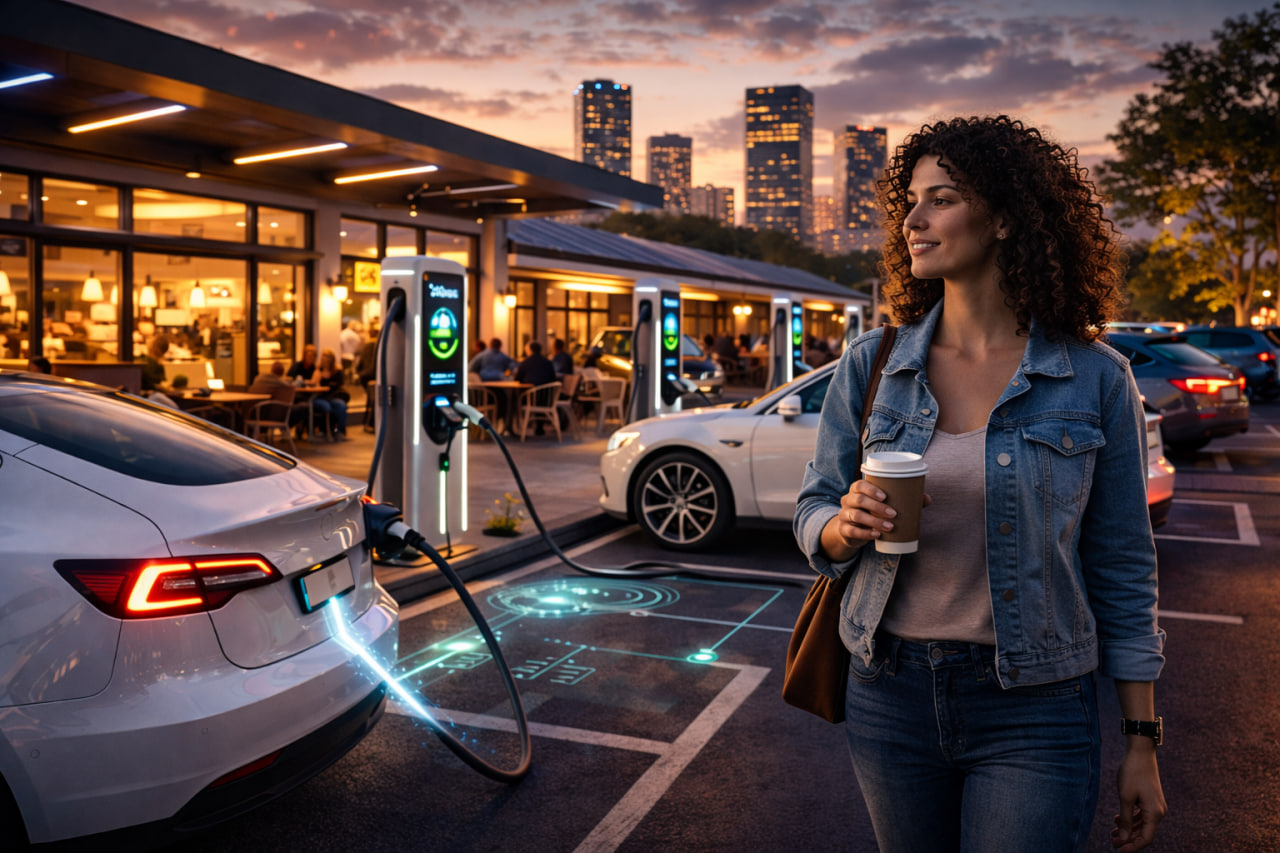
The rapid expansion of electric vehicle adoption is reshaping not only transportation but also the infrastructure surrounding it.
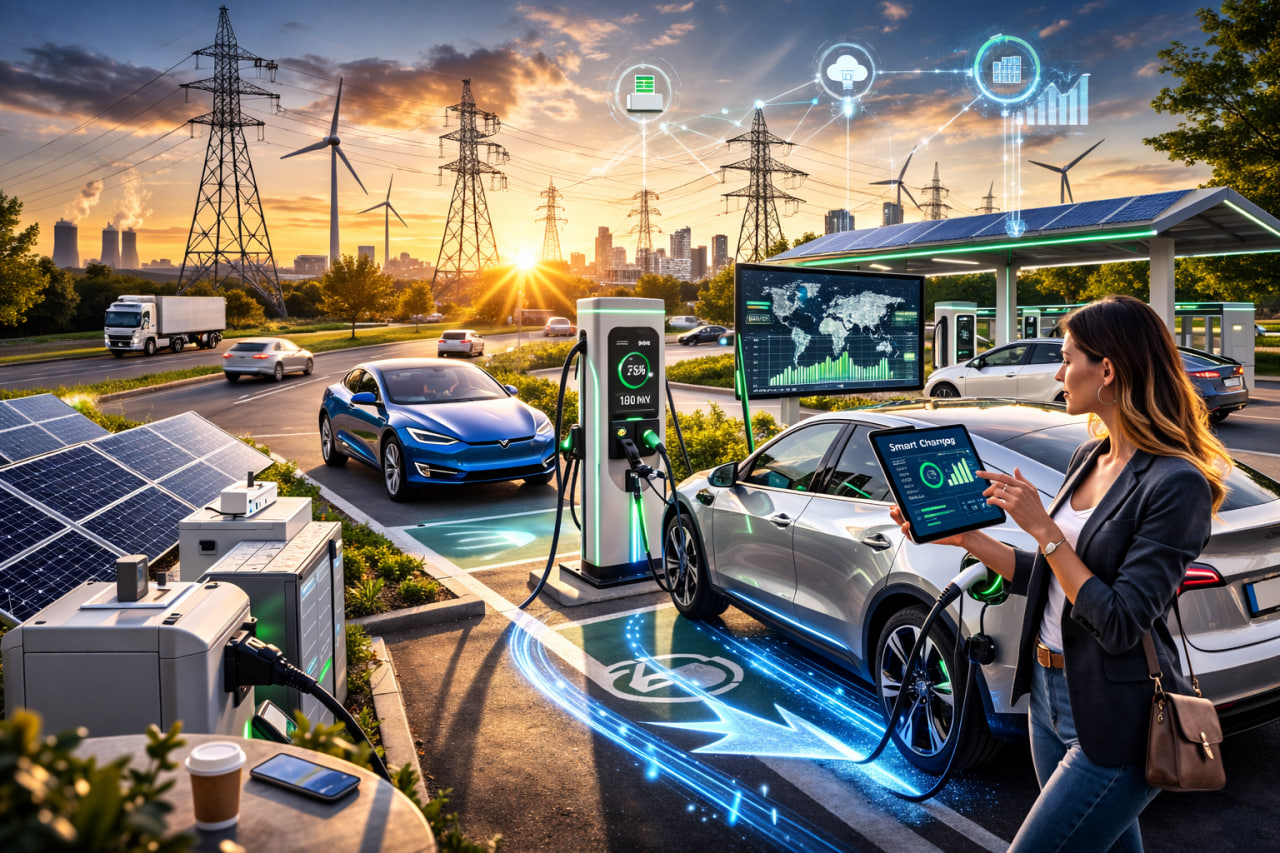
The global transition toward electric vehicles (EVs) raises an essential infrastructure question: can existing power grids support large-scale electrification of transport?
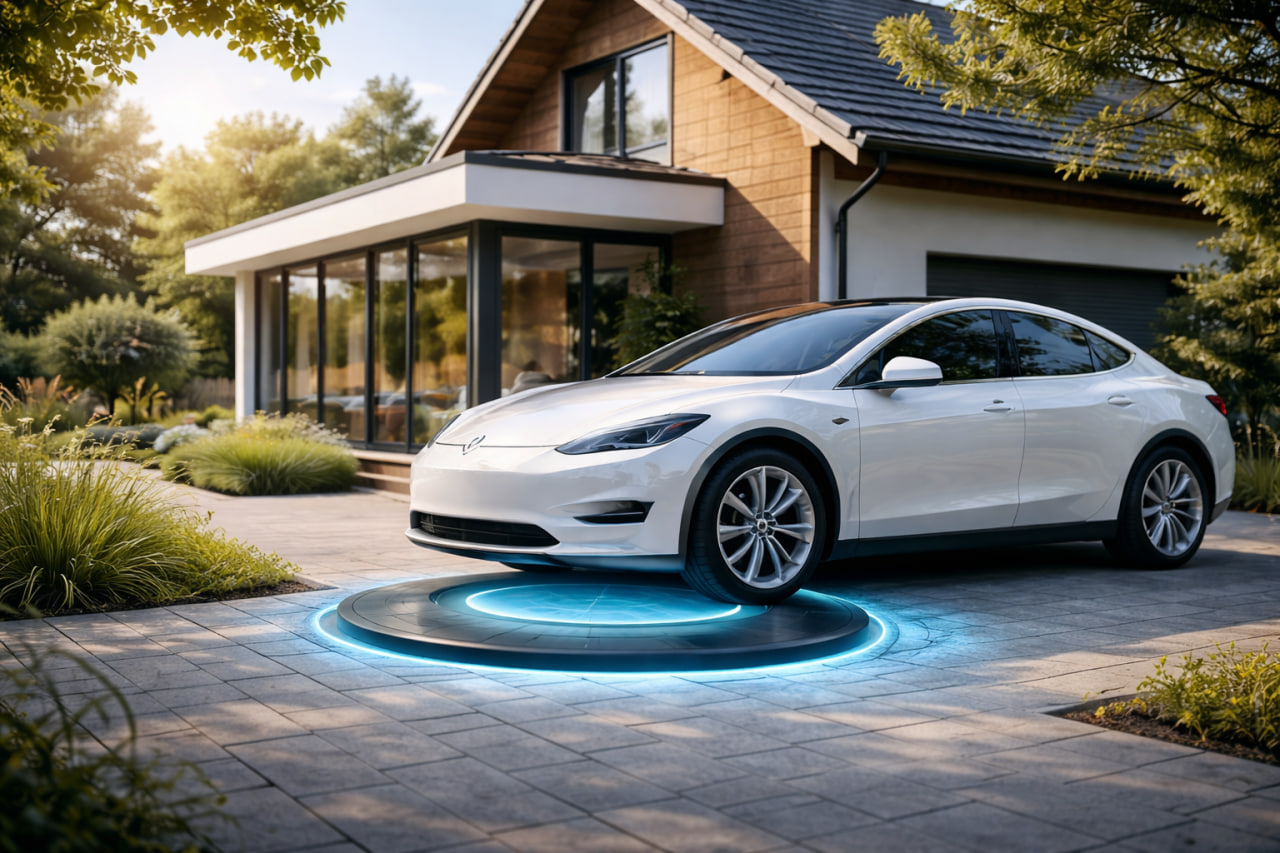
Wireless charging for electric vehicles has long been considered a futuristic concept, yet it is already moving from experimental testing into real-world deployment.

The electric car is no longer an experiment or a niche alternative to traditional vehicles—it is becoming a central pillar of future transportation systems.