
Home EV Charging Station: How to Choose and Install One Correctly
As electric vehicles become part of everyday life, a home charging station is increasingly viewed not as a luxury, but as a practical necessity.
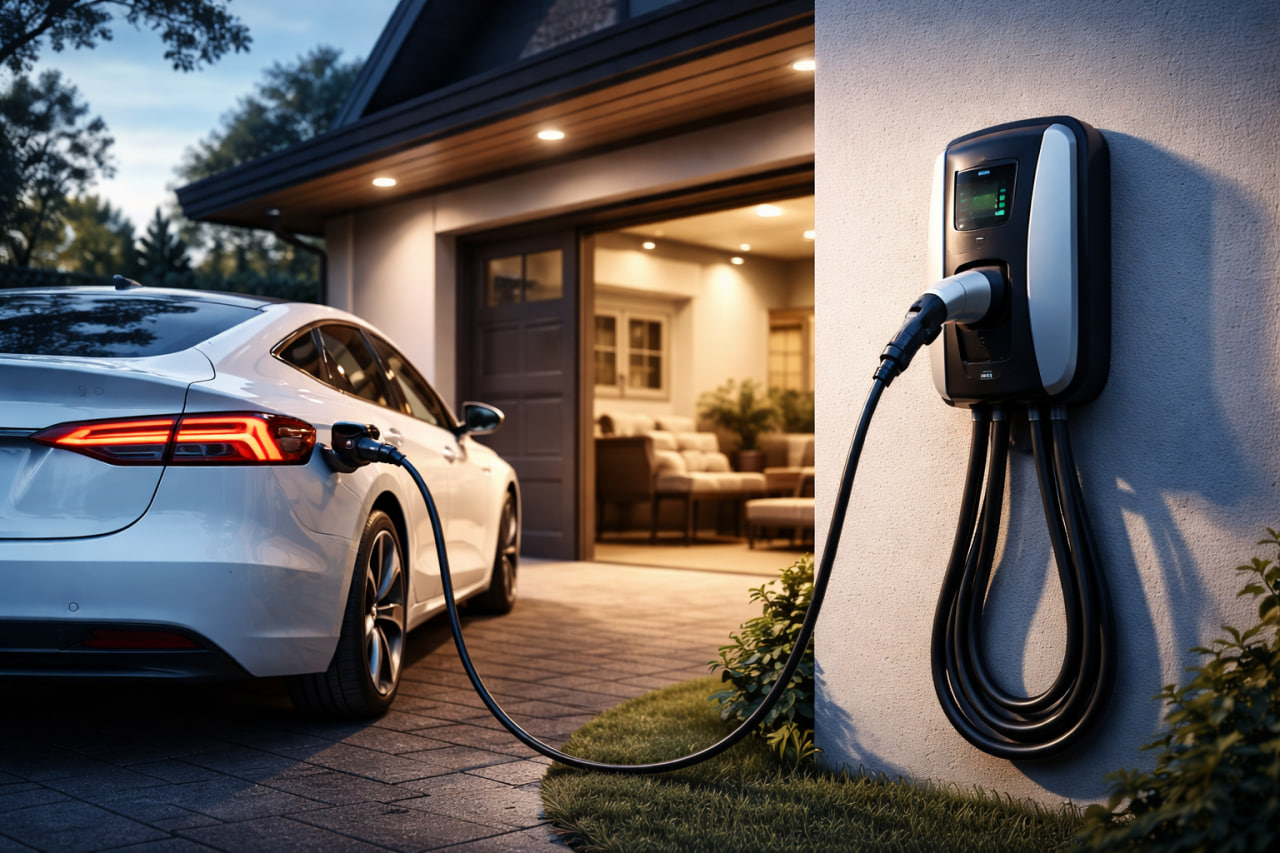
As electric vehicles become part of everyday life, a home charging station is increasingly viewed not as a luxury, but as a practical necessity.
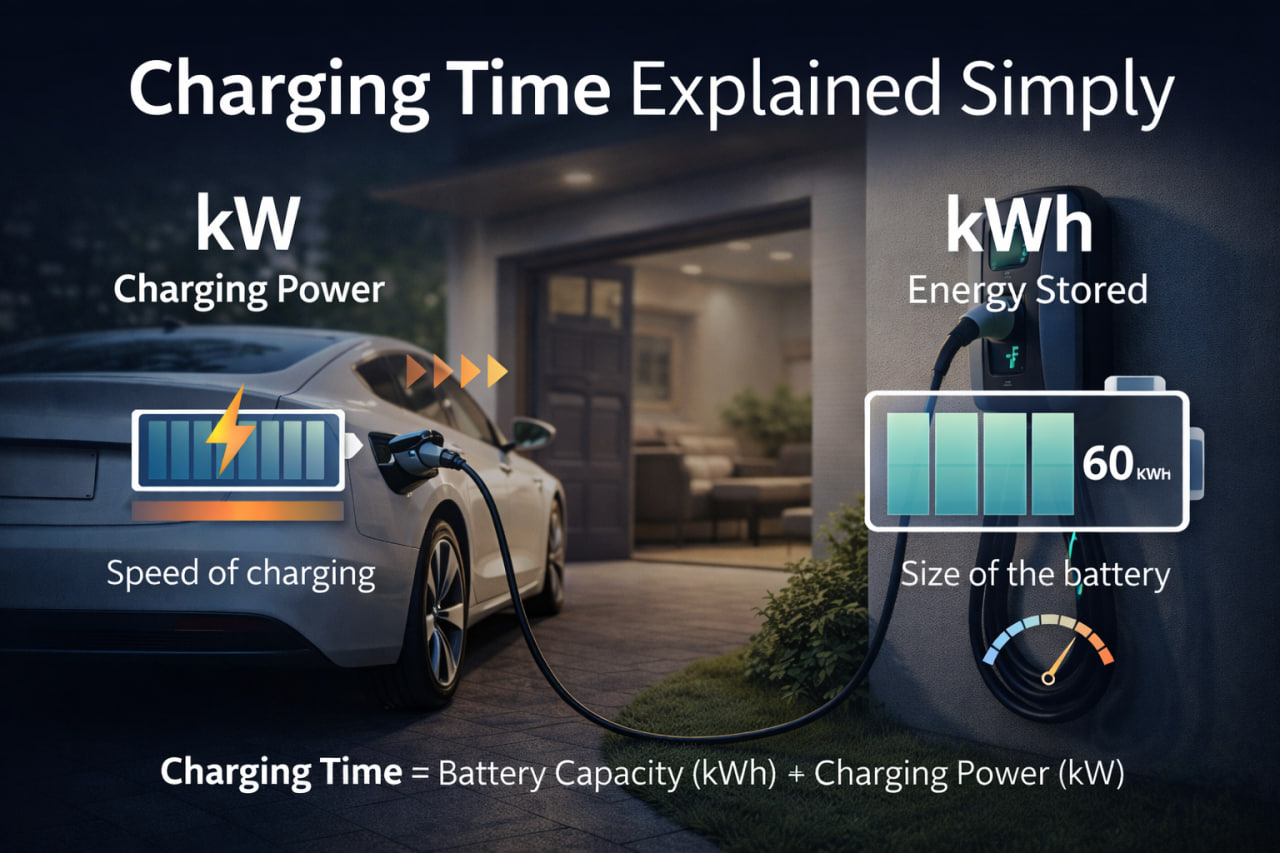
One of the most common questions among electric vehicle owners is how long charging will actually take in real life.
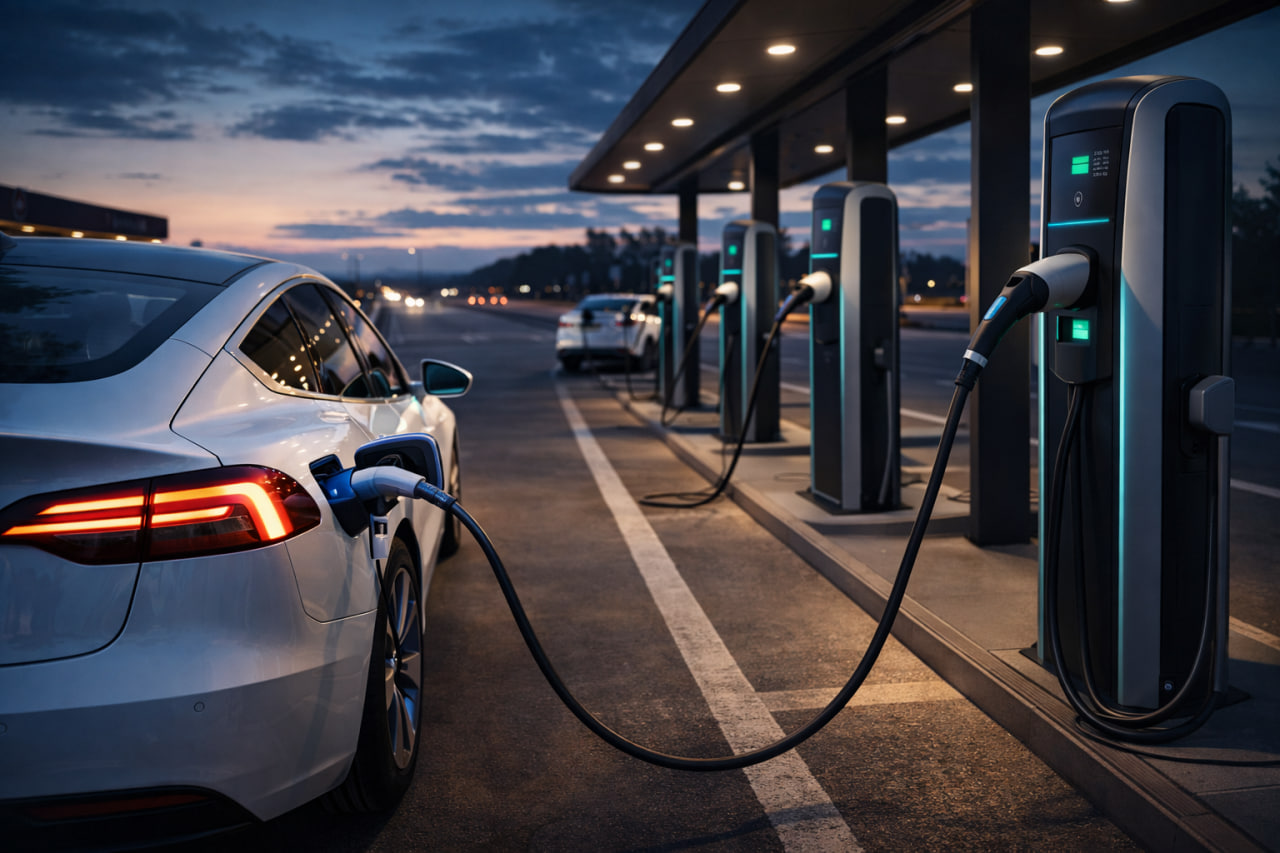
Public charging networks are a critical pillar of electric vehicle mobility, especially for long-distance travel and drivers without access to home charging.
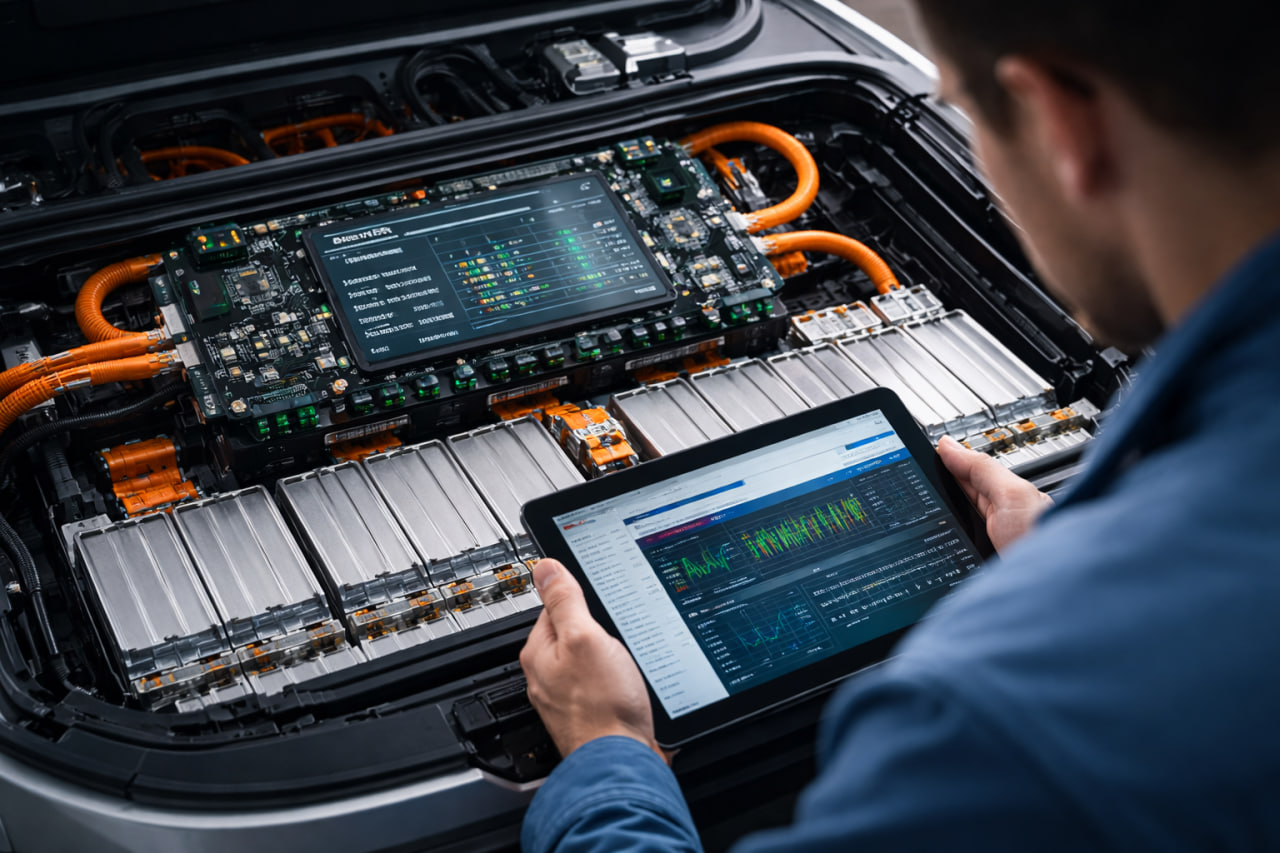
In electric vehicles, the battery is not simply a container for energy but a highly complex system that must operate safely under constantly changing conditions.

As electric vehicles continue to expand globally, charging standards have become one of the most important — and often confusing — aspects for EV owners.

The electric car is no longer an experiment or a niche alternative to traditional vehicles—it is becoming a central pillar of future transportation systems.

As electric vehicles and stationary energy storage systems scale globally, battery manufacturers face a dual challenge: reducing cost while improving performance and manufacturability.
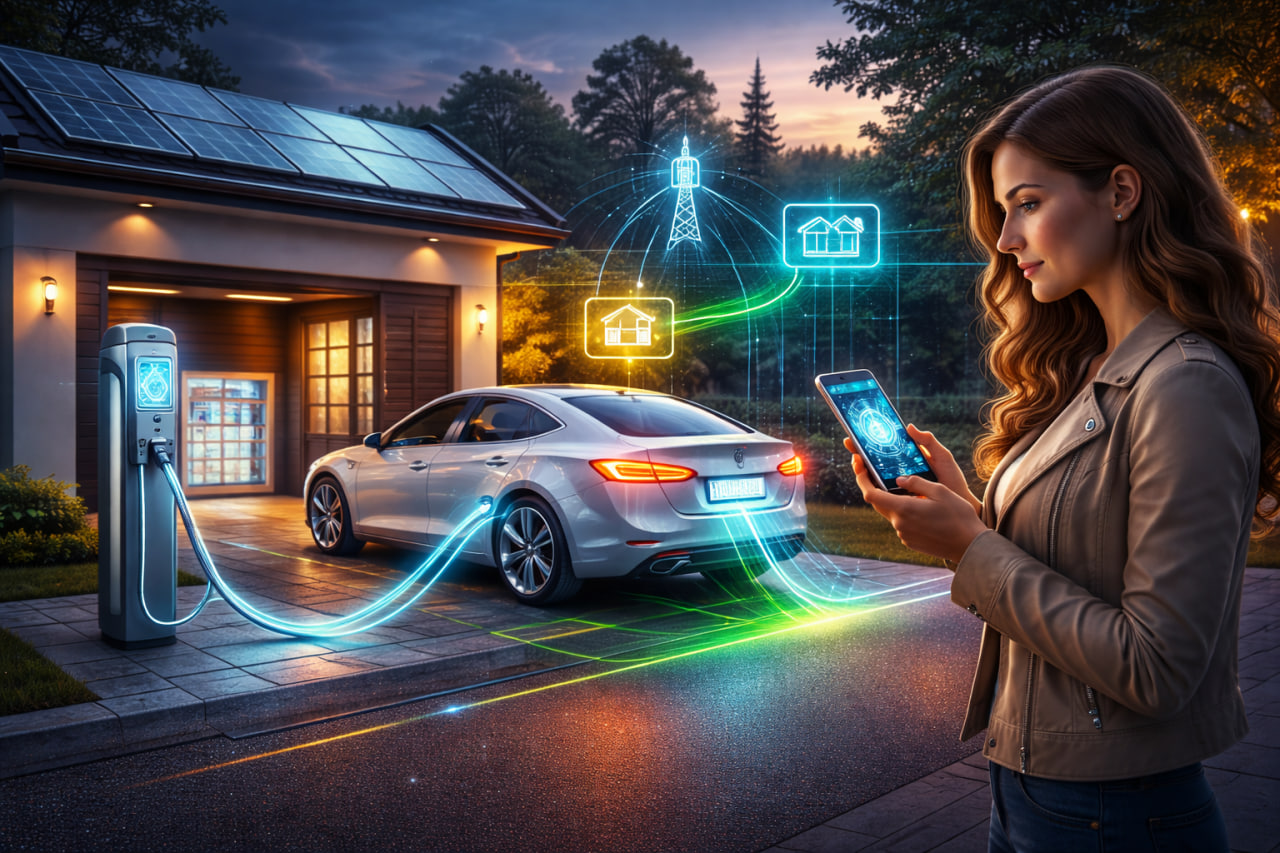
Electric vehicle charging is evolving from a simple “plug and wait” action into an intelligent, flexible energy process that connects cars, homes, and power grids.
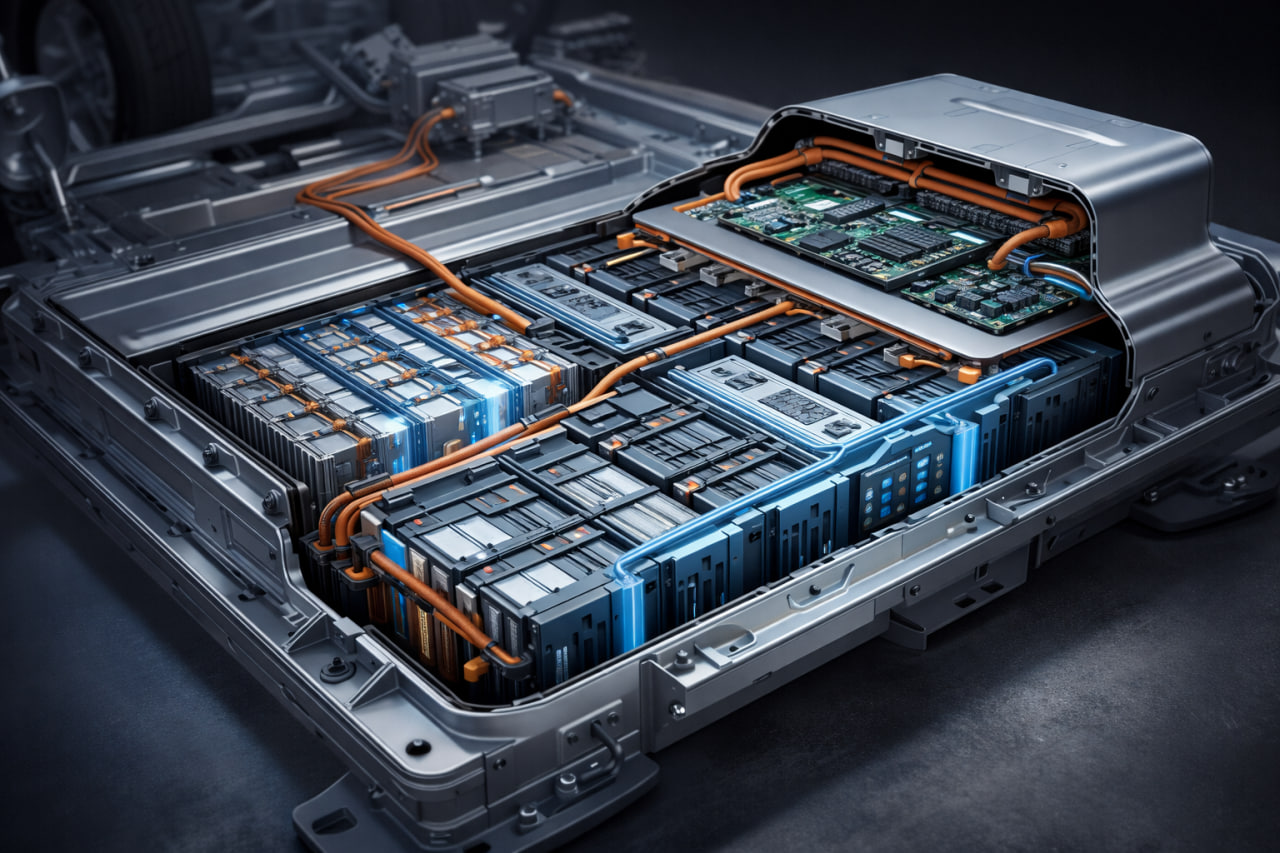
The battery is not just one component among many in an electric vehicle — it is the core system around which the entire car is engineered.
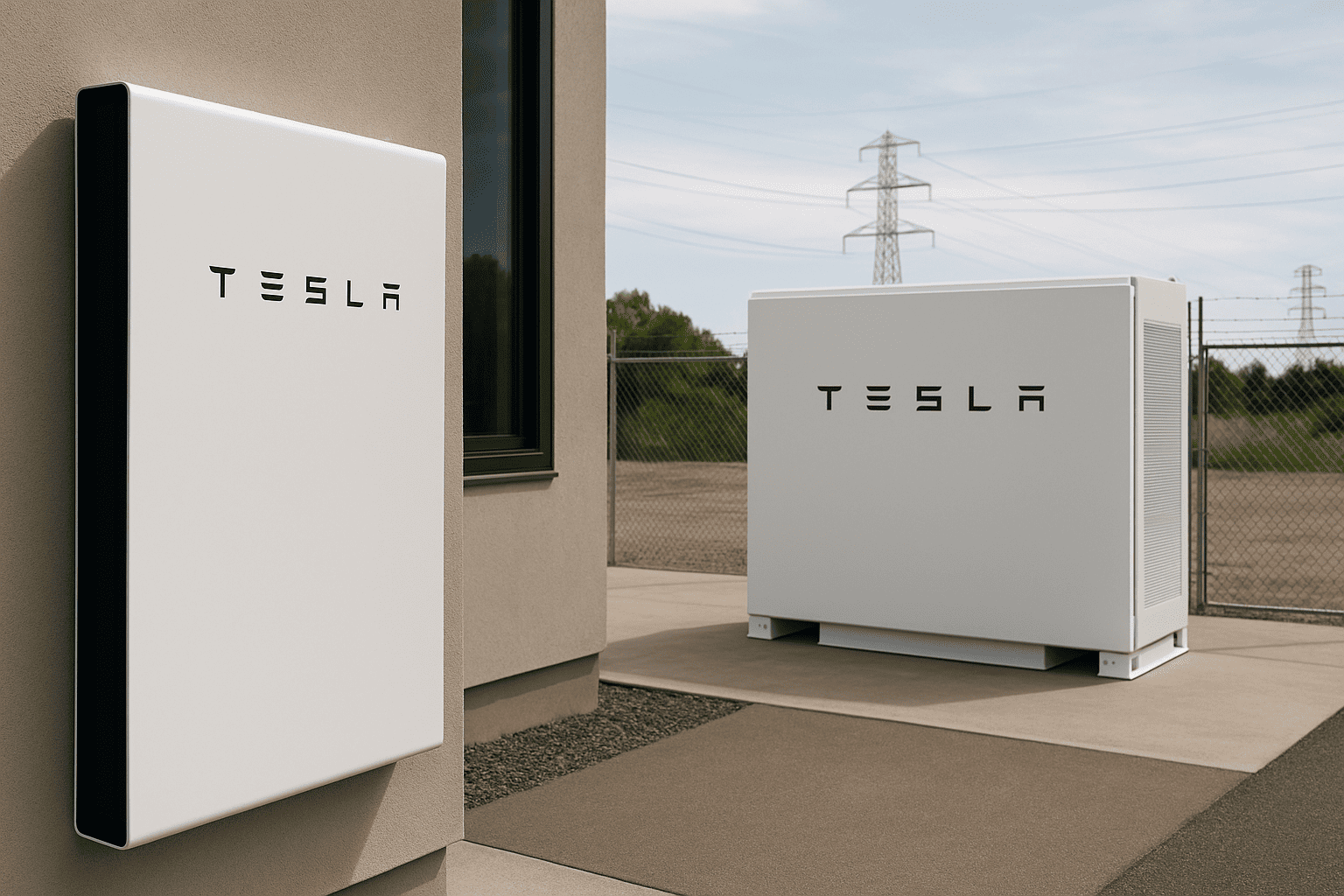
Tesla isn’t just a car company; it’s building a grid-aware ecosystem where home batteries, utility-scale storage, solar, and EVs work as one.