
Beyond Lithium-Ion: Next-Generation Batteries That Could Power the Future of EVs
For more than a decade, lithium-ion (Li-ion) has been the workhorse of electric vehicles, steadily improving in cost, safety, and performance.
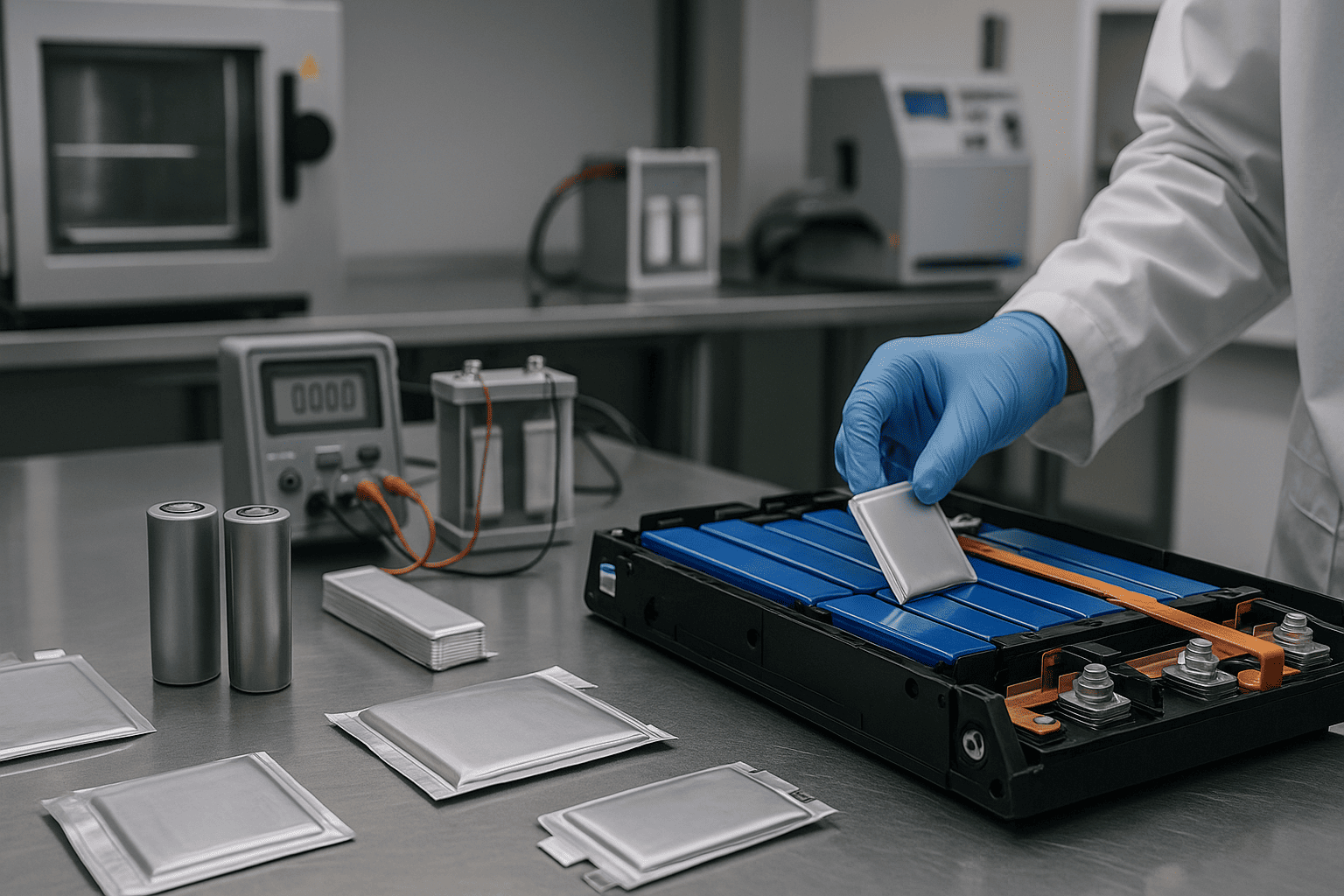
For more than a decade, lithium-ion (Li-ion) has been the workhorse of electric vehicles, steadily improving in cost, safety, and performance.
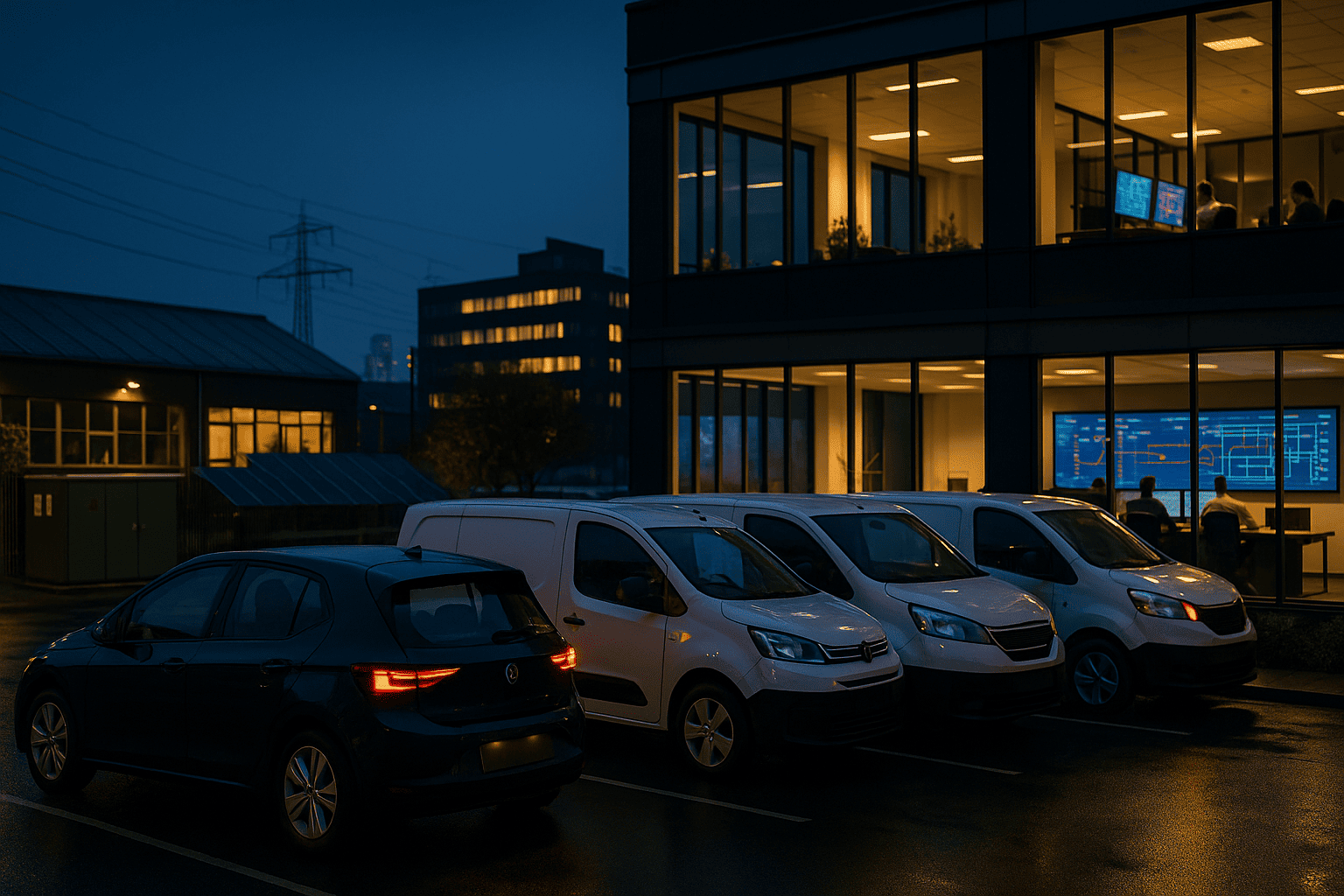
Electric vehicles (EVs) are often described as mobile batteries. Vehicle-to-Grid (V2G) makes that description literal, turning parked cars, vans, and buses into fast-responding grid resources...
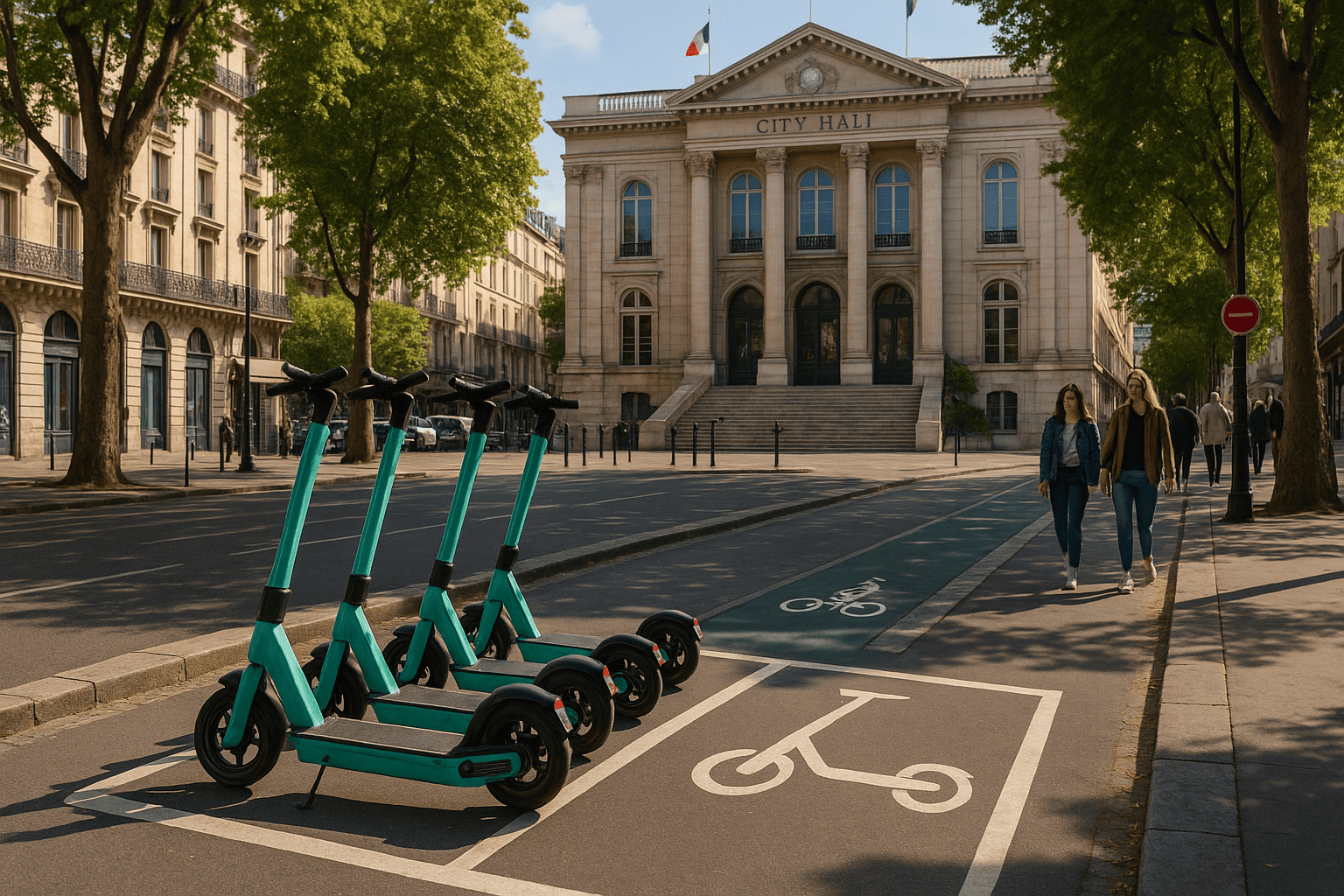
Few mobility trends have risen—and ruffled feathers—as rapidly as shared electric scooters.
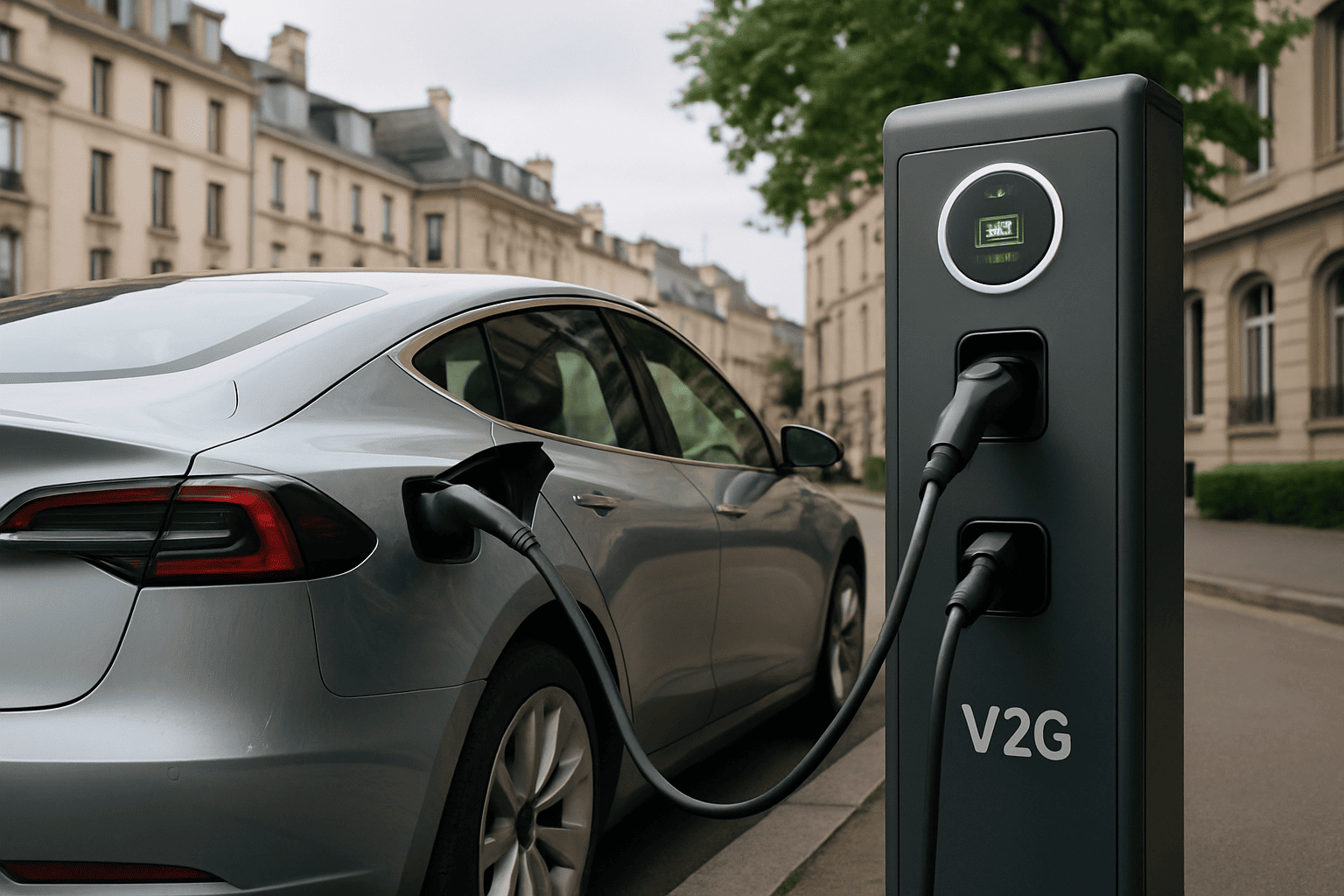
Imagine millions of parked electric vehicles (EVs) acting as tiny power plants, ready to export stored energy back into the grid during peak demand and recharge when renewables are plentiful.
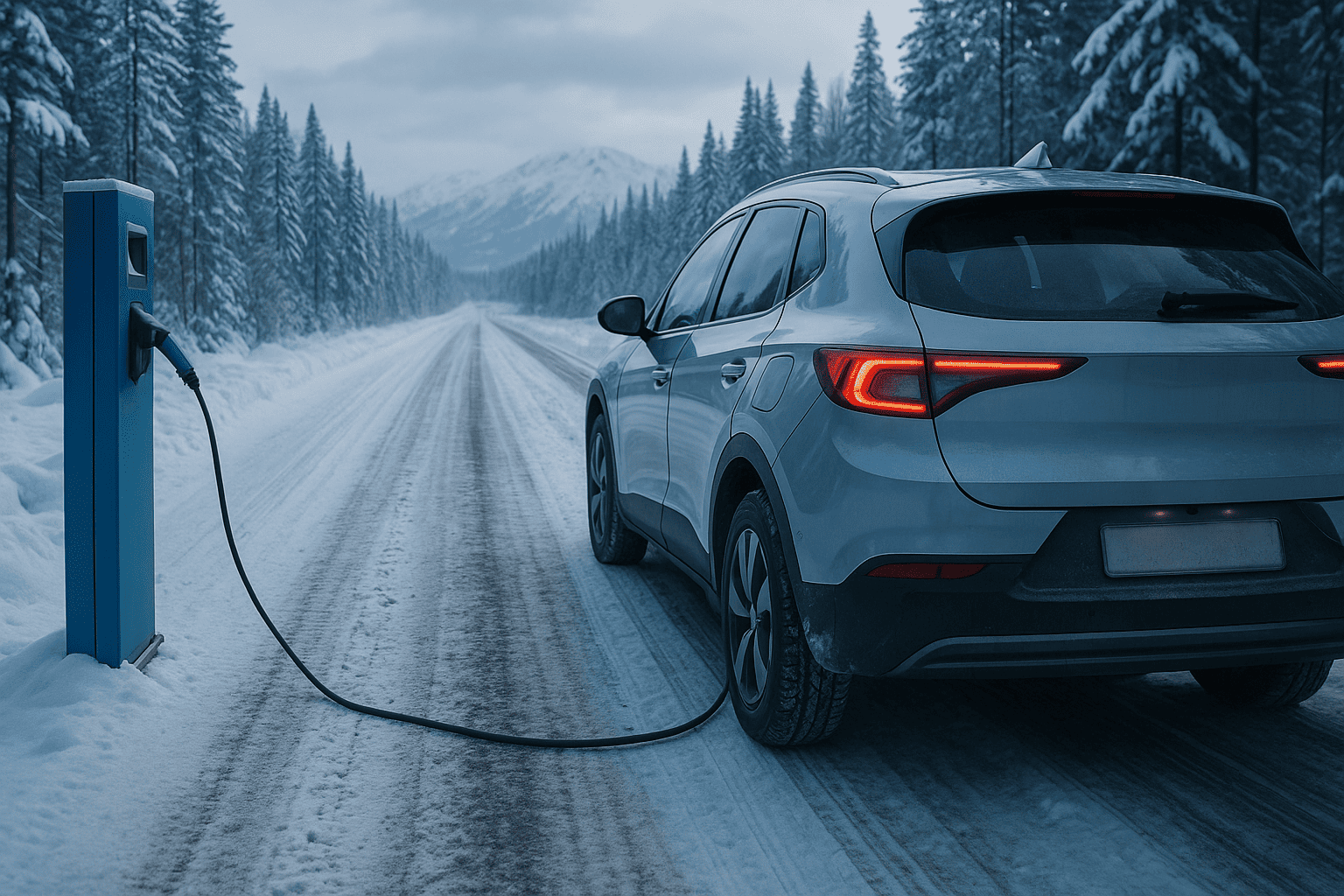
Stretching from the rolling ridges of the Ural Mountains to the icy shores of the Pacific, Siberia is a land of staggering distances and raw, untamed beauty.
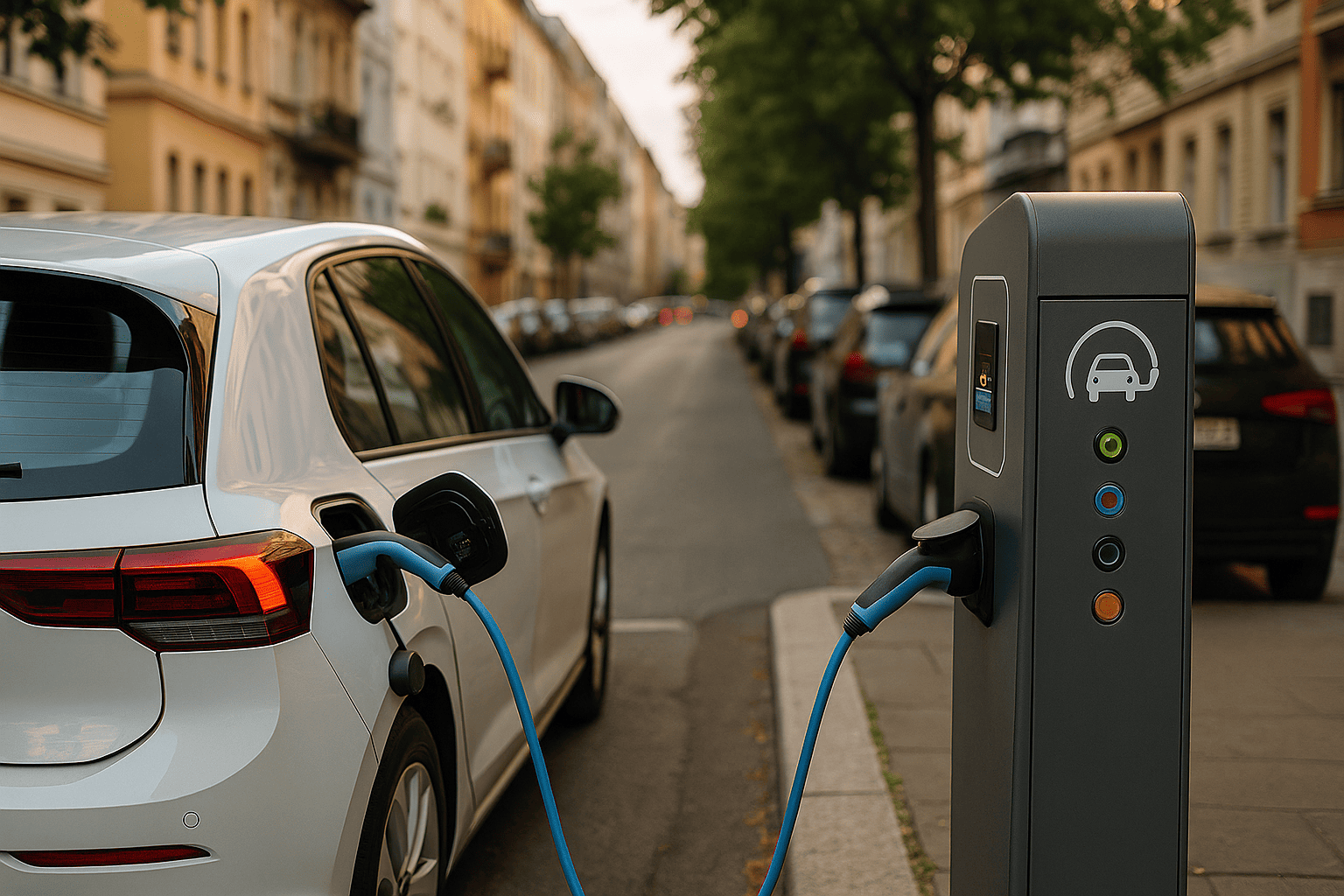
One of the most persistent misconceptions about electric-vehicle ownership is that you need a private driveway and a powerful wallbox to make daily life workable.
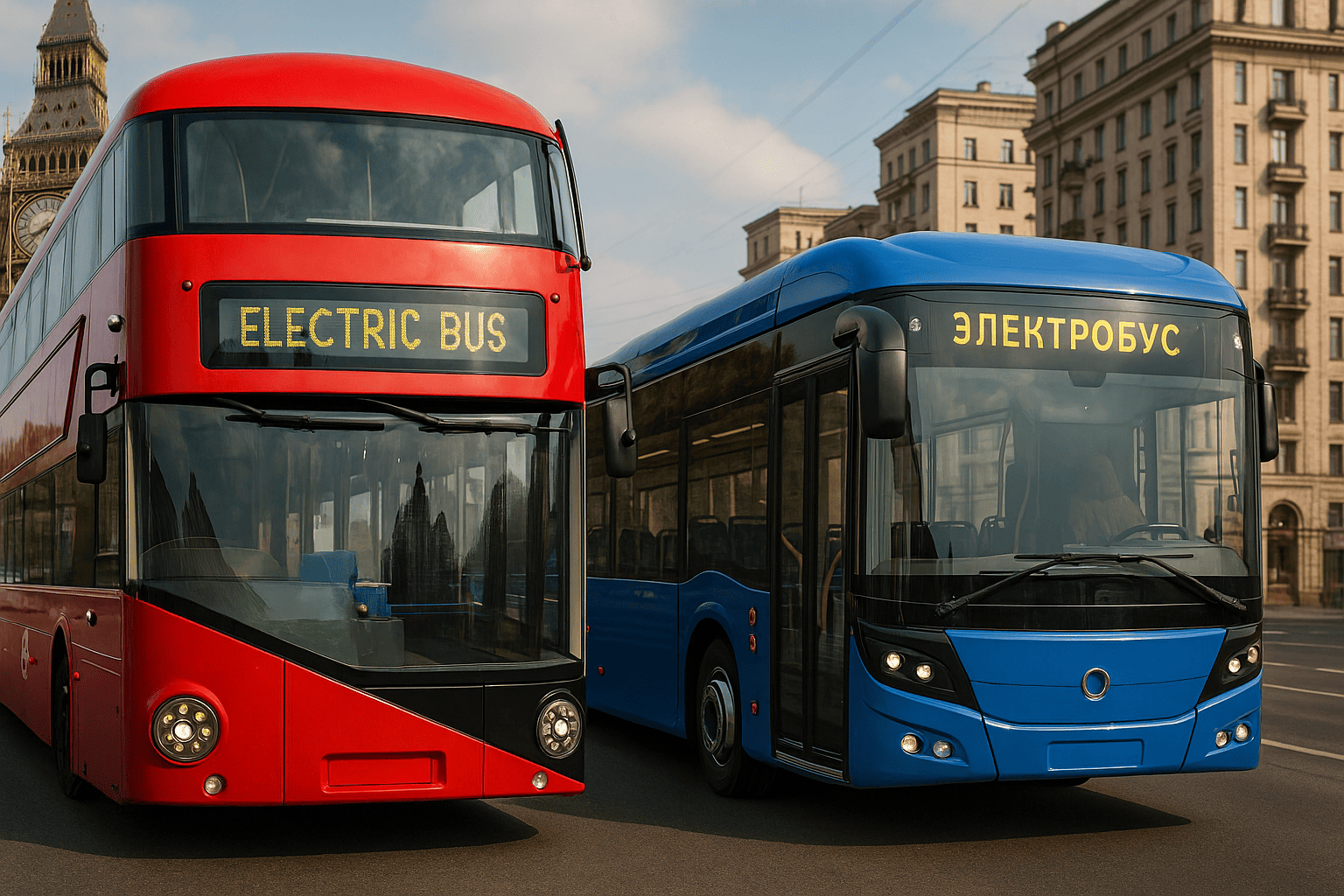
Across Europe’s busiest capitals, fleets of whisper-quiet electric buses are redefining what it means to ride the city streets.
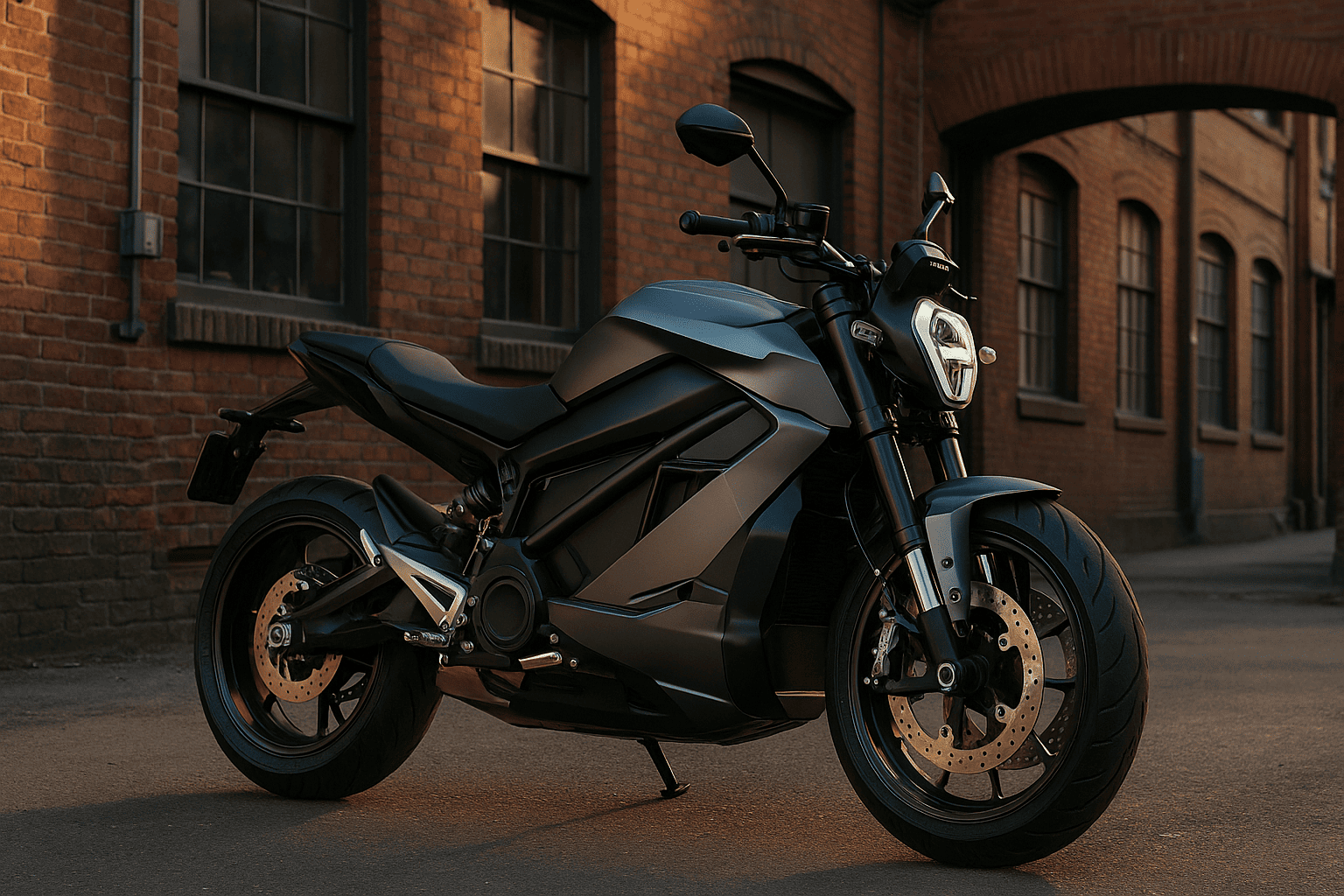
As Europe accelerates its transition toward sustainable mobility, one segment of the electric vehicle market is gaining unexpected traction: electric motorcycles.
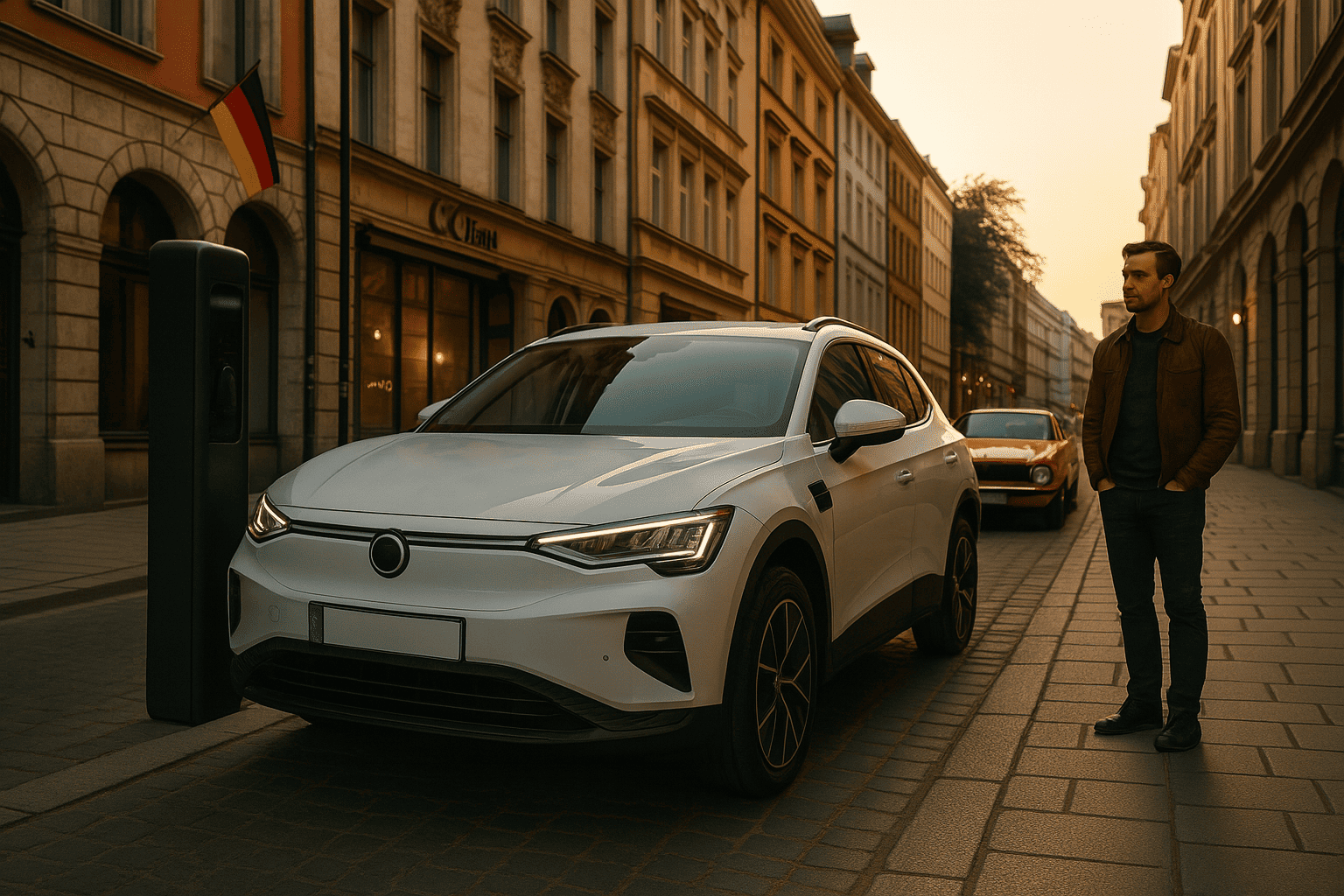
For over a century, Europe’s love affair with the automobile has been fueled by the roar of engines, the scent of gasoline, and the thrill of the open road.
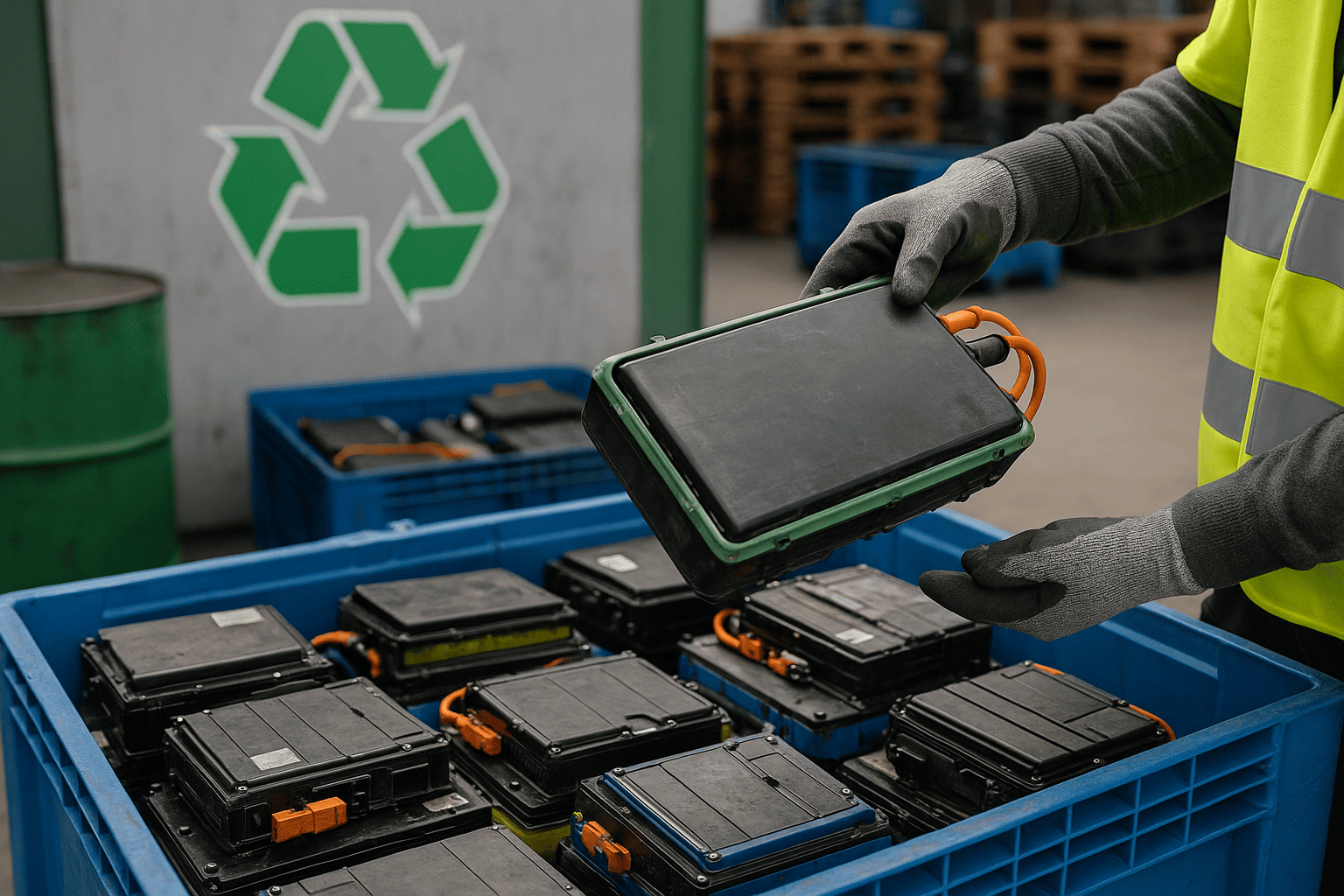
As the electric vehicle (EV) revolution accelerates, so does a critical question: what happens to all those lithium-ion batteries when their automotive life ends?