
What Is the Future of the Electric Car?
The electric car is no longer an experiment or a niche alternative to traditional vehicles—it is becoming a central pillar of future transportation systems.
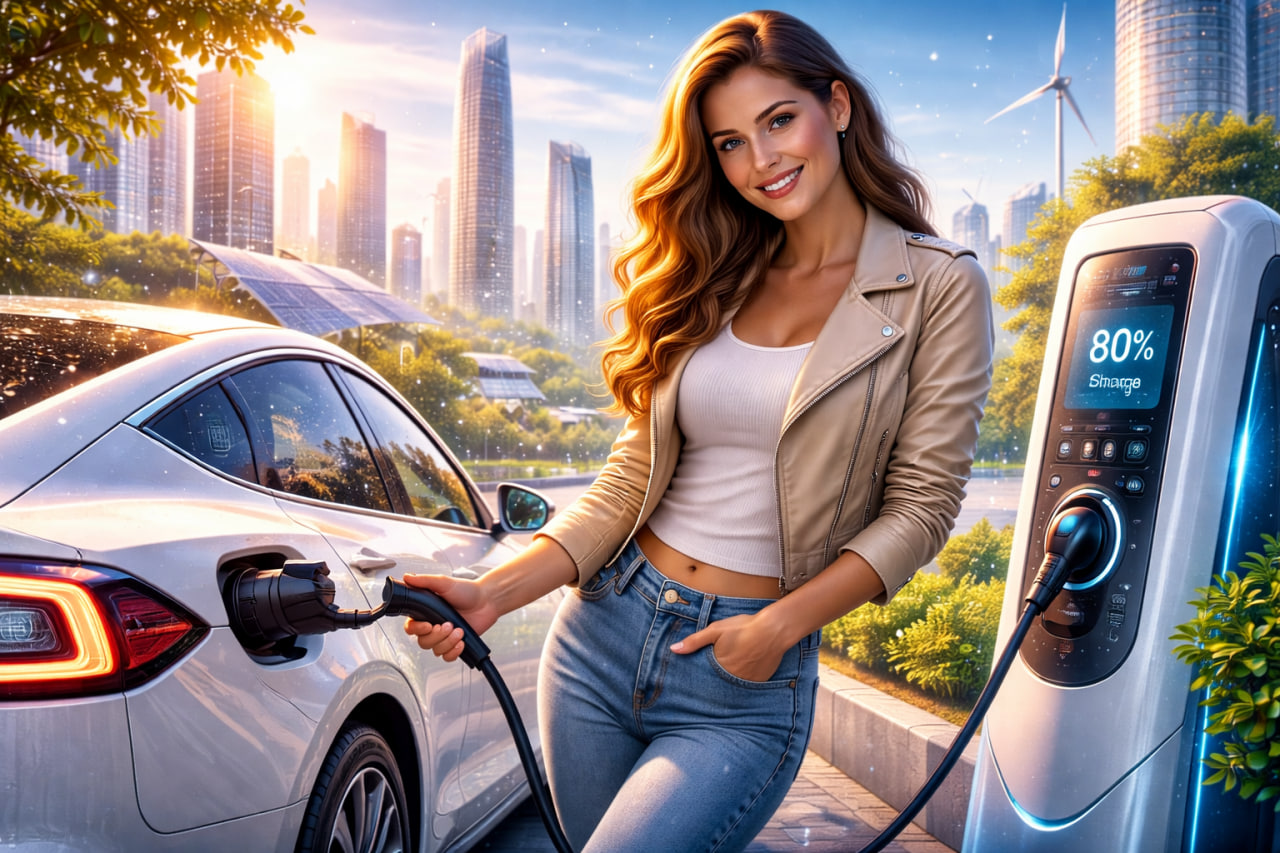
The electric car is no longer an experiment or a niche alternative to traditional vehicles—it is becoming a central pillar of future transportation systems.
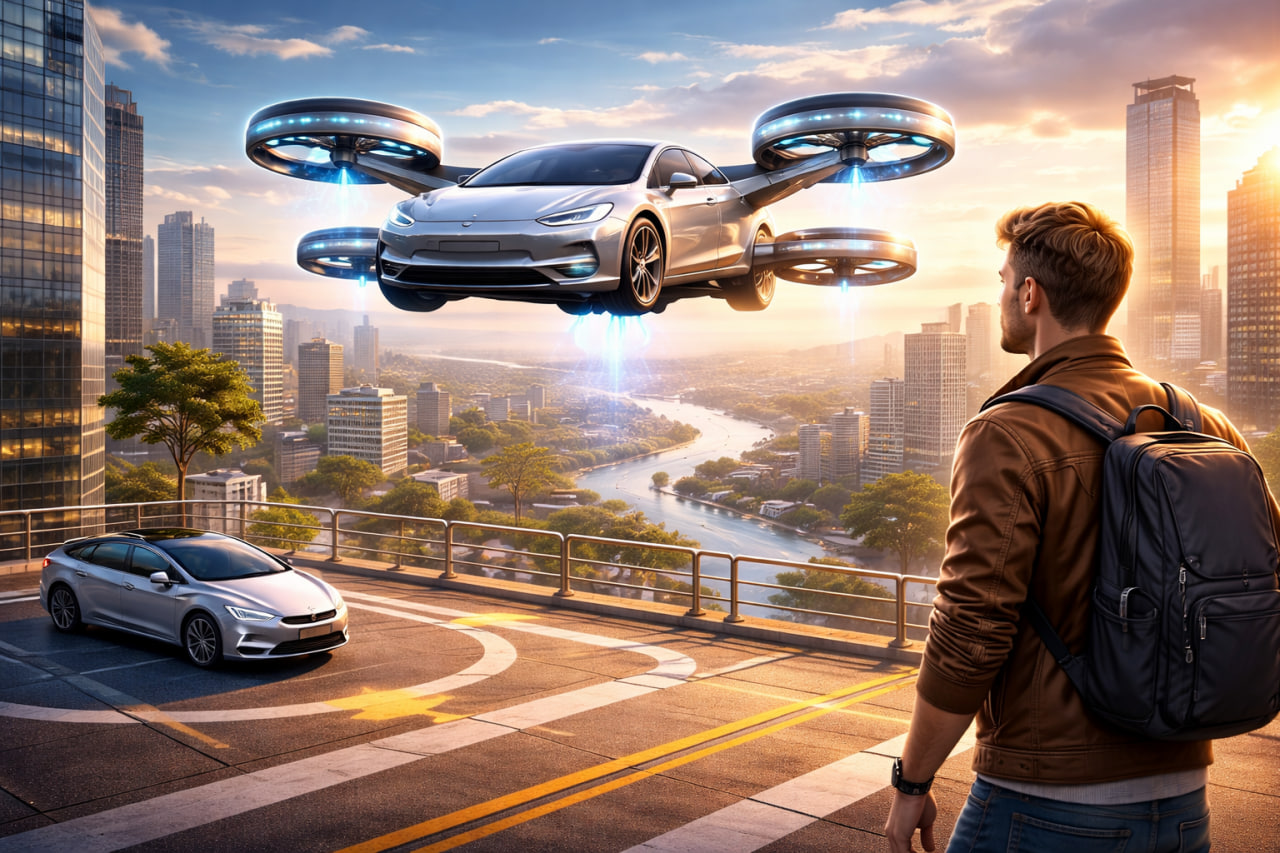
The idea of a car that can both drive on roads and fly through the air has fascinated engineers, futurists, and the public for decades.

As electric vehicles, renewable energy systems, and high-performance electronics evolve, the limits of traditional batteries become increasingly visible.
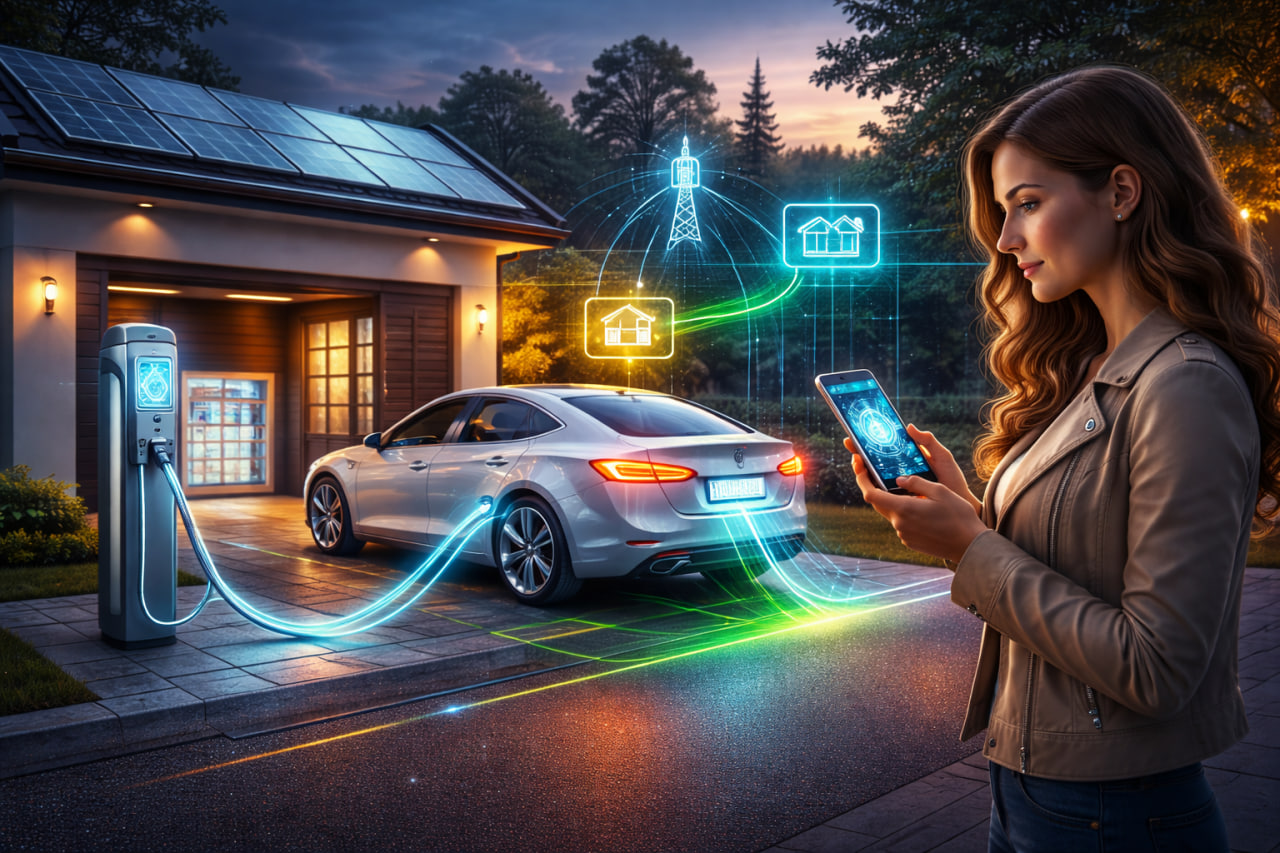
Electric vehicle charging is evolving from a simple “plug and wait” action into an intelligent, flexible energy process that connects cars, homes, and power grids.
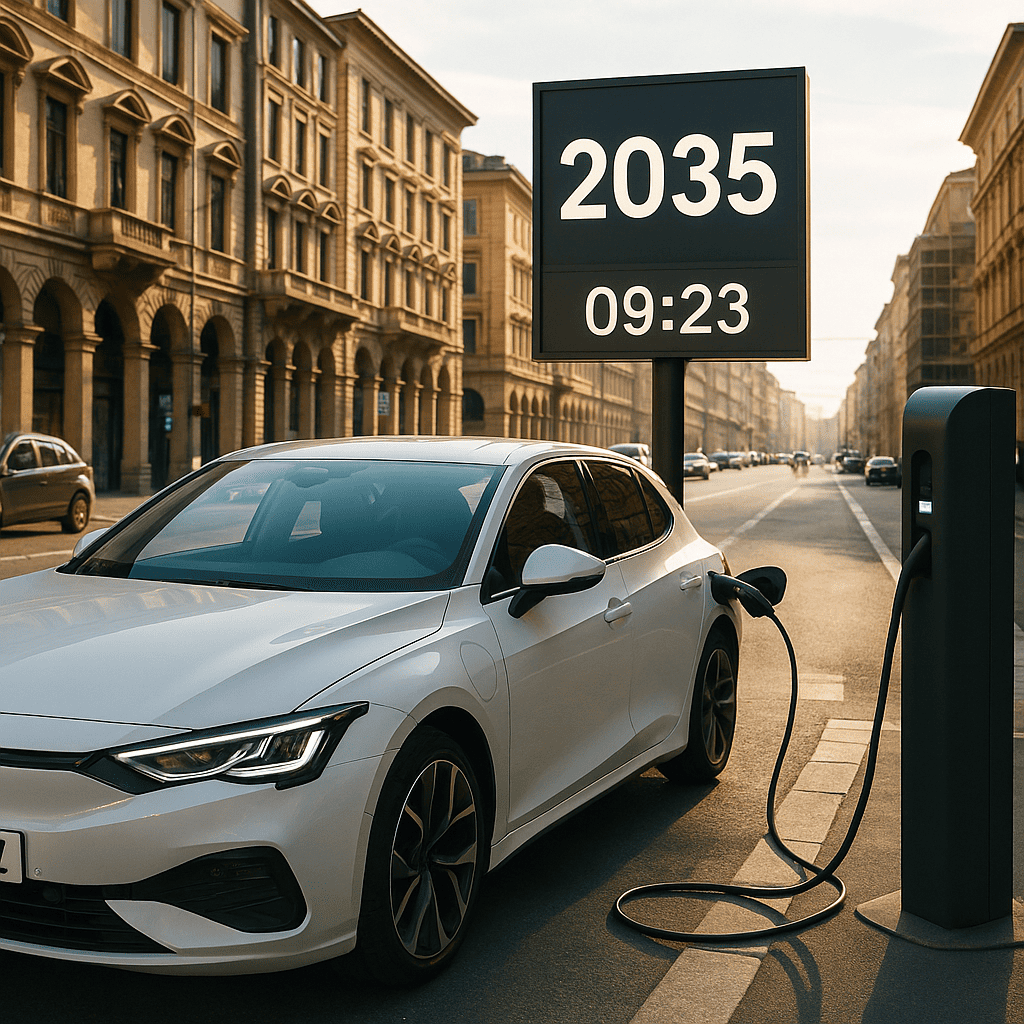
In 2022 the European Union agreed on a landmark regulation: from 2035, the sale of new passenger cars and light commercial vehicles with internal-combustion engines (ICE) will be effectively...
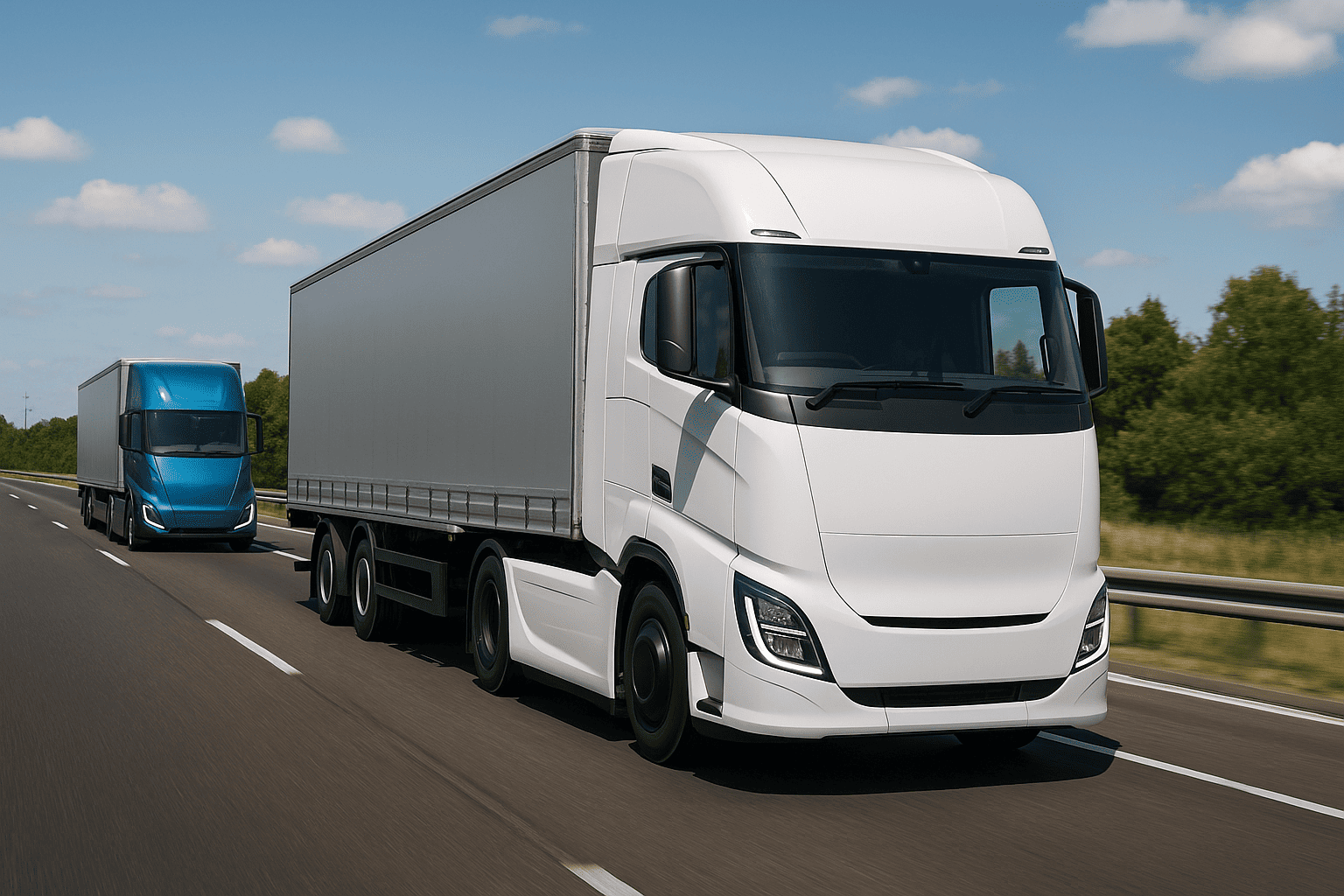
The global push to decarbonize transport is no longer limited to passenger cars—heavy-duty trucks are now accelerating toward an electric future.
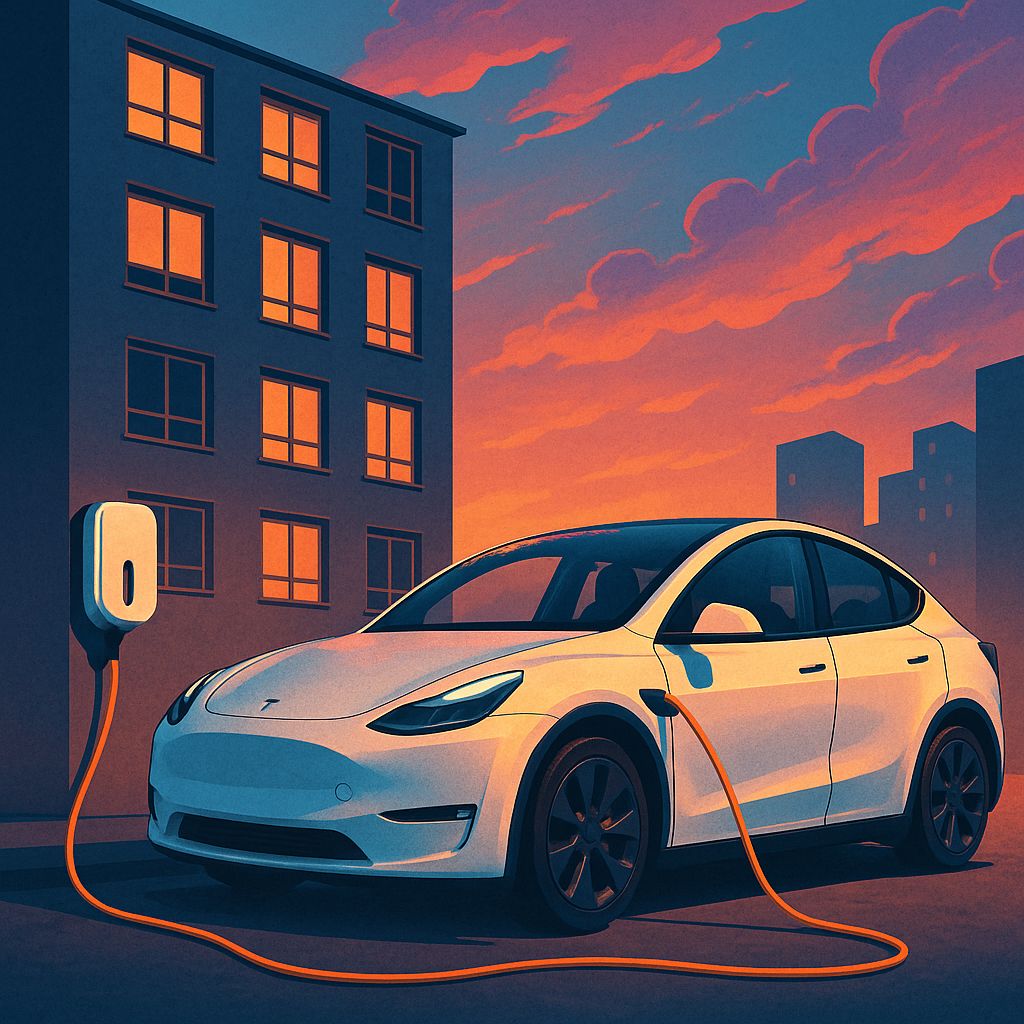
As electric vehicles (EVs) become more popular, one of the most pressing challenges for city dwellers is figuring out how to charge them when living in apartment buildings or high-rises.
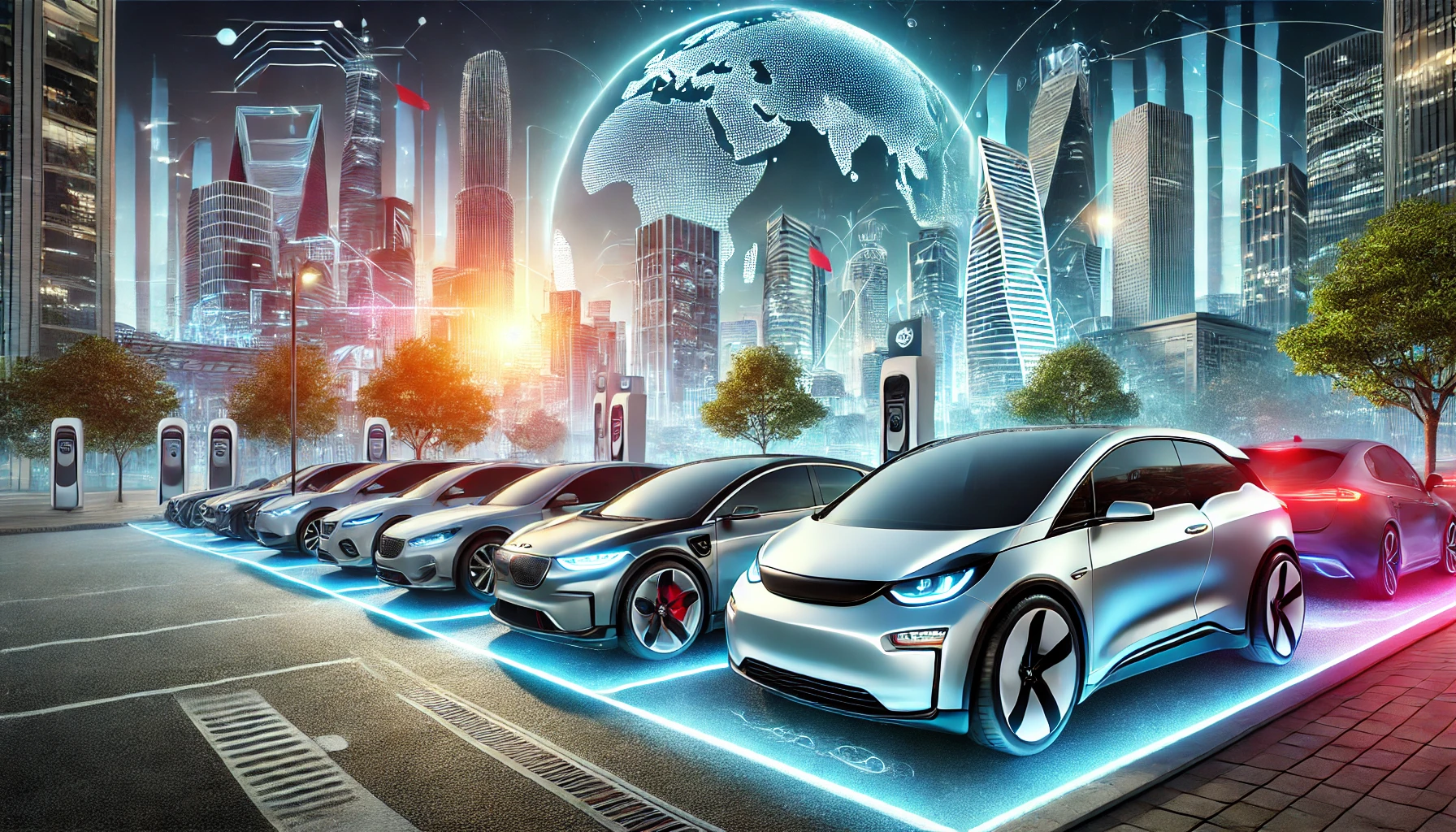
The global race for electric vehicle (EV) dominance is heating up as countries around the world vie for the top spot in EV manufacturing.
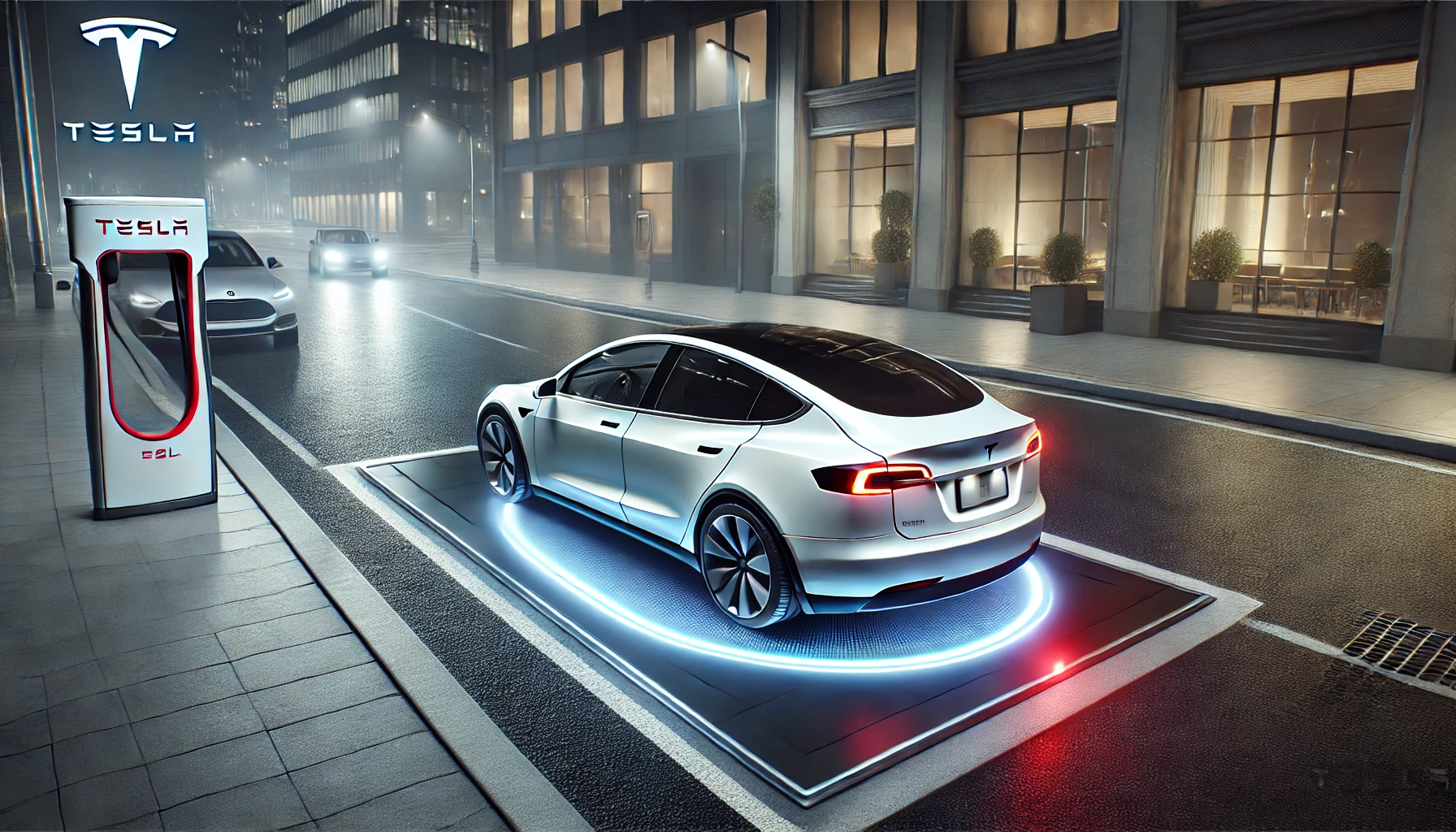
As electric vehicles (EVs) continue to gain popularity, the demand for more convenient and efficient charging solutions is on the rise.
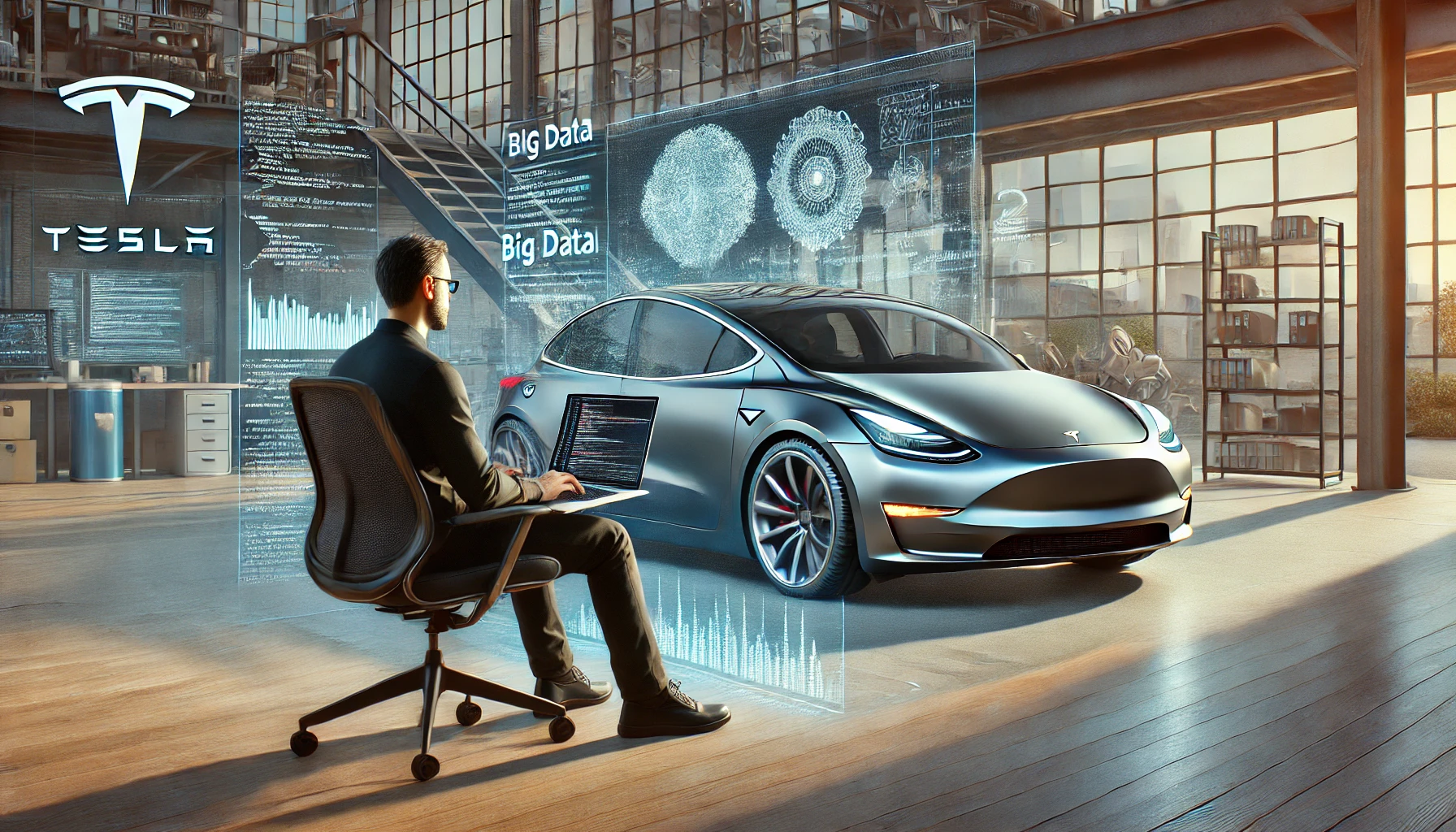
Tesla is not just a car manufacturer; it is a tech giant that leverages advanced data analytics and machine learning to redefine the automotive experience.