
Government Support and Incentives for Electric Vehicle Owners: How They Work
The transition to electric vehicles is a key part of global strategies to reduce greenhouse gas emissions and improve air quality in cities.
The transition to electric vehicles is a key part of global strategies to reduce greenhouse gas emissions and improve air quality in cities.
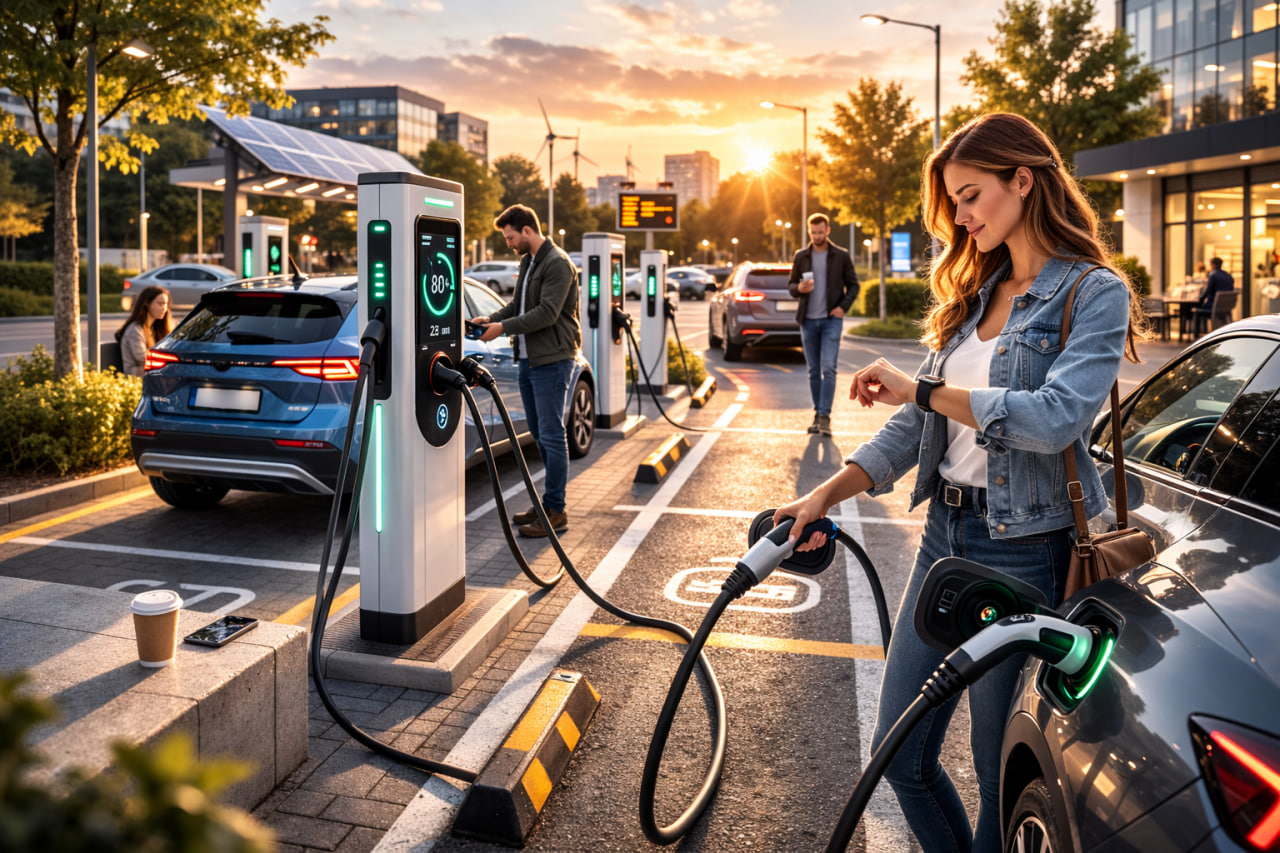
As electric vehicles become more widespread, public charging infrastructure is experiencing increased demand.
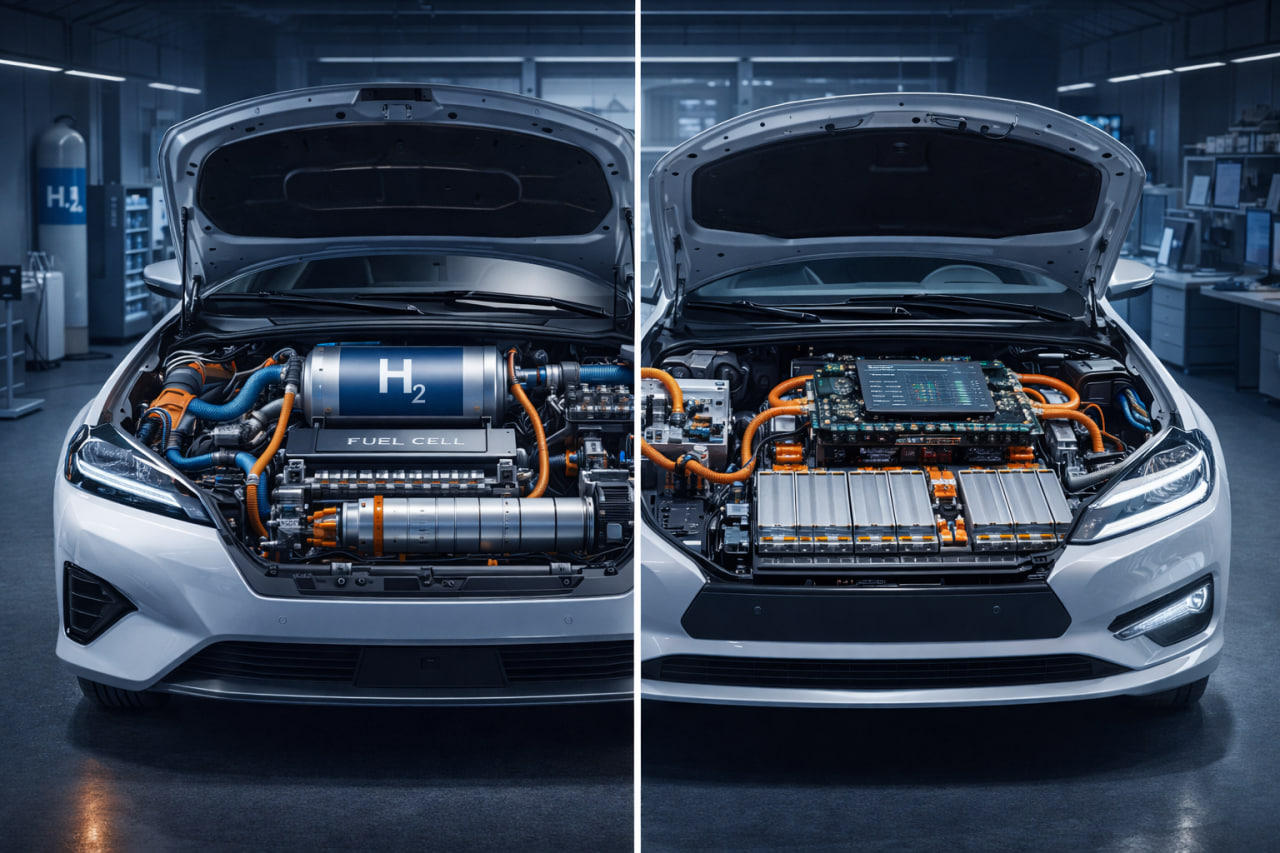
The global transition away from internal combustion engines has brought two main alternatives into focus: hydrogen fuel cell vehicles (FCEVs) and battery electric vehicles (BEVs).
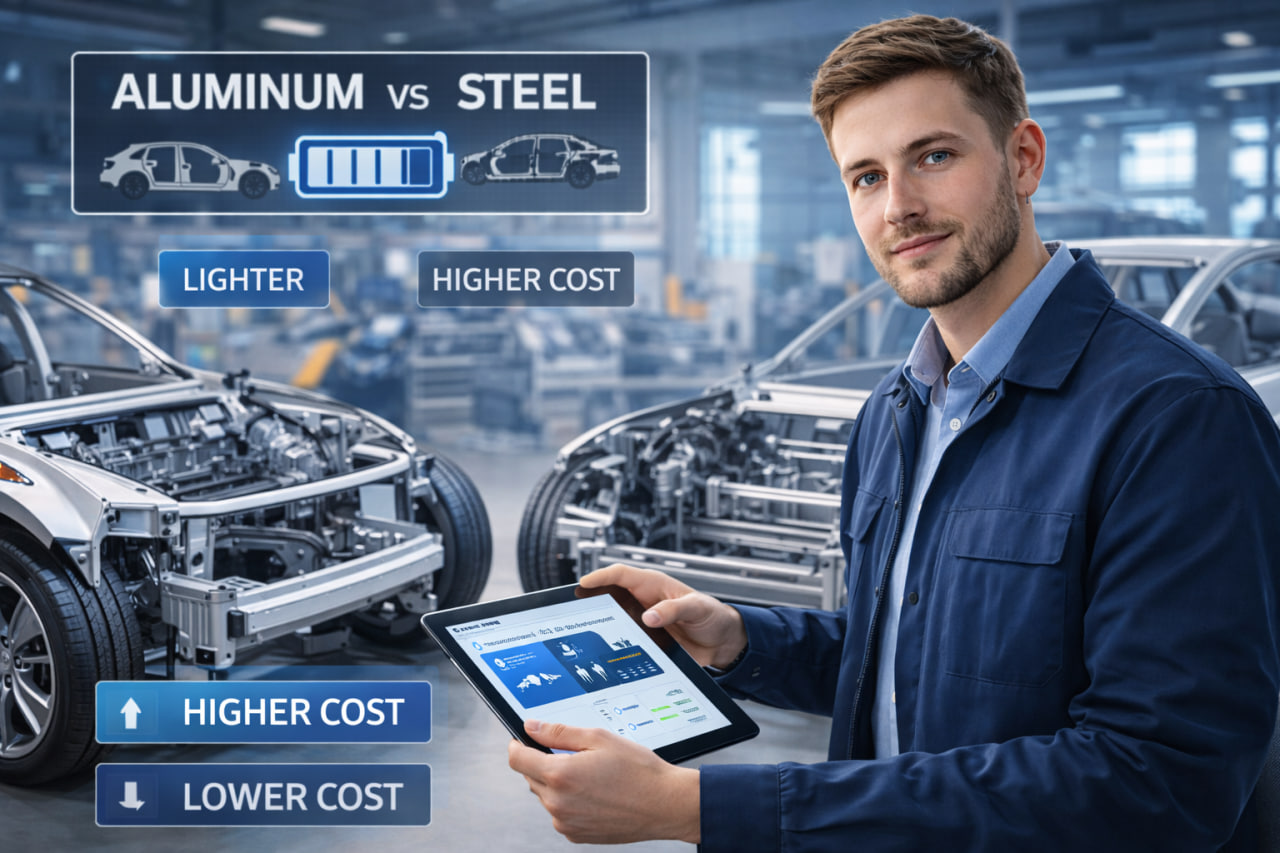
Weight is one of the most critical factors in the design of electric vehicles. Every extra kilogram affects energy consumption, driving range, handling, and even charging efficiency.
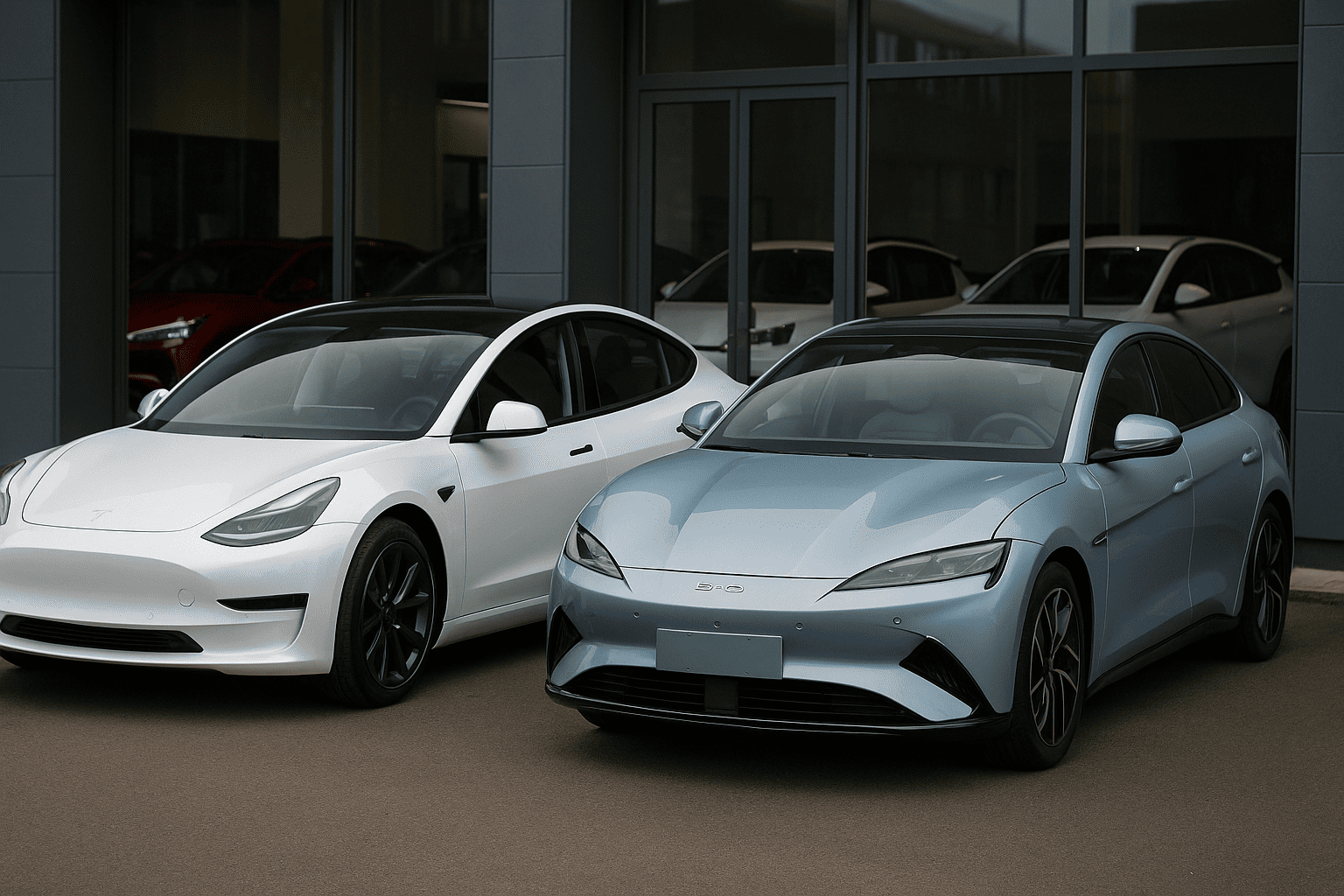
The global EV market has entered its most ruthless phase yet: a price war where scale, supply chains, and software decide who eats and who gets eaten.
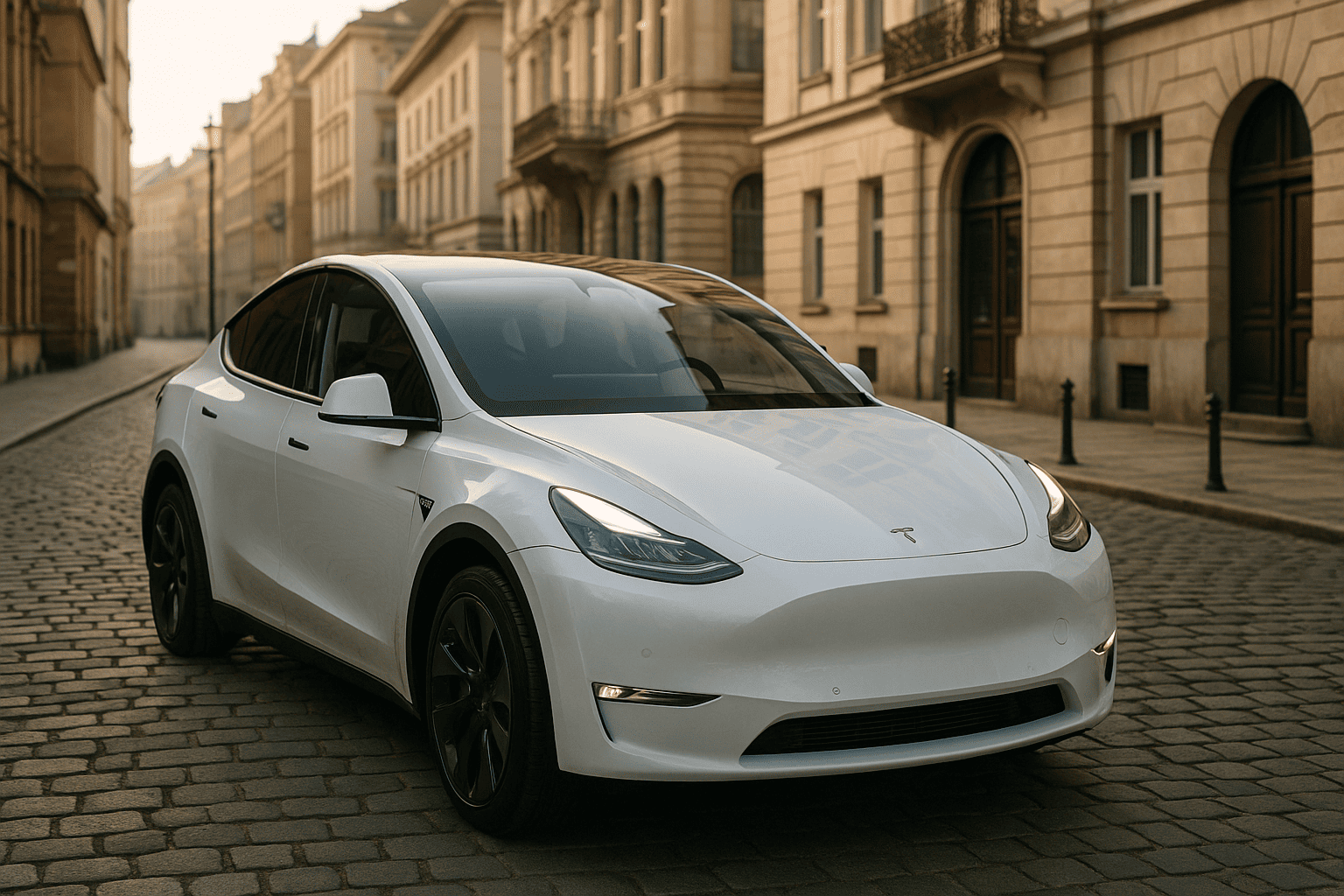
The Tesla Model Y didn’t just arrive in Europe—it colonized the leaderboard. What looks like a familiar midsize crossover hides a ruthless focus on efficiency, manufacturing, software, and...
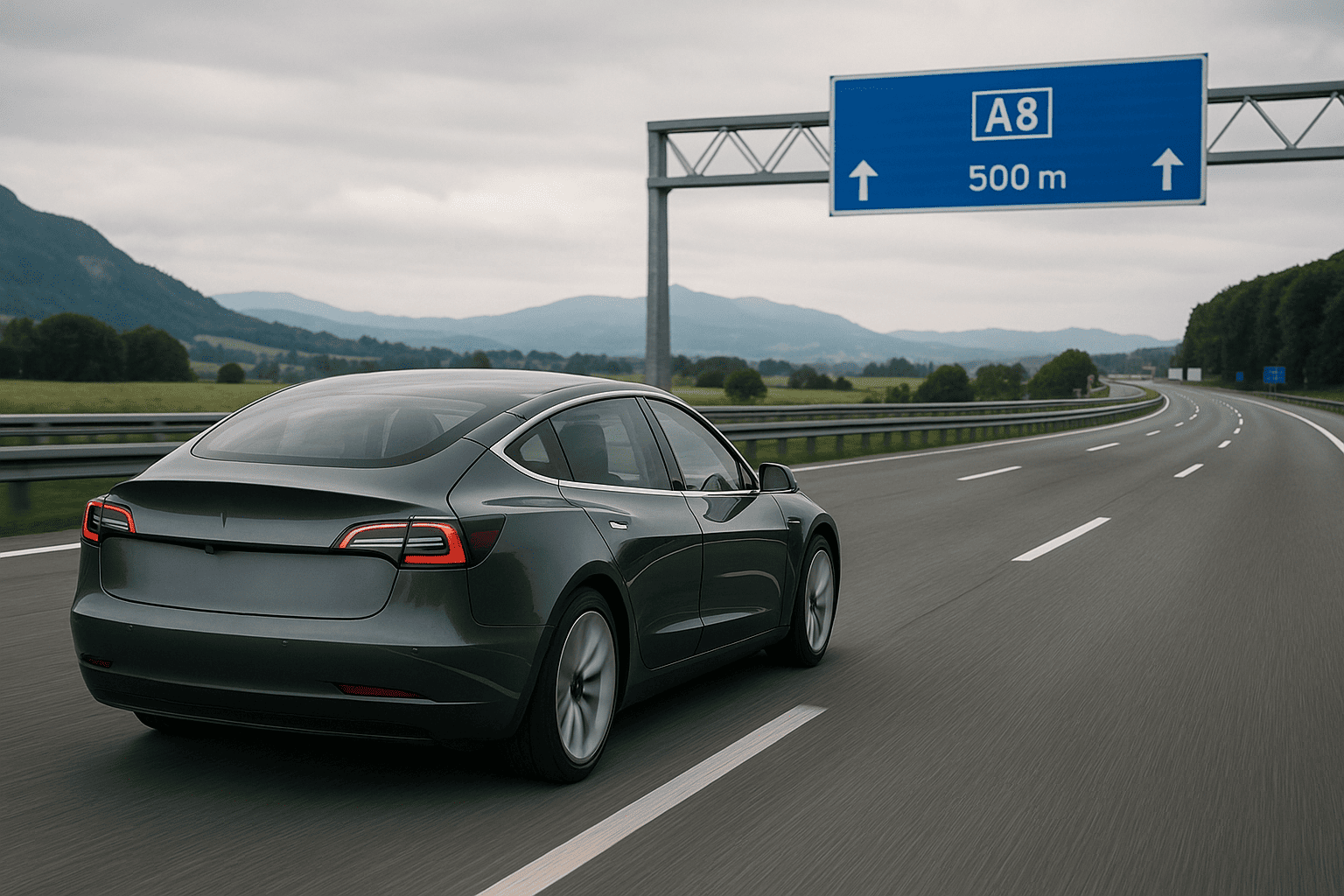
Tesla’s driver-assistance stack is often discussed as if it were the same everywhere, but Europe is a very different proving ground from North America.
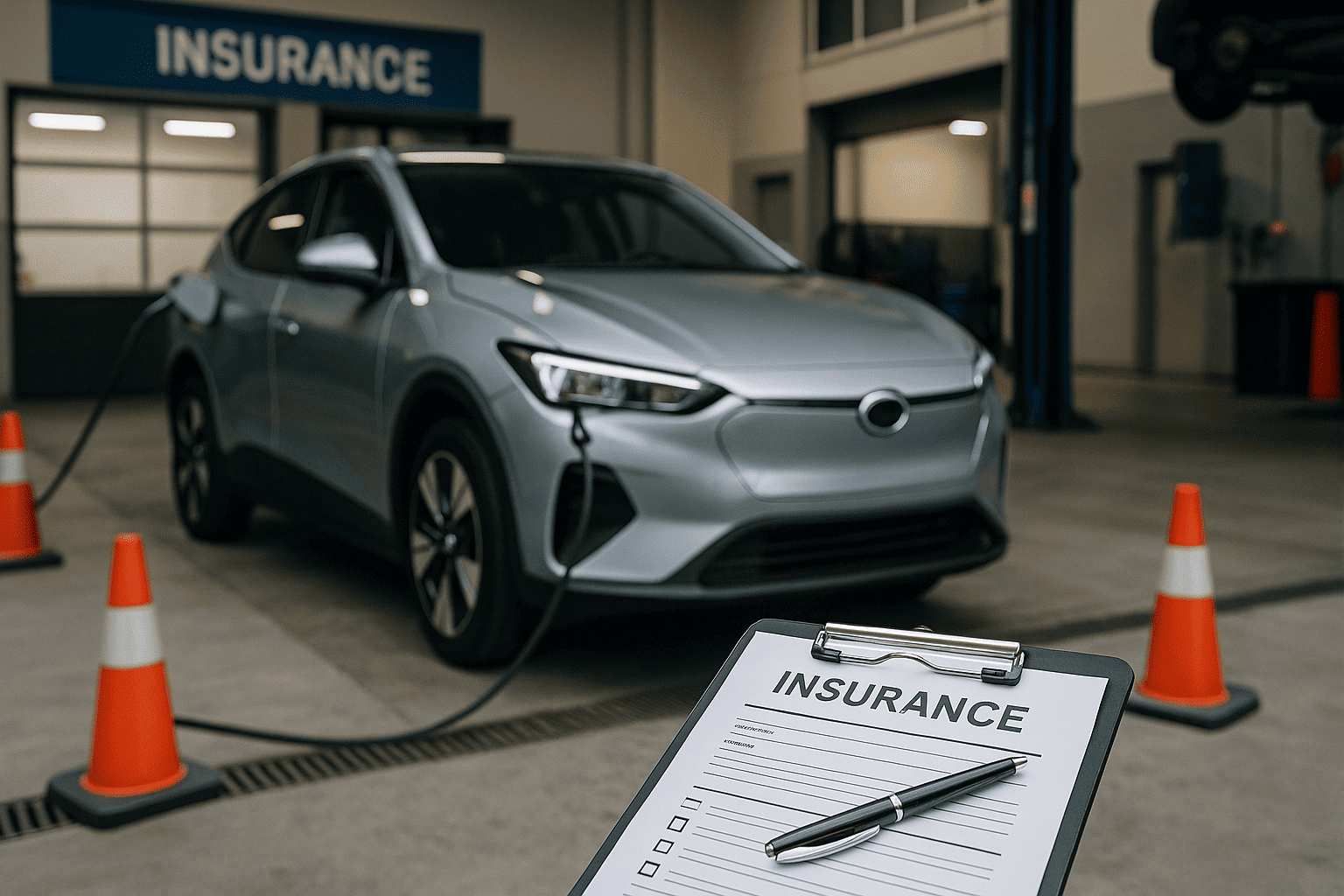
Electric vehicles change the game on performance, maintenance, and energy costs—but insurance has its own learning curve.
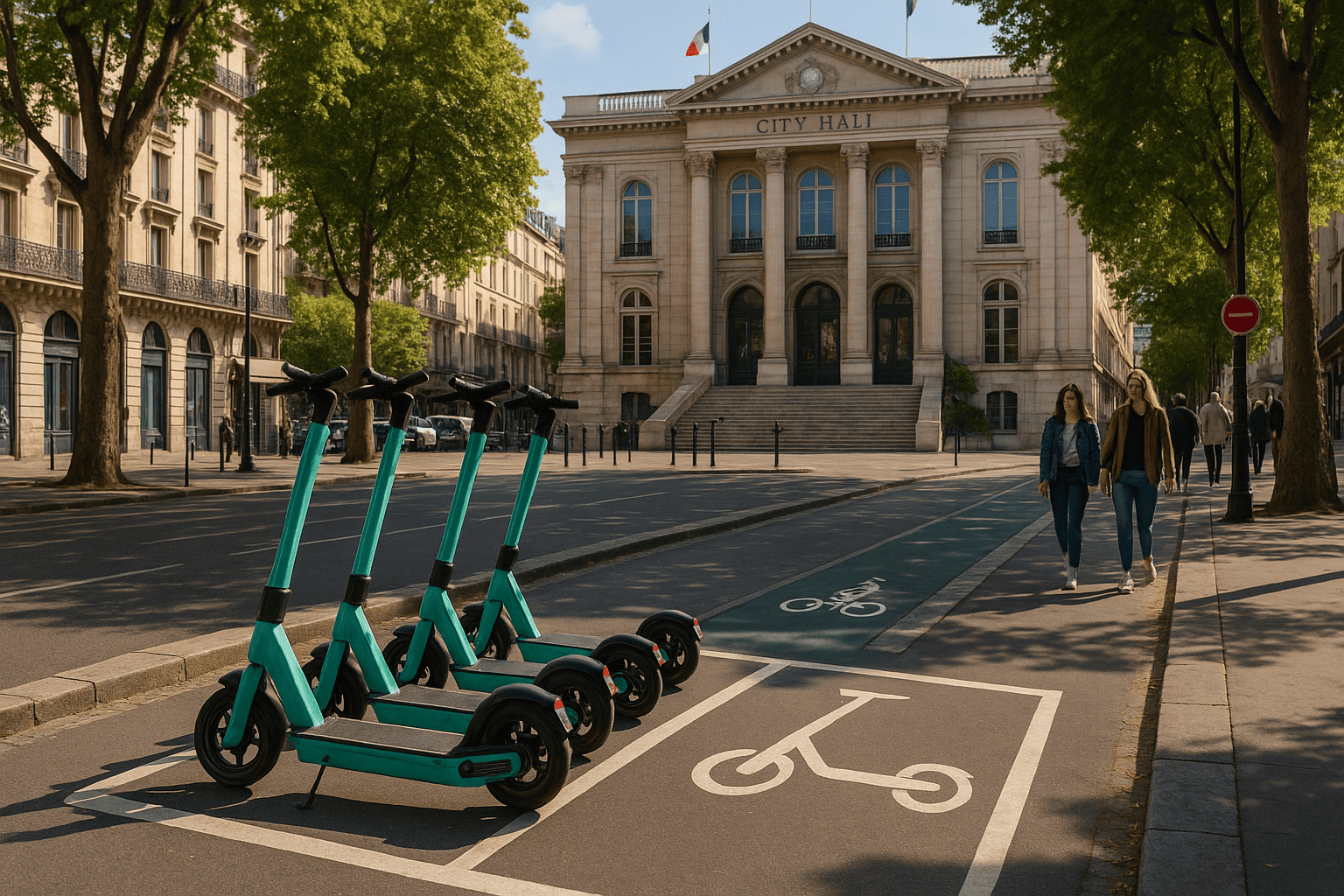
Few mobility trends have risen—and ruffled feathers—as rapidly as shared electric scooters.
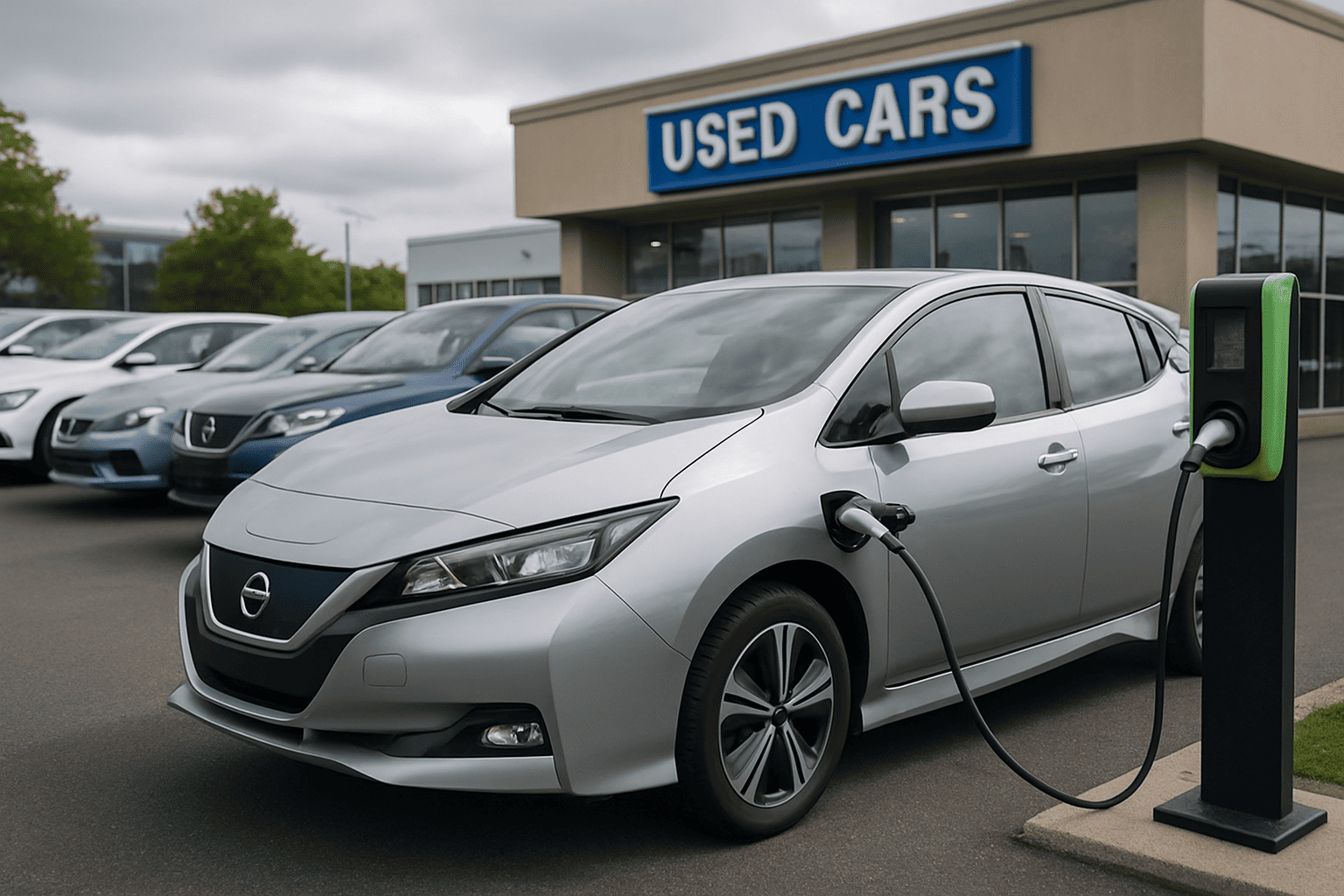
In a country famed for its long winters, vast distances, and traditionally petrol-powered culture, few observers expected Russia to become an emerging hotspot for pre-owned electric vehicles...