
Electric Vehicles as Commercial Transport: Business Benefits and Economics
The transition to electric vehicles is not only transforming personal mobility but also redefining commercial transportation.
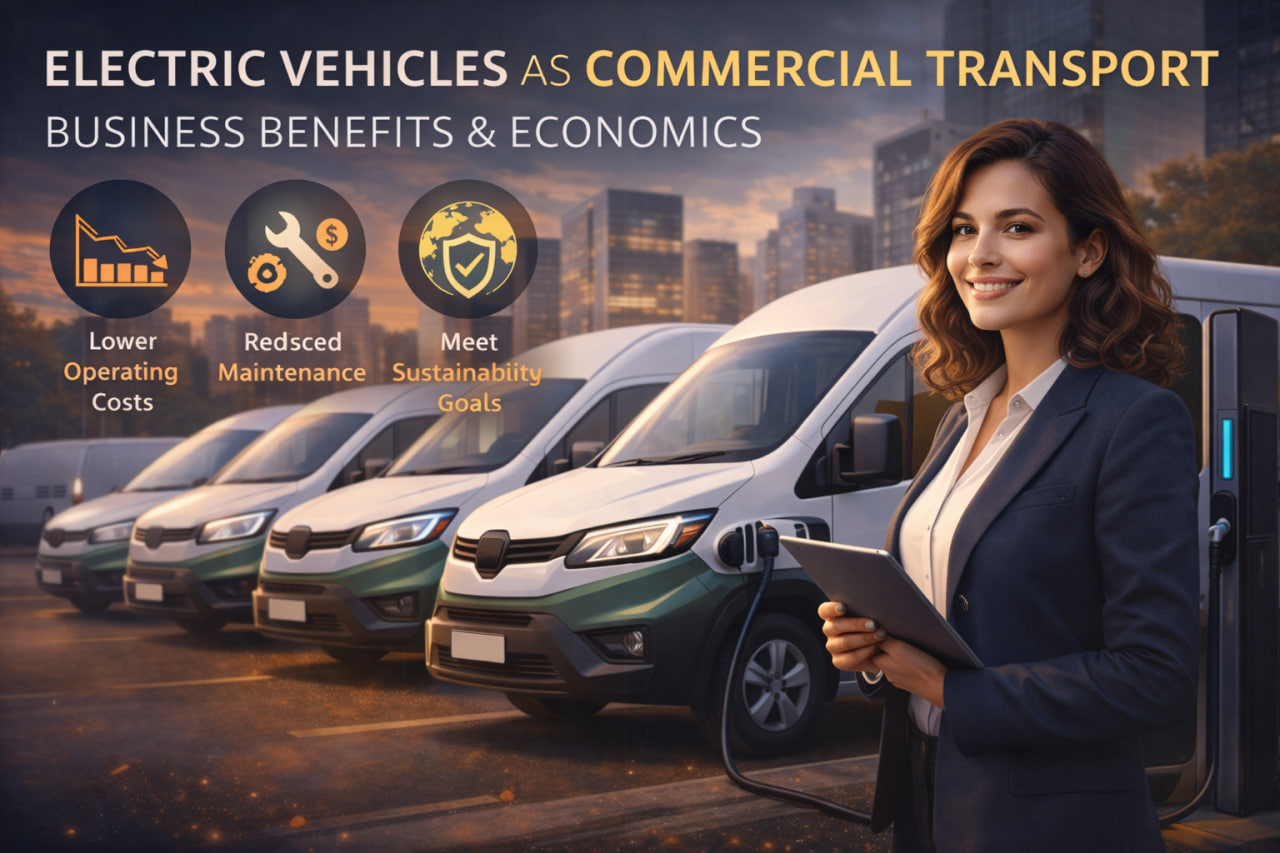
The transition to electric vehicles is not only transforming personal mobility but also redefining commercial transportation.
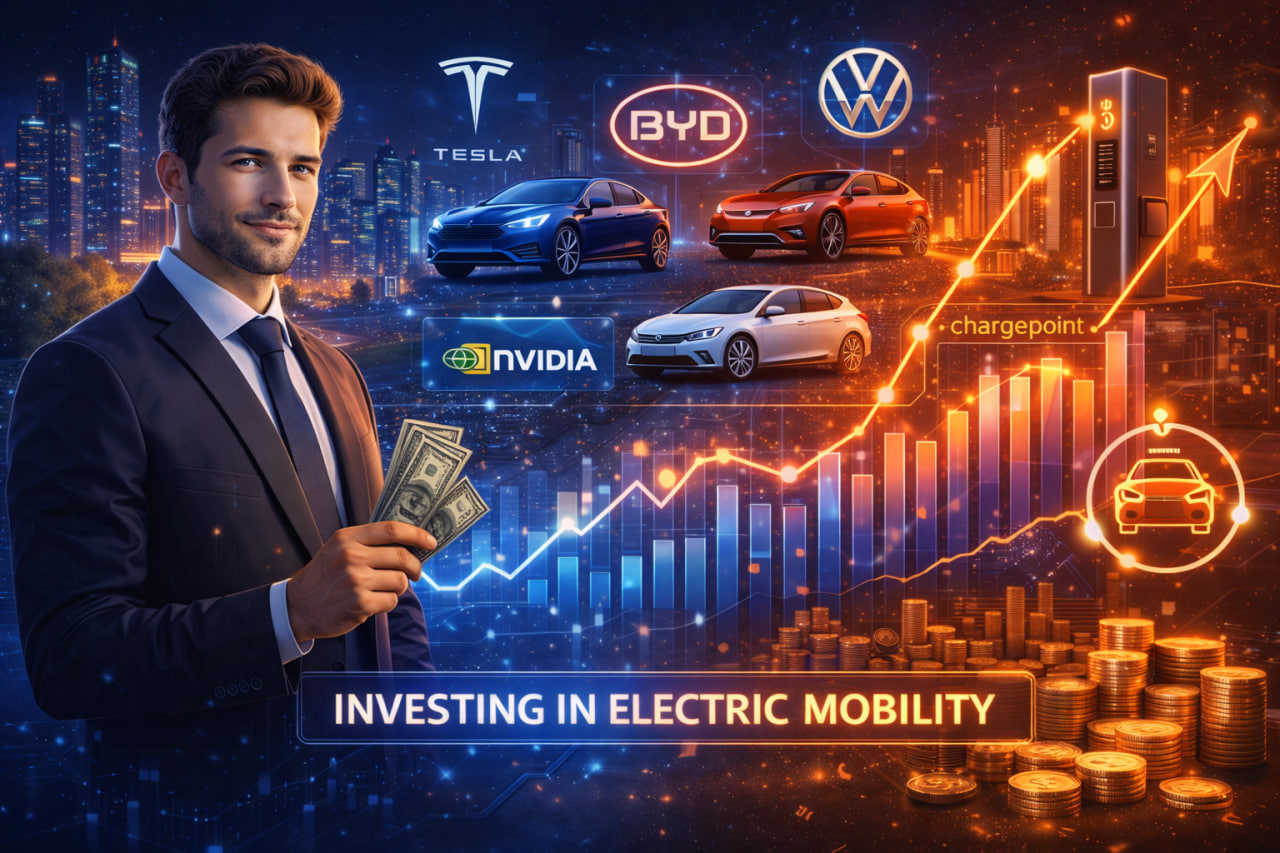
The global transition to electric vehicles is not only reshaping transportation but also creating one of the most attractive investment opportunities of the decade.
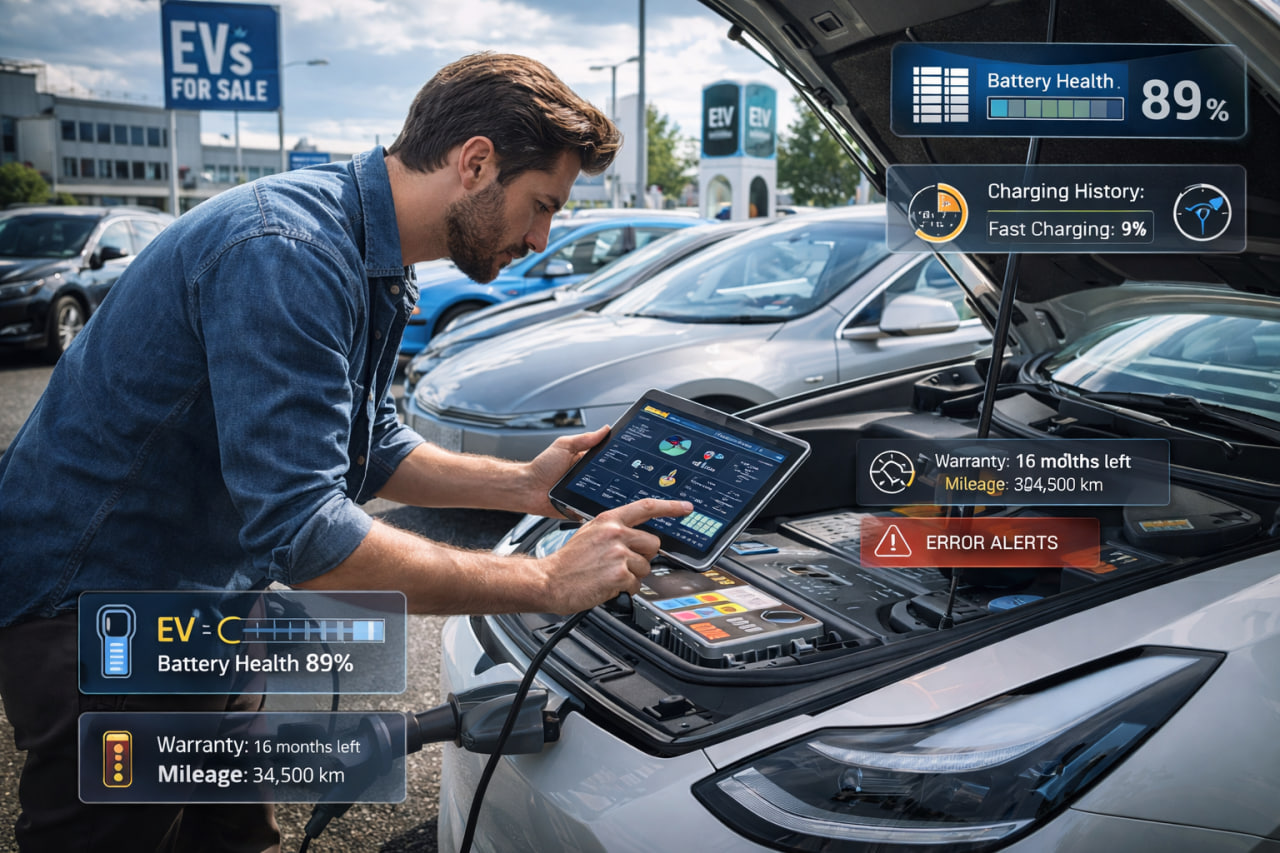
As electric vehicles become more widespread, the secondary EV market is growing rapidly.
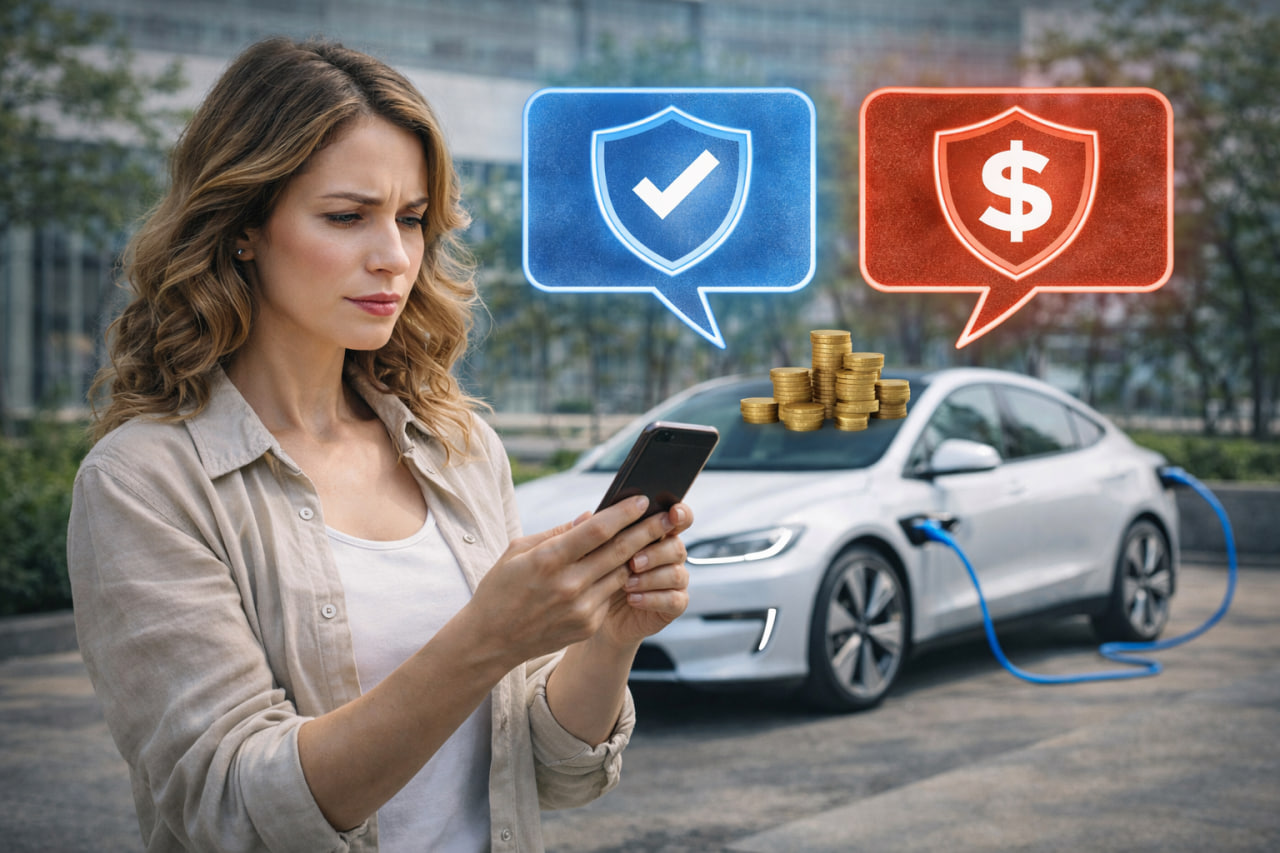
Electric vehicles are often associated with lower running costs, but when it comes to insurance, the picture becomes more nuanced.
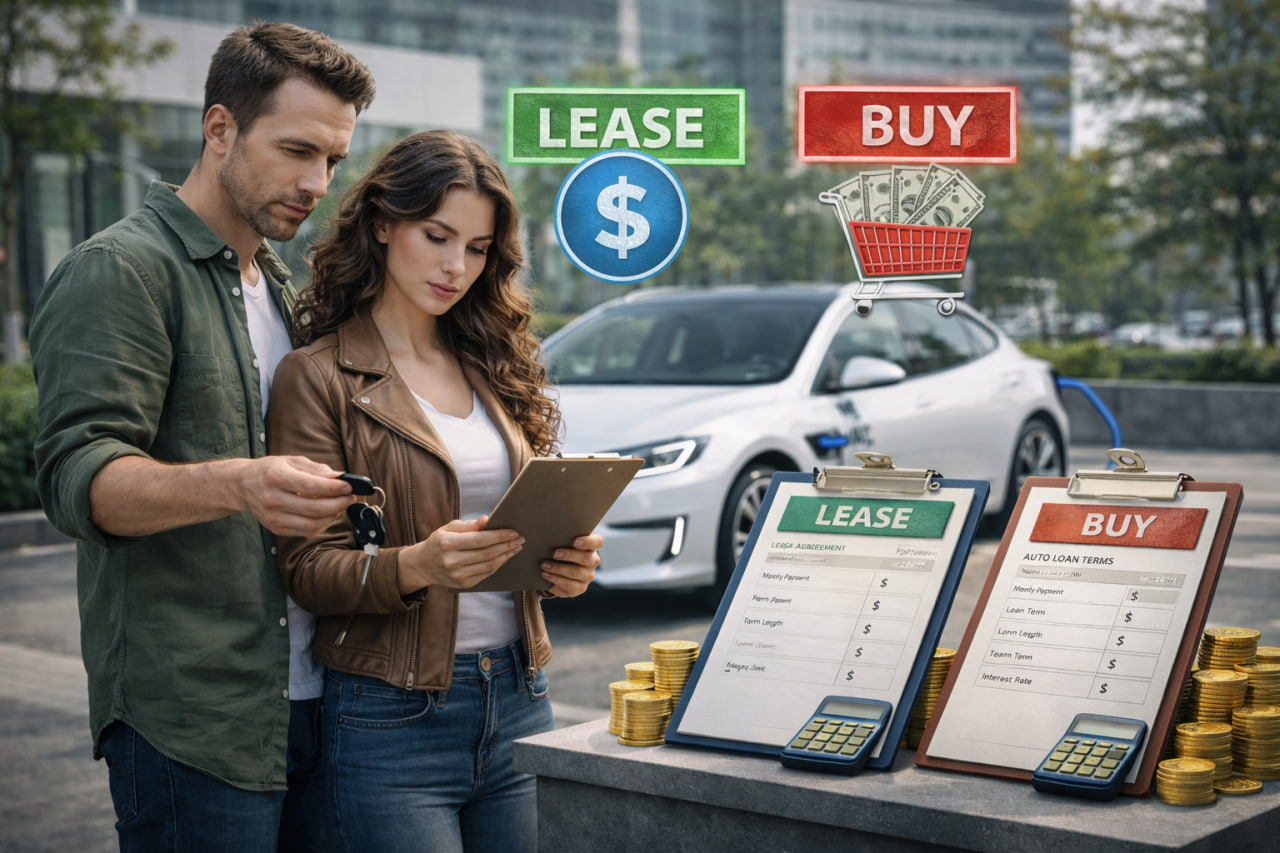
Choosing between leasing and buying an electric vehicle is a strategic financial decision that directly impacts long-term expenses and flexibility.
Electric vehicles are often promoted as a cheaper and more sustainable alternative to traditional gasoline cars.
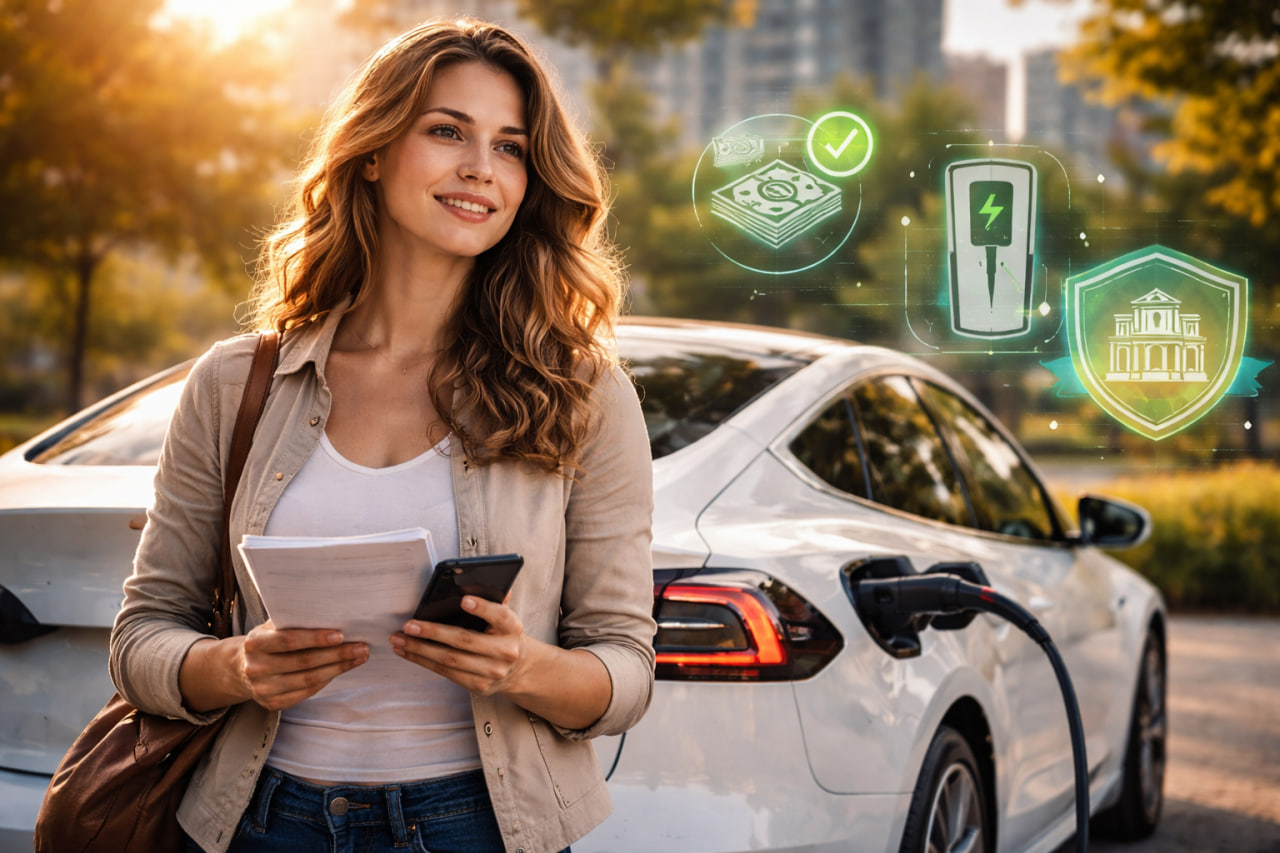
The transition to electric vehicles is a key part of global strategies to reduce greenhouse gas emissions and improve air quality in cities.
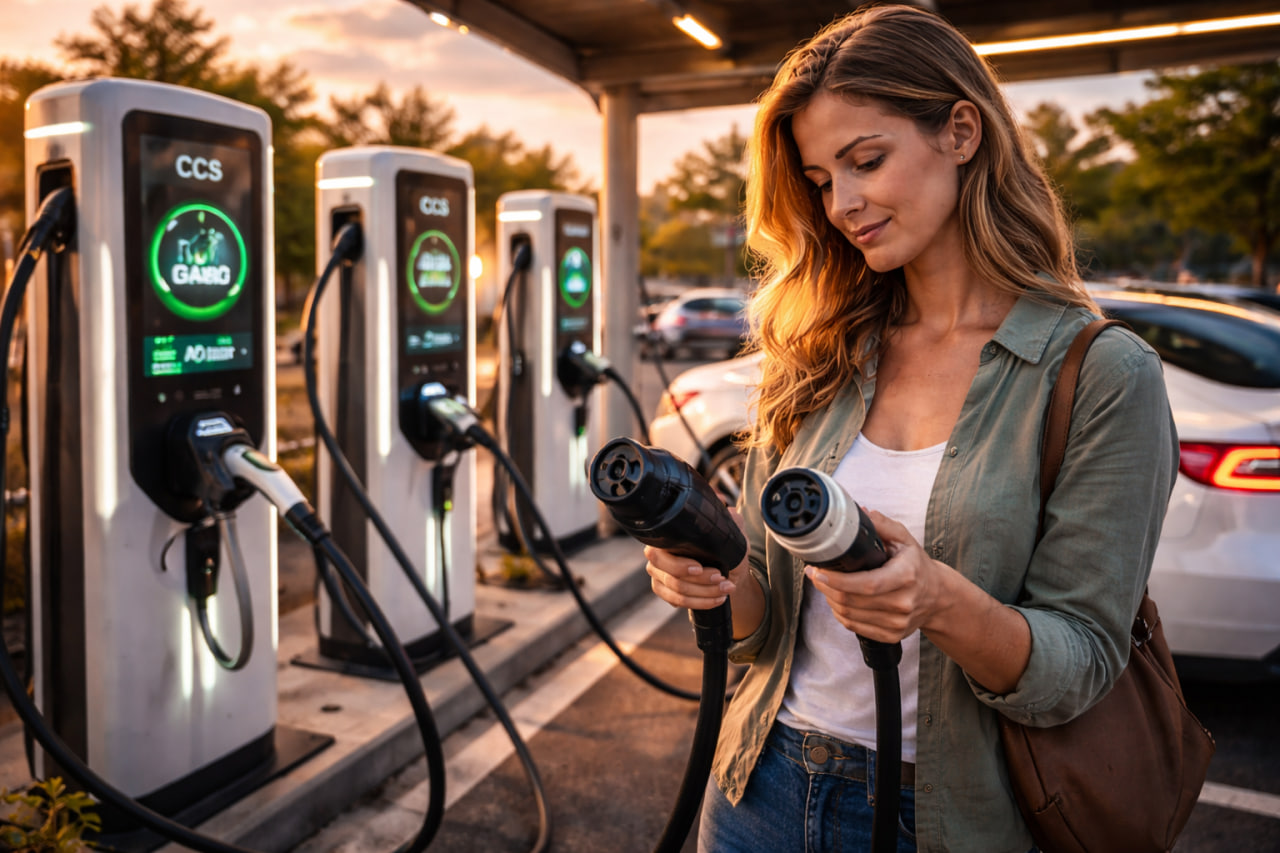
The rapid expansion of electric vehicles has created an urgent need for unified charging infrastructure. However, the EV industry did not develop around a single universal connector.
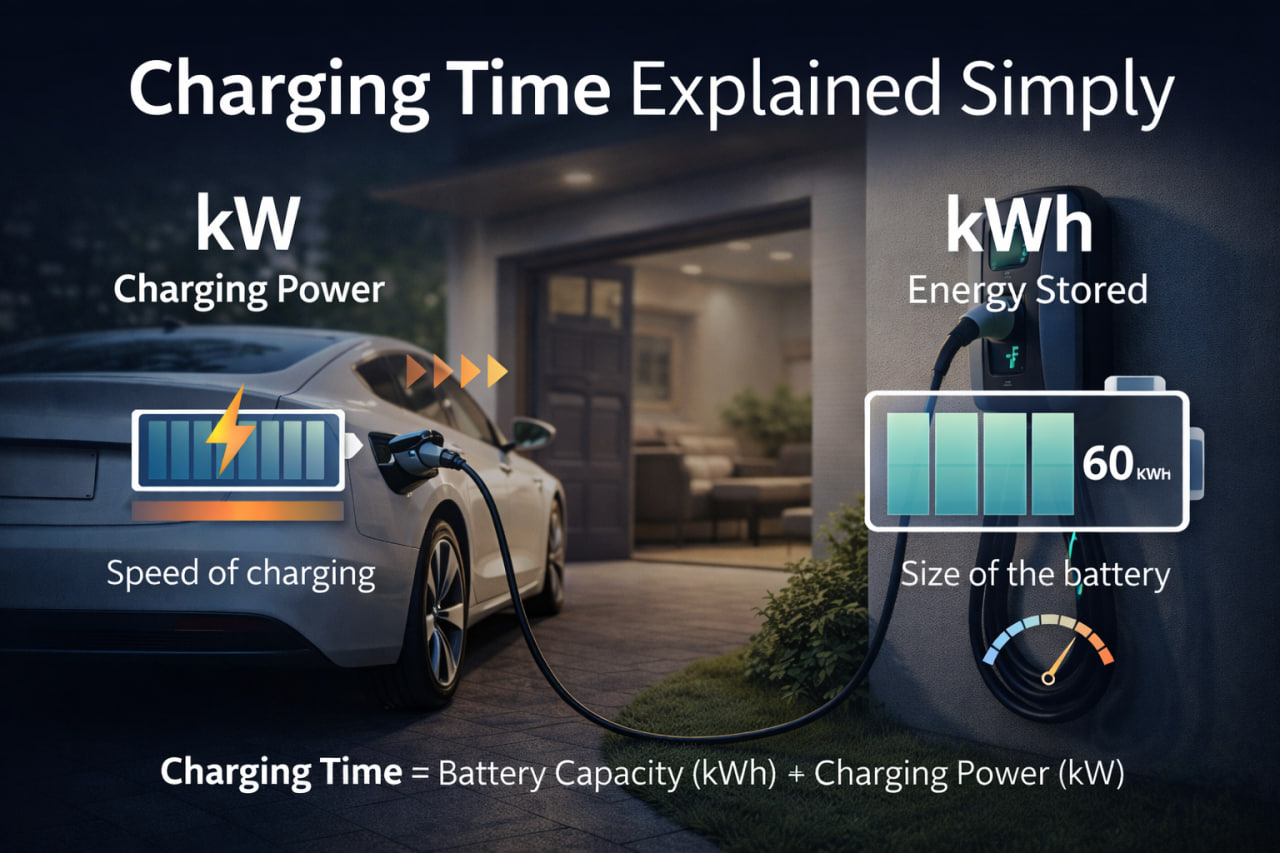
One of the most common questions among electric vehicle owners is how long charging will actually take in real life.
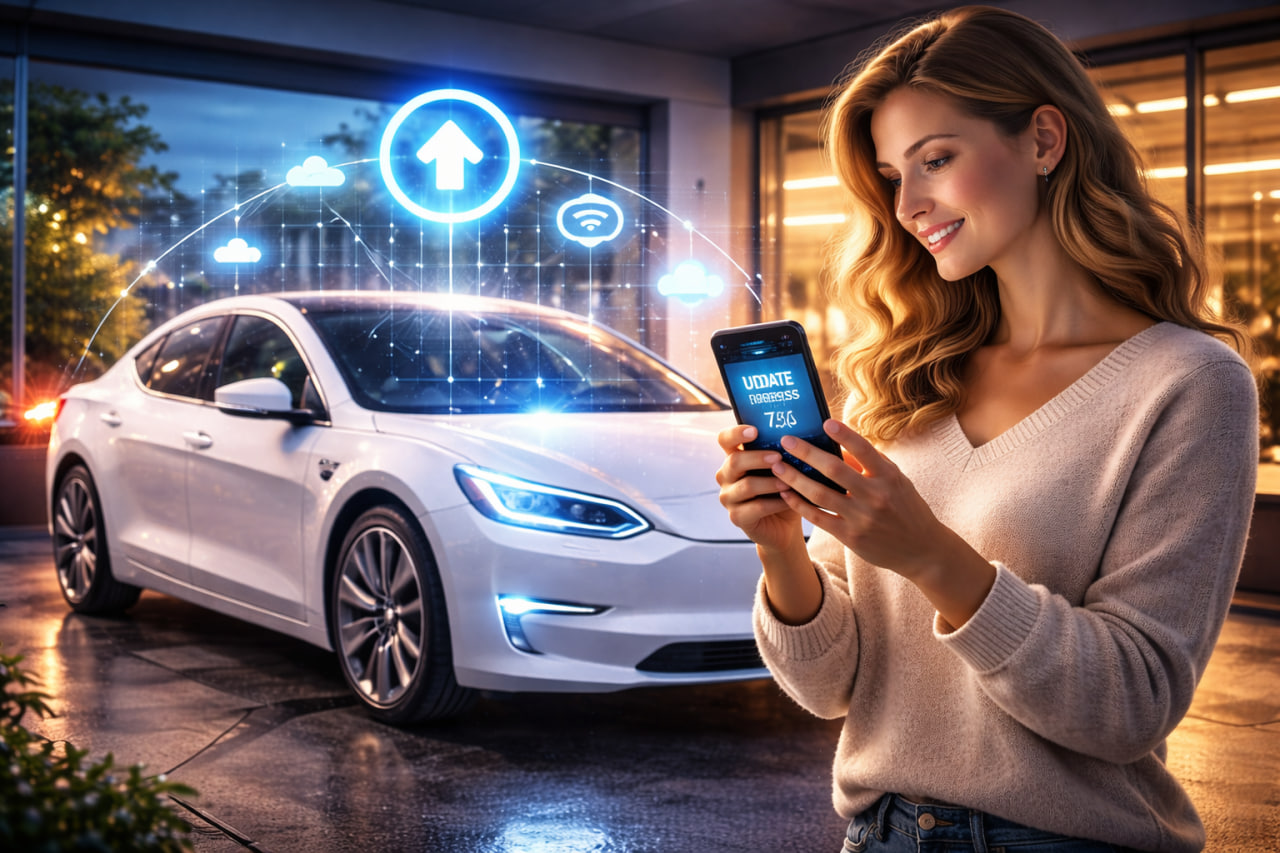
For decades, cars were defined almost entirely by their hardware. Engines, transmissions, suspension systems, and body design determined what a vehicle could do for its entire lifespan.