
Driverless Electric Vehicles: How Autonomous EVs Work, Their Benefits, Risks, and Future
Driverless electric vehicles combine two of the automotive industry’s most disruptive technologies: battery-electric propulsion and automated driving.
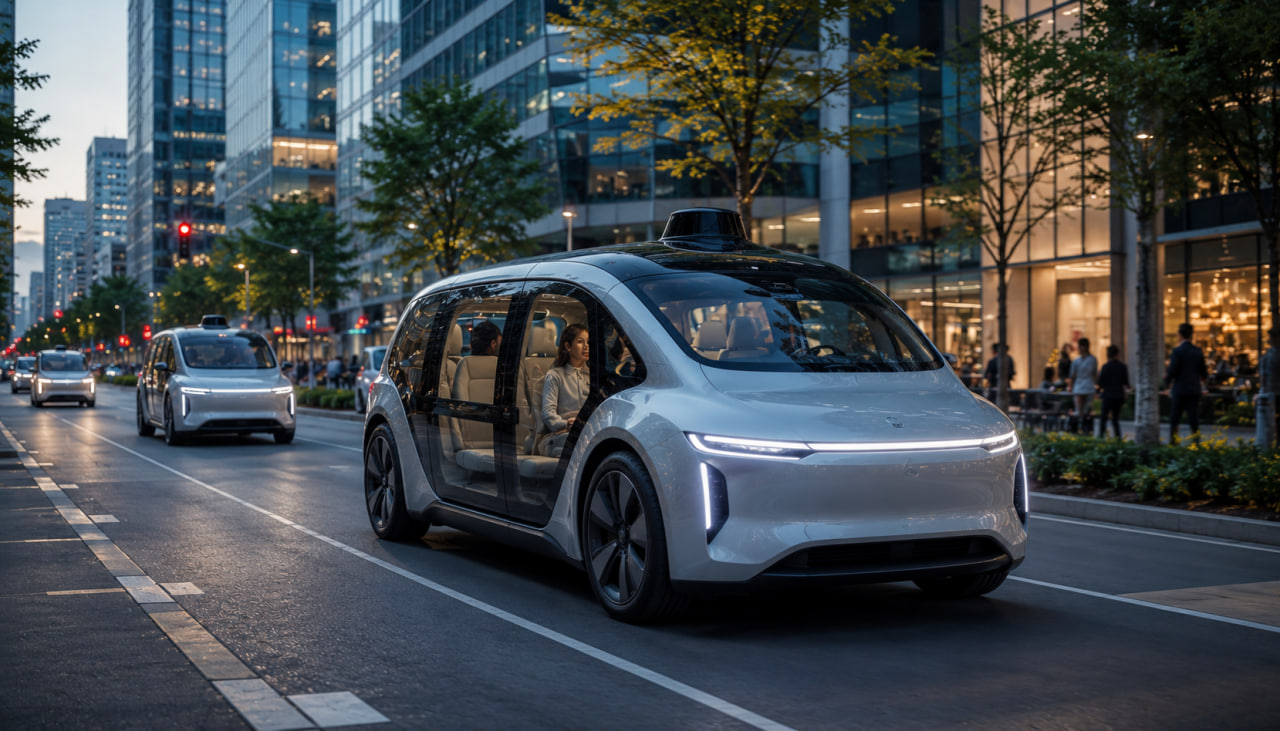
Driverless electric vehicles combine two of the automotive industry’s most disruptive technologies: battery-electric propulsion and automated driving.

Long-distance travel in an electric vehicle is no longer unusual. Modern EVs offer longer driving ranges, faster charging, intelligent route planning, and growing access to public charging...
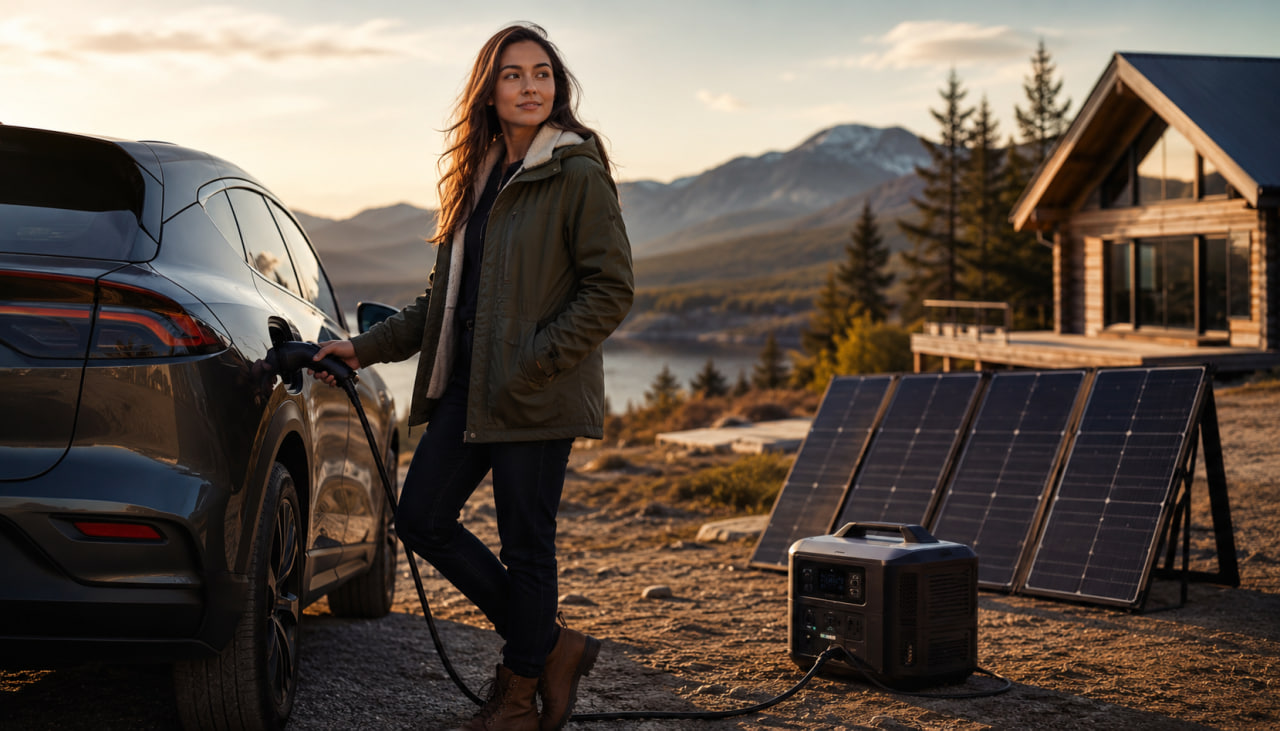
An electric vehicle cannot be charged without an energy source. If an entire region has lost grid power, the solution is not a special charging cable but access to electricity stored or...
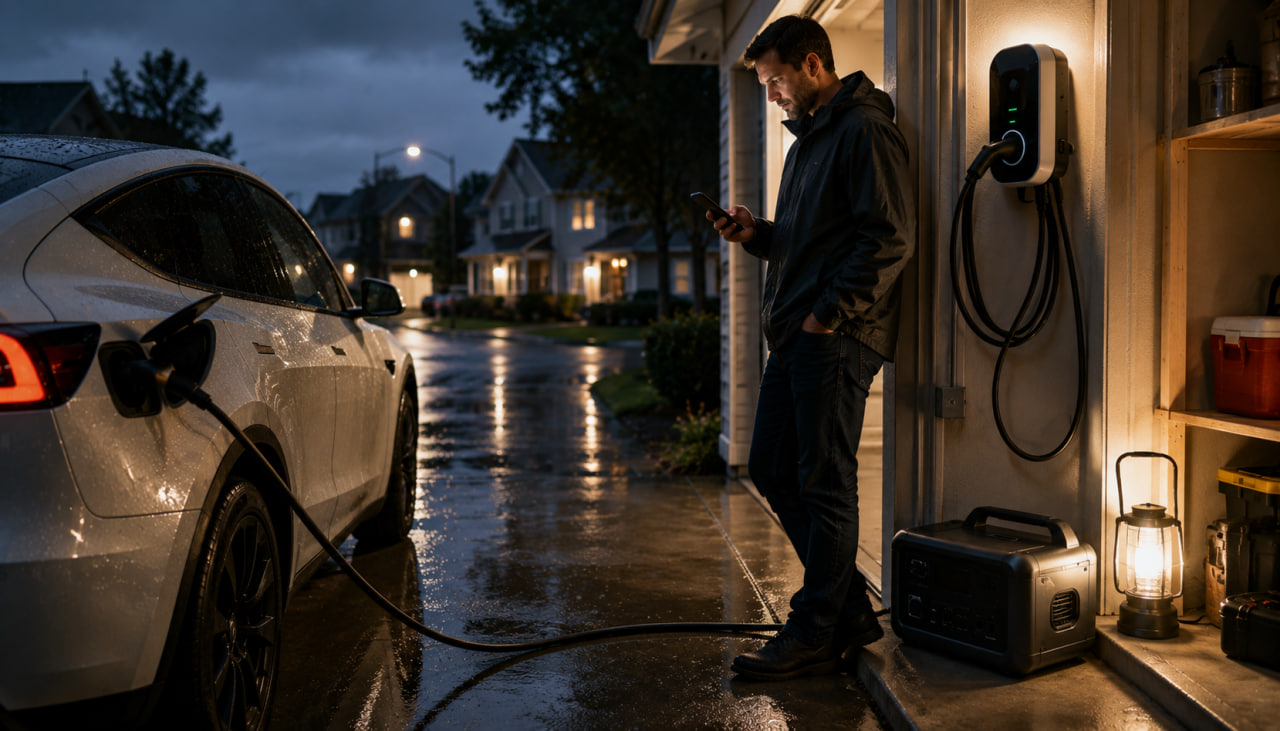
Regional power outages can disrupt homes, businesses, traffic systems, fuel stations, and public charging networks.

Electric vehicles are moving far beyond private cars, delivery vans, and city buses. Ambulance services, fire departments, municipal authorities, airports, police forces, utility companies...
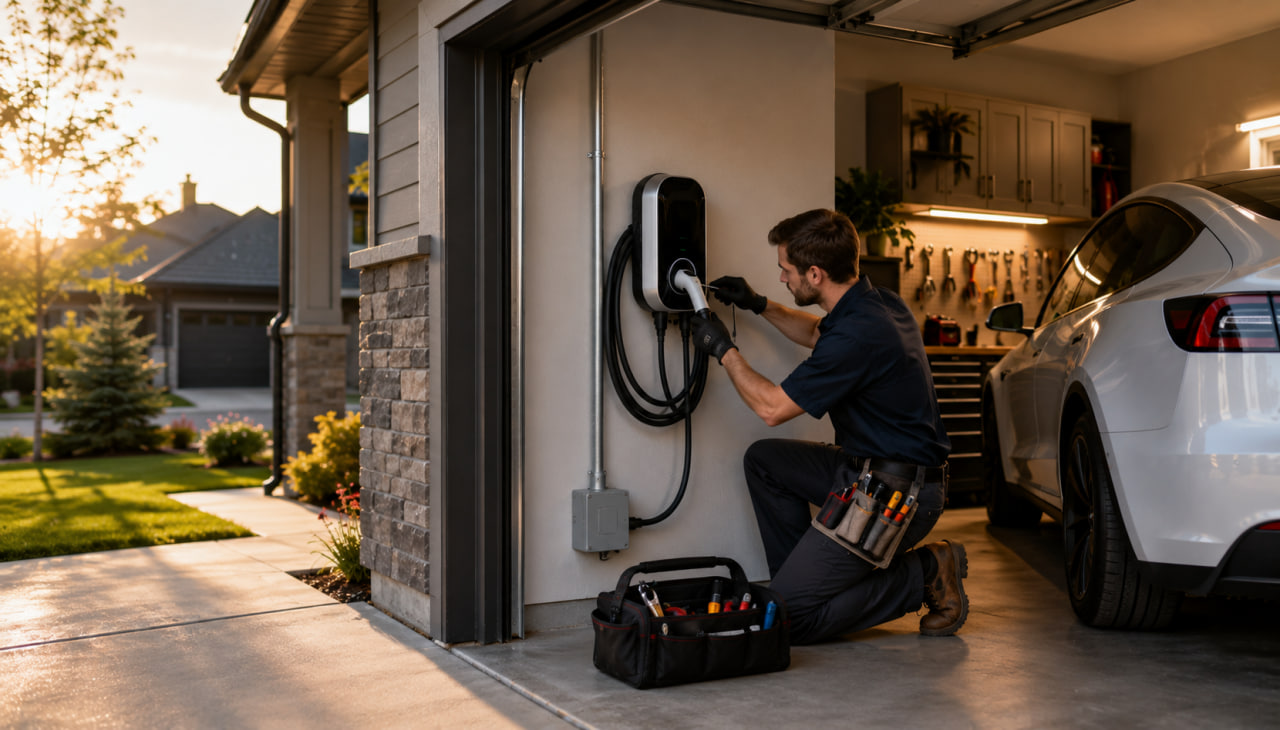
As electric vehicles continue to gain popularity worldwide, installing a home charging station has become one of the smartest investments for EV owners.
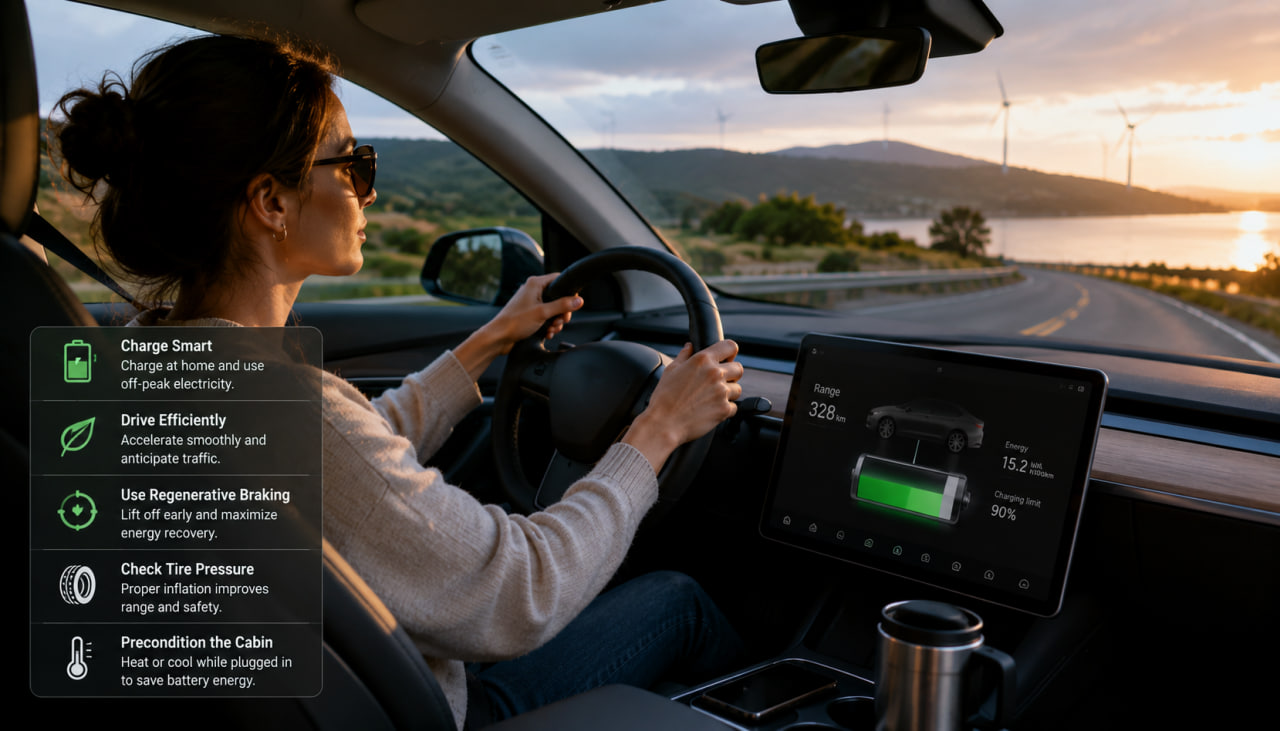
Owning an electric vehicle is different from driving a gasoline-powered car, but once you understand a few practical techniques, daily driving becomes easier, more efficient, and often less...
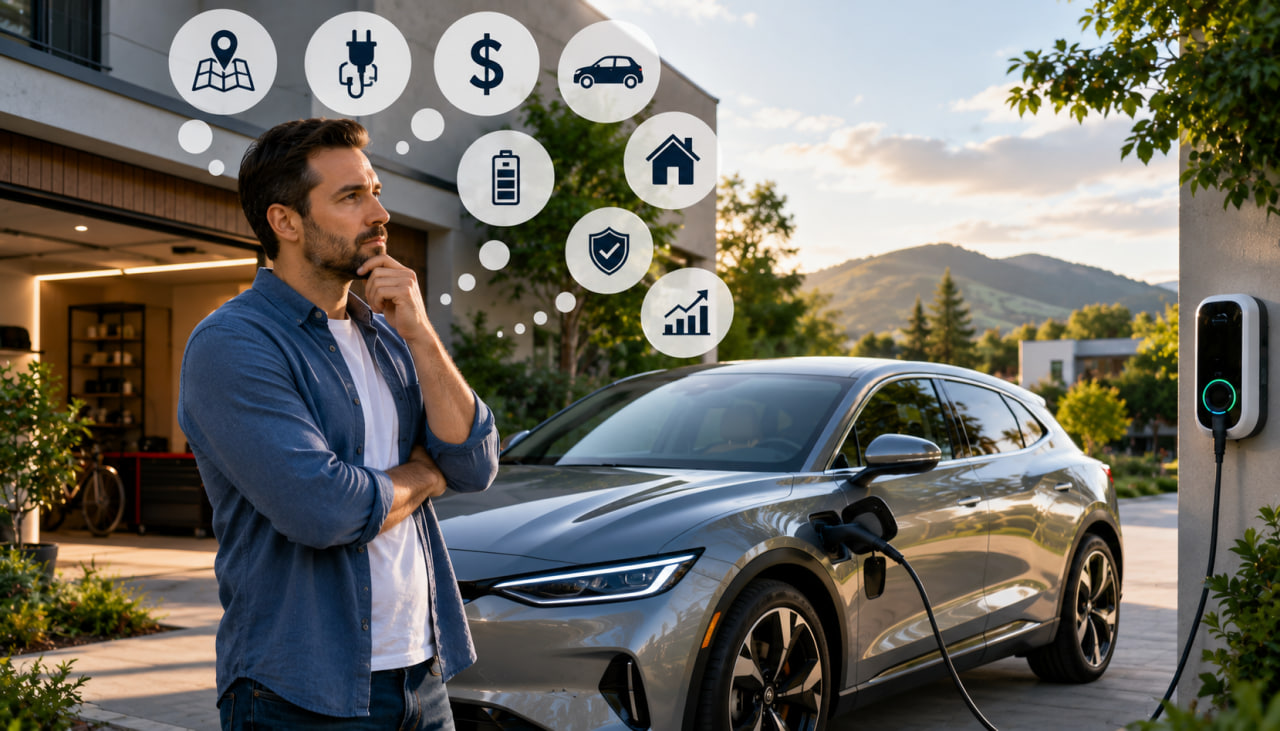
Electric vehicles (EVs) have rapidly evolved from niche products into mainstream transportation.

Power outages caused by storms, overloaded electrical grids, extreme weather, or infrastructure failures are becoming more common in many parts of the world.
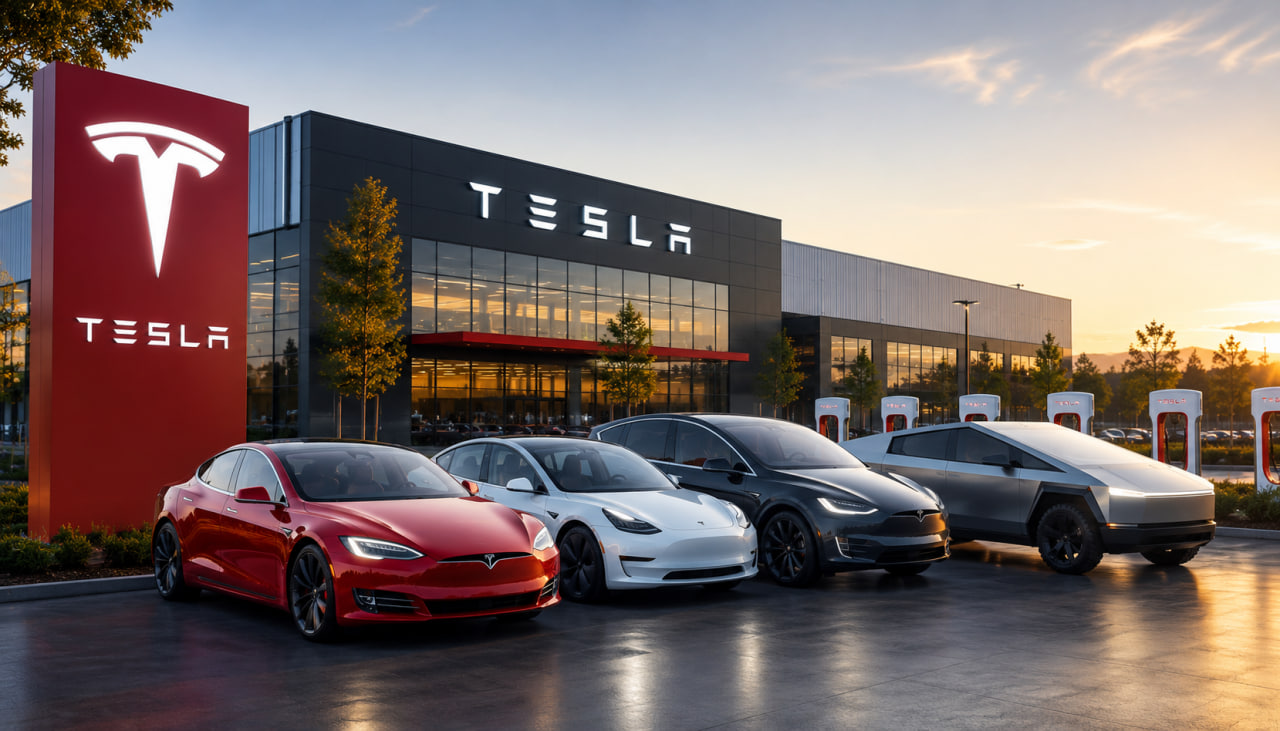
Tesla is one of the world's most influential technology and automotive companies, playing a central role in accelerating the global transition to sustainable energy.