
The Second Life of Batteries: Recycling and Reuse for a Sustainable EV Future
As the electric vehicle (EV) revolution accelerates, so does a critical question: what happens to all those lithium-ion batteries when their automotive life ends?
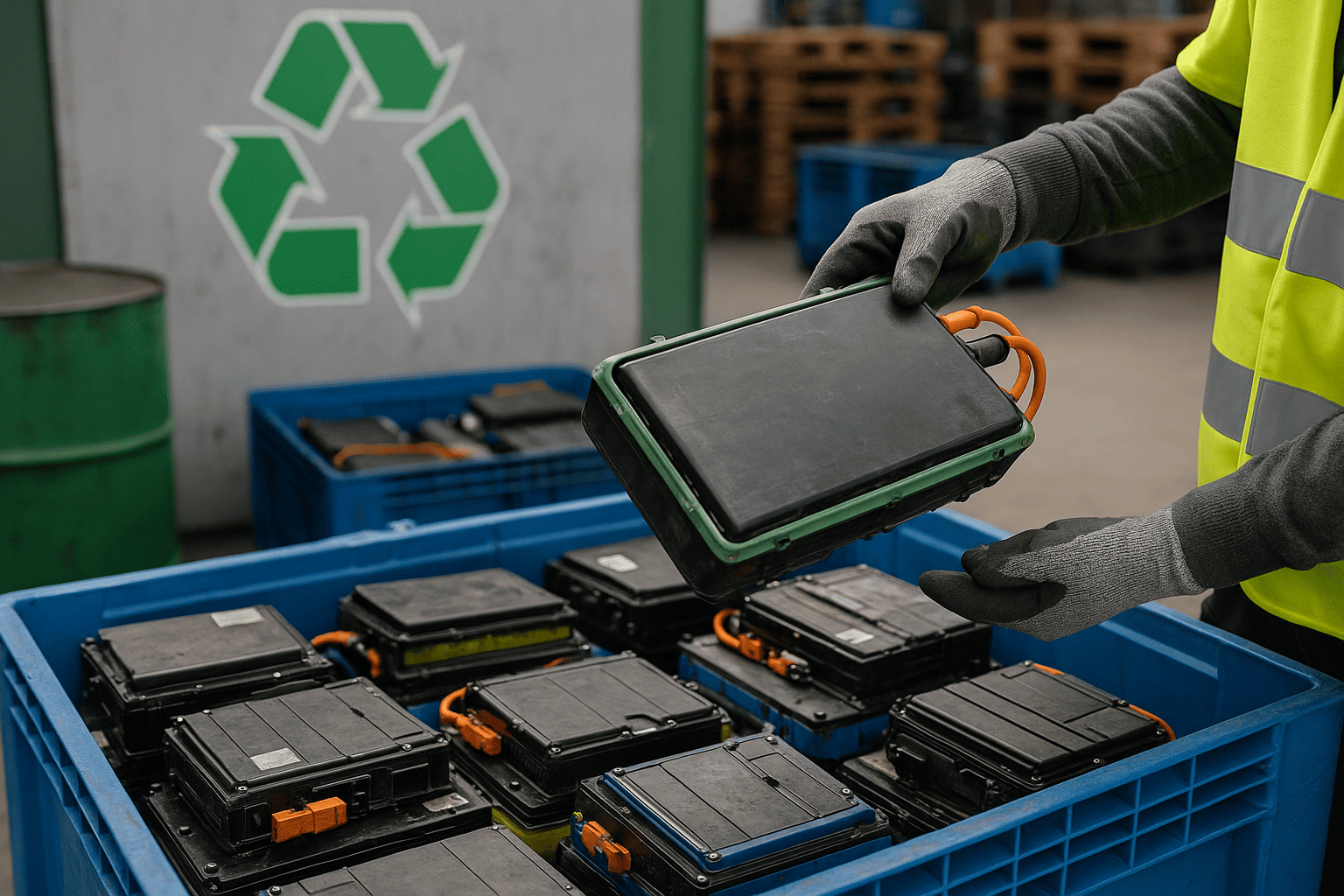
As the electric vehicle (EV) revolution accelerates, so does a critical question: what happens to all those lithium-ion batteries when their automotive life ends?
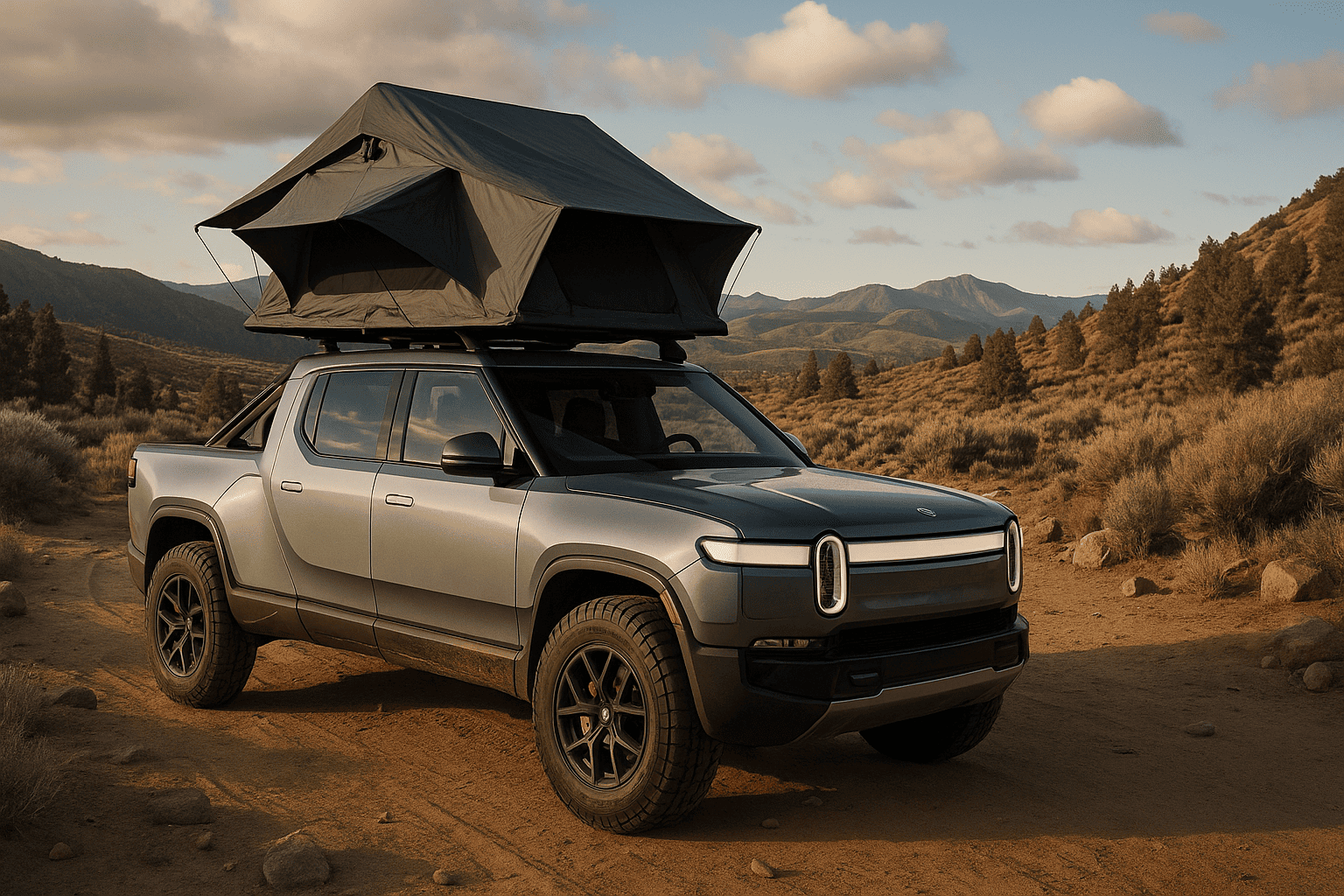
Off-road travel—once the exclusive domain of rumbling diesel trucks and gasoline 4x4s—is undergoing a quiet but powerful transformation.
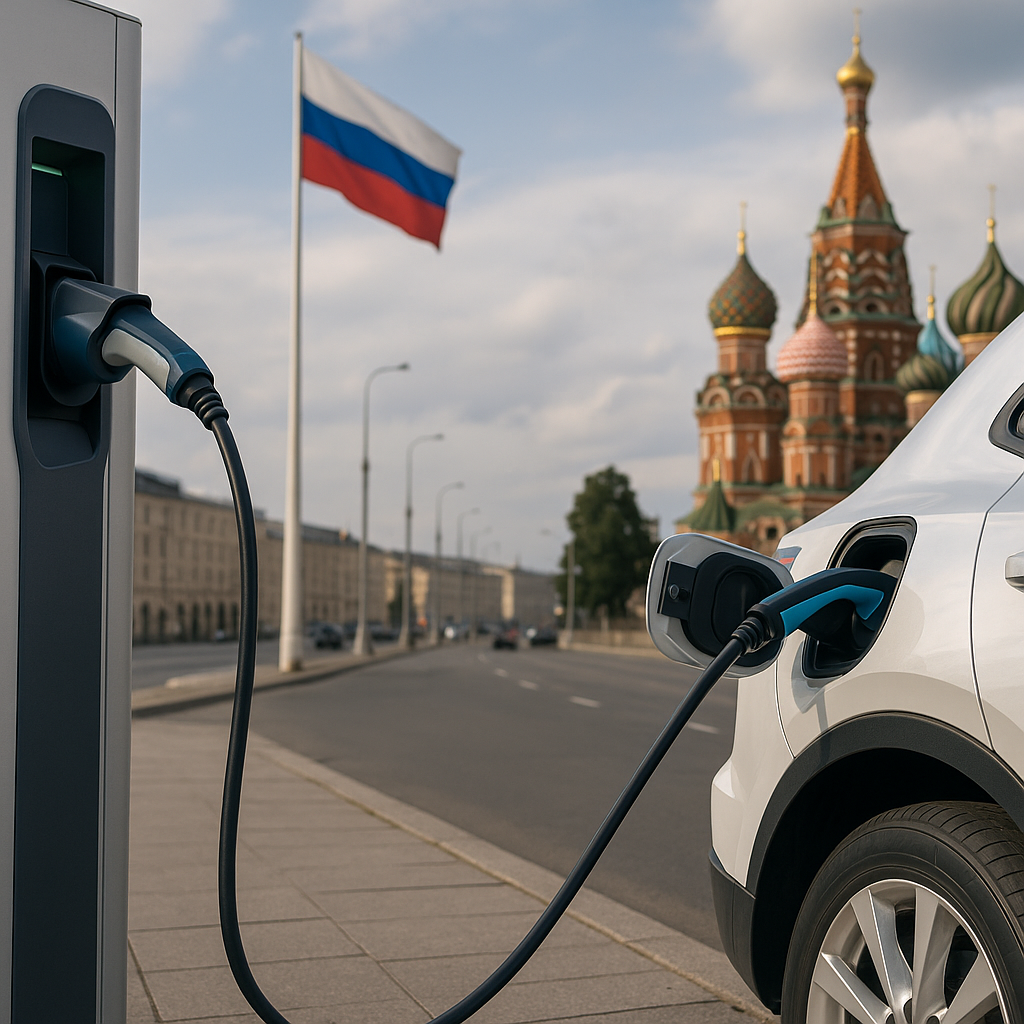
While much of the world races ahead in building infrastructure to support electric vehicles (EVs), Russia’s journey has been slower, more complex—and increasingly urgent.

Electric racing is no longer a niche curiosity—it’s the turbocharged frontier of innovation driving the future of mobility.
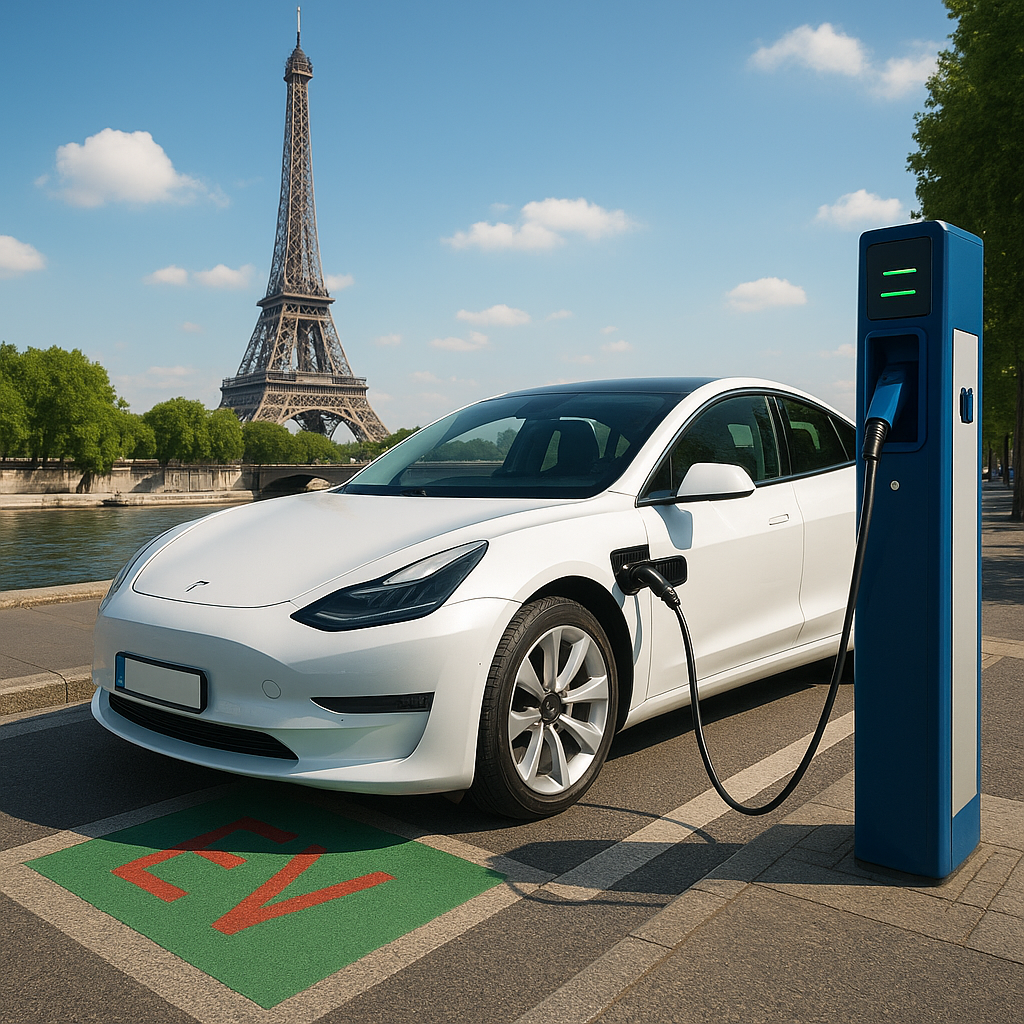
A cross-continental journey by electric vehicle is no longer a daring experiment—today it can be a seamless adventure that mixes stunning scenery, cultural variety, and emissions-free driving.
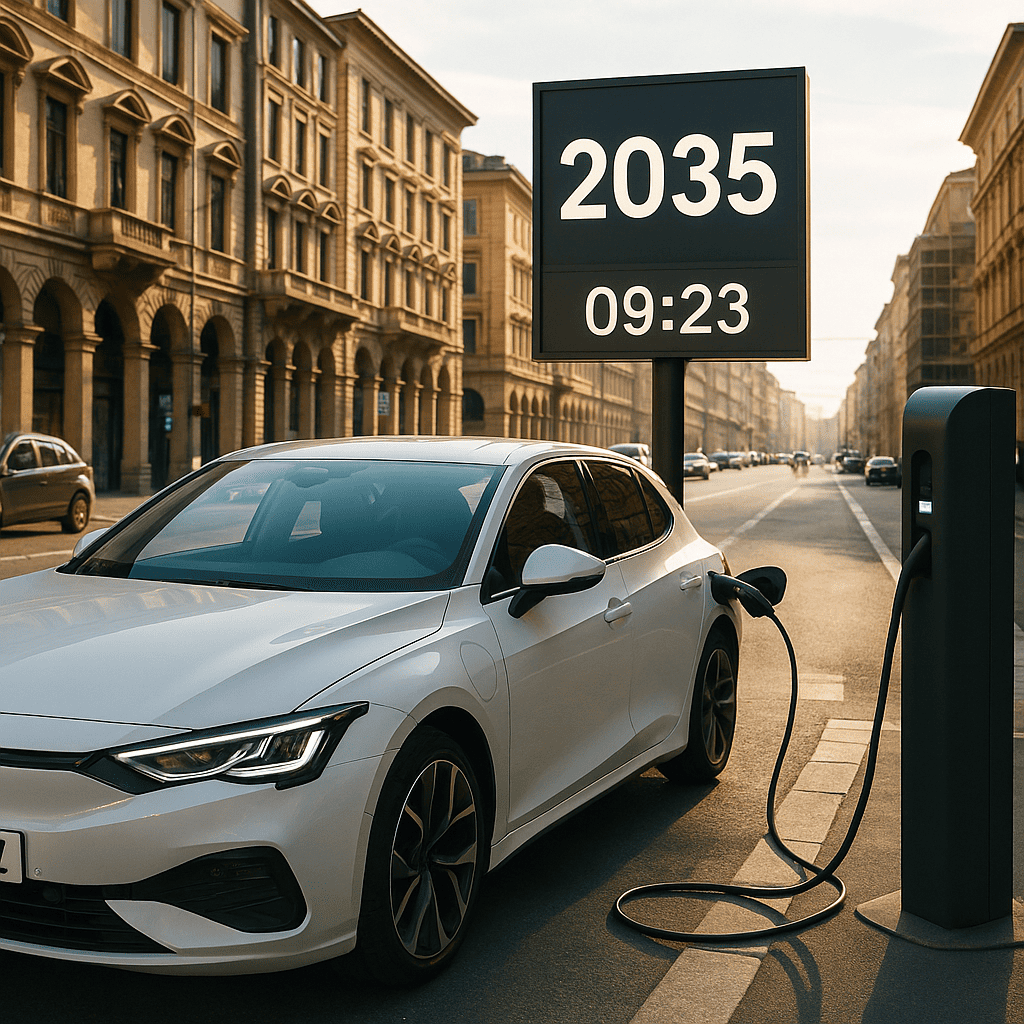
In 2022 the European Union agreed on a landmark regulation: from 2035, the sale of new passenger cars and light commercial vehicles with internal-combustion engines (ICE) will be effectively...
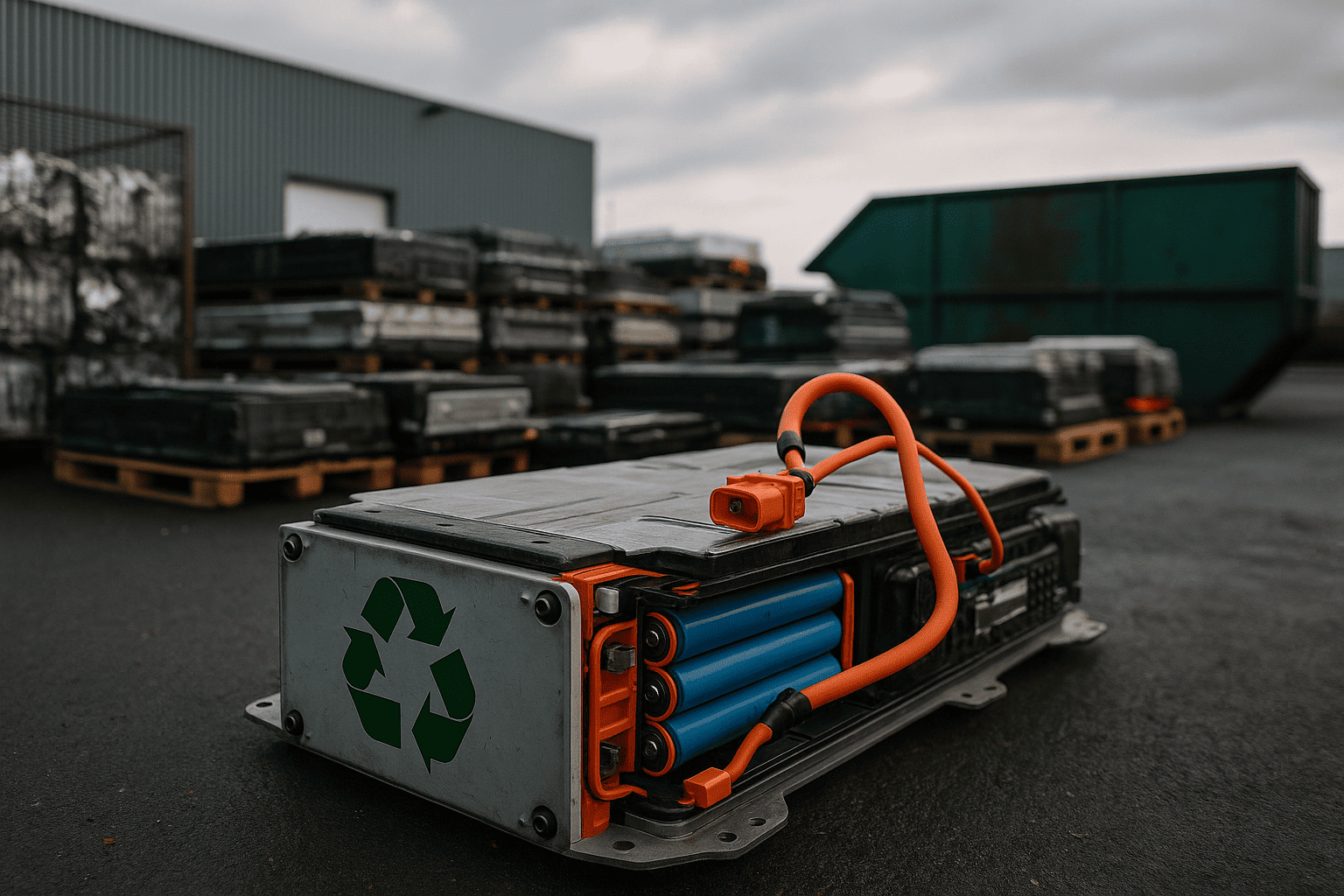
As electric vehicles (EVs) rapidly gain popularity, a new challenge has emerged alongside their success: what happens to the batteries when their performance no longer meets the standards...
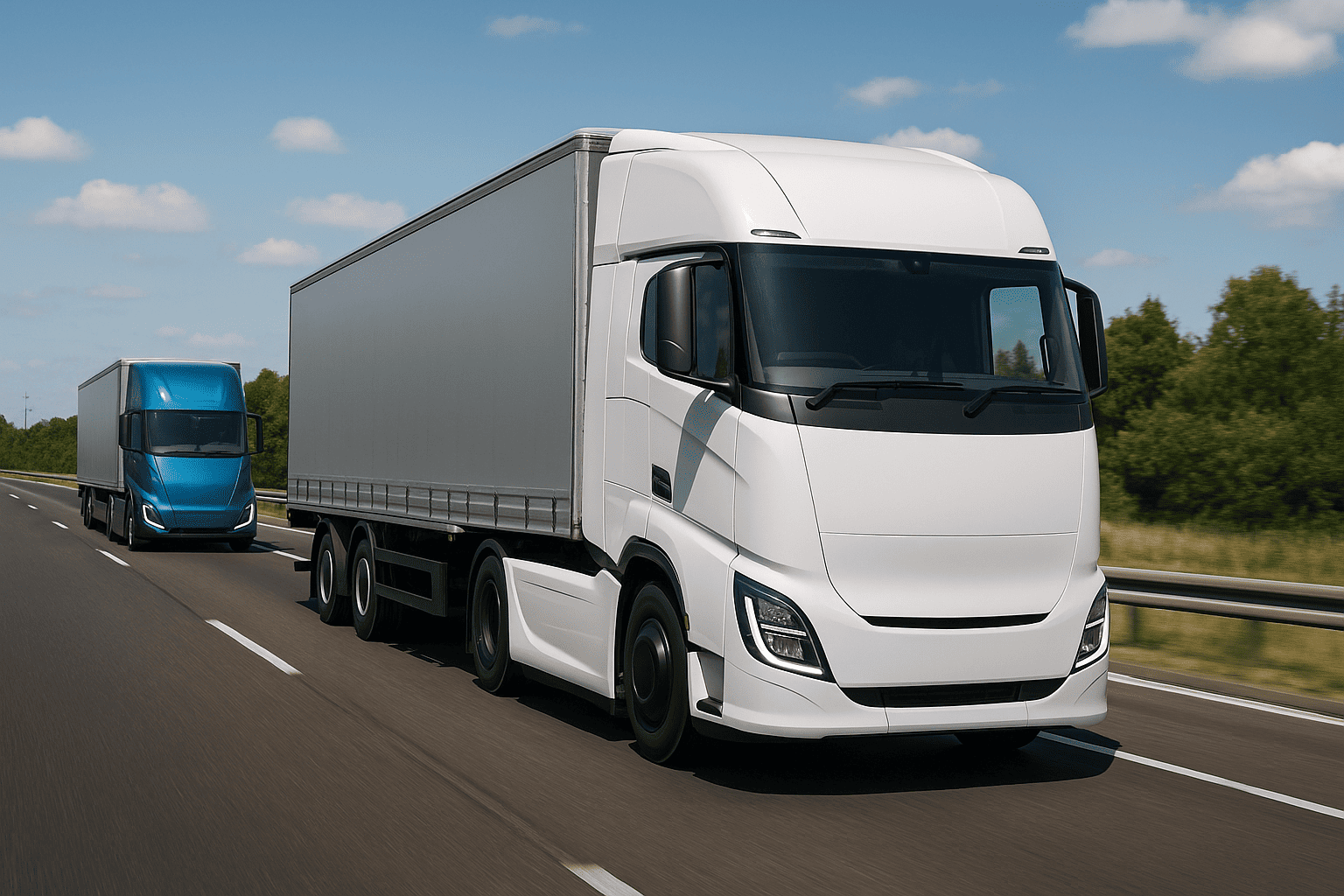
The global push to decarbonize transport is no longer limited to passenger cars—heavy-duty trucks are now accelerating toward an electric future.
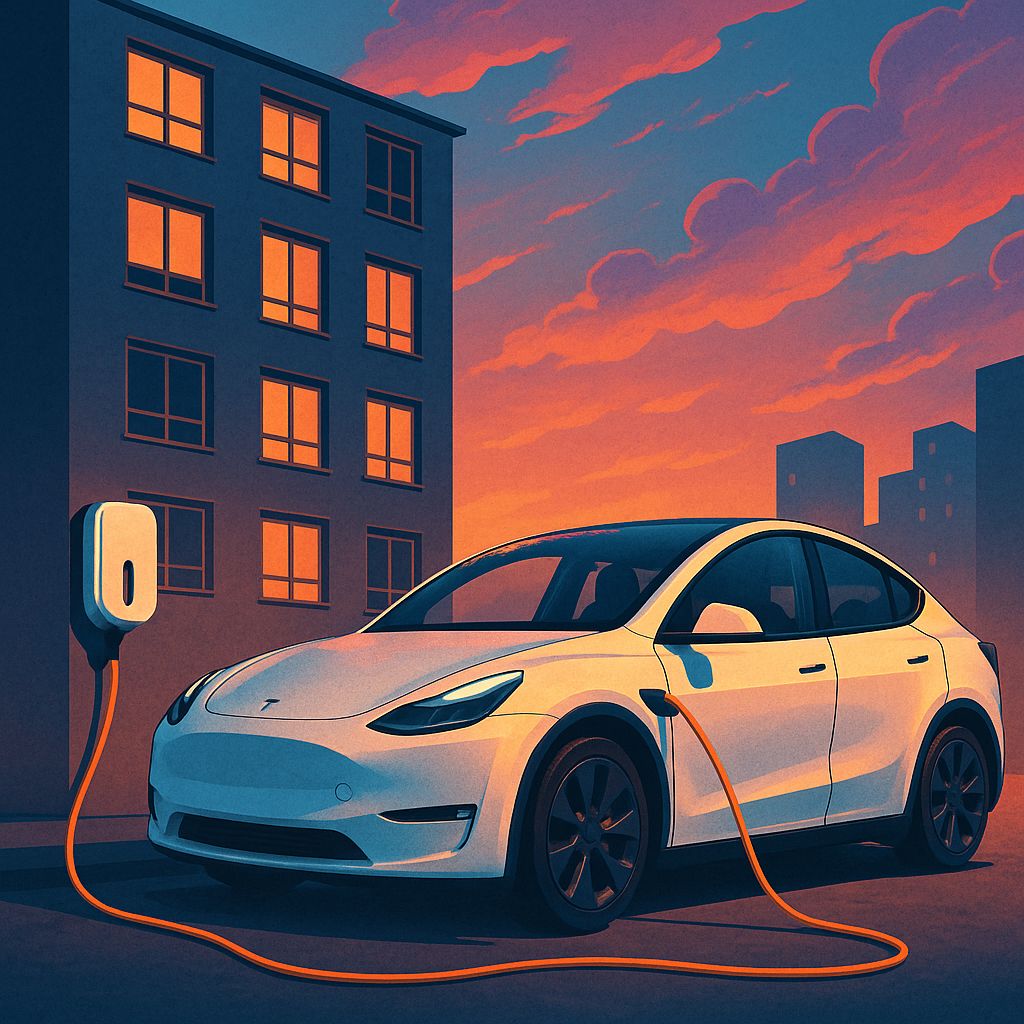
As electric vehicles (EVs) become more popular, one of the most pressing challenges for city dwellers is figuring out how to charge them when living in apartment buildings or high-rises.
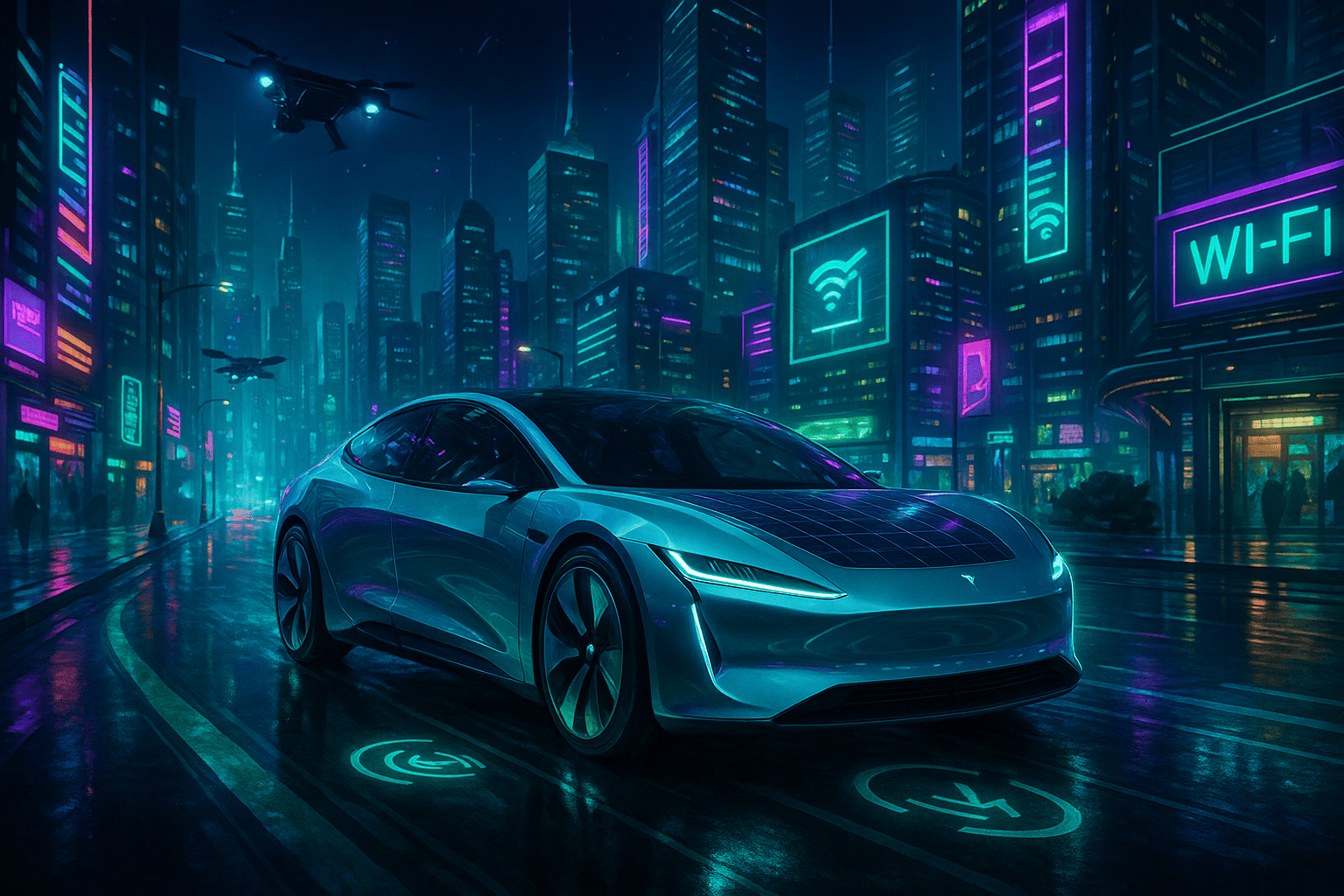
As the electric vehicle (EV) revolution accelerates, it’s becoming increasingly clear that the cars we drive in 2035 will be fundamentally different from those we see on the roads today.