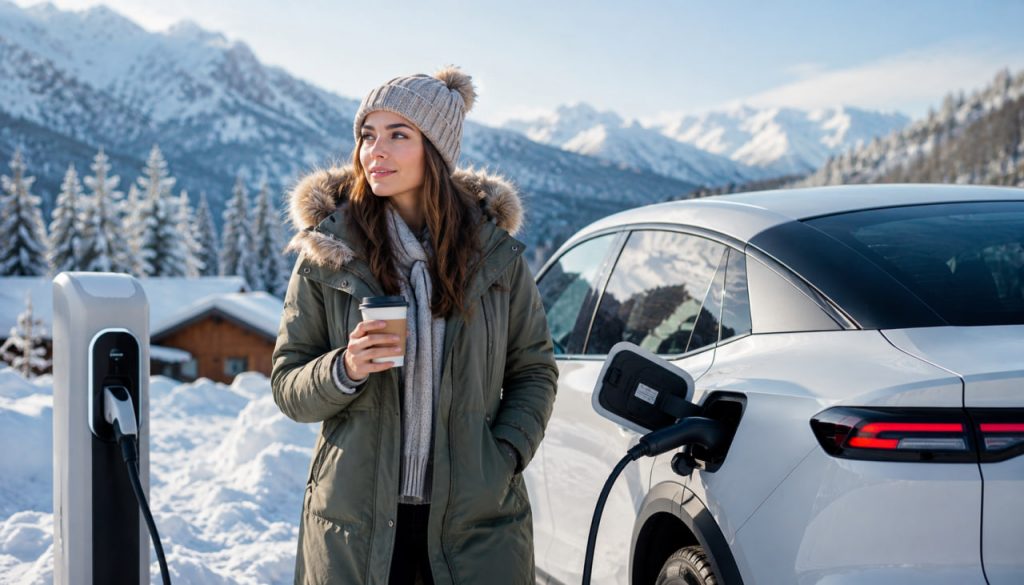
Cold weather has long been considered one of the biggest challenges for electric vehicles. Low temperatures can reduce battery efficiency, increase energy consumption, and shorten driving range. However, advances in battery technology, thermal management systems, and heat pumps have made modern EVs far more capable in winter conditions than many people realize.
Today, several electric vehicles perform exceptionally well in regions with harsh winters, making them practical options for drivers in Northern Europe, Canada, Scandinavia, and northern parts of the United States.
Understanding which models excel in cold climates—and how to maximize their performance—can help owners enjoy a reliable EV experience year-round.
Why Cold Weather Affects Electric Vehicles
Unlike gasoline vehicles, electric cars rely entirely on battery-stored energy for propulsion and cabin heating.
When temperatures drop significantly:
- Battery chemistry becomes less efficient
- Charging speeds can decrease
- Cabin heating requires additional energy
- Range can be reduced
- Regenerative braking performance may initially be limited
According to numerous independent tests, winter range reductions typically vary between 10% and 40%, depending on temperature, driving conditions, and vehicle design.
Modern EVs are increasingly designed to minimize these losses through sophisticated battery heating and energy management systems.
What Makes an EV Good for Winter Driving?
Not all electric vehicles perform equally in cold climates.
The most capable winter EVs typically include:
- Heat pump systems
- Battery preconditioning
- Advanced thermal management
- Efficient all-wheel-drive systems
- Fast DC charging capability
- High battery capacity
These features help maintain driving range and charging performance even in sub-zero temperatures.
Best Electric Vehicles for Cold Climates in 2026
Tesla Model Y
The Model Y remains one of the strongest winter-performing EVs on the market.
Key advantages include:
- Efficient heat pump technology
- Advanced battery thermal management
- Excellent charging network access
- Strong all-wheel-drive performance
Its efficiency helps reduce winter range losses compared with many competitors.
Hyundai Ioniq 5
The Ioniq 5 has earned praise for its cold-weather capabilities and charging performance.
Strengths include:
- Efficient heat pump system
- Battery preconditioning
- Ultra-fast charging architecture
- Spacious interior for winter travel
Its 800-volt platform allows rapid charging even during long winter journeys.
Kia EV9
The EV9 combines family practicality with impressive winter technology.
Highlights include:
- Large battery options
- Heat pump availability
- All-wheel drive
- Advanced battery management systems
The vehicle is particularly attractive for drivers who need extra space without sacrificing electric capability.
Volvo EX90
Developed by a Scandinavian manufacturer with extensive winter-driving experience, the EX90 is well suited for cold environments.
Benefits include:
- Sophisticated thermal management
- Premium winter comfort features
- Advanced safety systems
- Excellent traction in challenging conditions
Its design reflects the demands of Nordic climates.
Rivian R1S
For drivers facing extreme weather and difficult terrain, the R1S offers exceptional capability.
Key features include:
- Powerful all-wheel drive
- Large battery pack
- Adjustable air suspension
- Excellent snow and off-road performance
The vehicle is particularly popular among outdoor enthusiasts and adventure travelers.
The Importance of Heat Pumps
One of the most significant developments in EV winter performance is the widespread adoption of heat pumps.
Unlike traditional resistance heaters, heat pumps transfer heat rather than generating it directly.
Advantages include:
- Lower energy consumption
- Improved winter efficiency
- Increased driving range
- Faster cabin heating
A modern heat pump can save a substantial amount of battery energy during cold-weather driving.
For buyers in northern climates, a heat pump is one of the most valuable features to prioritize.
Practical Winter Tips for EV Owners
Precondition the Battery Before Driving
Many EVs allow owners to warm the battery while the vehicle remains plugged in.
This improves:
- Range
- Charging speed
- Battery efficiency
Preconditioning is especially useful before long trips.
Keep the Vehicle Plugged In
Whenever possible, leave the vehicle connected to a charger during extremely cold weather.
This allows the battery management system to maintain optimal temperatures without consuming driving range.
Use Seat and Steering Wheel Heaters
Heating individual occupants is generally more energy-efficient than heating the entire cabin.
Using heated seats and steering wheels can help preserve range.
Plan Winter Charging Stops
Cold batteries charge more slowly.
Many modern EV navigation systems automatically precondition the battery before arriving at a fast charger, improving charging performance.
Using this feature can significantly reduce charging times.
Maintain Proper Tire Pressure
Cold temperatures reduce tire pressure naturally.
Underinflated tires increase rolling resistance and energy consumption.
Regular pressure checks can help maximize efficiency and improve safety.
Expert Perspective: Winter Performance Is Improving Rapidly
According to International Energy Agency, continued improvements in battery chemistry, thermal management systems, and charging infrastructure are making electric vehicles increasingly practical in a wider range of climates.
Similarly, researchers at Norwegian Electric Vehicle Association have consistently demonstrated through real-world testing that modern EVs can successfully operate in harsh winter conditions when equipped with proper thermal management and charging strategies.
Their findings highlight a key reality: cold weather remains a challenge for EVs, but it is no longer a barrier to ownership for most drivers.
The Future of Winter-Friendly EVs
Battery technology continues to evolve rapidly.
Future improvements are expected to include:
- Higher energy density batteries
- Faster cold-weather charging
- More efficient heat pumps
- Advanced battery heating systems
- Improved software optimization
These innovations will further reduce the impact of low temperatures on driving range and overall vehicle performance.
Conclusion
Electric vehicles have become increasingly capable in cold climates thanks to advances in battery technology, thermal management, and energy efficiency. Models such as the Tesla Model Y, Hyundai Ioniq 5, Kia EV9, Volvo EX90, and Rivian R1S demonstrate that modern EVs can handle winter conditions while delivering strong performance and practicality.
By choosing a vehicle with effective cold-weather technologies and following proven winter driving practices, owners can minimize range loss and enjoy reliable electric transportation throughout the year.
For most drivers, the question is no longer whether an EV can handle winter—it is which EV handles it best.