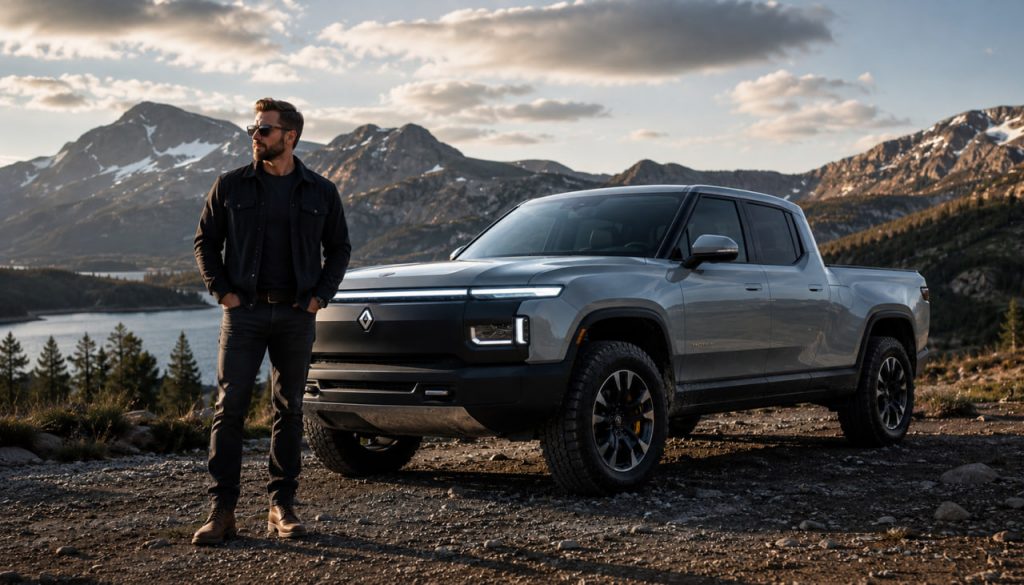
The global transition to electric vehicles is no longer limited to passenger cars and SUVs. One of the fastest-growing segments of the EV industry is the electric pickup truck. Once considered impractical due to heavy workloads, towing requirements, and long-distance driving needs, electric pickups are now emerging as serious alternatives to traditional gasoline and diesel trucks.
Advances in battery technology, electric motors, and charging infrastructure have enabled manufacturers to create powerful electric pickups that combine impressive performance with lower operating costs and reduced emissions.
As automakers invest billions of dollars into electrification, electric pickups are becoming a key battleground in the future of the automotive industry.
What Is an Electric Pickup Truck?
An electric pickup truck is a vehicle that combines the utility and cargo-carrying capabilities of a traditional pickup with an electric powertrain powered by rechargeable batteries.
Unlike conventional trucks that use internal combustion engines, electric pickups rely on one or more electric motors to drive the wheels.
Key components include:
- High-capacity battery packs
- Electric drive motors
- Power electronics
- Regenerative braking systems
- Advanced software management systems
The result is a vehicle capable of delivering strong performance, instant torque, and lower maintenance requirements compared to traditional trucks.
Why Electric Pickups Are Gaining Popularity
Several factors are driving the rapid growth of this segment.
Instant Torque and Performance
Electric motors deliver maximum torque from zero RPM, making electric pickups exceptionally responsive.
This characteristic is particularly beneficial for:
- Towing
- Off-road driving
- Hauling heavy loads
- Accelerating under load
Many electric pickups outperform traditional trucks in acceleration tests despite their larger size and weight.
Lower Operating Costs
Electric vehicles typically have fewer moving parts than combustion-powered vehicles.
Owners often benefit from:
- Reduced maintenance expenses
- Lower energy costs
- Fewer mechanical failures
- No oil changes
For businesses operating large fleets, these savings can become significant over time.
Environmental Benefits
Electric pickups produce no tailpipe emissions during operation.
While battery production still has environmental impacts, many studies suggest that EVs can reduce lifetime greenhouse gas emissions when powered by increasingly clean electricity grids.
The Advantages of Electric Pickup Trucks
Modern electric pickups offer several unique benefits.
Exceptional Towing Power
The instant torque of electric motors provides impressive towing capability.
Many current models offer towing capacities comparable to traditional full-size trucks.
Advanced Technology
Electric pickups often serve as technology showcases for manufacturers.
Common features include:
- Over-the-air software updates
- Advanced driver-assistance systems
- Smart energy management
- Large infotainment displays
- Vehicle-to-load (V2L) power systems
Some models can even power tools, appliances, or homes during emergencies.
Improved Driving Experience
Electric drivetrains offer:
- Smooth acceleration
- Quiet operation
- Reduced vibration
- Enhanced vehicle control
These characteristics create a more comfortable driving experience both on and off the road.
The Most Important Electric Pickup Trucks in 2026
The market has expanded rapidly, with several manufacturers introducing competitive models.
Tesla Cybertruck
The Cybertruck remains one of the most recognizable electric pickups in the world.
Notable characteristics include:
- Stainless steel exterior construction
- High-performance acceleration
- Advanced software integration
- Long driving range options
Its unconventional design continues to generate both enthusiasm and debate among consumers.
Ford F-150 Lightning
Ford successfully electrified America’s best-selling pickup platform with the F-150 Lightning.
Key strengths include:
- Familiar design
- Strong towing capability
- Practical work-oriented features
- Large front storage compartment
The model has become particularly popular among commercial users and existing Ford truck owners.
Rivian R1T
The R1T helped establish Rivian as a major player in the electric truck segment.
Its highlights include:
- Premium interior
- Excellent off-road performance
- Innovative storage solutions
- Adventure-focused design
The vehicle appeals strongly to outdoor enthusiasts seeking both utility and luxury.
Chevrolet Silverado EV
General Motors entered the market with the Silverado EV, emphasizing range and practicality.
Key features include:
- Large battery options
- Flexible cargo configurations
- Commercial and consumer variants
- Advanced Ultium battery platform
The Silverado EV is positioned as a direct competitor to both Ford and Tesla offerings.
GMC Sierra EV
Designed as a premium electric truck, the Sierra EV combines luxury and utility.
Notable attributes include:
- Premium cabin materials
- Long-range capability
- Advanced towing technologies
- Sophisticated driver assistance systems
It targets customers looking for a more upscale truck experience.
Challenges Facing Electric Pickups
Despite their advantages, electric pickups still face several obstacles.
Battery Weight
Large battery packs add substantial weight to vehicles.
This can affect:
- Payload capacity
- Efficiency
- Tire wear
Manufacturers continue to improve battery energy density to address these concerns.
Charging Infrastructure
Although charging networks continue to expand globally, charging a large battery remains slower than refueling a gasoline truck.
This can be a concern for drivers who regularly travel long distances or operate in remote areas.
Purchase Price
Electric pickups generally remain more expensive than comparable gasoline models.
However, operating cost savings may offset part of the initial investment over the vehicle’s lifetime.
Expert Perspective: The Future of Electric Trucks
According to RJ Scaringe, electric trucks represent one of the most important opportunities for reducing transportation emissions while maintaining the utility that truck owners require.
Industry analysts from organizations such as International Energy Agency have also highlighted commercial vehicles and pickup trucks as key segments in the broader electrification of transportation.
Their assessments suggest that continued improvements in battery technology, charging networks, and manufacturing efficiency will accelerate adoption throughout the coming decade.
What the Future Holds for Electric Pickups
The next generation of electric pickups is expected to offer:
- Longer driving ranges
- Faster charging speeds
- Improved towing efficiency
- Lower battery costs
- Enhanced autonomous driving capabilities
Solid-state batteries and next-generation energy storage technologies could further transform the segment by reducing weight while increasing range.
As competition intensifies, consumers will likely benefit from greater choice and more affordable pricing.
Conclusion
Electric pickup trucks represent a major evolution in the automotive industry, combining the practicality of traditional pickups with the efficiency and performance advantages of electric propulsion.
Models such as the Tesla Cybertruck, Ford F-150 Lightning, Rivian R1T, Chevrolet Silverado EV, and GMC Sierra EV demonstrate that electric trucks are no longer experimental concepts but increasingly capable vehicles designed for real-world work and everyday use.
As battery technology continues to improve and charging infrastructure expands, electric pickups are positioned to become an increasingly important part of the global vehicle market.