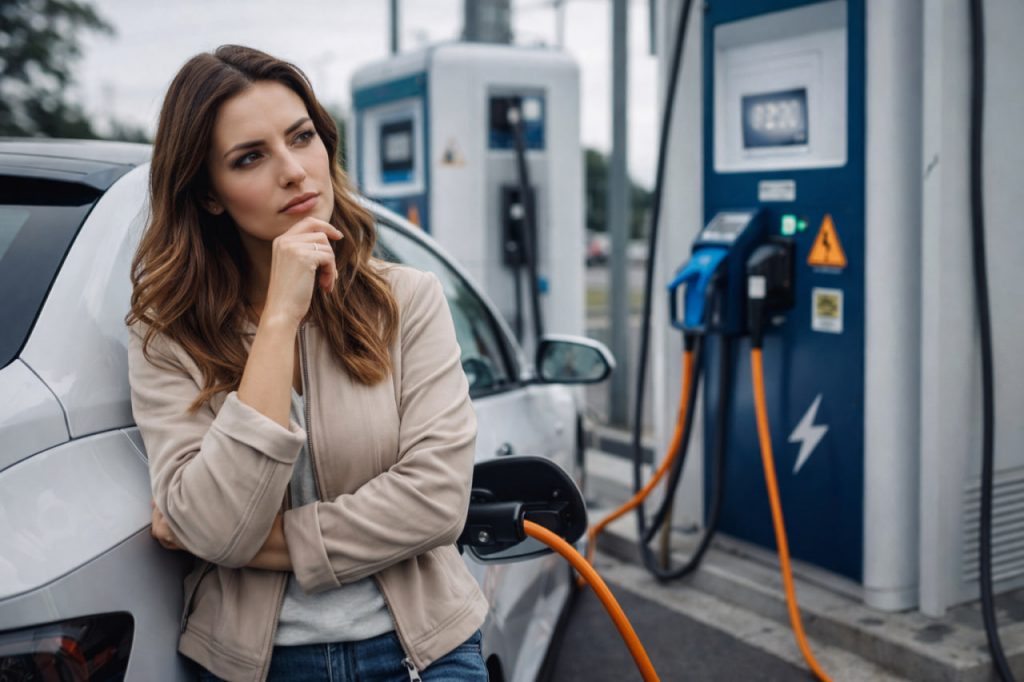
Electric vehicles are often associated with innovation, efficiency, and sustainability, but like any complex technology, they come with specific risks that drivers should clearly understand. These risks are not reasons to avoid EVs; rather, they highlight the importance of informed ownership and realistic expectations. Many challenges are different in nature from those of combustion vehicles and relate more to energy management, infrastructure dependence, and digital systems than to mechanical failure. Understanding these risks helps drivers make better decisions, avoid unnecessary stress, and use electric cars safely and efficiently in everyday life.
Battery Degradation and Long-Term Capacity Loss
One of the most discussed risks in EV ownership is battery degradation, the gradual reduction of usable energy capacity over time. All lithium-ion batteries age due to chemical processes influenced by charge cycles, temperature, and time spent at high state of charge. While modern EV batteries are designed to last many years, improper charging habits—such as frequent fast charging or keeping the battery at 100% for long periods—can accelerate wear. Degradation affects driving range rather than basic functionality, but it may influence resale value and long-term satisfaction.
“Battery degradation is predictable and manageable, but it requires drivers to understand that batteries prefer moderation rather than extremes,” — Dr. Elena Rossi, electric powertrain researcher.
Charging Infrastructure Dependence
Unlike combustion vehicles, EVs depend on charging infrastructure, which can vary significantly by region. Limited access to reliable public chargers, incompatible connectors, or malfunctioning stations can create inconvenience, especially during long trips. This risk is higher for drivers who cannot charge at home and rely entirely on public networks. Planning ahead and understanding local charging availability are essential habits for EV drivers.
“Range anxiety today is less about vehicle capability and more about infrastructure consistency,” — Mark Peterson, mobility infrastructure analyst.
Cold Weather Performance and Seasonal Variability
Electric cars are more sensitive to temperature extremes than traditional vehicles. In cold climates, battery efficiency drops, leading to reduced range and slower charging speeds. Energy is also used for cabin heating and battery warming, which further impacts efficiency. While modern thermal management systems mitigate these effects, winter driving still requires additional planning. Drivers who ignore seasonal variability may overestimate real-world range during colder months.
Fast Charging Stress and Heat Management
DC fast charging is a powerful convenience feature, but excessive reliance on it can increase thermal stress on the battery. High charging currents generate heat, which accelerates chemical aging if not properly managed. Although EVs include safeguards to limit damage, frequent fast charging as a primary energy source may shorten battery lifespan over many years.
“Fast charging is a tool, not a default habit—using it strategically preserves long-term battery health,” — Dr. Samuel Klein, battery systems consultant.
High-Voltage Safety Considerations
Electric vehicles operate using high-voltage systems, typically between 400 and 800 volts. While these systems are heavily insulated and monitored, accidents, flooding, or improper modifications can introduce risks. Drivers should avoid unauthorized repairs and rely on certified service centers for maintenance. In emergency situations, modern EVs are designed to automatically isolate the battery, but awareness remains important.
“High-voltage systems are extremely safe when intact, but they demand respect and professional handling,” — Dr. Thomas Nguyen, automotive safety engineer.
Software Dependence and System Reliability
Modern EVs rely heavily on software-controlled systems, including battery management, driver assistance, and charging optimization. While software enables efficiency and safety, it also introduces risks related to bugs, sensor failures, or unexpected behavior after updates. Most issues are resolved remotely through over-the-air updates, but drivers should remain attentive and avoid overreliance on automation. Understanding system limitations is part of responsible EV ownership.
Insurance, Repair Costs, and Specialized Service
EVs generally require less routine maintenance, but repair costs can be higher in certain situations, particularly when battery or power electronics are involved. Specialized training and equipment are required, which can limit service availability in some regions. Insurance premiums may also be higher due to repair complexity. These factors are improving as EV adoption grows, but they remain relevant considerations.
“The service ecosystem is catching up quickly, but EV repairs still demand specialized expertise,” — Laura Simmons, automotive insurance analyst.
Psychological Risks: Overconfidence and Misuse
A less discussed risk is driver overconfidence, especially among new EV owners impressed by instant acceleration and advanced driver-assistance features. Electric torque can surprise inexperienced drivers, and misinterpreting assistance systems as full autonomy can lead to unsafe behavior. Education and realistic expectations are critical for safety.
Conclusion
Electric vehicles are safe, reliable, and increasingly practical, but they are not risk-free. Battery aging, infrastructure dependence, weather sensitivity, software reliance, and behavioral factors all play a role in the EV ownership experience. Drivers who understand these risks and adapt their habits accordingly gain the full benefits of electric mobility while avoiding common pitfalls. Informed use—not fear—is the key to confident and responsible electric driving.

For me one of the major downside is that since EV’s, as you have mentioned software controlled, there is always a risk of being tracked without knowing you are. Or there can be a forced software update, which makes your car slower on purpose just like apple did years ago for their old phones. Just imagine, waking up to drive your car one day and it asks you to subscribe to a premium model for your heaters or to pass 130 km/h 😀 It feels like giving more and more control of your life. Cars, are a symbol of freedom. Freedom to just get some gasoline and drive into the sunset. Oops, I accidently forgot to buy Sunset DLC, cant drive there.
All jokes aside, ”risks related to bugs, sensor failures, or unexpected behavior after updates.” is very scary indeed when your life is depending on it. For now, I’ll keep trusting the simple and honest mechanical cars.
Forewarned is forearmed! 😎