As electric vehicles become part of everyday life, a home charging station is increasingly viewed not as a luxury, but as a practical necessity. Home charging offers convenience, predictable costs, and better battery care compared to frequent public fast charging. However, choosing and installing the right home charger requires understanding technical specifications, electrical infrastructure, and safety requirements. This guide explains the process step by step, breaking down key terms along the way.
Why a Home Charging Station Makes Sense
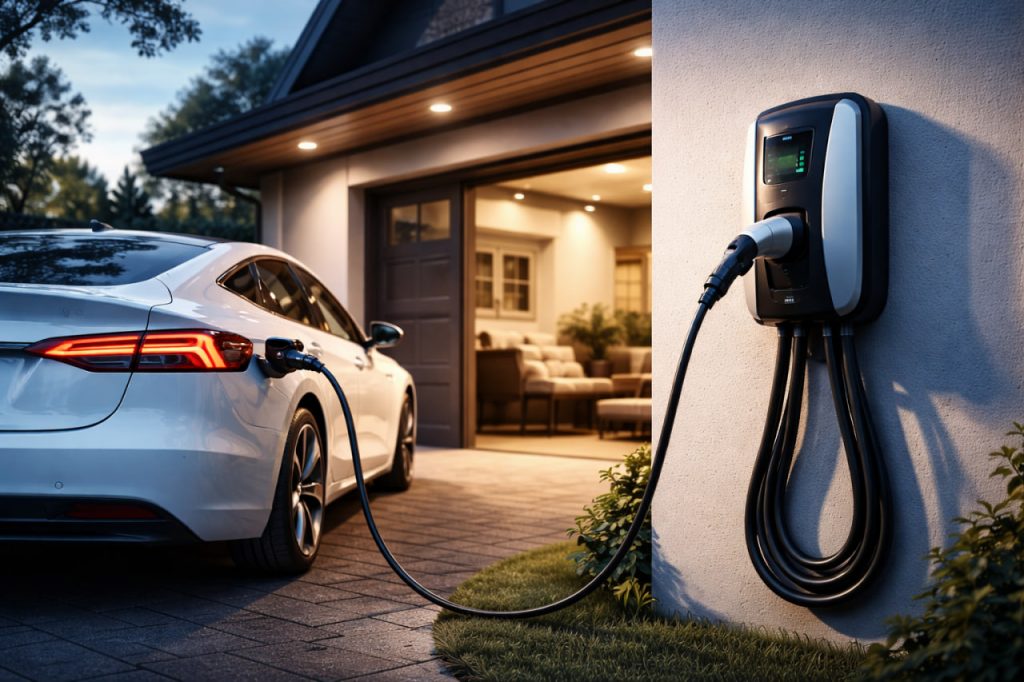
A home EV charging station, often referred to as a Level 2 charger, allows drivers to charge their vehicle faster and more efficiently than a standard household outlet. While a regular socket may take more than 24 hours to fully charge an EV, a dedicated station can typically complete charging overnight. Home charging also enables scheduled charging, allowing users to take advantage of off-peak electricity rates and reduce strain on the grid.
“For most EV owners, home charging covers over 80% of daily charging needs,” — Mark Sullivan, electric mobility consultant.
Understanding Charging Power and Compatibility
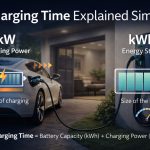
One of the most important factors when choosing a home charger is charging power, measured in kilowatts (kW). Common residential chargers range from 7.4 kW to 22 kW, depending on whether the home uses single-phase or three-phase power. It is equally important to ensure connector compatibility, such as Type 2 or Tesla NACS, depending on the vehicle and region. Selecting a charger that exceeds the car’s onboard charger capacity does not increase charging speed, so matching specifications is essential.
Smart Features and Future-Proofing
Modern home chargers often include smart charging features, such as mobile app control, energy monitoring, and remote scheduling. Some models support load balancing, which adjusts charging power to prevent overloading the home’s electrical system. Others are designed to integrate with solar panels or home energy management systems, improving sustainability and long-term cost efficiency.
“Smart chargers add value not through speed, but through control and energy optimization,” — Dr. Laura Bennett, energy systems researcher.
Electrical Requirements and Site Preparation
Before installation, a qualified electrician must assess the home’s electrical capacity, circuit protection, and grounding system. In some cases, an electrical panel upgrade may be required to safely support a high-power charger. Proper cable routing, weather protection, and mounting height are also important for safety and usability. These preparations ensure compliance with local electrical codes and long-term reliability.
Installation Process and Safety Considerations
Installing a home charging station should always be performed by a certified professional. The process includes installing a dedicated circuit, integrating residual current protection, and configuring charger settings. Safety systems protect against overcurrent, short circuits, and ground faults, reducing fire and electrical risks.
“Professional installation is essential to ensure both user safety and warranty compliance,” — James O’Neill, certified EV charging installer.
Costs, Incentives, and Long-Term Value
The total cost of a home charging station includes the charger itself and installation labor. While upfront costs vary, many regions offer government incentives, tax credits, or utility rebates that significantly reduce expenses. Over time, home charging is typically far cheaper than public fast charging and contributes to better battery longevity through slower, controlled charging cycles.
Conclusion
A home EV charging station is one of the most valuable upgrades an electric vehicle owner can make. By choosing the right charging power, ensuring compatibility, and relying on professional installation, drivers gain convenience, lower costs, and improved battery health. With thoughtful planning, home charging becomes a seamless part of daily life and a strong foundation for long-term electric mobility.