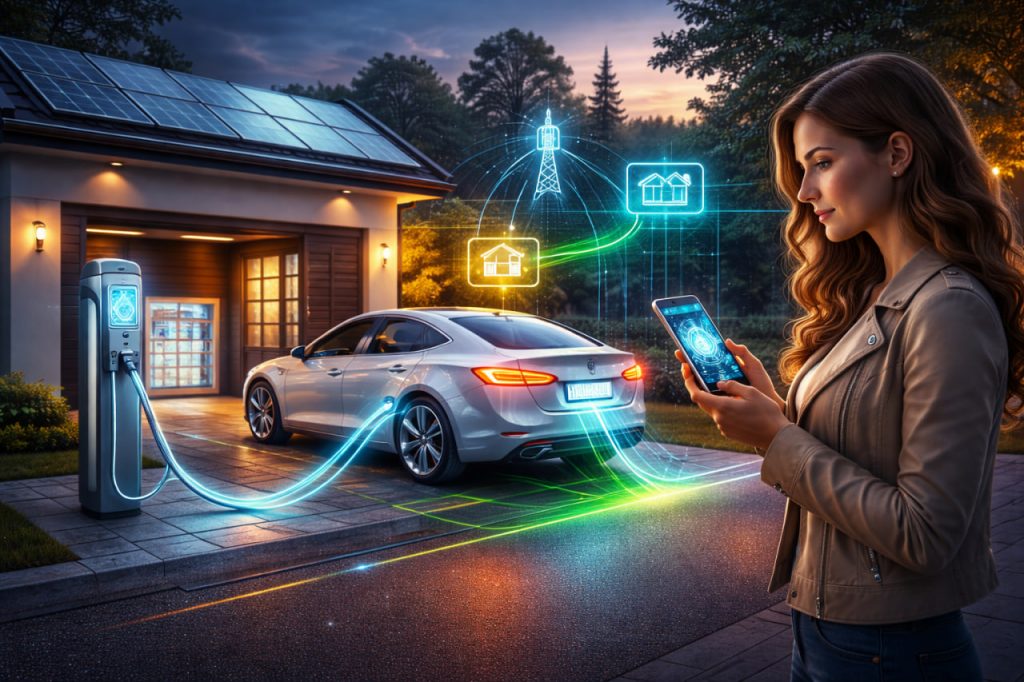
Electric vehicle charging is evolving from a simple “plug and wait” action into an intelligent, flexible energy process that connects cars, homes, and power grids. As EV adoption accelerates, traditional charging methods are no longer sufficient to keep energy systems stable, affordable, and sustainable. This is where smart charging and vehicle-to-grid (V2G) technologies come into play. Together, they redefine the role of the electric car—from a passive energy consumer into an active participant in the energy ecosystem.
Why Traditional Charging Is No Longer Enough
Conventional EV charging treats every vehicle as an isolated load that draws power whenever it is plugged in. When millions of EVs charge simultaneously—often in the evening—this creates peak demand, increasing grid stress and electricity prices. Without coordination, utilities must invest heavily in infrastructure that is only used a few hours per day. For drivers, this often translates into higher energy costs and less predictable charging availability. The future of EVs requires charging that adapts to grid conditions, energy prices, and user needs.
What Is Smart Charging?
Smart charging refers to charging systems that dynamically adjust when, how fast, and sometimes how much an electric vehicle charges. Instead of charging immediately at maximum power, the system uses data such as electricity prices, grid load, renewable availability, and driver schedules to optimize charging behavior. The driver typically sets simple preferences—departure time and required range—while software handles the rest automatically.
“Smart charging turns EVs from a grid problem into a grid solution,” — Dr. Laura Jensen, energy systems researcher.
How Smart Charging Saves Money and Energy
By shifting charging to off-peak hours, smart charging reduces electricity costs and lowers stress on the grid. It also aligns EV charging with periods of high renewable generation, such as nighttime wind or midday solar. This approach, known as load shifting, smooths demand curves and reduces reliance on fossil-fuel-based peak power plants. For drivers, the benefit is lower energy bills without sacrificing convenience.
Vehicle-to-Grid (V2G): Cars as Energy Assets
Vehicle-to-grid (V2G) takes smart charging a step further by allowing EVs not only to consume energy but also to send energy back to the grid. In a V2G system, the vehicle’s battery can discharge stored electricity during peak demand and recharge later when energy is cheaper or cleaner. This transforms EVs into distributed energy storage units that help balance supply and demand.
“V2G unlocks the hidden value of parked vehicles, which spend most of their lives connected but unused,” — Dr. Michael O’Connor, smart grid specialist.
How V2G Works in Practice
V2G relies on bidirectional chargers, advanced battery management systems, and secure communication with grid operators. Drivers define minimum battery levels to ensure mobility needs are never compromised. When the grid requires support, small amounts of energy are drawn from thousands of vehicles simultaneously, creating a powerful collective effect. Compensation mechanisms reward drivers for participating, turning EV ownership into a potential revenue stream.
Smart Charging vs V2G: Key Differences
While both technologies optimize energy flow, they serve different roles. Smart charging controls energy intake, deciding the best time to charge. V2G controls energy exchange, allowing both charging and discharging. Smart charging is already widely deployable with existing hardware, while V2G adoption depends more on vehicle compatibility, regulations, and battery warranty considerations.
Battery Health and Long-Term Considerations
A common concern is whether V2G accelerates battery degradation. Research shows that controlled, shallow charge–discharge cycles used in V2G can have minimal impact when managed correctly. In some cases, optimized cycling may even reduce time spent at high state of charge, which benefits battery longevity.
“Battery wear depends more on extremes than on intelligent, moderate cycling,” — Dr. Elena Rossi, EV battery specialist.
The Role of Aggregation and Virtual Power Plants
When thousands of EVs participate together, they form virtual power plants (VPPs). These aggregated resources can provide frequency regulation, peak shaving, and emergency backup services at a scale comparable to traditional power plants. Utilities increasingly see EV fleets as strategic assets rather than unpredictable loads.
Why Smart Charging and V2G Are Inevitable
As renewable energy penetration grows, grids must become more flexible. Smart charging and V2G provide this flexibility using infrastructure that already exists—parked vehicles. They reduce emissions, improve grid resilience, and lower system-wide costs. Most importantly, they allow EV growth without overwhelming electrical networks.
Conclusion
Smart charging and V2G represent the future of electric mobility and energy management. By intelligently coordinating when and how vehicles charge—and eventually allowing them to supply power back—EVs become integral components of a smarter, cleaner energy system. In this future, charging is no longer a constraint but a strategic advantage for drivers, utilities, and the planet.

Godness, these charging standards are coming out faster than these cars handle!🤣🤣