Electric vehicles (EVs) are often described as mobile batteries. Vehicle-to-Grid (V2G) makes that description literal, turning parked cars, vans, and buses into fast-responding grid resources that can soak up excess renewable power and feed it back when the system is stressed. As Europe races toward higher shares of wind and solar, V2G offers a pragmatic path to flexibility without pouring concrete for new power plants.
At its core, V2G is bidirectional charging. Instead of one-way electrons flowing from the grid into a car, power converters and secure communications allow energy to move in either direction. A V2G session is orchestrated by an aggregator that coordinates thousands of plugged-in vehicles, responds to grid signals in seconds, and ensures each driver still leaves with the minimum state of charge they requested. Modern protocols such as ISO 15118-20 and OCPP 2.0.1 enable this choreography with encrypted identities, contract negotiation, and “plug-and-charge” convenience.
Europe needs this flexibility. Variable renewables regularly push wholesale prices below zero at midday and spike them in the evening when solar fades and demand surges. Retiring thermal baseload plants reduce inertia and raise the need for fast frequency support. Stationary batteries help, but they require dedicated capex and sit idle until dispatched. EVs, by contrast, are already being purchased by households and fleets; V2G turns sunk mobility investments into dual-use energy assets.
The services V2G can deliver span the whole value stack. In the seconds-to-minutes range, aggregated EVs can provide frequency containment and restoration, injecting or absorbing small bursts of power to keep 50 Hz stable. Over hours, fleets can arbitrage energy—charging when wind output is high and prices are low, then discharging into the evening peak. At the distribution edge, bidirectional cars relieve local congestion, reduce transformer overloads, and defer costly grid reinforcement in rapidly electrifying neighborhoods.
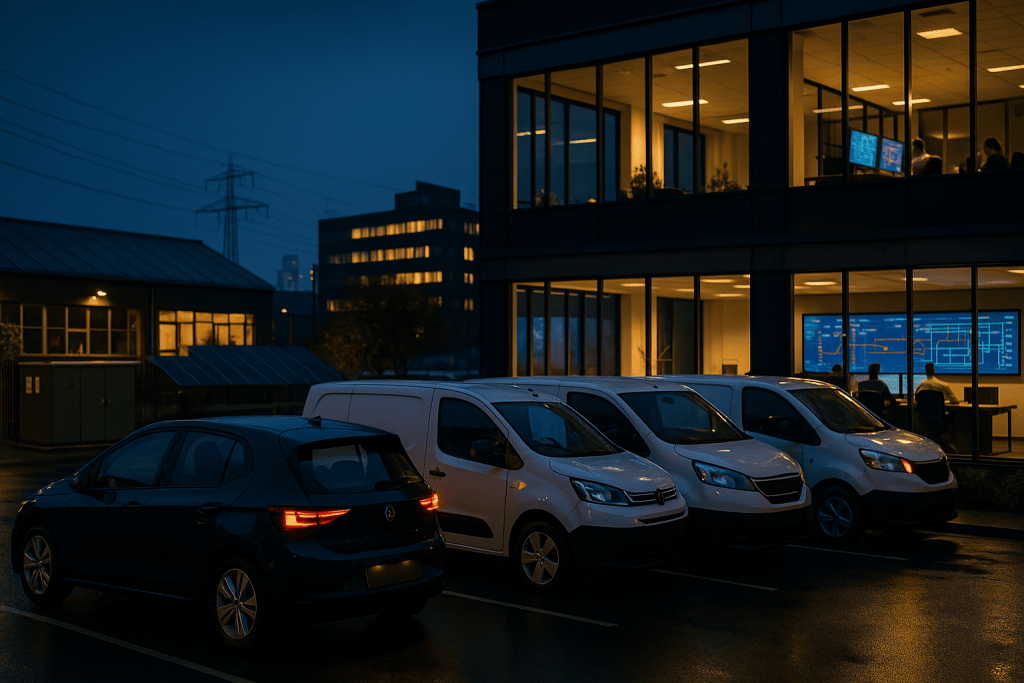
Economics are steadily improving. Bidirectional chargers remain pricier than conventional units, yet revenue streams are multiplying. Ancillary-service payments, capacity market revenues, local flexibility tenders from DSOs, and time-of-use savings together can offset hardware premiums over a few years, especially for commercial fleets that park predictably. Depot-based vans, buses, and company cars are early winners because they plug in for 12–18 hours a day and can be scheduled with minimal disruption to operations.
Battery health is a common concern and deserves nuance. Aggressive deep cycling will age any lithium pack, but most V2G algorithms use shallow, temperature-aware dispatch with tight state-of-charge windows. This pattern resembles frequent micro-cycles rather than full drains, and field tests show that controlled V2G can add relatively few equivalent full cycles compared to daily driving. Active thermal management during plugged-in periods can even reduce degradation by avoiding cold-soaked or overheated storage. The key is transparent warranties and data sharing so owners see that their battery is being treated conservatively.
Interoperability is the linchpin of scale. A patchwork of plugs, firmware quirks, and closed backends once plagued early pilots. The latest standard set—ISO 15118-20 for secure vehicle–charger communication, IEC grid-code requirements for inverters, and open back-office APIs—points toward a genuine “roam-anywhere” experience. With certificate-based authentication and TLS encryption, V2G transactions can be trusted by drivers, operators, and grid companies alike.
Policy is catching up. Transmission operators are lowering minimum bid sizes so small distributed fleets can access ancillary markets. DSOs are launching local flexibility auctions that explicitly invite aggregated EVs to resolve feeder constraints during winter peaks. Tax authorities are clarifying metering rules to avoid double-charging levies when energy exported from an EV originated from rooftop solar behind the meter. As these barriers fall, business models simplify and more owners opt in.
Cybersecurity must be treated as critical infrastructure. Each charger is an endpoint on the power system. Secure boot, signed firmware, certificate revocation, and anomaly detection in aggregator platforms are table stakes. Aggregators should segment fleets, limit command scope, and prove fail-safe behavior—if communications drop, the car defaults to safe charging and preserves the driver’s minimum charge commitment.
V2G should be framed within the broader V2X family. Homes benefit from V2H, where a car keeps lights and heat running during a storm. Buildings use V2B to shave peak demand charges. Campuses combine on-site solar, stationary storage, and V2X fleets into microgrids that island during outages and trade flexibility the rest of the year. Each use case shares the same technology stack; policy and tariffs determine which value stream pays best in a given country.
Consumer experience will make or break adoption. Drivers need simple controls—an arrival SOC, a desired departure time, and a guaranteed minimum. Everything else should be automated. Clear dashboards that show earnings, avoided emissions, and proof that the car will be ready by morning build trust. For fleets, tight integration with telematics and duty schedules keeps energy services invisible to logistics teams.
Looking ahead, scale changes the game. Tens of millions of EVs arriving by the early 2030s translate into tens of gigawatts of flexible capacity even if only a modest fraction participates. With that scale, system operators can rely less on fossil peakers, absorb more wind and solar without curtailment, and maintain stability as inertia declines. V2G won’t replace all other flexibility tools, but it can be the cheapest first responder because the batteries are already in our driveways and depots.
Conclusion
Vehicle-to-Grid is not just a clever add-on to charging; it is a structural upgrade to how Europe balances a renewable grid. By aligning standards, warranties, tariffs, and cybersecurity around a driver-friendly experience, Europe can unlock a vast, distributed reservoir of clean flexibility. Parked EVs become quiet grid partners—soaking up sunshine at noon, lending electrons at dusk, and leaving every morning with the charge their owners expect. That is how mobility and electricity systems converge to stabilize a decarbonized Europe.