The transition to electric vehicles is a key part of global strategies to reduce greenhouse gas emissions and improve air quality in cities. However, electric cars often have higher upfront costs compared to traditional gasoline vehicles, primarily because of expensive battery technology. To accelerate adoption, many governments around the world have introduced financial incentives and policy support programs for EV buyers. These measures aim to make electric vehicles more affordable, stimulate market demand, and encourage the development of charging infrastructure. Understanding how these incentives work can help potential buyers evaluate the true economic benefits of owning an electric vehicle.
Why Governments Support Electric Vehicles
Electric vehicles produce zero tailpipe emissions, meaning they do not release carbon dioxide, nitrogen oxides, or particulate pollution during operation. In urban areas, this contributes significantly to improved air quality and public health. Additionally, EV adoption reduces dependence on fossil fuels and supports the transition toward renewable energy systems.
Because of these environmental and energy security benefits, governments often provide financial incentives to encourage consumers to switch to electric mobility.
According to sustainable transportation researcher Dr. Laura Mendes:
“Government incentives play a crucial role in accelerating the adoption of electric vehicles by reducing the financial barrier for early buyers.”
Without these programs, the initial cost difference between EVs and traditional vehicles could slow the transition.
Direct Purchase Subsidies
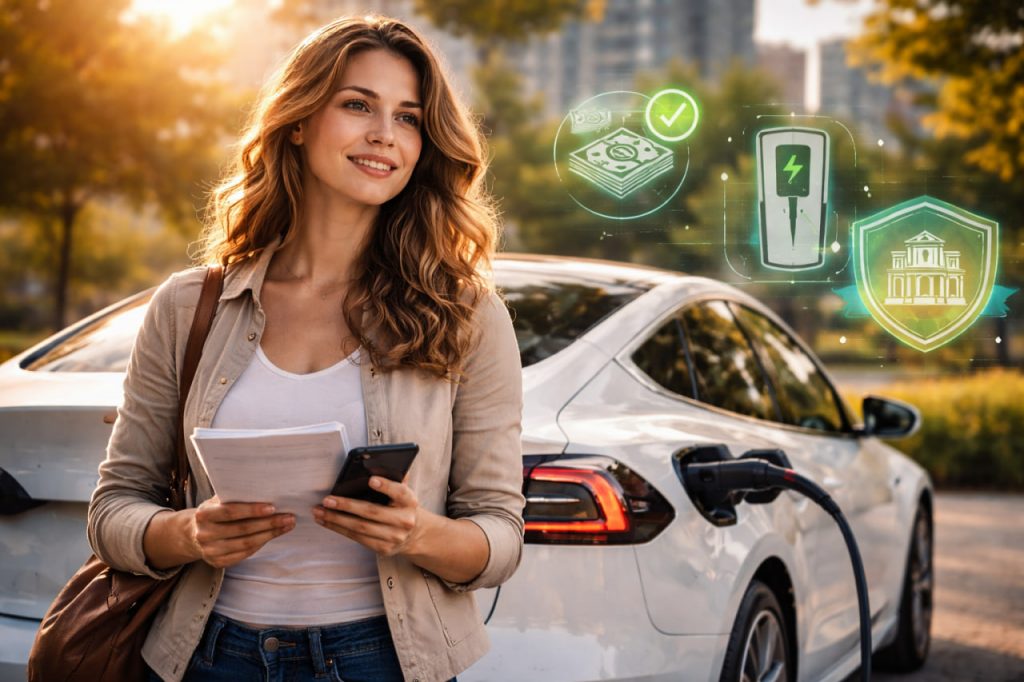
One of the most common incentives is a direct purchase subsidy. This is a financial grant provided by the government that reduces the price of an electric vehicle at the time of purchase. Depending on the country, the subsidy may be applied immediately at the dealership or reimbursed through tax credits.
For example, some countries offer incentives ranging from several thousand dollars to significantly larger subsidies for specific categories of vehicles. These incentives are often designed to decline gradually as EV adoption increases and production costs decrease.
Tax Credits and Financial Rebates
Another widely used incentive mechanism is tax credits. In this system, EV buyers receive a reduction in their income tax equal to a portion of the vehicle’s purchase price. Unlike direct subsidies, tax credits may be applied during annual tax filing rather than at the moment of purchase.
Some governments also provide cash rebates, which are payments issued to buyers after registering their electric vehicle. The exact structure varies depending on national tax systems and regulatory frameworks.
Reduced Registration and Road Taxes
Many countries offer additional savings through reduced or eliminated vehicle registration fees and road taxes for electric cars. These taxes are traditionally based on engine size or emissions levels, which means EVs often qualify for substantial reductions.
In some regions, EV owners may also benefit from lower annual vehicle taxes due to their environmental advantages.
Charging Infrastructure Support
Government programs frequently extend beyond vehicle purchases to include incentives for installing home charging stations. Home charging equipment, often referred to as Level 2 chargers, allows drivers to recharge their vehicles more quickly and conveniently.
Subsidies may cover part of the installation cost, including electrical upgrades and charging hardware. Public investments in fast-charging infrastructure are also common, helping ensure that EV drivers have reliable access to charging stations during long-distance travel.
According to energy infrastructure specialist Professor Daniel Brooks:
“Public investment in charging networks is essential for building consumer confidence in electric mobility.”
Without accessible infrastructure, financial incentives alone would not be sufficient to encourage widespread EV adoption.
Non-Financial Benefits for EV Owners
In addition to financial incentives, some governments provide non-monetary advantages to electric vehicle owners. These benefits may include access to bus lanes, free or discounted parking in city centers, and permission to enter low-emission zones where gasoline vehicles are restricted.
Such privileges can significantly improve convenience for EV drivers, especially in large metropolitan areas where traffic congestion and parking costs are major concerns.
How Incentives Affect the EV Market
Government incentives have proven to be one of the most effective tools for accelerating EV adoption. Countries with strong support programs often experience rapid growth in electric vehicle sales. As production volumes increase, manufacturers achieve economies of scale, which gradually reduces battery costs and vehicle prices.
Over time, as EV technology becomes more affordable, governments may phase out subsidies and allow the market to operate without financial assistance.
The Future of EV Incentive Programs
Many governments are gradually shifting their focus from direct purchase subsidies to broader infrastructure development and renewable energy integration. Future policies may emphasize expanding charging networks, improving grid capacity, and supporting domestic battery manufacturing.
At the same time, policymakers aim to ensure that incentives remain fair and accessible to a wide range of consumers rather than benefiting only early adopters.
Conclusion
Government incentives and support programs play a vital role in accelerating the transition to electric mobility. Through purchase subsidies, tax credits, infrastructure investment, and regulatory advantages, these policies reduce the financial and practical barriers associated with EV ownership. While incentives vary widely across countries, their overall goal remains the same: to promote cleaner transportation and support the global shift toward sustainable energy systems. As electric vehicles become more widespread and production costs decrease, these programs will continue evolving to support the next phase of the electric mobility transition.