The rapid expansion of electric vehicle adoption is reshaping not only transportation but also the infrastructure surrounding it. Traditional fueling stations were designed around quick refueling and minimal customer interaction. Electric mobility introduces a different paradigm, where charging sessions may last from several minutes to an hour depending on charging power and battery capacity. This shift creates opportunities for entirely new types of locations known as EV charging hubs, where charging becomes integrated with services such as cafés, restaurants, retail stores, and workspaces. These hubs represent an emerging intersection between mobility, energy infrastructure, and consumer experience.
What Is an EV Charging Hub?
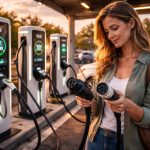
An EV charging hub is a centralized location that hosts multiple high-power charging stations alongside commercial services designed to serve drivers during charging sessions. Unlike single charging points installed in parking lots, hubs are built as destinations where drivers can comfortably spend time while their vehicles charge. Modern hubs often include ultra-fast DC chargers, which deliver between 150 kW and 350 kW of power, significantly reducing charging time.
According to sustainable mobility analyst Dr. Marcus Hill:
“Charging hubs transform refueling from a passive activity into an integrated consumer experience.”
This shift reflects a broader change in how infrastructure is designed around electric mobility.
The Integration of Hospitality and Charging
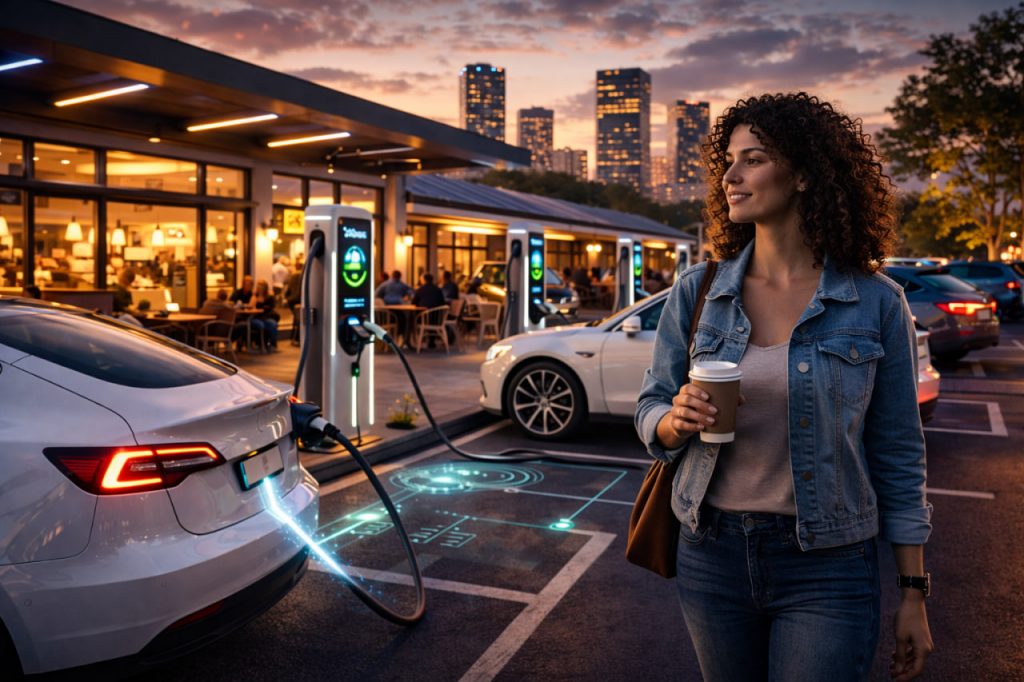
One of the most noticeable features of future charging hubs is the integration of hospitality services. Cafés, restaurants, and comfortable waiting areas are increasingly included in hub designs. Because even ultra-fast charging typically takes 20–30 minutes, drivers naturally seek productive or relaxing activities during that time.
Many charging hubs already provide workspace areas, high-speed Wi-Fi, and seating environments similar to modern cafés. This allows drivers to work remotely, hold meetings, or relax while charging their vehicles. In this sense, charging hubs are beginning to resemble hybrid spaces combining elements of fuel stations, coworking offices, and retail centers.
According to urban mobility strategist Laura Mendes:
“Charging hubs represent a new category of public infrastructure where energy, commerce, and lifestyle converge.”
Retail and Commercial Opportunities
Retail businesses are increasingly interested in partnering with charging infrastructure providers. Shopping centers benefit when EV drivers spend time browsing stores while their vehicles charge. Restaurants and cafés see increased customer flow, as charging naturally creates dwell time.
This business model creates mutual economic benefits. Charging providers attract drivers through convenient locations, while retailers benefit from increased foot traffic. In some cases, businesses subsidize charging infrastructure to attract EV drivers as potential customers.
Large commercial complexes are beginning to install entire rows of ultra-fast chargers specifically designed to support retail-driven charging ecosystems.
Energy Infrastructure Behind Charging Hubs
The technical infrastructure behind these hubs is far more complex than traditional charging stations. High-power chargers require significant electrical capacity, often supported by grid upgrades, transformer stations, and battery energy storage systems. These storage systems help manage peak electricity demand by storing energy during low-demand periods and releasing it when multiple vehicles charge simultaneously.
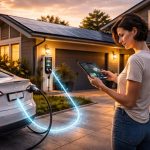
Many hubs are also integrating renewable energy sources, such as solar panels installed on parking canopies. This approach reduces operational costs while improving sustainability.
New Revenue Models in Electric Mobility
Charging hubs introduce entirely new revenue streams beyond electricity sales. Operators generate income through several channels including charging fees, retail partnerships, subscription programs, and advertising. Some hubs offer premium services such as reserved charging spots, lounge access, or integrated vehicle maintenance services.
Digital platforms also play an important role in monetization. Charging networks often integrate mobile applications that allow users to reserve charging slots, track energy consumption, and access loyalty programs.
According to energy infrastructure economist Professor Daniel Brooks:
“The profitability of charging hubs will increasingly rely on ecosystem services rather than electricity sales alone.”
This highlights the transformation of charging from a purely technical service into a broader economic ecosystem.
Urban Planning and Transportation Infrastructure
City planners are beginning to incorporate charging hubs into long-term urban infrastructure strategies. Instead of scattered individual chargers, large centralized hubs can support higher traffic volumes and reduce strain on local distribution networks. These hubs may be located along highways, near major retail centers, or within dense urban districts.
Additionally, charging hubs may become multimodal mobility centers that integrate electric car charging with micromobility, public transportation, and autonomous vehicle fleets.
The Future of Charging Hubs
As battery technology improves and EV adoption continues to grow, charging hubs are expected to become larger and more sophisticated. Future designs may include automated charging robots, integrated renewable microgrids, and energy trading platforms. Advanced software systems will optimize charging schedules, reduce waiting times, and balance energy demand across the grid.
The long-term vision is to create energy and mobility ecosystems where charging is seamlessly integrated with daily activities rather than treated as a separate task.
Conclusion
Charging hubs represent a major evolution in EV infrastructure, combining high-power charging with hospitality, retail, and digital services. By transforming charging time into productive or enjoyable experiences, these hubs redefine how drivers interact with mobility infrastructure. As new business models emerge and energy systems become more integrated, charging hubs are likely to become central components of future transportation networks and urban environments.